
The Role of Optometry in Maintaining Healthy Vision: Eye Exams and Vision Care

optometry in maintaining healthy vision

Maintaining healthy vision is key to your overall well-being and quality of life. Our eyes allow us to experience life around us, and any impairment can significantly limit daily activities.

Therefore, it makes sense to take advantage of the benefits of regular optometry care for maintaining eye health. Optometry plays a key role through comprehensive eye exams, early detection of eye conditions, and vision care services.

Here’s how optometrists play an integral part in protecting and improving eyesight.

Regular Eye Exams as the Foundation of Vision Care

Optometrists recommend that individuals of all ages attend comprehensive eye examinations at least every two years or as directed by their eye care provider.

This comprehensive eye examination serves multiple purposes, including early detection of eye conditions, monitoring vision changes and overall assessment of overall eye health.

Through regular eye exams, your Toronto optometrist will assess various aspects of your vision, such as visual acuity, peripheral vision and depth perception.

Using advanced diagnostic eye care equipment and techniques, they will also evaluate structures within the eye, including the cornea, iris, lens and retina. This lets your optometrist spot potential issues quickly and facilitates prompt intervention and treatment plans.

Early Detection and Prevention of Eye Conditions

One of the primary advantages of regular eye exams is the early detection and prevention of eye conditions, including glaucoma, cataracts and macular degeneration.

Many eye diseases progress slowly without manifesting noticeable symptoms in their early stages. But optometrists are trained to recognize these diseases through thorough exams that allow early intervention and treatment options.

Optometrists also play a vital role in maintaining healthy eye vision through individualized eye care information. For instance, your optometrist can tell you how to take preventive steps for healthy vision based on your day-to-day.

They’ll provide advice regarding lifestyle choices such as wearing sunglasses to shield against harmful UV rays, eating a well-balanced diet with eye-healthy nutrients, and practicing good eye hygiene. These preventive measures can empower you to actively work toward protecting your vision.

Related Article: Understanding The Benefits Of Family Practice: Comprehensive Healthcare For All Ages

prevention of eye conditions

Prescribing Corrective Lenses to Achieve Vision Enhancement

Many individuals suffer from refractive errors such as myopia (nearsightedness), hyperopia (farsightedness), astigmatism or presbyopia (age-related vision changes).

Optometrists specialize in diagnosing such conditions and prescribing corrective lenses accordingly — whether glasses or contact lenses. One-to-one sessions with your optometrist will help identify which is most suited to address your eye defects based on visual needs and lifestyle considerations.

An optometrist helps you maintain healthy vision while prioritizing comfort and usability of corrective measures. Optometrists go far beyond simply offering corrective lenses; they can also guide you in selecting the best lens options.

For instance, optometrists consider factors like lens materials, coatings and designs, which enhance visual clarity while simultaneously reducing glare and providing UV protection.

Managing Common Eye Conditions

Beyond prescribing corrective lenses, optometrists are equipped to manage various common eye conditions. For example, dry eye syndrome affects thousands of people across Ontario and may lead to discomfort, redness and blurred vision.

Optometrists can diagnose the source of dry eye syndrome and suggest effective solutions such as artificial tears, lifestyle modifications or advanced therapies as treatments for this common ailment.

Optometrists are experts at diagnosing and managing eye allergies, conjunctivitis (pink eye), and other ocular surface conditions. They offer targeted treatments, suggest environmental modifications, and provide advice about eye care products to address them effectively.

By treating such common issues, an optometrist can ensure you enjoy comfortable and healthy eyes.

Related Article: Finding a Walk-In Clinic in Toronto: A Guide to Convenient and Affordable Healthcare

managing common eye conditions

Final Thoughts

Optometry plays an invaluable role in maintaining healthy vision through the early detection of eye conditions and the prescription of corrective lenses for those suffering from common conditions.

Lockwood Clinic provides professional optometric care in Toronto and beyond, including vision care services to preserve and enhance your vision.

Let our skilled optometrists take the stress out of optometry with comprehensive eye exams designed to promote eye health and visual wellness. Book one now to begin a journey toward optimal eye health and visual well-being!


Understanding the Benefits of Family Practice: Comprehensive Healthcare for All Ages

family practice

When it comes to healthcare, having a primary care physician who can address the medical needs of your entire family is invaluable. A family practice offers a comprehensive approach to healthcare that focuses on providing personalized treatment plans, continuity of care, and preventive services for individuals of all ages.

This blog post will explore the advantages of choosing a family practice in Toronto. And why a primary care physician is essential to promoting overall health and well-being.

Continuity of Care: A Key Advantage

One of the primary benefits of family practice is the continuity of care it offers. You and your loved ones can establish a long-term relationship with a family physician.

The comprehensive nature of this personalized healthcare allows for a deeper understanding of your medical history, individual needs, and preferences.

This continuity enables the physician to provide personalized and tailored care considering your unique circumstances, family dynamics, and genetic factors. Having a primary care physician who knows your medical history in detail can give you more accurate diagnoses, appropriate treatments, and better management of chronic conditions.

Personalized Treatment Plans

A family practice focuses on providing individualized care to each family member. Whether it’s a newborn, a teenager, an adult, or a senior, a primary care physician can develop personalized treatment plans addressing specific health concerns.

It considers factors such as age, gender, lifestyle, and medical history to provide targeted care meeting the unique needs of each family member.

This personalized approach ensures everyone receives the right intervention, medication, and preventive measures — promoting optimal health outcomes for the entire family.

personalized treatment plans

Preventive Services for All Ages

Prevention is a fundamental aspect of family practice. A primary care physician emphasizes the importance of preventive care and offers a wide range of services to promote early detection and prevention of diseases.

And when you choose a family healthcare practice in Downtown Toronto, they are right next to you. It becomes simple to access comprehensive healthcare for all ages.

You’ll have access to varied forms of primary healthcare, including:

  • Routine check-ups
  • Vaccinations
  • Screenings
  • Health education and counselling

Family practice physicians help identify potential health risks and intervene before they escalate into more significant problems. By prioritizing preventive care, family practice plays a crucial role in maintaining and improving the overall health of individuals across all age groups.

Related Article: How Do I Find A Good Family Doctor In Toronto?

Convenience and Comprehensive Healthcare

A family practice physician offers the convenience of a one-stop shop for all your family’s healthcare needs. Instead of seeking different specialists for each family member, a family physician can address various medical concerns under one roof.

Whether it’s a common cold, a chronic condition, or a preventive service, a primary care physician can provide comprehensive care for the whole family. This convenience saves time, reduces the hassle of multiple appointments, ensures efficient communication and coordination of care between different family members.

Holistic Approach to Well-being

Family practice adopts a holistic approach to healthcare. A Toronto family practice recognizes that physical, mental, and emotional well-being are interconnected.

A family physician not only diagnoses and treats physical ailments but also considers the overall well-being of each family member. They provide guidance on lifestyle modifications, nutrition, exercise, stress management, and mental health support. By addressing all aspects of health, family practice promote a balanced and thriving lifestyle for individuals of all ages.

Building Trust and Long-term Relationships

The relationship between a family practice physician and their patients is built on trust, empathy, and mutual understanding. This trust is nurtured through continuous care, active listening, and genuine concern for the well-being of each family member.

By establishing a long-term relationship with a primary care physician, you and your family can feel confident in having a reliable healthcare partner who understands your values, priorities, and goals. This sense of trust fosters open communication, making it easier to discuss sensitive health issues and seek guidance when needed.

Related Article: Finding A Walk-In Clinic In Toronto: A Guide To Convenient And Affordable Healthcare

long-term relationships

In Short

You just want your family to be okay. The recent pandemic has further understated the importance of closely monitoring your family’s healthcare. When you’re looking for a comprehensive healthcare solution for your family, consider a family practice.

For us at Lockwood Clinic, the well-being of your entire family is our priority. We provide personalized care right here in downtown Toronto. Our family doctors will listen to your healthcare needs, stay intuitive with preventive healthcare and provide tailored treatment where necessary.

Call us today at 1-800-667-0923 or walk into our family practice in Toronto today.

Preparing for Your Ultrasound: What to Expect and How to Get the Most Accurate Results

preparing for your ultrasound

Preparing for an ultrasound can be overwhelming, especially if you don’t know what to expect.

With this blog, we’ll walk through everything from pre-exam preparation tips to a step-by-step guide on the day of your exam. This way, you can ensure accurate results from your ultrasound.

By following our advice and instructions, you will provide medical staff with the reliable information they need to diagnose any issues or concerns properly. So read on to learn more about preparing correctly for your upcoming ultrasound!

The purpose of ultrasound and why it’s important

Ultrasound is a diagnostic imaging test that uses sound waves to produce images of organs and structures inside the body. It’s a painless, non-invasive, and safe procedure that allows doctors to view the inside of the body without making any incisions.

This imaging test is commonly used to monitor fetal development during pregnancy, diagnose and monitor conditions such as cancer, heart disease, and kidney disease. Ultrasound imaging can also be useful for guiding medical procedures such as biopsies and surgeries.

Ultrasound is an important tool in modern medicine as it enables early detection and diagnosis of various medical conditions, allowing for more timely and effective treatment.

What to expect during an ultrasound exam

Feeling anxious about what to expect is natural if you’ve never had an ultrasound exam. The good news is that there’s nothing to worry about — an ultrasound is a painless and non-invasive procedure that gives your healthcare provider a closer look at what’s happening inside your body.

  • During the ultrasound exam, you’ll lie on a table while a technician applies a special gel to your skin. This gel helps transmit sound waves from the ultrasound machine to your body, which bounces back to create images your healthcare provider can interpret.
  • The technician will move a wand — called a transducer — over the examined area, capturing different views that can be studied in detail.
  • You may be asked to change positions or hold your breath at certain points during the exam to get better images.

The exam typically takes less than 30 minutes, and you can go about your day as usual afterwards.

Pre-appointment tips for ultrasound imaging – fasting, clothing & more

Before going in for an ultrasound test, remember these important pre-appointment tips.

  • Firstly, it’s highly recommended to fast before the appointment if your doctor has asked you to do so. This means not eating or drinking anything, except water, for a certain amount of time before the appointment.
  • Additionally, wear comfortable clothing that allows easy movement during the procedures. It is also a good idea to bring along any necessary paperwork, medical records, and a list of current medications you are taking.
  • If you’re getting a pelvic ultrasound, you may be asked to drink water before the exam to fill your bladder, which can cause discomfort or the urge to urinate.
  • Bring a book or music to distract yourself during the exam and ask the technician to explain what they are doing and what to expect.

By following these pre-appointment tips, you can ensure that your visit goes smoothly and that you are fully prepared for any tests or procedures that may be required.

Related Article: How Do I Find a Good Family Doctor in Toronto?

ultrasound imaging

How to get the most accurate results from your ultrasound?

When it comes to getting accurate results from your ultrasound, there are a few key things to keep in mind.

  • First and foremost, it’s important to choose a reputable ultrasound technician or facility. Look for recommendations from trusted sources or ask your doctor for referrals.
  • Communicate any relevant health information or concerns with the technician during the ultrasound. Providing them with as much information as possible can help ensure they capture the best images and data.
  • Additionally, following any preparation instructions provided by the technician or doctor, such as drinking water or abstaining from food, can improve the accuracy of the results.
  • Finally, it’s important to follow up with your doctor to review the results and ask any questions you may have.

With these tips in mind, you can maximize the accuracy and usefulness of your ultrasound.

Post-appointment tips for an ultrasound – follow-up care & advice

By following these post-appointment tips, you can help ensure proper follow-up care and stay on top of your overall health and well-being.

  • Follow any instructions given by your healthcare provider or the ultrasound technician. They may have specific recommendations based on the results or the reason for the test.
  • Drink plenty of water to help flush out any contrast material used during the exam and to help keep you hydrated.
  • Take it easy for the rest of the day, especially if you had an invasive ultrasound exam such as a transvaginal or transrectal ultrasound. You may experience some mild discomfort or spotting, which is normal.
  • If you experience any unusual symptoms or side effects after the exam, such as fever, severe pain, or excessive bleeding, contact your healthcare provider right away.
  • Follow a healthy diet and exercise routine, as recommended by your healthcare provider. Maintaining a healthy lifestyle can prevent many health problems and may reduce the need for future ultrasound exams.
  • Keep any follow-up appointments scheduled with your healthcare provider or the imaging center. They may want to review the exam results with you in person or schedule additional testing if needed.

Related Article: Finding a Walk-In Clinic in Toronto: A Guide to Convenient and Affordable Healthcare

tips for an ultrasound

Final Thoughts

Ultrasound exams can be an invaluable tool in diagnosing and managing many medical conditions.

And you can ensure accurate ultrasound results by following pre-appointment tips like fasting beforehand, wearing comfortable clothing, and drinking plenty of fluids. It’s best practice to ensure you’re as still as possible and avoid eating or drinking during the exam.

Here at Lockwood Clinic, we can guarantee accurate ultrasound results thanks to the advanced imaging technology we use. During the exam, an experienced technician will also walk you through what to expect, give you step-by-step guidance and gauge your responses throughout the procedure.

Lastly, remember aftercare post-appointment tips, such as calling your doctor with any questions or concerns about the results. By following these steps, you can ensure an accurate and timely diagnosis for any medical condition that may arise.

Dental Fillings Cost Comparison: Metal vs. Composite vs. Ceramic Materials

dental fillings cost comparison

Visiting the dentist for a dental filling isn’t something most of us look forward to, but understanding the range of options available may make the process less intimidating.

Dental fillings have come a long way since the days of metal amalgams. Now, there are three primary materials used: composite resins, ceramics, and metal alloys like gold, silver and amalgams, each with its advantages and disadvantages.

This post will explore these three types of dental fillings in greater detail. We’ll explore the cost of each type of dental filling and make price comparisons before your next appointment at the dentist.

Overview of Different Types of Dental Fillings

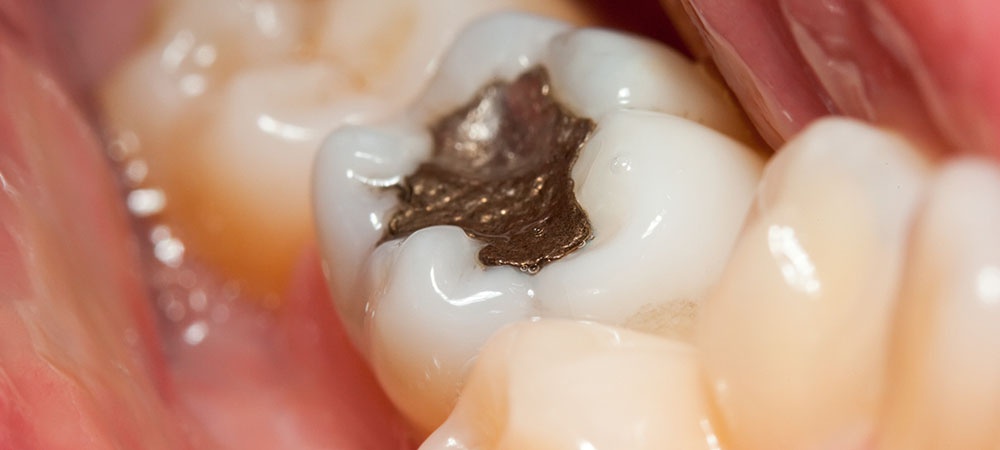
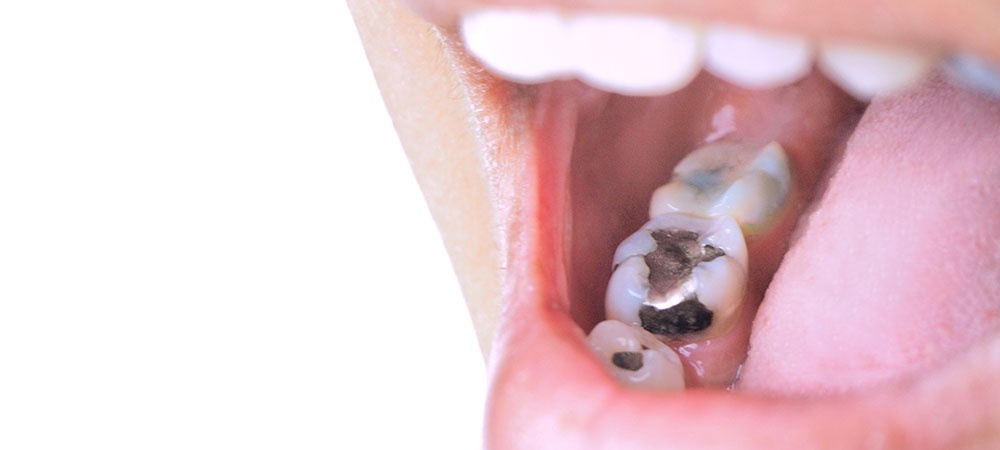
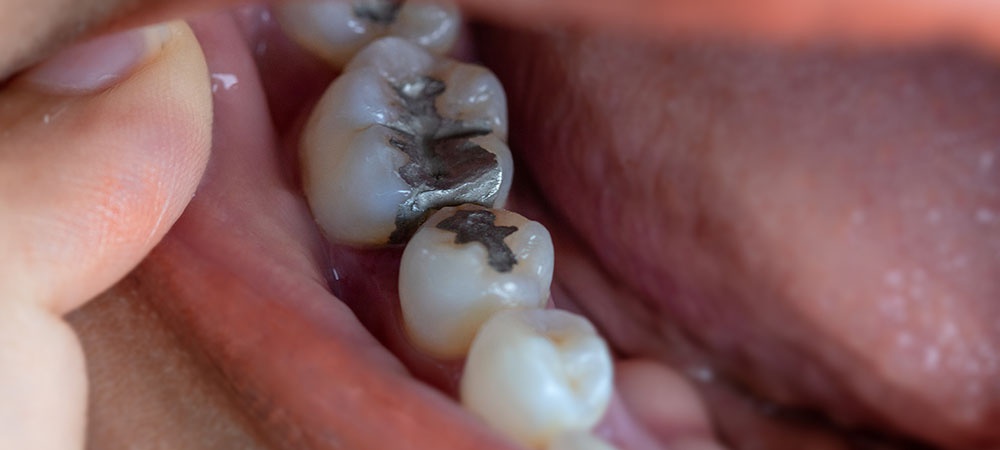
Dental fillings are a common dental procedure that helps restore damaged teeth. Amalgam fillings are the traditional silver fillings which have been in use for over a hundred years. They are highly durable and can withstand the forces of chewing, but they are visible and contain small amounts of mercury.

Composite fillings comprise a tooth-coloured resin that blends in with natural teeth but are not as durable as amalgam fillings. Ceramic fillings are made of porcelain and are highly resistant to stains, but they are the most expensive type of filling.

Lastly, gold fillings are highly durable and can last up to 20 years. Gold dental fillings are also the most expensive and require multiple visits to the dentist. Understanding the different types of dental fillings can help patients make informed decisions about their dental care.

Related Article: Dental Fillings: Types, Materials, and Costs

Pros and Cons of Metal Fillings

Metal dental fillings have been used for decades to repair damaged teeth. While they’re a popular choice for their longevity and strength, they also have a few drawbacks.

One advantage of metal fillings is their durability. They can withstand intense pressure and last for many years without requiring replacement. However, they are not the most aesthetically pleasing option, as they are visible when you smile or speak.

Another concern is that metal fillings contain mercury, posing health risks for some individuals. Additionally, they can conduct heat and cold, which may cause discomfort in some patients.

While metal fillings may have advantages, it’s important to weigh these against potential drawbacks before deciding if they’re the right choice for your dental needs.

Benefits and Drawbacks of Composite Fillings

Composite fillings offer both benefits and drawbacks in the field of dentistry. On one hand, composite fillings are tooth-coloured, making them a popular choice among patients who prefer a natural look for their teeth. They are also more conservative than traditional amalgam fillings, as less drilling is required to remove decay and prepare the tooth for filling.

On the other hand, composite fillings are generally less durable than amalgam fillings and may need to be replaced more frequently. Additionally, composite fillings are more expensive than amalgam fillings, making them less accessible for some patients.

Overall, composite fillings offer a viable option for patients seeking a natural-looking filling, but it’s important to weigh the benefits and drawbacks before deciding.

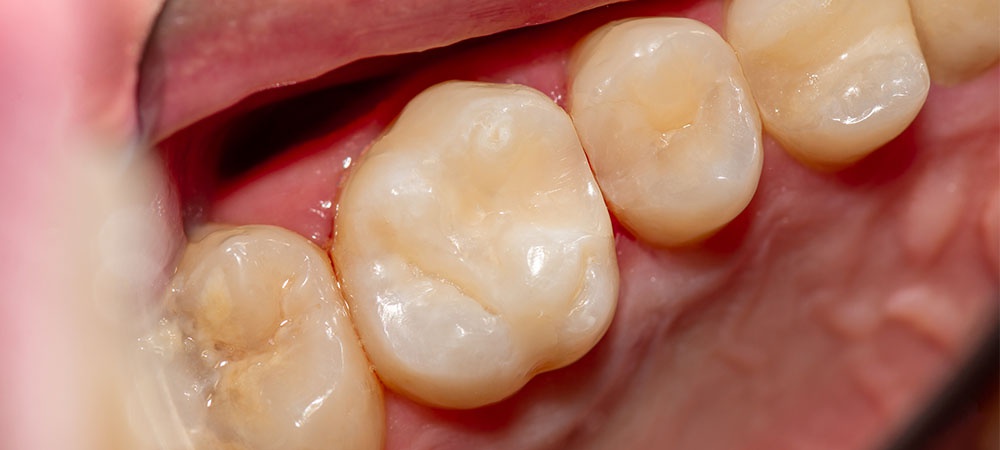
composite fillings

Advantages and Disadvantages of Ceramic Fillings

When it comes to dental fillings, ceramic options have become increasingly popular in recent years. One of the biggest advantages of ceramic fillings is their natural look, as your dentist can customize them to match the colour of surrounding teeth. Additionally, ceramic fillings are highly resistant to staining and can last many years.

However, ceramic fillings are also typically more expensive than traditional metal fillings and require an experienced dentist to place them properly. Furthermore, there may be better options for larger cavities or those in high-pressure areas, as ceramic fillings can be brittle and may crack or break under pressure.

As with any dental procedure, it’s important to weigh the pros and cons with the guidance of a dental professional.

Cost Comparison for Each Filling Type

Each filling type offers its strengths and weaknesses, with different price points to match. For example, amalgam fillings are known for their affordability, but they also contain mercury which has sparked some health-related controversy in recent years.

Ceramic and gold fillings are the most expensive options, but they also offer superior durability and longevity. Composite fillings, on the other hand, are made of tooth-coloured material and are much less noticeable than amalgam, but they come with a higher price tag.

Ultimately, choosing the right filling type involves balancing cost and value. You should also consult your dentist for personalized recommendations based on your unique dental needs.

Here is a table of general cost comparison of the average cost of dental fillings:

Material Average Cost (CAD)
Metal $150 – $300
Composite $250 – $1000
Ceramic $250 – $4,500

What to Consider Before Choosing a Filling Material

When it comes to dental work, choosing the right filling material is crucial for the health and longevity of your teeth. Before making a decision, there are a few factors to consider.

The location and size of the cavity will determine which filling material is best suited for the job. Your budget and insurance coverage will impact your options. And finally, your personal preferences and concerns should be taken into account, such as allergies or sensitivities. Discussing these considerations with your dentist to ensure you make an informed decision is important.

You’ll want to consider several factors before deciding on what filling material will be best for you, such as the cost, durability and aesthetics of each type.

  • Metal fillings are the most economical option
  • Composite fillings are the most aesthetically pleasing solution.
  • Ceramic fillings offer long-term durability while being more aesthetically appealing than metal fillings. However, they are usually the most expensive option.

Related Article: What are the Costs of Cavity Filling, and Why is it Important to Know?

metal fillings

Choose Cost Effective Dental Fillings

The best dental filling for you meets your price point and satisfies individual needs of comfort and aesthetics. No matter which kind you choose, be sure you understand any possible risks of using a material before selecting one for your dental filling.

With great advances in both cost-effectiveness and aesthetics in each option, choosing the right kind of dental filling for your needs has never been simpler. And our dental team at Lockwood Clinic can make the choice easier for you.

We’ll discuss your dental filling needs and select the best material for your price point. Call us via 416 640-6400 to speak to our dental team.

The Importance of Regular Dental Checkups: Preventing Cavities and Other Oral Health Problems

regular dental checkups

Your oral health is one of the most important aspects of your overall well-being. And regular dental checkups are essential for maintaining it. Cavities and other oral health problems can do more than just cause anxiety — they can drastically affect your quality of life.

But with proper preventative care, like regular dental checkups, these issues can be identified and treated early to ensure you’ll have a healthy smile for years.

This blog post will provide an overview of the importance of maintaining good oral hygiene through routine visits to the dentist and how doing so can help prevent cavities and other serious diseases that could otherwise plague your mouth.

The Importance of Dental Checkups

Regular dental checkups are paramount in maintaining optimal oral health and hygiene. These routine visits to your dentist will help detect and diagnose any potential dental issues and prevent them from escalating into severe problems.

Timely dental checkups facilitate the early detection of issues like cavities, gum disease, and oral cancer, significantly enhancing the effectiveness of treatments. A professional cleaning performed during these visits eliminates plaque and tartar buildup, further safeguarding your teeth and gums.

In essence, prioritizing dental checkups is critical in preserving your natural smile and ensuring long-lasting oral health.

Related Article: Dental Fillings: Types, Materials, and Costs

Why Cavities Occur and How to Reduce the Risk

Cavities occur when bacteria linger in the mouth and remove important minerals from one’s teeth, creating holes in their enamel. To reduce the risk of cavities forming:

  • Good oral hygiene habits such as brushing twice daily and flossing at least once daily.
  • A balanced diet, low in sugar, is also recommended since consuming sweets can weaken tooth enamel.
  • Also, regular checkups with your dentist help diagnose and prevent any abnormalities since they can monitor your progress over time.
  • Without proper detection and treatment, cavities can worsen quickly leading to pain and even tooth loss in the long run.

So don’t delay – make sure you maintain your oral health with regular dental visits!

Oral Health Problems can Arise Without Regular Checkups

Regular dental checkups are critical to maintaining your oral health and avoiding potential issues that may develop. Without these routine visits, a variety of oral health problems can arise, many of which may necessitate more extensive treatments or long-term consequences.

  • Unchecked plaque and tartar buildup can lead to gum inflammation or gingivitis, eventually causing periodontal disease and, in severe cases, tooth loss.
  • Without regular dental examinations, the early signs of oral cancer or other abnormalities may go undetected, significantly reducing the chances of successful treatment.
  • Untreated dental conditions such as tooth decay or cavities can progressively worsen, sometimes even leading to dangerous infections or abscesses.

Therefore, it’s essential to prioritize regular dental checkups to effectively prevent, detect, and address these potential oral health complications.

oral health problems

The Benefits of Seeing a Dentist Regularly

Regular dental visits are essential to maintaining optimal oral health and preventing potential dental complications.

  • By seeing a dentist regularly, individuals can enjoy various benefits, such as early detection and treatment of oral issues like cavities, gum disease, and oral cancer.
  • In addition, preventative dental care from routine cleanings helps eliminate plaque and tartar buildup, reducing the risk of tooth decay and gum disease.
  • Dentists can identify signs of other health issues, such as vitamin deficiencies or diabetes, through oral examinations.
  • Regular dental appointments also enable patients to receive personalized advice on maintaining good oral hygiene, ultimately contributing to their overall health and wellness.

How to Find an Affordable Dentist with Good Quality Care?

Finding an affordable dentist who provides high-quality care may seem daunting, but with a strategic approach, it is achievable. Begin by conducting thorough research on dental health care providers in your area, taking note of their pricing and patient reviews, which can often be found on their websites and social media pages.

Networking with friends, acquaintances, and local dental schools can also reveal valuable recommendations of affordable dental practitioners who are well-regarded for their quality care.

Additionally, inquire about the availability of special discounts, such as those for seniors, students, or military personnel, which can significantly reduce treatment costs without sacrificing the standard of care.

It is essential to prioritize cost, quality, and convenience, and always communicate openly with prospective dental providers about your financial situation and expectations, ensuring that both you and your dentist can establish a trusted partnership for achieving optimal oral health.

Tips for Maintaining General Oral Hygiene

Maintaining good oral hygiene is essential for a healthy and confident smile, and it all starts with brushing and flossing correctly.

  • To begin with, ensure you brush your teeth for at least two minutes, twice a day.
  • Use a fluoride toothpaste and a soft-bristled toothbrush, brushing in small circular motions, to effectively remove plaque and bacteria.
  • Remember to brush the tongue, as this helps eliminate bad breath and bacteria.
  • When it comes to flossing, opt for a gentle technique by guiding the floss between your teeth with a sawing motion, curving it against the sides to remove any hidden debris.
  • Adding a mouthwash to your routine can also help, as it reaches areas your brush may have missed and also helps neutralize the pH of your mouth.
  • Lastly, remember to visit your dentist regularly for check-ups and professional cleanings to ensure that your oral hygiene remains in top-notch condition.

Related Article: What is it Called when a Tooth Needs a Root Canal Treatment?

general oral hygiene

Final Thought

Taking care of your teeth is an important part of overall health. And regular dental checkups are an essential part of keeping your mouth healthy.

With more access to information about dentists’ services and prices, finding quality care without breaking the bank has never been easier. Finally, if you need advice or additional support in practicing good oral hygiene habits, don’t hesitate to contact us at Lockwood Clinic.

Our dental team will sit down with you and discuss a regular checkup schedule with you.

Dental Implants vs. Bridges: Which Tooth Replacement Option is Right for You?

dental implants vs. bridges

Losing a tooth can be disheartening, but you don’t have to live with an incomplete smile. With two of the most popular tooth replacement treatments available today — dental implants and bridges — you can restore your teeth and achieve a smile that is as good as new.

From understanding how each option works to weighing the pros and cons associated with each, this blog post will help you decide which treatment is best suited for your individual needs.

Read on for all the information about dental implants vs. bridges for replacing missing teeth!

Tooth Replacement Options and Explain Why It is Important to Make an Informed Decision

Finding the right tooth replacement option can be a daunting task. When considering which type of tooth replacement is best, it’s important to understand the pros and cons associated with each option.

Although most tooth replacement procedures are effective, there can be significant differences in the function, durability, cost and appearance of the final results. Therefore, it is important to thoroughly research all available replacement options before deciding which one is right for you.

Consulting with your dentist can also help guide you in making an informed decision that meets your needs for now and for the years ahead.

Dental Implants: The benefits, risks, and costs associated with them

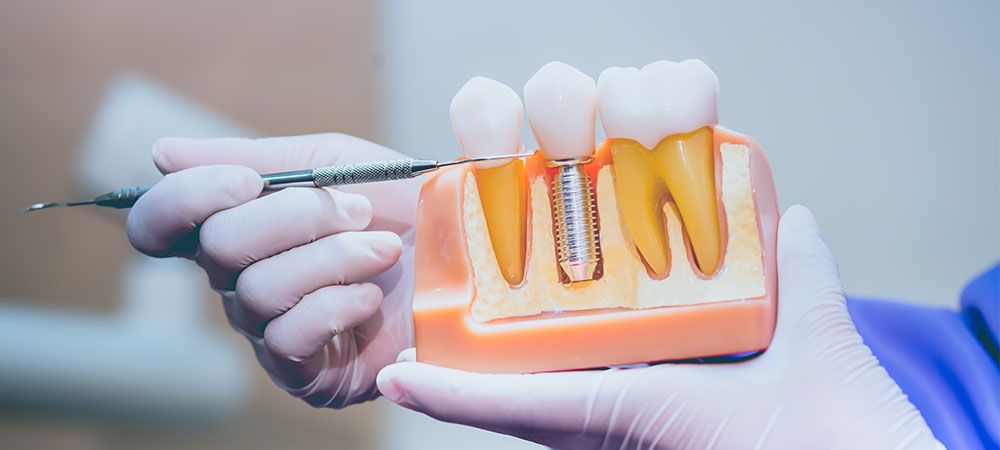
Dental implants are an effective yet costly way to replace a missing tooth. An implant is a titanium post placed in the jawbone that replaces the root part of a tooth. A natural-looking replacement crown is attached to this post, restoring function and aesthetics.

The primary benefit of dental implants is their longevity and durability; when properly taken care of, they can last for decades.

As with any medical procedure, there are risks associated with dental implants – namely infection or poor integration with the jawbone. These risks make it doubly important to visit an experienced dentist in Ontario who can assess if you’re a suitable candidate and allocate resources accordingly.

Although expensive compared to other treatments, dental implants have become more accessible due to improvements in technology and materials used. Generally speaking, dental implant costs can range from $2,000 to $4,500 per tooth. This cost includes the implant itself, abutment and crown.

The actual price of each item depends on several factors, including the dentist’s geographic location, the material and the complexity of the procedure.

Bridges: The advantages, disadvantages, and cost implications

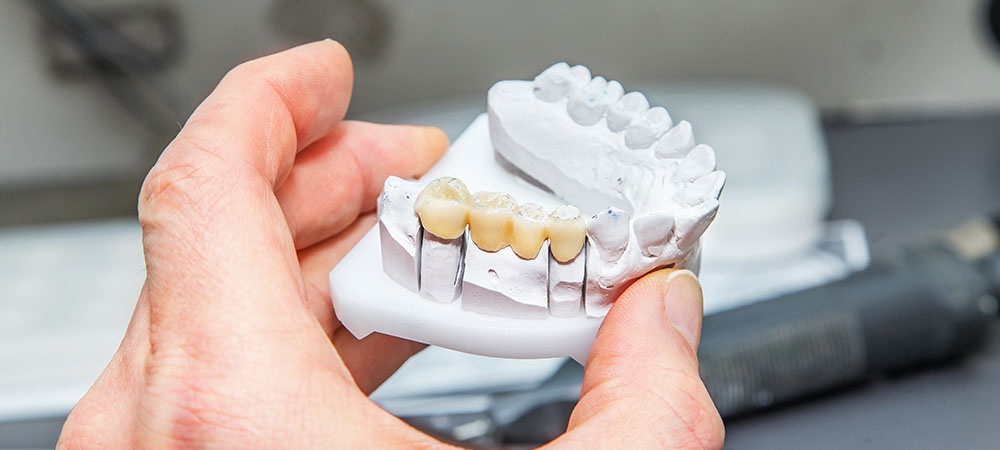
Bridges are a less expensive option than implants, although they are not as durable. Bridges involve placing an artificial tooth in the gap. The artificial tooth is held firmly in place by anchoring “wings” to adjacent healthy teeth. This procedure requires two or more visits to the dentist and can take up to two weeks for fabrication and installation.

The primary advantage of dental bridges is their cost-effectiveness; typically, a bridge ranges from $500 to $1,200 per unit. Bridges are also quicker and easier to install than implants, as they don’t require surgery or recovery time. Bridges also offer certain aesthetic advantages — they blend in with your other natural teeth and can improve your smile.

However, bridges have some drawbacks compared to implants – namely, they wear down over time and need regular replacement. This adds to the overall cost of treatment.

Additionally, bridges can cause additional dental problems if they’re not properly taken care of and may damage adjacent teeth. Over time, the anchoring wings may loosen or decay, requiring replacement or re-cementation.

Related Article: Dental Fillings: Types, Materials, and Costs

bridges

Dental Implants vs Bridges: Which is best for you?

When considering a tooth replacement option, it’s essential to assess your individual needs and preferences. Factors such as oral health, budget, lifestyle, and aesthetics should inform your decision.

Dental implants may be the best option for those with good oral health due to their longevity and durability. Implants also provide optimal aesthetics and functionality, making them the preferred choice for those looking to restore their smile.

For those with a limited budget, bridges may be more suitable as they’re less expensive than implants. Bridges can offer good aesthetics and stability, but will require replacement or re-cementation if not taken care of properly.

Ultimately, the decision of which option to choose should be based on individual factors and discussed with a qualified dental practitioner. Identifying which type of tooth replacement is best for your situation will ensure satisfactory results.  By researching and speaking to your dentist, you can make an informed decision that meets your needs and budget.

Tips on Finding a Qualified Professional to Perform the Procedure

When deciding on a tooth replacement option, finding a qualified dentist or specialist who can provide the treatment with care and skill is the first step.

Here are some tips for finding the right professional for your tooth replacement needs:

  • Ask friends, family, and colleagues for recommendations
  • Check out online reviews from previous patients
  • Make sure the practitioner has experience performing the procedure you are considering
  • Research the dentist’s credentials to ensure they have been certified by a reputable organization
  • Ask questions to get a better understanding of their policy and procedures
  • Make sure the practice is clean, hygienic, and well-maintained

Finding a qualified practitioner is an essential part of the tooth replacement process and can make all the difference in achieving successful results. Doing your research will ensure you receive the best possible service, care, and outcome for your needs.  By finding a qualified professional with experience performing the procedure you are considering, you can be confident you’ll get the best care possible.

Steps to Ensure the Best Tooth Replacement Results

Once you have chosen a tooth replacement option, there are steps you can take to ensure that you receive optimal results. Here are some tips:

  • Follow your dentist’s instructions for care and maintenance before, during, and after the procedure
  • Practice good dental hygiene by brushing twice daily and flossing regularly
  • Attend regular check-ups and cleanings with your dentist to ensure any potential issues are identified early on
  • Make sure to avoid habits such as smoking or biting down hard on objects, which can damage the replacement
  • If you experience any pain or discomfort after the procedure, contact your dentist immediately

By following these steps, you can ensure that your tooth replacement option will provide the best results possible. Good luck and take care of your smile!

Related Article: What Treatment Should I Get If My Tooth Needs a Filling?

tooth replacement

Final Thoughts

For those looking to restore their smile, dental implants are often the preferred choice due to their natural aesthetics and functionality. While they may be more expensive than other tooth replacement options, they provide long-term stability with minimal maintenance.

Dental bridges can also offer good aesthetics and functionality, but may require more maintenance than implants. The decision of which option to choose should be based on individual factors and discussedwith a qualified dental practitioner.

By researching your options, consulting with professionals, and talking to your dentist, you can make an informed decision that meets your needs and budget. Call 416-929-1900 to speak to a certified dental professional at Lockwood Clinic today.

Dental Fillings: Types, Materials, and Costs

dental fillings

There are many different types of dental fillings available today. And the material you choose will affect both the look and the function of your smile.

The cost of dental fillings can also vary significantly. Therefore, it’s important to consult with your dentist to determine which option is best for you.

Different Types of Materials for Dental Fillings

Dental fillings are a common dental procedure that can be used to repair minor tooth damage, such as cavities. Depending on the severity of the damage, there are different types of materials that can be used for dental filling.

Here’s a closer look at some of the most popular materials used for dental fillings:

Porcelain

Porcelain is a strong and durable material that can be matched closely to the colour of your natural teeth. It is also resistant to staining and wear, making it a good choice for people who grind their teeth or have other issues that might cause premature damage. However, porcelain fillings are often more expensive than other options.

Composite resin

Composite resin is another popular type of tooth-coloured filling. It is made from a mixture of glass or quartz particles and plastic, which gives it a natural appearance.

This type of dental filling is less expensive than porcelain and can be used on molars as well as front teeth. However, composite resin may not last as long as porcelain in areas where there is heavy biting pressure.

Amalgam

Amalgam (silver) fillings are made from a combination of metals including silver, mercury, tin, and copper. They are very strong and durable, making them ideal for use in molars or other areas where there is significant chewing pressure.

Amalgam fillings are also less expensive than tooth-coloured options like composite resin or porcelain. However, amalgam fillings are visible when you laugh or open your mouth wide – something to keep in mind if aesthetics are important to you.

amalgam

Gold

Gold fillings are made from pure gold alloyed with small amounts of other metals such as palladium or platinum. Gold has been used for centuries to restore teeth, and it remains one of the longest-lasting dental materials available today — often lasting 10-15 years before needing replacement (although this will vary depending on how much wear and tear your teeth experience over time).

Gold fillings tend to be more expensive than amalgam but offer excellent esthetics for patients who want a natural-looking smile.

Every patient’s needs are different, so talk to your dentist about which type of filling material would be best suited for you based on factors such as the location of the cavity, cost, durability, and aesthetics.

Related Article: What Treatment Should I Get If My Tooth Needs a Filling?

What are Dental Fillings Used for?

Dental fillings are often prescribed to restore the strength, integrity and aesthetic appeal of a damaged tooth. The fillings are tailored to match the natural colour of the tooth, providing a seamless replacement that is virtually invisible when talking or smiling.

When decay has been left untreated, it can cause pain and infections, making dental fillings essential for preserving the health of your teeth and mouth. Not only do these prevent further damage from decay that has already set in, but they also provide an extra layer of protection for teeth to help reduce the risk of other issues such as fractures.

Ultimately, regular visits with your dentist for necessary dental treatments like fillings will ensure long-term oral health.

The Cost of a Dental Filling

The price range of a dental filling in Canada depends on the type of material used and the severity of damage to the tooth.

Factors that can affect the price might include the:

  • The type and size of the filling
  • How many surfaces are treated?
  • How difficult it is to carry out the procedure
  • Whether or not it is covered by insurance.

Depending on these factors, a direct restoration typically costs anywhere from 50 to 250 Canadian dollars, while an indirect restoration could cost anywhere from 300 to 500 Canadian dollars.

Regardless of price, having dental fillings promptly done can help prevent more serious issues and keep your oral health in check. Speak to your dentist to discuss what type of filling and cost would be best for you.

the cost of a dental filling

Consult with a Dentist to Determine Which Type of Dental Filling is Best for You

When it comes to your oral health, consulting with a dentist is an essential part of the process. This professional can help you make an informed decision when you are considering which type of dental filling is best for you.

Your unique oral history, medical history and lifestyle choices will all be considered in order to determine which filling material will work best for your individual situation so that you can get the most out of your dental visit and protect your smile.

Taking advantage of the expertise a dentist has to offer ensures you receive easy-to-care-for dental fillings and lasting satisfaction with your results.

What Happens During a Filling Procedure?

The procedure for getting a dental filling typically consists of three steps: numbing, cleaning then filling.

  • First, the area surrounding the affected tooth will be numbed with a local anesthetic. This is designed to make the procedure as comfortable and pain-free as possible.
  • Once your tooth is numb, your dentist will use special dental tools to clean out any decay or debris in the damaged area and prepare it for the filling material. Depending on where the cavity is located, they may also use a dental sealant to further protect it from any further decay.
  • Finally, the filling material will be applied and shaped accordingly. It’s important that the material is carefully customized so it looks and feels natural when you smile or talk. Your dentist will then finish off with a polishing process so that your tooth has a nice, glossy sheen.

Once the procedure is complete, your tooth should be completely restored and ready to use as usual. Your dentist may also give you advice on how to take care of your teeth moving forward in order to prevent any future decay or damage.

What Happens After a Filling Procedure?

After a filling procedure, you should be able to eat and drink as usual. Your mouth may feel a little numb at first but this should wear off soon after the procedure is finished. You may experience some sensitivity in the area for a few weeks following your dental appointment, but this will usually subside on its own.

It’s important to practice good oral hygiene after a filling procedure. This means brushing twice daily, flossing at least once a day and using mouthwash to help reduce bacteria in your mouth. Your dentist may also recommend you use special products such as toothpaste or mouthwash designed for sensitive teeth.

If you are experiencing any discomfort or have any other concerns after getting a filling, contact your dentist for advice. Regular visits with your dentist for check-ups and necessary treatments will ensure good oral health in the long run.

Related Article: 3 Reasons Why (And When) You Should Get a Cavity Filled

after a filling procedure

Conclusion

Dental fillings are an important part of maintaining good oral health. In most cases, they can help restore the strength and integrity of a damaged tooth while preventing further decay and infection. Depending on the type of filling needed, prices can range anywhere from $50 to $500 CAD.

The procedure for getting a dental filling is relatively straightforward, consisting of numbing, cleaning then filling. After the procedure, you should be able to eat and drink as usual although some sensitivity may occur for a few weeks. It’s important to practice good oral hygiene after the filling to keep your teeth healthy for years to come.

If you think you may need a dental filling, contact our dental team at Lockwood Clinic to discuss what type and cost would be best for you. With proper care and maintenance, dental fillings can help preserve your oral health for a long time.

Finding a Walk-In Clinic in Toronto: A Guide to Convenient and Affordable Healthcare

walk-in clinic in toronto

Toronto is a big city with many different options for healthcare. Knowing where to go and how to get the care you need can be difficult, especially if you’re new to the city or have specific health needs.

A walk-in clinic is an excellent option for convenient and affordable healthcare. In this blog post, we’ll provide a guide on how to find a walk-in clinic in Toronto.

This blog cover what to look for in a clinic, services they offer, and how to make the most of your visit. Whether you’re looking for urgent care, primary care, or general information, this guide will help you find the right walk-in clinic for your needs.

Why You Might Need to Visit a Walk-in Clinic

Walk-in clinics provide medical services for those who need medical attention but can’t wait to make an appointment with a regular doctor. Typically, walk-in clinics are accessible seven days a week and can accommodate short-notice visits due to their convenient hours.

Walk-in clinics in Toronto also treat non-emergency issues, such as colds and flu, minor infections, or minor cuts that require stitches. Walk-in clinics can also offer vaccinations such as flu shots and travel health vaccines.

While many people view their regular physician as the go-to source of primary healthcare, visiting a walk-in clinic is an excellent option when an urgent care visit is necessary.

Related Article: How Do I Find a Good Family Doctor in Toronto?

What Services Do Walk-in Clinics Offer

Walk-in clinics offer patients conveniently delivered healthcare services for various everyday concerns. Designed to provide same-day care, walk-in clinics typically house board-certified providers who can assist with minor medical needs such as:

  • Colds
  • Flu
  • Allergies
  • Headaches
  • General medical examinations

You can also find walk-in clinics in Toronto that tend to more immediate needs like lacerations and eye irritations or sprains.

A standard walk-in clinic in Toronto is often equipped to perform tests like urine cultures, rapid mono tests, and strep tests on-site. This means you can expect swift results without extra visits.

In addition to these standard services, the knowledgeable staff at a walk-in clinic may be able to refer you to more specialized services when needed.

medical examinations

How to Find a Reputable Walk-in Clinic in Toronto?

If you’re looking for a walk-in clinic in Toronto, there are a few simple steps to make your search as quick and easy as possible.

Word of Mouth

To start the process, ask your friends and family for recommendations. Sometimes, word of mouth is the best way to ensure you’re choosing a quality establishment.

Online Research

A quick online search can help you find a walk-in clinic in the Greater Toronto Area. Simply type “walk-in clinic near me” into your search engine, and various clinics should appear in your city or within close range.

If the search engine doesn’t provide enough information, you can also try searching on credible websites such as Yellow Pages or Health 411 to find more different clinics.

Read Reviews

Read reviews from past patients to gain insight into the quality of services offered and ensure they align with your expectations before visiting. You may even find online ratings and comments on the clinic’s social media pages if you’d like to get more specific feedback from previous patients.

Call Ahead

Calling ahead and asking questions is another great way to narrow down your choices. You can inquire about wait times, whether the clinic requires appointments in advance, or other additional information not available online.

A pre-emptive phone call will also help you clarify information on payment options. For instance, some clinics provide financial aid for patients who cannot afford costly medical treatments.

Organize Priorities

Take some time to think about your specific needs and determine the type of care you require. Asking these questions might be of use:

  • Does the clinic offer particular services?
  • Does it accept insurance?
  • Does the clinic have bilingual staff?
  • Are walk-in hours convenient for your schedule?

Researching these factors ahead of time can save a lot of time and energy when looking for the right walk-in clinic. It will also help narrow your search for a clinic to meet those needs.

Check Working Hours and Location

This is another important talking point while finding a walk-in clinic that provides convenient, affordable healthcare. After all, the location and timing of their services are part of convenience.

Make sure to research the clinic’s hours of operation and location; many walk-in clinics offer extended hours or are open on weekends to better serve the community.

What to Expect When You Visit a Walk-in Clinic

Visiting a walk-in clinic can be a valuable healthcare option for individuals searching for convenient, cost-effective medical care. At the clinic, you should expect to receive an assessment of your health needs with quality care and attention within an efficient timeframe.

With friendly staff and experienced physicians on hand, you can receive exemptions or prescriptions as needed. As part of the visit experience, screening services may also be offered depending on your medical history.

If you want additional advice, specialists at the clinic can provide direction to manage ensuing treatments at home through nutrition and lifestyle choices. All in all, visiting a walk-in clinic guarantees sound medical advice and top-notch quality service.

Related Article: COVID-19 Vaccine and Booster Shots Walk-in Clinic

visit a walk-in clinic

Final Thoughts

If you’re looking for medical treatment and don’t have a family doctor, or if you need treatment outside of regular office hours, a walk-in clinic might be the right choice for you.

Be sure to research a reputable and affordable clinic in Toronto, and remember to bring any relevant medical information with you when you visit. With these tips in mind, you can make the most of your trip to the walk-in clinic and get the care and treatment you need.

Here at Lockwood Clinic, we are a one-stop healthcare destination for Toronto area residents of all ages. We provide onsite testing, including Nuclear Cardiology, an X-Ray Ultrasound Lab, and a Pharmacy and Physiotherapy Clinic.

Call 416-929-1900 today to book an appointment or walk into our clinic in downtown Toronto today.

What is it Called when a Tooth Needs a Root Canal Treatment?

tooth needs a root canal treatment

How often do you experience pain in your tooth when eating? Is a tooth extra sensitive to hot or cold substances? These signs and more are indicators that you may need a root canal treatment as quickly as possible.

Several factors can cause tooth decay. When you feel consistent pain due to ongoing tooth decay, your tooth needs a root canal treatment. And, ignoring the initial pain can worsen the decay.

What is a Root Canal Treatment?

A root canal is a procedure that removes a damaged and infected tooth from the gum and base of the jaw. A root canal treatment prevents infection from spreading to the other teeth.

A root canal process is mostly painless and takes a short time. The dentist will scoop out the faulty tooth and treat the exposed gum by clearing any bacterial residue. Depending on the damage to the tooth, the space might need a filling which can be added.

A root canal filling or crown will replace the damaged tooth and return your dentition to its usual amount. Furthermore, you should take more caution regarding what and how you eat. Tooth decay comes in many forms, so you want to be prepared.

Anatomy of the Tooth

The outer part of the tooth is the enamel. The white and hard external area protects the inner layers of your tooth. Next, we have the dentin layer, which forms the tooth’s structure.

Beneath the dentin layer is the pulp. The pulp contains the nerves and blood vessels. Hence, when the pulp is damaged, you feel the pain.

Finally, we have the cementum, which forms the tooth’s base. The cementum holds the tooth firmly in place with the gum. Severe tooth decay can fracture the cementum and loosen the tooth.

During a root canal treatment, the point of damage is located, and the rotten tooth is removed. This treatment also covers enamel reinforcement to prevent cavities. Once the enamel is protected, the rest of the tooth will be safe.

But, how can you know which dental symptoms warrant a root canal treatment? Let’s look at some causes of tooth decay that can lead to a root canal procedure.

Related Article: What are the Costs of Cavity Filling, and Why is it Important to Know?

anatomy of the tooth

Dental Symptoms that cause the Need for a Root Canal

Tooth decay is caused by bacteria in your mouth that eats away at your tooth, affecting your nerve endings. These nerve endings send a pain signal to your brain, which results in toothache.

Let’s look at some dental symptoms to look out for that indicate whether you need a root canal.

Hot and Cold Sensitivity

You may have tooth decay if you experience sharp pain when consuming either a hot drink or ice cream. There’s a possibility that a cavity on your enamel lets the substance touch your pulp.

A root canal treatment can solve this problem by removing the bad tooth. Once the damaged tooth is gone, the nerve endings can heal, and the pain will go away.

Swollen Gums

A swollen gum can signify that you need a root canal treatment as soon as possible. A swollen gum will push against your teeth and cause severe pain.

The gum can get swollen due to the build-up of waste products from a dead or decaying pulp. This waste is highly acidic and will eat away at the base of your tooth.

Furthermore, you may have a boil on your gum. This boil can secrete pus into your mouth, which can cause a terrible mouth odour.

A root canal treatment will cleanse the infected gum area and flush out the bacteria. Once the boil is dealt with, the pain in your jaw will cease.

Discolouration of the Tooth

Another symptom that can determine when to get a root canal treatment is tooth discolouration. Tooth discolouration can occur due to damage to the root of a tooth or an internal infection of the pulp. Either way, the discolouration can make your smile unappealing.

In addition, a tooth pulp can die within a functioning tooth due to low blood supply. Once the pulp dies, it starts to rot within the tooth and can change the visual appearance of the tooth.

We advise you seek a dentist once you notice an unusual discolouration. Early detection can limit the need for a root canal procedure.

A Fractured Tooth

An early root canal symptom due to a chipped tooth is consistent pain. The surface of the cracked tooth becomes exposed and can get infected.

Once an infection sets in, the pulp can swell due to the presence of bacteria. The swelling will lead to more pain, and you’ll need a root canal.

In most cases, the cracked tooth would need to be replaced with a root canal filling. The filling will compensate for the missing tooth and keep your mouth feeling good again.

Loose Tooth

A loose tooth can show an infection already in effect. Death of a nerve in the tooth can cause the tooth to loosen. During nerve death, bacteria consume the decaying pulp and secrete waste that eats at the tooth’s base.

This root canal symptom requires immediate attention to prevent the bacteria from spreading to another tooth. Thankfully, with a root canal procedure, the loose tooth will be removed, and the damaged base will be cleaned and restored.

loose tooth

Is a Root Canal Treatment Painful?

Root canal treatment is a virtually painless procedure. However, you may feel slight discomfort after the process for a few hours. Sometimes, you may need painkillers to numb the pain in your mouth.

However, compared to the excruciating pain you’ll have to endure from the toothache, the root canal treatment is worth it. You’ll stop the infection from spreading and end tooth pain.

Related Article: What Treatment Should I Get If My Tooth Needs a Filling?

In Short

A root canal treatment nips early tooth problems in the bud before they escalate. The procedure isn’t too long, and it’s mostly painless.

Ensure to look out for any of the symptoms mentioned above. Early detection will save your teeth from extreme damage.

Here at Lockwood Clinic, we offer walk-in dental services for patients with tooth pain and some form of tooth decay. Walk into our clinic today or call 416-929-1900 to book an appointment.

What are the Costs of Cavity Filling, and Why is it Important to Know?

costs of cavity filling

Dental fillings are necessary when a hole in your tooth can cause food and bacteria to get into the gum. These cavities may seem small, but they can lead to worse teeth problems in no time.

Generally, you’ll spend less than $1000 to fill a cavity anywhere in Ontario. Depending on some factors, you may not even spend up to $200.

Information about the cost of dental fillings will help you plan for it before the cavity causes a severe problem. That’s the motivation behind this guide to tooth filling costs and the factors that determine pricing.

Here’s what you need to know.

How Much Does Cavity Filling Cost?

The Canadian government is working tirelessly to reduce the spread of tooth decay, especially among children.

Recently, the government announced plans to ease families living below $90,000 with children’s dental care through Canada Dental Benefit. However, this doesn’t cover your costs as an adult.

Here’s what determines the price estimate for a cavity filing;

The Type of Dental Filling

The most influential factor affecting cavity filling costs is the type of filling you choose. The difference between all types of dental filling treatment is the material used.

Broadly, you can divide cavity fillings into two groups: tooth-colored and metal filling.

Metal Fillings

As the name suggests, metal fillings are made of metal materials. Generally, the two types of metal fillings are silver and gold fillings.

Also known as an amalgam filling, the silver filling is the most common in Canada. Without insurance, you will spend $150-400 dollars to get these fillings.

The price fluctuates based on the tooth location, dentist choice, and extent of the cavity. Silver fillings aren’t only the cheapest filling; they also last longer. These fillings are dark, so it’s better to use them for a non-visible tooth.

On the other hand, gold fillings convey luxury to whoever sees it. It’s the most expensive cavity filling, costing nothing less than $1000 per tooth. It’s not the ideal choice if you’re on a budget for a dental filling.

Unlike silver cavity fillings, gold fillings comprise real gold mixed with other metals. A gram of gold costs $76 in Canada. And a single dental filling can hold up to five grams of gold. By calculation, the filling still holds value.

Like silver dental fillings, a gold filling’s color differs from the rest of your teeth. So, you might want to use it for a non-visible tooth. However, some users prefer making it visible as a show of luxury.

metal fillings

Tooth-colored Dental Fillings

Tooth-colored dental fillings are ideal for visible teeth. These fillings look natural since they have the exact color of your teeth. The cost for this cavity filling depends on the material used for the process.

Three materials can take your teeth’s natural shape and color; ceramic, composite, and glass ionomer fillings.

  • Ceramic dental cavity fillings don’t stain but can cost as high as $1000. Also known as porcelain fillings, ceramic fillings can be weak if installed in small spaces. Therefore, most dentists will create more space to fill, which may increase the costs.
  • Composite fillings are cheaper than ceramic fillings. The cost for this cavity filling is less than $500. If you choose this dental filling, you may complete it under one appointment, saving consultation fees.
  • Glass ionomer tooth fillings aren’t very common but will also your teeth’s natural color. These tooth fillings cost a little less than $500. Using this filling on a tooth that does less chewing is best because it can be brittle.

Related Article: What Treatment Should I Get If My Tooth Needs a Filling?

Your Tooth’s Location

The tooth location will always affect your budget for a dental filling. If the tooth with a hole is visible, the dentist can treat it quickly.

However, if the tooth is beyond the dentist’s visual reach, they’ll need an X-ray. This challenge makes it more technical and time-consuming, increasing the overall costs of the treatment.

The Extent of the Cavity

We tend to manage and endure our oral health until we can’t bear the pain. Therefore, it’s rare to find someone with a small hole requiring a dental filling. However, if you fix it early, you’ll save on cavity-filling costs.

If you wait till the decay worsens, you may need other treatments like cleaning and a root canal before filling. These processes have their costs and will increase dental filling costs.

The Dentist Costs

You can’t get a perfect price estimate for cavity filling without considering the dentist’s cost. Most dentists already charge you before consulting and confirming there’s a cavity.

After the initial appointment, you must schedule another one for the tooth filling. Usually, this second appointment has a fixed price that increases the overall cost of your dental filling treatment.

Your Dental Insurance

If you have dental insurance, you may be saving more than half of the costs. The Canadian Government’s free public health care doesn’t cover oral health.

In most cases, Canadians get dental insurance from their employers. Most employers embed dental packages into general health insurance, so remember to check.

Dental insurance details usually differ, but in most cases, insurance covers 80% of essential treatments and 50% of complex issues.

Related Article: 3 Reasons Why (And When) You Should Get a Cavity Filled

dental insurance

Cavity Filling Treatment in Ontario

Understanding the cost of cavity fillings will help you prepare for the procedure. Tooth cavities will continually worsen. Therefore, get treatment the moment you notice one.

Lockwood Clinic’s dental office is run by dentists experienced in tooth-filling procedures and other issues. Our team will help fill your teeth and prevent further problems, all at competitive prices. Call us at 416-921-2121 today.

COIN303

KOIN303

COIN303

COIN303

COIN303

COIN303

COIN303

judi bola online

coin303

coin303

coin303

coin303

coin303

coin303

coin303

Situs KOIN303

agen slot coin303

Koin303

Slot COIN303

situs slot

slot online

LINK KOIN303

Bandar Togel

coin303

coin303

agen casino online

judi bola online

slot resmi

coin303

coin303

coin303

coin303

PG Soft

situs casino

situs judi bola

judi bola

coin303

coin303

situs slot mahjong

kaitan dengan mahjong ways

fakta mahjong ways yang luar biasa

begini peran mahjong ways

koin303

jadi sorotan detail mahjong ways

coin303

coin303

coin303

mix parlay

https://www.bastiansecurity.co.id/monitoring/

Situs APK Slot

Tren Baru Hiburan Digital Game Online Mahjong Ways 2 yang Kian Populer

Dari Hobi Bermain Mahjong Ways Jadi Peluang Menguntungkan Menarik di Era Digital

Mengapa Game Viral Mahjong Ways 2 Semakin Diminati? Ini Faktor Pendorongnya

Evolusi Viralnya Mahjong Ways: Memberikan Inovasi Fitur dan Tantangan yang Makin Seru

Dampak Positif Perkembangan Game Viral Mahjong Ways terhadap Industri Hiburan Online

Strategi Developer dalam Mengembangkan Game Viral Mahjong Ways yang Digemari Pengguna

Game Viral Mahjong Ways 2026: Prediksi Tren dan Teknologi yang Akan Mendominasi

Dari Media Sosial ke Aplikasi, Begini Perjalanan Game Viral Mahjong Ways 2

Peran Komunitas Digital dalam Mendorong Popularitas Game Viral Mahjong Ways 2

Game Viral Mahjong Ways 2 dan Generasi Muda: Tren, Peluang, dan Tantangan Baru

agen bola

agen slot

coin303

coin303

coin303

COIN303

coin303

coin303

coin303