

When you decide to register with a new family doctor in Toronto, having the right paperwork on hand will save time and prevent delays. Gathering these documents before your first visit helps your physician’s office verify your eligibility, confirm your personal details and access your health history.
Whether you’re new to the city or simply changing providers, this guide explains exactly what you need. Read on to prepare for a smooth start with your new family doctor in Toronto.
Understanding the Importance of Proper Documentation
Providing accurate documents is the first step in establishing care with your new family doctor. Your clinic will use official identification to confirm your identity and residency.
Health coverage proof ensures you receive services under the Ontario Health Insurance Plan (OHIP). Medical records give your physician insight into your past conditions, treatments and medications.
By coming prepared, you make the administrative process efficient and free up more time for discussing your health concerns.
Related Article: What to Bring to a Walk-In-Clinic Visit?
Essential Identification Documents
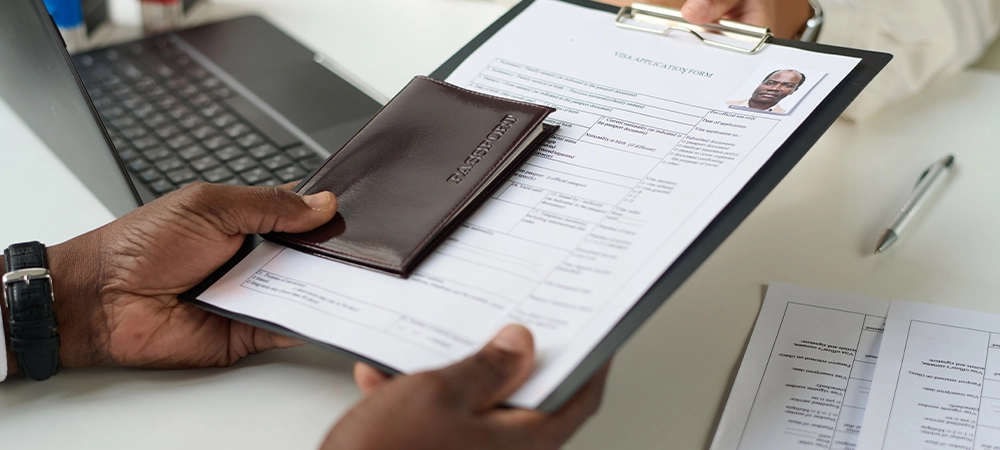
Before your appointment, prepare one primary and one secondary form of identification. These verify who you are and complement your health coverage.
- Primary Photo ID: A valid driver’s licence, Canadian passport or Canadian citizenship card.
- Secondary ID: Birth certificate, Ontario Photo Card or permanent resident card.
Always check that your documents have not expired. If you’re a newcomer, an immigration document (such as a study permit or work permit) may serve as a secondary ID.
Proof of Ontario Health Insurance Coverage
Your new family doctor’s office needs to confirm your OHIP status. Under OHIP, most primary care services are free. Bring one of the following:
- OHIP Card: The blue and white health card issued by the Ministry of Health (full version).
- Temporary Certificate of Insurance: If you’ve just applied for OHIP and are awaiting your card.
- Digital Health Card: The digital version of your OHIP card accessed through the Ontario Health app.
If you do not yet have OHIP coverage, you may be asked to pay out of pocket or complete a registration that begins once your coverage is active.
Proof of Residency in Toronto
Residency verification lets your clinic confirm you live within Ontario. It also ensures you see a doctor accepting patients in your area. Acceptable documents include:
- Utility Bill: A recent statement for electricity, water or gas that shows your Toronto address.
- Bank Statement: A statement dated within the last three months.
- Lease Agreement: A current, signed rental contract.
If you’ve just moved, a letter from a landlord or an official piece of mail addressed to you at your new Toronto home will suffice.
Related Article: Who Can Visit a Walk-In Clinic in Toronto?
Medical History and Health Records
Sharing your past medical history lets your new family doctor learn about chronic conditions, past surgeries and current medications. You can bring:
- Summary from Previous Doctor: A one-page note covering major diagnoses and treatments.
- Medication List: A typed or handwritten list of current prescriptions, dosages and pharmacy contact.
- Specialist Reports: Any recent letters from cardiologists, endocrinologists or mental health professionals.
If you have digital access, ask your previous clinic to send records electronically. This speeds up data entry and ensures nothing is overlooked.
Referral Letters and Specialist Reports
In Ontario, some specialists require a referral from a family doctor. If you already see a specialist for a condition, bring their most recent report. This may include:
- Referral Letter: The document your specialist sent to your previous family doctor.
- Diagnostic Reports: Copies of imaging results (X-rays, MRIs, ultrasounds).
- Test Results: Laboratory findings for blood work, biopsies or other investigations.
Your new doctor can review these materials to decide if you need further tests or adjustments to your treatment plan.
Immunization Records
Ensuring your vaccinations are up to date is an important part of primary care. Immunization records can come in paper form or digitally:
- Yellow Card: The standard immunization record for childhood vaccines.
- School Records: Documentation of immunizations submitted for the Toronto District School Board or Toronto Catholic District School Board.
- Travel Clinic Report: Proof of any recent adult vaccines, such as hepatitis A, hepatitis B or travel-related immunizations.
Having this information on hand helps your doctor recommend boosters or catch-up shots as needed.
Filling Out Registration Forms
Most clinics ask new patients to complete registration forms before or at the visit. These forms collect personal, medical and consent information. Typical forms include:
- Patient Registration Form: Captures your legal name, date of birth, address and emergency contact.
- Privacy and Consent Forms: Acknowledges your rights under Ontario’s Personal Health Information Protection Act (PHIPA).
- Medical History Questionnaire: Covers allergies, family history and lifestyle factors.
Many clinics let you download these documents from their website. Filling them out in advance reduces wait times on arrival.
Tips for a Smooth Registration Process
A few simple steps help ensure your visit goes smoothly:
- Call ahead to confirm what documents the clinic requires.
- Make photocopies or clear photos of all documents.
- Organize items in a folder or envelope for easy access.
- Verify your OHIP card is valid; renewal takes time.
- Update your immunization record before your appointment.
By checking these off your list, you free your doctor to focus on your health rather than paperwork.

What to Expect at Your First Appointment
Your first visit is about more than signing forms. Expect your doctor to:
- Review and photocopy your documents.
- Confirm your personal and insurance details.
- Discuss your medical history and any concerns you have.
- Perform a basic physical exam, including blood pressure and weight.
- Outline next steps, such as preventive screenings or specialist referrals.
This introductory visit establishes a baseline for your ongoing care. Plan for at least 30 minutes to complete all steps.
Related Article: Benefits of Toronto’s Walk-In Clinics: Fast, Flexible, and OHIP-Covered Care
How Lockwood Clinic Can Help
If you need to register quickly, Lockwood Clinic offers family practice registration alongside walk-in services in downtown Toronto. Our location accepts new patients who bring the documents listed above. You can:
- Download registration forms from our website.
- Fax or email copies of your health records in advance.
- Schedule an initial appointment to finalize the process.
Our goal is to make your transition to a new family doctor as efficient as possible.
Next Steps for Your Registration
Now that you know which documents to gather, take a moment to collect them and complete any downloadable forms. Keep everything in one folder so you’re ready on your first visit. Having your ID, OHIP card, proof of address and medical history on hand will let you focus on what matters most, your health.
If you’re ready to register, contact your chosen clinic today and take the first step toward comprehensive, continuous care.