
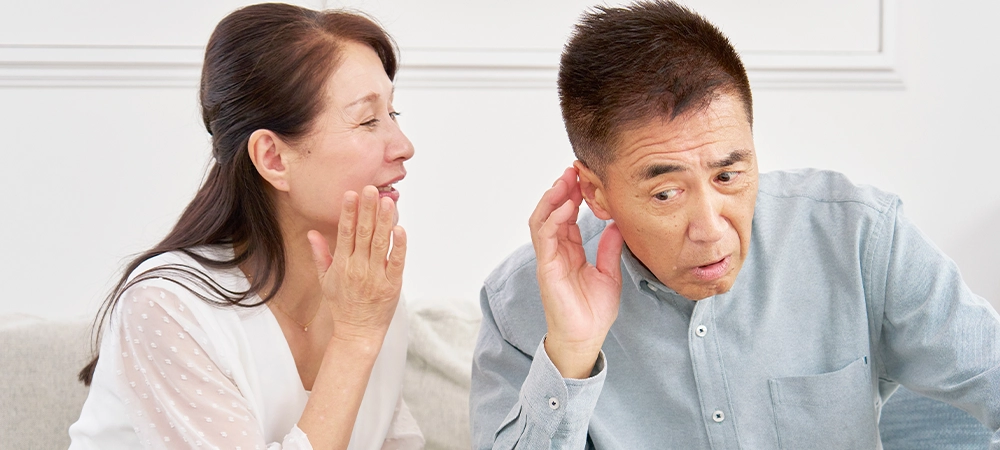
Hearing loss is rarely “all or nothing.” It usually begins with subtle signs (e.g. missing consonants, struggling in cafés, or mistaking song lyrics) before progressing to full conversations lost.
Because the change is gradual, the brain adapts, tricking us into thinking nothing is wrong. Early assessment interrupts that cycle, letting clinicians address reversible causes and slow permanent damage. Today’s advances, from digitally programmed hearing aids to implantable devices, mean restoration is both realistic and discreet.
This article breaks down the mechanics of hearing, outlines the most common causes of damage, flags early warning signs, and surveys proven as well as emerging treatments. By the end, you’ll know when and how to act so you or someone you care about can listen with confidence again.
Related Article: Is It Time for a Hearing Test? Signs You Shouldn’t Ignore
What Is Hearing Loss?
Not all hearing loss feels the same. In simple terms, it is a reduced ability to detect or understand sound, measured during a hearing test in decibels (dB). Clinicians classify loss by type and severity, helping tailor care.
- Conductive loss occurs when sound cannot reach the inner ear, often due to wax, fluid, or middle-ear bone issues.
- Sensorineural loss results from damage to the inner-ear hair cells or the auditory nerve. Ageing and noise exposure top the list of causes.
- Mixed loss combines both elements, complicating treatment.
- Auditory processing disorder (APD) affects how the brain interprets signals, even when hearing volumes seem “normal.”
Early distinction guides the right intervention.
Common Causes of Hearing Loss
Healthy ears rely on a delicate chain of structures, any of which can fail. Understanding triggers helps you minimize risk.
- Ageing (presbycusis) – Gradual inner-ear cell wear typically starts after age 60.
- Noise exposure – Workplace machinery, concerts, and earbuds at full volume can permanently damage hair cells.
- Ear infections and fluid buildup – Especially common in children, infections can create temporary or recurring conductive loss.
- Genetics – Some people inherit genes that speed up cell damage or malformation of ear structures.
- Ototoxic medications – Certain antibiotics, chemotherapy drugs, and high-dose aspirin can injure the inner ear.
- Head injury or sudden trauma – A blow to the skull may rupture the eardrum or harm the cochlea.
- Chronic illnesses – Diabetes, cardiovascular disease, and thyroid disorders reduce blood flow to the inner ear, accelerating decline.
Recognizing the Symptoms
Hearing loss rarely happens overnight. Watch for these clues and act quickly:
- You turn up the TV louder than friends or family prefer.
- Phone conversations feel muffled or require repetition.
- You struggle to follow speech in restaurants, malls, or group meetings.
- Children’s or women’s voices, usually higher-pitched, become harder to pick out.
- You experience ringing, buzzing, or roaring (tinnitus).
- Listening leaves you drained; concentrating on speech becomes tiring.
Children may appear inattentive, speak louder than their peers, or fall behind in school when undiagnosed.
How Hearing Loss Affects Daily Life
Beyond missed words, persistent loss can:
- Strain relationships. Frustration rises on both sides when conversations falter.
- Lower work performance. Misheard instructions or meeting details affect productivity.
- Elevate safety risks. Sirens, alarms, and approaching traffic may go unnoticed.
- Affect mental health. Untreated loss doubles the risk of social isolation, depression, and faster cognitive decline.
These impacts underline why prompt testing matters.
Diagnosis: Getting Your Hearing Tested
An audiologist performs a comprehensive assessment:
- Medical history and otoscopic exam – Checks for wax, infection, or injury.
- Pure-tone audiometry – You press a button when you hear tones at different frequencies. Results chart a hearing profile called an audiogram.
- Speech tests – Gauge how clearly you understand words at comfortable volumes.
- Immittance measures (tympanometry) – Evaluate eardrum movement and middle-ear function.
- Specialized tests – Otoacoustic emissions or auditory brainstem responses check inner-ear and nerve integrity, useful for newborns and infants.
The full appointment is painless and takes about 30 minutes. You leave with clear data and advice.
Treatment Options and Emerging Innovations
Matching therapy to cause and lifestyle is key.
Non-surgical Solutions
Hearing aids remain the cornerstone for mild-to-severe sensorineural loss. Today’s devices are discreet, rechargeable, and Bluetooth-enabled, streaming calls or TV directly to your ears. Over-the-counter models suit uncomplicated loss, while prescription sets offer precise, computerized tuning.
Assistive listening devices like TV streamers, captioning apps, and vibrating alarm clocks further boost clarity in specific situations. Aural rehabilitation sessions teach lip-reading strategies and listening exercises that retrain the brain.
Medical and Surgical Routes
- Wax removal or medication resolves many conductive issues on the spot.
- Pressure-equalizing tubes treat chronic middle-ear fluid, common in children.
- Stapedectomy replaces a stiff stapes bone in otosclerosis, restoring mobility.
- Cochlear implants bypass damaged hair cells, delivering sound straight to the auditory nerve for those with profound loss.
- Bone-anchored hearing systems transfer vibrations through bone for people with single-sided deafness or outer-ear malformation.
Next-Generation Therapies
Researchers are testing gene editing for inherited loss, hair-cell regeneration drugs that prompt the cochlea to regrow sensory cells, and optogenetic implants aiming at finer sound resolution. While still experimental, these advances hint at a future where many forms of deafness may become reversible.
Related Article: Services You Can Expect at a Walk-In Clinic in Toronto
Prevention and Ear-Health Tips
Protecting your hearing is simpler than treating damage later.
- Monitor volume. Keep personal audio devices below 60 percent and limit sessions to 60 minutes at a time.
- Wear protection. Foam or custom moulded earplugs cut industrial noise by up to 30 dB without muffling speech.
- Treat infections promptly. See a doctor if ear pain, fluid, or fever persists.
- Manage chronic disease. Controlling blood sugar and blood pressure supports inner-ear circulation.
- Schedule regular tests. Adults over 50 or anyone with risk factors should book a baseline assessment every two years.
A simple lifestyle shift today can preserve decades of good hearing.

When to Seek Help: Red Flags
If you notice any of these signs, arrange an audiology appointment within weeks, not months:
- Sudden hearing decline in one or both ears.
- Persistent tinnitus lasting longer than a day.
- Ear pain, fullness, or discharge.
- Trouble following speech even in quiet rooms.
- Family members express concern about your hearing or safety.
Most insurance plans, including OHIP, cover diagnostic tests when ordered by a physician.
Related Article: Benefits of Toronto’s Walk-In Clinics: Fast, Flexible, and OHIP-Covered Care
Why Choose Lockwood Clinic for Audiology Care
Located in downtown Toronto, Bay College Medical & Lockwood Diagnostic Clinic offers walk-in audiology assessments, modern hearing-aid fittings, and on-site calibration labs.
Our interdisciplinary team (family doctors, ear-nose-throat specialists, and pharmacists) works under one roof, streamlining your path from test to treatment. Evening and Saturday hours mean you never wait long to hear clearly again.
Taking Charge of Your Hearing Future
Sound connects you to laughter, learning, and life’s quiet moments. Whether you want to tune out the office hum or catch every whispered bedtime story, proactive care makes the difference.
Ready to listen with confidence?
Book a comprehensive hearing evaluation at Lockwood Clinic today, your friendly neighbourhood walk-in clinic in Ontario, and step back into a world of richer, safer sound.