What is the Cost of Getting Dental Fillings in Toronto

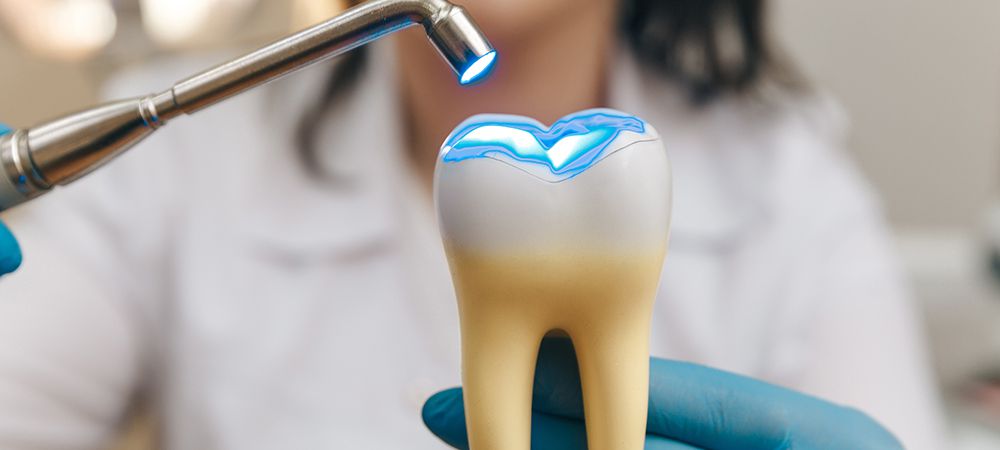
what is the cost of getting dental fillings in toronto

Dental fillings are a common procedure that will help to save damaged teeth. Most often made of porcelain, silver amalgam, gold or composite resin, fillings work to repair damage caused by decay or trauma to a tooth.  However, though the procedure is common, you may still have concerns about the process and the cost. Fortunately, fillings are among the more affordable dental procedures and most are at least partially covered by insurance. Even more importantly, a filling can save your tooth and help you avoid more costly and more painful procedures if your tooth is left untreated.

Here we will look at the cost of getting dental fillings in Toronto including factors that affect cost and the advantages of dental fillings.

Range of Dental Filling Costs

Silver amalgam fillings are the most affordable of the dental fillings and can be as little as CAD75 when combined with dental insurance. Without insurance, you can expect to pay around CAD150 but up to CAD375 depending on several factors. Resin fillings are also very common and have the added benefit of being able to be matched to your natural tooth color. These are slightly more expensive with a range of around CAD200 to CAD450. Gold fillings are more often used for larger cavities, crowns and partial tooth replacement. As such, they will typically be the most expensive option.

What Affects the Cost of Dental Fillings?
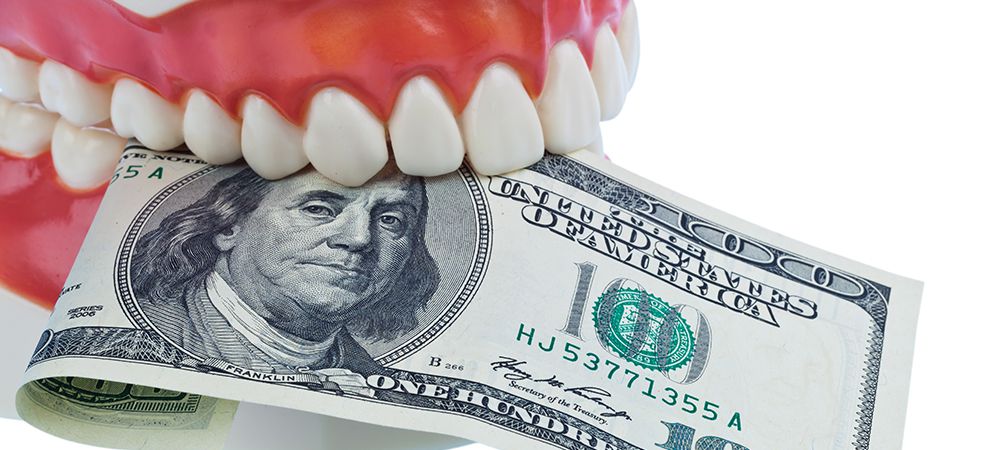
what affects the cost of dental fillings

In addition to the costs associated with dental filling materials, these other factors will also affect the final price:

Location of Filling: Typically, teeth nearer the back of your mouth will be more expensive. These teeth are more difficult to operate on because of their location and, therefore, require more time and often more materials as the teeth are larger as well.

Insurance: Dental insurance in Canada very often will cover at least half of a filling’s cost. There are exceptions and additional costs may be incurred for sedation or other services. If you have insurance, it is best to check with your provider before proceeding as you may also have a deductible to consider. In some instances, your dentist may be able to offer you a discounted rate if you pay out of pocket.

Type of Filling: When thinking of dental fillings, most patients associate this with the simplest form of a filling where a small decayed portion of a tooth is removed and a filling material is placed. However, a filling can also include crowns, root canals and dental bridges. Each of these are more involved procedures that can require additional costs.

Sedation and Other Costs Associated with Dental Fillings

For small fillings, your dentist is likely to administer a local anesthetic which is a numbing agent applied or injected into the tooth receiving the filling. This is typically covered by your insurance or included in the total cost of the filling.

However, if you require oral surgery or have multiple fillings to be done at one time, you may require sedation which is often not covered by insurance.  These sedation types include:

Nitrous: The most common form of this will be nitrous oxide (aka laughing gas) and is a relatively inexpensive and mild form of sedation. You can expect to pay as little as CAD35 or up to around CAD100.

Orally Administered Sedation: Oral sedation comes in the form of sedative drugs that you will take prior to the procedure. These can range from CAD150 up to CAD475.

General Anesthesia and IV Sedation: While these forms of sedation are used for dental procedures, they are very unlikely for any kind of filling. General anesthesia is typically only used for complex oral surgery and will need to be performed in a hospital setting. If you are in a rare position where you need these types of sedation for dental procedures, their cost will range from around CAD500 to CAD800.

Other Factors: Which Filling Material Type is Right for You?

Aesthetics: While cost is certainly a factor in deciding which filling type to get, there are other issues to consider. For many patients the decision is often between silver amalgam and composite resin. While silver amalgam is typically the cheapest option and one of the longest lasting, it is not as aesthetically pleasing. Composite resin, in contrast, can be matched precisely to your natural tooth color.

Longevity and Long Term Effects: Also, while silver fillings may last for 10 years or more compared to five years for composite, they may promote additional decay to your tooth. Since silver expands and contracts with temperature changes, this can cause temporary spaces to open in the teeth. Bacteria can get trapped in these spaces and cause cracking and decay. Resin is not affected by temperature this way.

other factors

Process: For all fillings, some portion of your tooth will need to be drilled away to both remove any decay and to make room for the filling. However, much less needs to be removed for a resin filling since this material will bond to your tooth. Silver, in contrast, will not bond and will require more of your tooth to be drilled away. Removing more of the healthy tooth can compromise its structural integrity.

Location: Your dentist will be able to tell you which option makes the most sense based on the location of your filling and your budget. Fillings located in the back of the mouth are often better candidates for a silver filling because they will not affect the appearance of your smile and are more durable.

Conclusion

Dental fillings are a common and important part of your oral care. For the majority of cases, this is a simple procedure with little pain and a lower price tag compared to more invasive dental procedures. If you are concerned about the cost of a filling, talk with your dentist about payment plans and other cost-effective options. The earlier a damaged tooth is corrected, the lower your cost will be and your dentist will be able to guide you to the best solutions.

For additional information on filling costs and your options, contact BCML at 416-929-1900. We are here to help care for your total health.

When to Go to the Emergency Room Vs Walk-in Clinic?

when to go to the emergency room

Some situations are unquestionably emergency scenarios that will require a hospital visit. Severe injuries from car accidents and other sudden trauma are a prime example. However, other medical concerns may be better treated at a walk-in clinic, urgent care or by making an appointment with your primary care physician.

Here we will look at some guidelines for when you should go to the emergency room or seek other medical care.

What is the Difference Between a Walk-In Clinic, Urgent Care and ER?

Technically speaking, all three of these medical facilities can provide “walk-in” care, meaning care provided without requiring an appointment. An emergency room is contained within a hospital and will have the most extensive medical equipment, medical staff and capabilities. It will also likely have the longest wait times. Due to this, the ER should be reserved for serious and life-threatening emergency situations to not increase these wait times.

Walk-in Clinics and Urgent Care can sometimes be used interchangeably and both may provide similar services. However, walk-in clinics located inside of a retail pharmacy will typically have less robust medical offerings compared to an independent urgent care facility. These retail clinics will typically be staffed by a physician’s assistant or nurse and offer services such as flu shots, treatment for strep throat, minor cuts and some basic health screenings.

A full urgent care facility will have physicians on staff and provide everything a walk-in clinic provides along with blood tests, x-rays, and some cardiology services. Urgent care may also be able to care for broken bones, but this may require an ER trip in other cases.

When Should You Definitely Go to the ER?

when should you definitely go to the ER

The simplest answer to this is that if you feel like you are in an emergency situation, you should head to the ER to exercise the most extreme caution. Alternately, you can call 911 to describe your symptoms or situation and be advised on the best course of action.  That being said, the following situations should be considered for immediate ER visits:

  • Persistent and severe chest pain
  • Symptoms of a stroke, including difficulty speaking, confusion, sudden weakness in an arm, leg or your face.
  • Difficulty breathing
  • Major trauma (I.E. significant injury from a car accident, a fall, or other similar sudden incident)
  • Head injuries
  • Vomiting blood
  • Drug overdose
  • Severe burns
  • Seizures

When Should I Go to Urgent Care?

Urgent Care facilities offer a wide range of medical testing and treatment. While they should not be used for the emergency situations described above, they are the best option for the following:

  • Signs of common illnesses such as cold, flu and strep throat. However, in severe flu cases especially in the very young or the elderly, an ER visit may be required. A high and sustained fever is one such instance.
  • Urinary tract infections
  • Diarrhea (unless you are also showing signs of dehydration, in which case you may still need to go to the ER).
  • Ear and sinus infections
  • Fever
  • Sore throat
  • Minor cuts and burns that you are unable to treat at home but are not life-threatening.
  • Pink eye
  • Sprains – a sprained wrist, ankle, knee etc. may be able to be treated at an urgent care. Some simple bone breaks may also be treated at a clinic.

Call Your Primary Care Physician When Possible

If you are unsure if you need emergency medical attention, your primary care physician is often the best person to contact. Your regular doctor will already have your medical history on file and know your medications. They are the best person to tell you when and where you should seek medical attention.

Should I Call an Ambulance?

In life-threatening situations you should contact 911 in order to have an ambulance dispatched. However, it is important to note that this may not result in faster care. Though the emergency vehicle will have certain equipment on board that may help in some situations, there is no guarantee you will be seen by a doctor more quickly once you arrive at the ER.

Additionally, you will be billed $45 for your ambulance ride which is your portion of the ambulance cost if you have the Ontario Health Insurance Plan (OHIP).  In some cases, you may be charged the full amount of $240 if it is found that you were not in a life-threatening situation. This cost alone should not be a deterrent to seeking the care you need, but it is worth considering if you have another transportation option.

should i call an ambulance

What to Bring With You to the ER or Urgent Care

While preparing for an ER visit may not be an option in many cases, if possible, consider taking these measures before heading to the ER. These measures can also apply to a walk-in clinic visit.

Bring an Advocate: When you arrive at the ER, there will be paperwork and likely a wait time. Along with providing moral support during this process, a friend, spouse or relative can help speak for you if you are not able to.

Have a List of Medications: If you are on any kind of prescription medications, it is important for the ER team to know what those are. Some prescription drugs can have negative interactions with other medications you may be given at the hospital. Similarly, if you have taken any over the counter medications or supplements, this may also be relevant to your treatment so have this information available as well.

Know Your Allergies: On your list of medications, also include your known allergies.

Other Relevant Medical History: If you have any other known medical conditions, this information should be included on your medication list along with your primary care doctor’s name. Depending on your reason for going to the ER, you may also want to write down relevant information to your current ailment.

For example, if you have a sudden and severe allergic reaction, include a list of items you ate or came into contact with that could be the most likely culprits. While it is not absolutely necessary to write this all down, it may save you from having to repeat yourself and help you avoid leaving out important information during the stress of an emergency situation.

Conclusion

If you find yourself in medical distress of any kind, take comfort in knowing there are multiple options for your care. Many injuries and conditions do not require a stressful trip to the ER which is likely to include a significant wait time.

Instead, many medical treatments and diagnostics are available at conveniently located walk-in clinics like BCML Walk-In Clinic. We provide blood tests, cardiology services, eye care and treatment for many other common medical concerns. To reach our caring physicians, contact us at 416-929-1900.

7 All-Important Questions to Ask Your Physiotherapist

all-important questions to ask your physiotherapist

Not sure what questions to ask your physiotherapist? If so, you are not alone. Physiotherapy, also known as physical therapy, is an important part of recovering from accidents, injury and certain medical conditions. However, no matter how beneficial physical therapy is, it can be intimidating the first time you visit. Or, you may have already started your therapy but feel as though you are not getting the results you need.

To ensure you are getting the best care and feel comfortable with the therapy you are receiving, these are the questions to ask your physical therapist.

What Can I do to Improve My Results?

Depending on what you are being treated for, your physical therapist may have several suggestions for what you can do outside of the clinic. For example, your therapist may suggest daily stretches or purchasing an ergonomic office chair. Your therapist should offer these suggestions automatically, but asking ensures you receive as much information as possible and shows that you are actively participating in your own therapy.

Many patients sometimes underestimate the importance of their personal role in their own recovery. Following your therapist’s suggestions for things you can do outside the clinic will help to maximize results, help you progress more quickly, and give you control over your own health.

What Results Can I expect?

what results can i expect

Your therapist should be able to provide you with information on what your therapy path is intended to accomplish. For example, they should be able to tell you if pain reduction is possible, if your range of motion should increase, or if there are other benchmarks of progress.

While it is important to note that all injuries and patients may respond to therapy differently, knowing the potential results and goals can help you determine if the therapy is working for you. This also helps to keep your expectations realistic. Though it might be discouraging to find out that you may need therapy for several months, it can help you mentally prepare for what is ahead.

What is Causing My Pain/What Can I Do to Prevent this from Happening Again?

Sometimes the cause of pain is obvious, such as when you have had a specific accident. However, patients also require physical therapy for pain caused by repetitive movement and other regular use. For example, many people develop back pain due to uncomfortable office chairs or beds. For pain resulting from issues like this, your therapist can often provide suggestions for preventing the pain from returning or worsening. Simple changes like sleeping with a pillow between your knees or doing daily stretches can make a great difference in your long term health.

Have You Treated My Type of Injury Before?

It may feel uncomfortable asking a medical professional this question, but it is well within your rights as a patient. Moreover, therapists should be happy to provide this information. It shows your active interest in your own care and will give you confidence in their abilities. Though a therapist who has not treated your exact injury type before can still be a good match, it is often best to work with a therapist who has first hand knowledge of how similar patients respond and progress with treatment.

What Can I Expect During My Therapy Sessions?

Physical therapy can take several forms including hot and cold compresses, light exercises, stretching, and massage. Often, several therapies will be used to support each other. You may also start with certain exercises then rotate with other types. The number of repetitions you may do for a certain exercise may also increase as your pain or range of movement improves.

For many patients, knowing what sessions will entail, helps to manage expectations. At this point, your therapist should also tell you what clothes to wear for your appointments. Typically, athletic wear with comfortable shoes will be recommended. Your therapist may also tell you to bring a bathing suit if you will have any kind of water therapy.

what can i expect during my therapy sessions

Will You be My Therapist for Every Session?

Though you may require multiple therapists or occasionally have a substitute therapist when your primary is not available, it is typically best to have the same therapist consistently. Maintaining a dedicated therapist will reduce missed or redundant activities. Introducing a rotating list of therapists and therapist assistants often leads to inconsistent care and slower progress.

If you will have multiple therapists, ask your primary therapist what procedures are in place to ensure you are getting the therapy you need each time. Will each therapist take detailed notes that will be available to the next therapist? This information will empower you to know if your therapy is being administered correctly.

Are You Registered and Insured?

This information can also feel uncomfortable to ask but, again, a professional therapist should welcome these questions and be able to provide proof. Fortunately, the internet can be a good source for this information. Before asking your therapist directly, consider searching them online first for both reviews and certifications.

Conclusion

Finding the right therapist for your needs is an important part of your recovery. Ideally, you should have a therapist who is licensed, insured and has experience with your injury type. Additionally, you should have a primary therapist as opposed to rotating therapists and therapist aids. Ask questions about how long your therapy should take, what results you can expect and what you can do to maximize your results.

A professional therapist should be able to answer these questions and help you feel comfortable asking them. At BCML, we work with our patients to provide personalized physical therapy treatment that will work to achieve results while also working with your schedule and individual needs.

We welcome questions from new and existing patients. Contact our team of caring professionals by calling 416-929-1900.

Is the Cost of Physiotherapy Services Worth it?

Physiotherapy Services

Physiotherapy, or physical therapy, uses the natural way our joints and muscles move in order to improve mobility and manage pain. It is often used to help relieve joint aches, restore movement after an injury or improve conditions affecting mobility. It is noninvasive, does not require drugs and has virtually no risks.

In short, yes, physiotherapy services are worth it. In many instances, physiotherapy can also be used to enhance the benefits of medications and improve recovery times after surgery. Therefore, even if physical therapy does not eliminate your pain or condition, it can help support improved quality of life.

Here we will look at the benefits of physiotherapy, its potential costs and how you can afford physical therapy with and without insurance.

Why is Physiotherapy Worth the Cost?

Physiotherapy has a high potential upside with a minimal potential for a downside. Here are some of the potential uses and benefits of physical therapy treatments.

Eliminate need for surgery: For certain injuries such as muscle strains or pain caused from repetitive movement, physiotherapy can help to improve range of movement while also reducing discomfort. While surgery is still needed for certain injury types, physiotherapy can help many patients avoid the need for invasive measures.

Aid post-surgery recovery: If you require surgery for your knees, back or other joints, that does not mean physical therapy is without benefit. Studies have shown that patients who are in better shape prior to surgery often make a faster recovery.

Building up strength and improving range of motion prior to surgery can give you achieve the best results overall. Similarly, physical therapy is often prescribed after surgery to enhance the benefits of surgery. This will depend on your individual injury or condition but physical therapy is often a part of successful surgery recovery.

Pain reduction: Aches and soreness in your back, neck or joints can have many common causes such as repetitive movement, small tears in the muscles and a lack of physical activity or improperly done physical activity.

With physiotherapy services, you can use precise movements and exercises to help stretch and strengthen these areas which can greatly relieve pain. With consistent, targeted therapy, many patients can even eliminate or reduce their need for pain medication.

Improved mobility at any age: Stiff, aching joints can rapidly impair your range of motion at any age. While age, weight gain and certain conditions can increase mobility issues, physical therapy often provides a way for patients to improve their range of motion and quality of life no matter their previous physical condition.

Reduced need for pain medication: Pain medication is an important tool that can help many patients improve their quality of life. However, its potential side effects make it desirable to seek alternative treatments when possible. Physiotherapy is often able to provide

long-lasting pain relief without medication.

Alternative treatment option: Since physiotherapy does not require surgery or medication, this can be an ideal alternative for patients who are not physically well enough for surgery or who cannot safely take pain medication. In particular, patients who have had prior addiction issues and those who may have compromised kidneys or liver, can benefit from this drug-free alternative.

Improvement of other conditions: While back and joint pain tend to be the most common issues treated with physical therapy, they are far from the only problems that can be improved with these practices. Many heart and lung conditions can be improved with physical therapy and activity.

Physiotherapy is often employed to help patients regain strength after a stroke or heart surgery, and to manage the effects of diabetes which affects the nerve endings.

Related Article: Meditation, Mindfulness and Mental Health

Is Physiotherapy Right for Me? 

Patients can sometimes feel that their pain is beyond the scope of physical therapy. If you have lived with chronic pain for an extended period of time, it can seem that medication and surgery are the only answers. While it may be true that you will still need more aggressive or invasive treatments, physical therapy can help most situations.

More importantly, it is highly unlikely that physical therapy will have adverse effects. Unlike surgery which can have multiple complications, physiotherapy is noninvasive which means even if you have temporary discomfort from therapy, there is very low risk that the effect will be permanent.

Additionally, the benefits of physical therapy can also begin to be felt in the first session. Most patients first begin to feel some pain relief followed by improved range of movement as treatment progresses. In short, while physical therapy may not be the only treatment you need, it carries a low enough risk that it is worth trying.

Is Physiotherapy Covered by OHIP (Ontario Health Insurance Plan)?

OHIP covers physiotherapy in limited circumstances. While not a universal coverage option for all physiotherapy needs, there are many patients who can qualify. In order to qualify for coverage from OHIP you must meet one or more of the following requirements.

  • You are under 19 or over 65
  • You are on ODSP (Ontario Disability Support Program)
  • You are on Ontario Works
  • You are a refugees who is on ODSP or Ontario Works
  • You have spent one or more nights in the hospital within the past year*

*If you do not meet any of the other requirements, your doctor may recommend a hospital stay to do all or part of your physical therapy. This will be at the discretion of your doctor and based on your needs.

What if You Do Not Meet OHIP Requirements?

Those who are not covered by OHIP may still be helped by private insurance through an employer, university or any other purchased supplemental plan. With private insurance, the amount covered will vary and you should consult with your insurance provider before beginning therapy to avoid billing complications later.

Affording Physiotherapy Without Insurance

For those without private insurance or who do not qualify for OHIP coverage, your primary doctor and/or physiotherapist may offer a discounted rate. Before deciding that physiotherapy is too expensive, talk with your provider first. Many doctors understand the benefits of physiotherapy and will work with you to ensure you can get the help you need at a price you can afford.

Related Article: How Much Should I Pay for Physiotherapy Sessions in Toronto?

Schedule Your Physiotherapy Consultation Today

Whether you already have a prescription for physical therapy or you are still in need of a diagnosis, BCML is here to help. Our physiotherapist services work to help you regain mobility and strength.

We offer flexible scheduling and cost effective solutions to ensure you receive the care you need. For physiotherapy appointments and referrals, contact us at 416-847-1100.

Cost of Hearing Aids in Toronto

hearing aids

The factors that affect the cost of getting hearing aids are numerous. Like any other health problem, the severity of the hearing problem will influence the cost of the solution. For example, the hearing aid pricing for a patient whose ear has blockage will differ from that of someone who is partially deaf. So, when you visit a professional, you can expect to get different prices for hearing aids.

Another factor that affects hearing aid prices is its features. On a search for hearing aids, you’ll likely come across several options. Typically, these options are a function of the features and efficiency of the hearing aid. Thanks to the innovative world we now live in, hearing aids now have tech properties that can affect their prices.

For example, the same way you’ll find an automated hearing aid is the same way you’ll find a manual one. However, these features will have a direct effect on the prices. But, with the help of this technology, hearing aids help millions globally with hearing problems. This ranges from the person who just needs to hear clearly to the person who can’t hear.

So, when you notice a hearing challenge, you do not need to fret. All you need is to confirm the hearing issue and look for viable solutions. In this guide, we’ll discuss the average pricing range for hearing aids. For your benefits, we’ll also explain some factors that influence the cost of getting hearing aids.

What is the Cost of Getting Hearing Aids in Toronto?

Averagely, the cost of getting hearing aids in Toronto ranges between $1000 and $4000. This price heavily depends on the features and functions of the device. You may see some hearing aids with technologies like sound cancellation and wireless connections. This type of feature will increase the price.

A fairly recent CBC article discussed actual pricing for hearing aids. The report reveals that the actual manufacturing price of a hearing aid ranges between $150 and $200. The manufacturers then sell these aids to ear care professionals at a range of $450 and $700. However, most health care professionals then sell these at price ranges between  $1000 and $4000.

The question you may want to ask is why hearing aids are that expensive, even with the manufacturing costs. However, the ear care professionals go beyond just the device you see. The professional also performs some tests and services on the device. Some of these services include testing, adjustments, and fittings.

When you want to buy hearing aids, there are many factors you must consider. These features and specifications will influence the prices of the hearing aids. Some of these factors include:

The number of hearing aids needed

When you decide to get hearing aids, it’s always better to visit a professional. The first reason for this is to confirm you have a hearing problem.

Another important reason for this step is to confirm the affected ears. That way, you’ll be making more informed decisions. Some of the tests your doctor will walk you through include;

  • The physical observation
  • Phone application test
  • Screening tests
  • Professional audiometer test

An expert audiologist may reveal that both your ears have a hearing problem. In this situation, the professional will most likely advise you to purchase dual hearing aids. Of course, buying two hearing aids will increase the cost of getting hearing aids. But it’ll fulfil its purpose without stressing you in any way. In many cases, your ear care pro can use their influence to reduce these prices.

Type of hearing loss

After you confirm which ear the hearing problem affects, you need to understand that problem. There are different types of hearing loss — each with its respective causes.

And you can’t just go ahead to buy hearing aids without knowing what problem it’s solving. That’s why you need to visit your hearing expert. The types of hearing loss you may encounter include;

  • Conductive hearing loss: This type of hearing loss occurs when a substance or object blocks your hearing path. To solve this type of hearing issues, you need not bother about how much to install hearing aids. Mostly, you can solve these issues without hearing aids in most cases. The common causes of this heating defect are:
  • Ear wax
  • Regular objects
  • Ear infections
  • Inner ear scars
  • Ear bone issues.

To treat this you may not need any complex items or drugs. A mini surgery will suffice if there’s an object in the ear. And in the case of infections, good antibiotics will work perfectly.

  • Sensorineural hearing loss: In most cases, this type of hearing loss comes with inner ear problems. Sometimes, it may be as a result of a loss of sound transmission to the brain. In most cases, you’ll need to get hearing aids to fix this issue. Some causes of sensorineural hearing loss include:
  • Diabetes, stroke, obesity, and other health conditions.
  • Old age
  • Genetics
  • Accidents
  • Smoking
  • Infections

To solve these types of hearing problems, you may need complex treatment methods. As a result, the hearing aid prices will differ.

  • Mixed hearing problems: As the name rightly implies, a mixed hearing loss occurs when the hearing loss combines both sensory and conductive hearing losses. To discover this type of hearing loss, you will need the help of a professional.

The treatment methods also combine therapies used for both conductive and sensorineural losses. So, you’ll need hearing aids in addition to some other treatment methods.

Related Article: Ontario Health Insurance Plan: How Does it Work?

Types of Hearing aid

The cost of getting hearing aids has a linear relationship with the type of hearing aid. Based on aesthetics, there are different types and styles of hearing aids available. But you can categorize the types of hearing aids into two: behind-the-ear and in-the-ear hearing aids.

  • Behind-the-ear hearing aids: In most cases, many people who use hearing aids prefer these hearing aids. That’s because they are small and hardly noticeable on the ear. Subtypes include:
  • Behind-the-ear hearing aids with a receiver inside the ear canals.
  • Behind-the-ear hearing aids with hooks.
  • In the ear hearing aids: All the features and functions of this hearing aid come in a small size. However, there can also be a variation in size. Mostly, the size and style for you depend heavily on your ears and the type of hearing issue you have.

Sometimes, an ear care professional may have to go beyond just the usual service to find your perfect size. And of course, this will affect the overall cost of getting hearing aids.

Features

Here’s how the features you choose affect how much you have to pay for hearing aids. Some features that come with ear aids include:

  • Microphones
  • Noise removal
  • Wireless functions
  • Different hearing programs
  • Aesthetics and appearance
  • Speech recognition
  • Automated functions.

Usually, your audiology expert will determine if you need to add any of these features to your hearing aids. In the area of aesthetics, that’s a personal choice. Depending on your style, you can choose to go for a more stylish hearing aid. In our experience, the more of these features you have, the more you can expect to pay for hearing aids.

Location

Where you spend most of your time can also affect your cost of getting a hearing aid. If you stay in a noisy environment, you’ll be needing a hearing aid that cancels out the noise. In that case, you have reduced the number of options you have.

Also, depending on your location, you may get some cuts on the pricing for hearing aids. For example, in Ontario, you can get 75% less than the original price if you have the Ontario Health Insurance card. So you see, your location can either increase or decrease the cost of hearing aids.

Related Article: Hearing Loss and Coronavirus

Hearing Aids are Affordable

Before you estimate the cost of getting a hearing aid, there are many factors to consider. The primary determinants remain the type of hearing loss and the number of hearing aids you need. All in all, it’s possible for the cost of hearing aids to run into thousands of dollars.

We know it may seem super expensive. However, it’s almost impossible to put a price on your hearing. As such, instead of compromising on price, it’s best to proceed with flexible payment options. This way, the overall pricing will have less of an effect on your wallet.

Here at Lockwood Clinic, we offer payment options that can make it easier to cover the cost of hearing aids. Get in touch with our experts to discuss your options today!

How Much Should I Pay for Physiotherapy Sessions in Toronto?

physiotherapy session

The price to pay for a physiotherapy session varies. Firstly, the cost of physiotherapy sessions is a function of the type of therapy you’ll be receiving.

Physical therapy includes massages, exercise, and other treatments. This form of medical care is beneficial for individuals who experience constant pain. It’s also great for people with conditions that affect their movement. With it, you may not even need surgery.

Generally, the overall pricing for physical therapy covers the initial consultation, treatment, and type of condition being treated. Also, the number of sessions plays a significant role in the cost.

That being said, in this post, we’ll provide you with a breakdown of the cost of physiotherapy. Depending on your needs, amongst others, you may be required to pay more or less for physical therapy.

The Cost of Initial Consultation

The cost of physiotherapy sessions begins with the fee for the initial assessment. This ranges between $75 to $100. This initial consultation is necessary to determine the course of therapy. During it, a specialist will take your medical history and develop a medication plan.

Here, your physical therapist will answer questions like whether or not you need a massage or exercise. Also, they will determine whether or not you’ll be admitted into rehab or treated at home. This consultation usually takes about an hour or less. In some cases, if you have multiple conditions, your therapist may suggest an extensive examination.

Price for Different Physiotherapy Sessions

The exact amount you’ll pay for physiotherapy sessions differs depending on the type of physical therapy. The price for sports therapy will vary from ortho physical therapy. Keep in mind that physiotherapy services are tax-free.

Hence, you don’t have to worry about the cost being affected by some modalities. Here are the various types of treatment costs.

Sports physical therapy

The overall cost of seeing a therapist for sport-related injuries is $800. This treatment process helps athletes improve their performance and recover faster from injuries. The fee for the initial cost assessment is about $55. After this, the sports therapist may recommend stretching exercises, mobility aids, or massages.

Now, a 60-minute massage will cost you $60. At the same time, a 30-minute massage will be $30. If your level of fitness is low, you may be placed on cardiovascular and endurance programs. This will cost you about $80. Again, your specialist may recommend ergonomic adjustments to boost your mobility.

You’ll likely spend between $70 and $100 for this. For this treatment, you may need equipment like fitness balls, resistance bands, and chest pulley weights. All these will cost you about $300 or more. Thankfully, many physiotherapy clinics offer discount plans, so you do not have to spend up to the figures listed above.

Orthopedic physiotherapy

To pay for ortho physiotherapy sessions, you may have to shell out up to $300. This procedure is for individuals who experience back, neck, and muscle pains. Similarly, it’s highly recommended for individuals recovering from surgery. During the first assessment, a specialist will diagnose your musculoskeletal disorders.

For this, you’ll spend about $160 for an initial consultation. You’ll also need manual therapy like massages to reduce your pain. Undoubtedly, this will cost you between $50 and $100, depending on the timeframe. Other treatments like hydrotherapy, electrical stimulation, and ultrasound will increase the overall cost of your physiotherapy treatments.

For manual electrical stimulation, you’ll spend between $200 to $500 per hour. Depending on where you receive treatment, you may be lucky to pay less for it. If you opt for home service, then the cost of physical therapy will be more expensive.

Perhaps you need physical therapy to treat a severe accident or a major surgery. Well, this will cost you hundreds and thousands of dollars. The reason is, you’ll probably need rehabilitation for adequate recovery. Not to mention, you’ll require many sessions per week till you’re better.

Geriatric physical therapy (for ageing adults)

The cost of physiotherapy sessions for ageing adults is $1000. This treatment is specifically for people with age-related ailments like incontinence, stroke, and arthritis.

This medication comes in the form of manual therapy and exercise. Therapies like chiropractic adjustments and massages will cost you about $60 per hour.

Moreover, this procedure is mostly administered in the patient’s home. For this kind of outpatient treatment, expect to pay about $500 per session. This covers the transport expense paid to visit your house. Now, if you have insurance, you’ll probably pay about half the price.

Besides, geriatric specialists charge about $200 per session. This is as a result of the complex care that accompanies treating adults. Keep in mind the total cost excludes possible postoperative treatment.

Related Article: Meditation, Mindfulness and Mental Health

Pediatric physical therapy

Is your child having disorders like spina bifida, muscle diseases, and congenital disabilities? If yes, we advise that you see an experienced physical therapist. Pediatric specialists use treatments and exercises to improve the motor skills of young individuals. Per session, you may pay between $50 to $150.

Cost of Physiotherapy With Insurance

You don’t have to break the bank to pay for physiotherapy sessions. The average price for physical therapy without insurance is between $80 to $200 per session.

Many insurers pay about 50% of your total treatment cost. Here are the types of insurance that usually cover physical therapy:

  • Medicare
  • Medicaid
  • Government programs
  • Worker’s compensation
  • Private insurance plans
  • Automobile liability insurance

Again, some insurers won’t pay unless you have a referral from a primary care specialist. At the same time, others don’t require it. Aside from this, most providers have a limit of how much they’ll pay per session.

Therefore, all these factors can increase the physiotherapist clinic prices you’ll pay. Also, insurance doesn’t cover services like athletic training, fitness, and wellness programs.

Factors That Determine the Pricing of Physiotherapy

When contemplating how much to pay for physiotherapy sessions, there are several factors to consider. The location, number of sessions, and expertise alongside other things affect the pricing.

Thanks to the interplay of these factors, It’s unlikely that you’ll be charged the same price for treatment in two different clinics.

Duration of the treatment

How much should I pay for physiotherapy sessions? Well, it depends on your total sessions. Per session, the average physiotherapy treatment may be up to $150. This excludes any factor that may hike the price.

Now, if your specialist recommends that you undergo a total of 10 sessions in a year, ultimately, this will cost you $1500. The higher the duration, the more expensive the treatment.

Place of treatment

The fee you’ll pay for physiotherapy sessions in Toronto will vary from what you’ll pay in Vancouver. As you may have guessed, getting therapy in big cities is more expensive. In Toronto, you may pay about $500 or more for a complete procedure. This is because the services for clinics here in the city are in high demand.

In a place like Alberta, it may be between $150 to $300. To save costs, you may want to travel down to a smaller city for your treatment sessions. However, the cost of transportation and accommodation will defeat the purpose.

Reputation of the clinic

The cost of physiotherapy sessions differs with clinic reputations. A well-known clinic will certainly charge more than a newly licensed one. Therapy sessions here may amount to about $500.

The reason is, well-renowned clinics must have spent resources in building their name and services. Ultimately, they’ll cost higher compared to a clinic that’s just starting.

Moreover, these famous clinics have more exposure and experience. As a result, they can charge more since they are confident in their ability to deliver the best results.

Specialization

Most pediatric and geriatric specialists charge high. For a session, the price may range between $300 and $350. These therapists have undergone years of training to acquire certain skills to treat patients.

Hence, it’s only normal that their services will be expensive. Meanwhile, specialists who are just masseuse and chiropractors may charge an average fee of $100.

Related Article: Ontario Health Insurance Plan: How Does it Work?

Discuss The Cost of Physical Therapy With an Expert

The amount you’ll pay for physiotherapy sessions is less important than your health. Even at that, physical therapy is available for all types of budgets. It’s even more flexible with insurance.

Do you need information on any treatment? Or you’ll like to schedule an appointment with a specialist? Our experienced physiotherapists here at Lockwood Clinic can design an affordable treatment plan that will work for you. Contact us today!

The Comprehensive Guide To Birth Control and Fertility

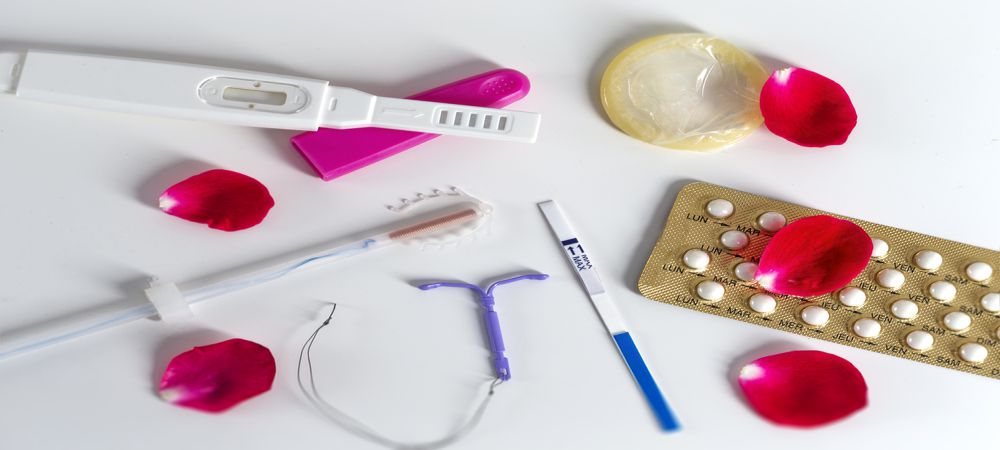
birth control equipment's

Does birth control make you gain weight? Cause infertility? Help with acne? Issues of birth control, pregnancy, and fertility are critically important to many adults but there are many rumors and rumors and misinformation to contend with. 

To help separate fact from fiction, we are taking a look at the myths surrounding birth control and its effect on fertility and other issues. Read on for a comprehensive look at types of birth control, their effects, and their rates of effectiveness.  

Effectiveness of Birth Control Types

Currently, there are more than a dozen recognized forms of birth control with effectiveness rates ranging from 71% effective to 99% effective.  Here we will take a brief look at each. 

99% Effective Birth Control Methods

Arm Implant: An arm implant is among the most effective and longest lasting birth control methods. This hormone-based implant is inserted into your arm by your doctor and will continue to release pregnancy-preventing progestin for up to 5 years or until your doctor removes it. 

Pros: Arm implants are highly effective, long-lasting, low maintenance and can decrease cramps associated with menstruation. Also, unlike oral contraceptives, you do not risk forgetting to take your birth control. 

Cons: Serious complications from implants are rare but some patients may experience infections at the site of insertion, headaches, and bleeding. You should also be aware that there is a chance that the implant may move. If you no longer can feel your implant in your arm, contact your doctor immediately to determine if the implant has moved and needs to be extracted. 

Hormonal IUD: A hormonal IUD is a small, plastic T-shaped device that is inserted into the uterus by your doctor. This, like the arm implant, also releases the hormone progestin. Progestin prevents eggs from being released from the ovaries. Therefore, they cannot be fertilized. 

Pros: Unlike the arm implant, you will not feel the hormonal IUD once it is in place. Though there are small strings that protrude slightly from the cervix, neither you nor your partner will feel these. This style of IUD can last up to 7 years.  

Cons: The most common side effects of a hormonal IUD are cramps and backache for the first few days after the device is inserted. You may also notice light vaginal spotting between periods for the first several months after insertion. Rarely, complications may arise from an infection or if the IUD pokes through the uterine wall. 

Copper IUD: The copper IUD is very similar to the hormonal IUD in that it is inserted in the same way and has the same risks and benefits. However, it has the advantage over a hormonal IUD in two ways:

  • Longest lasting birth control with up to 12 years of protection. 
  • It is the only 99% effective birth control that does not contain hormones. 

Birth Control Shot: The birth control shot contains the hormone progestin and is administered by your healthcare provider every three months. 

Pros: Unlike IUDs that are inserted, there is no risk of a device moving and causing problems. Instead, the shot is quickly administered every three months for 99% effective birth control with minimal side effects.

Cons: With a shot, you may notice increased mood swings, weight gain, acne, and soreness in your breasts. However, one of the biggest risks associated with the shot is that patients often fail to get their dosage on time. When you delay getting your dosage, the effectiveness of the shot drops to 94%. 

Vasectomy/Tubal Ligation: Vasectomy (for men) and Tubal Ligation (for women)  are surgical, permanent birth control forms. Each is considered 99% effective. Complications and risks are rare with both procedures but Tubal Ligation is more invasive. Technically, both procedures can be reversed but it can be a complicated procedure that is not guaranteed to restore fertility. 

91% Effective Birth Control Methods 

Birth Control Pill: Birth control pills cover a wide range of brands and varieties of oral contraceptives but all work similarly. With this method, you take a pill each day which releases estrogen and progestin. Since there are multiple types and brands, side effects can vary. Users commonly report headaches, mood swings, decreased sex drive, and spotting between periods. In some cases, blood clots can form but this is rare.

Pros: A pill does not require you to visit your doctor every three months the way the shot does. If you have acne, the pill can help to reduce this along with pain during menstruation.  You can also attempt to get pregnant as soon as you stop taking the pill.

Cons: The pill can affect your mood, decrease sexual interest, cause headaches and bloating. Forgetting to take your pill daily will increase the likelihood of you getting pregnant. 

Note: There is also a “minipill” which contains a lower dose of hormones. Your doctor will be able to tell you if this option is right for you. 

Vaginal Ring: The vaginal ring is a soft, flexible ring that is inserted into the vagina for three weeks out of the month. It also uses hormones to prevent pregnancy. On the fourth week of the month, you remove the ring to have your period naturally.  

Pros: Like the pill, the ring will help to reduce acne and body hair. It is also comfortable for most patients and your partner will not be able to feel it during intercourse. 

Cons: Blood clots may occur though this is rare. Those who smoke and/or who have high blood pressure will increase their risk of this complication. The ring’s effectiveness is also reduced when not used properly, i.e. not removed or replaced when required. 

71% to 88% Effective Methods


  • 88% Effective Diaphragm: A diaphragm is a small silicone cup that fits over the cervix. It is placed just before sex and prevents sperm from entering. The diaphragm is beneficial in that it does not contain hormones or side effects. However, fitting the device correctly can be difficult which reduces its rate of effectiveness. 


  • 71% Effective Spermicide: Spermicide is a cream that kills sperm. To optimize the effectiveness of this cream, it should be combined with condoms and/or a diaphragm. When used on its own, it can be difficult to get adequate protection. 
  • 85% Effective Condoms: perhaps the most common form of birth control, condoms are a thin sheath of latex placed over the penis before sex. While they are the only birth control that is effective in preventing STDs, they are not the most effective at preventing pregnancy. Optimally, combine condoms with another form of birth control to get the best protection from both STDs and pregnancy.
  • Natural Methods: Natural methods of birth control involve tracking fertility days. While this can be up to 88% effective when done perfectly, it is not a perfect system. Those with irregular menstruation cycles should not use this as their only form of birth control. 


Quick Facts About Birth Control

  • Condoms are the only birth control that reduces the chances of contracting a sexually transmitted disease.
  • A copper IUD is the only 99% effective form of birth control that does not contain hormones.
  • The only permanent form of birth control is tubal ligation and vasectomy. 
  • Some forms of birth control, such as the vaginal ring, can increase the risk of blood clots. This is especially dangerous for those with unmanaged blood pressure and for those who smoke. 
  • Using other forms of birth control such as the pill or vaginal ring along with condoms can provide better protection from both pregnancy and STDs. 
  • The pill and the vaginal ring can both reduce acne and body hair. 

Does Birth Control Cause Infertility?

It is a common myth that the birth control pill will cause infertility. However, there is no truth to this. As with all of the previously mentioned birth control methods (with the exception of tubal ligation and vasectomy), you can cease use and begin trying to get pregnant immediately.

How Long Should it Take to Get Pregnant?

It is a common trope in pop culture that women will get pregnant almost immediately. Because of this, many women attempting to get pregnant feel there is something wrong if they do not conceive within a month or two.  However, while pregnancy can happen this quickly, it is just as common for it to take several months or even a year of regular attempts. 

As a general rule,  women under the age of 35 should not be concerned about infertility until they have attempted to get pregnant for a year or more. Women 35 to 40 can continue to attempt getting pregnant for up to 6 months before seeing a doctor about fertility issues. However, those who are over 40 should seek medical guidance from the start. Tests can show your likelihood of conceiving naturally and fertility treatments can be administered as needed. 

Final Thoughts on Birth Control and Fertility 

Infertility is a common issue and there are many reasons for it. However, birth control is not one of them. If you are concerned about your ability to get pregnant, speak with your doctor. There are several modern treatments and solutions to help increase the probability of conceiving.

At BCML, our caring medical professionals are here to guide you through all your health concerns including birth control and fertility. To schedule a consultation, contact us at 416-921-2121 & 1-800-667-0923 (toll free #). 

The Dangers of Vaping for Your Health

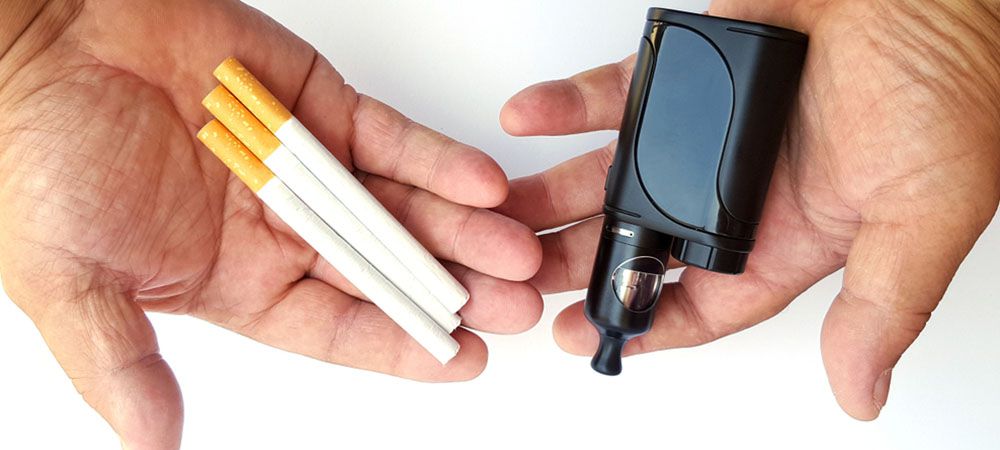
vaping

Are you vaping instead of smoking because you think it’s healthier? If so, you are not alone. For years, vaping has gained popularity largely due to the assumption that it is safer than smoking. 

However, some studies indicate it can affect your health in many of the same ways as smoking.  It can be particularly dangerous for teens and young adults whose brains may be affected more readily since they are still developing. 

Here we will look at the dangers of vaping for your health and what you can do to seek help for vaping cessation. 

Effects on the Lungs and the EVALI Disease 

Many believe that vaping is safer than smoking because there is no smoke to inhale. However, a vaping device creates an aerosolized spray that you also take into your lungs. With vaping liquid containing nicotine along with a multitude of other chemicals, it is easy to see why this can be problematic for your lungs.  

Since vaping is still a relatively new practice, it has only been within the past few years that medical experts have identified E-cigarette or Vaping Product Use-associated Lung Injury (EVALI). With EVALI you can experience a range of symptoms that mimic other illnesses like pneumonia which can make it difficult to diagnose. This can include coughing up blood, abdominal pain, dry cough, vomiting, chest pain, shortness of breath, and more. 

While steroid treatments are effective and most patients make a full recovery, some patients will need oxygen to supplement their laboured breathing. Moreover, those who continue to vape are more likely to relapse. 

Could Vaping Make it Hard to Focus? 

Nicotine in vaping liquid may have long-term or even permanent effects on the brain including issues with focusing, depression, mood disorders, and more. Teens and young adults are particularly vulnerable to these side effects as their brains are still developing. 

These issues are largely due to the addiction that nicotine creates in the brain. When your brain is addicted to a substance, it will affect receptors in your brain responsible for producing dopamine, a chemical that is associated with making you feel good. You can also get this from things like eating foods you enjoy, being around someone you are attracted to, or when you accomplish something like getting a good score on a test. 

The issue with getting dopamine from a drug like nicotine is that a user will suffer from withdrawal when that substance is taken away. This can cause feelings of sadness, inability to concentrate, headaches, and much more. 

More importantly, the more you use, the more you will need to achieve the same effects. Eventually, you will no longer achieve the same effects but still crave the substance while also experiencing the physical harm associated with inhaling vape fume. 

Why is Vaping Particularly Bad for Teens and Young Adults? 

If you are under 25, your brain is still growing and developing. This is what makes it possible to learn and retain new skills much more easily at this age versus later in life. Unfortunately, that same quality will make you more prone to retaining addiction. 

Your brain learns to associate vaping and nicotine with feeling good early on and it will have a difficult time forgetting that. This is why you may be able to logically tell yourself that you do not need to vape when you try to quit, but your brain will not stop demanding what it is craving. It may then struggle to produce dopamine, producing the feeling that you need to smoke in order to feel good.  

Vaping when you are young not only makes it more difficult to quit, it also means you have that many more years to develop other potential problems if you continue. The good news is that the sooner you stop, the more you can reduce your risks now and in the long-term. 

What if I Only Smoke Occasionally? 

Vaping in any capacity can cause addiction to nicotine. Addiction to nicotine is an extremely common issue that can happen to anyone. Often, users who claim to vape casually or infrequently will eventually become regular users. Each individual is different and you may take more or less time to become addicted based on how often you use. While you may evade addiction for a time, the longer you continue, the greater your chances of developing a dependence or other issues. 

Can I Use Vaping to Quit Smoking? 

Vaping to stop smoking is not ideal but, yes, this is what vaping was originally intended for. While there are other methods of smoking cessation that may be healthier, vaping can reduce withdrawal symptoms and make it easier to abstain. However, you should not continue vaping indefinitely. Ideally, you will slowly reduce the amount of nicotine you vape with until you can eliminate it entirely. 

Cost of Vaping 

Along with potentially harmful side effects, vaping can also be expensive. While your total cost will depend on several factors including how much and how often you vape, average users can expect to spend over $800 annually. If you vape more often and use more expensive vape juice, this cost can increase exponentially. 

How Much Could you Save if You Quit Vaping? Assuming you are a moderate user who spends around $15/week on vaping, which is the equivalent of replacing one pack of cigarettes per day with vaping, you will spend $780 annually. A heavy user can easily double this amount. 

An average user who smokes throughout four years at university would spend over $3,000 on vaping while earning their degree. That same $3,000 could be used as a down payment on a car, for several months’ rent, or to pay off any schooling costs. If you have student loans or credit cards with an outstanding balance, that $3,000 becomes even more significant when you consider the interest that you are paying. 

The Greatest Dangers May Still be Unknown

Perhaps the most concerning factor in understanding the dangers of vaping is that the practice has not been around long enough to understand the full effects. While smoking nicotine has been a practice for hundreds of years, vaping has been around for less than 20. 

With smokers, the medical community now knows that some issues may not develop until many decades later. Even a person who quits smoking will still have an elevated risk of certain cancers later in life. This could also prove true for vaping. However, it is important to note that smokers do reduce their risks when they quit. Therefore, quitting is a worthy goal to pursue. 

Seeking Help for Vaping Cessation

While the effects of vaping are concerning, you may be able to reduce or even reverse the damage by quitting. To create an effective plan for quitting, talk to a doctor about what is best for you. 

At BCML, we help our patients manage their total health including vaping and smoking cessation. Our caring and knowledgeable physicians can help you find healthy ways to quit. To schedule a consultation, call BCML at 416-929-1900.

Meditation, Mindfulness and Mental Health

mediation at mountain

According to a 2020 Nanos Survey, twice as many Canadians report experiencing constant stress since the rise of the pandemic compared to before. Stress, anxiety, and depression are extremely common conditions that can affect anyone at any time. Now, with these issues increasing daily across the country, mindfulness for mental health has become an important topic. 

Can meditation help you feel better? Here we will look at the connection between mindfulness and mental health and how you can begin experiencing the potential benefits of meditation practices. 

Is Meditation Good for Your Mental Health?

2012 review of anxiety studies showed that meditation may have a positive effect on acute anxiety. Similar studies have also suggested that common issues like high blood pressure, depression, and chronic pain can also be aided by meditative practices.

Why is this so important? While meditation is not a cure or guaranteed treatment for mental health concerns, it can be a healthy, supportive coping tool to help manage symptoms. Additionally, meditation is free, does not involve medications and anyone of any physical ability can practice it.

However, it is important to note that chronic mental health conditions may not respond to meditation. Additionally, about one in twelve people may experience a worsening of certain symptoms. This is thought to be due to the mind fighting against the attempts at calm and/or may be a sign you should try another form of meditation. 

So, is meditation good for your mental health? The ultimate answer is that it will likely have a positive effect but does not work the same for everyone. If you are new to finding the connection between mindfulness and mental health, it is best to start slowly and manage your expectations. We will look at ways to start mindfulness slowly later in this post. 

What are Meditation and Mindfulness?

Meditation: includes various exercises to clear one’s mind and achieve physical relaxation. However, this does not mean your goal should be perpetual calm or an absence of thought. Meditation is, instead, often used as a way to allow yourself to think freely without judgment of your own thoughts.

There are many ways to practice meditation to achieve different effects. For most people new to meditation, this will include some form of controlled breathing exercise, sitting quietly to clear your mind, or taking a walk where you learn to focus on the feel of each step instead of your inner thoughts.

Mindfulness: and meditation are opposites of each other but can be practiced together. It can be somewhat more difficult to define mindfulness as you can choose to be mindful of many things. For example, a common mindfulness goal is achieving a compassionate, judgment-free state of mind. It can also simply be to be aware of and live in the moment where you are not allowing the past or future to intrude on your present thinking. While meditation is typically performed in a quiet space, mindfulness can be practiced anywhere even when there are other noises or people. 

Mindfulness Meditation: is designed to clear one’s mind. Breathing exercises or focused walking could fall into this category. Instead of being mindful of more complex things like emotions or concentrating on the present, you focus on your physical movements or breathing. 

What to Expect When you Begin Meditation

One of the ways to increase your success with mindfulness and meditation is to manage your expectations. The first time or even the first several times you sit down to meditate you may find that you cannot focus on just your breathing or any one thing. This is very common and normal. Meditation, like all things, takes practice.  

Gradually, over the course of weeks or months, you may find that you can achieve a calm, meditative state much more easily. Ideally, this calm will remain with you even when you are not actively meditating. As you continue, you may find your thoughts are clearer and you can focus more readily.

Simple Ways to Begin Meditation and Mindfulness Practices 

Starting new habits can be daunting. Our personal psychology often seems stacked against us when we attempt new behaviours. 

However, mindfulness and meditation can be practiced on all levels and started with only a few minutes a day in some cases. Here are some top ways you can easily begin good meditation and mindfulness for mental health practices:

  • Set Aside Time to Practice: The simplest way to get started with meditation is to set aside time each day to sit quietly without distractions. When possible, use the same spot and time of day consistently. This will help you get into regular practice.
  • Follow a Guided Meditation: A wealth of guided meditation videos or audio recordings can be found easily online. Some will have specific goals like helping you to concentrate while others will help you focus your breathing. These can be especially helpful if you find that you cannot stop intrusive thoughts. The recording itself will give you something to focus on. 
  • Practice Being in the Moment: If you find that you are struggling to enjoy simple experiences like a nice meal or a conversation, try to be mindful of your current activity. One way to do this is to allow yourself a set time for a certain activity and commit to focusing on that one thing for that duration. For some, allowing a specific time for a meal without other distractions can help you enjoy your food more and control your portions. 
  • Take a Break from Your Phone: Our phones and computers are great tools for many things (like guided meditations for example) but they are also major distractions. If you feel that you are stressed because you are constantly scrolling through social media, reading news updates, answering texts, etc. then consider a timeout from your electronic devices. 

During that time, consider reading a book, writing in a journal, or even doing a jigsaw puzzle. If possible, have an in-person conversation with a friend or loved one where you do not stop to check your phone during that time. 

This particular option may prove difficult for many as addiction-like reliance on our phones and the internet is a very real concern. However, if you can stick with this, you will find that it gets easier to stop constantly looking at your phone. 

When to Seek Help for Mental Health Concerns

While there can be benefits of meditation for most people, it is not intended to be a cure or proven treatment for mental health conditions. Anxiety, depression, and other mental health concerns are extremely common and can affect anyone. If you find that your mental health is affecting your ability to function or you experience chronic or severe symptoms, it is time to seek professional help. 

Both medications and professionally guided therapies can help to reduce or control symptoms of mental health conditions. Underlying physical issues may also be contributing to your stress, anxiety, or depression. A medical evaluation will help identify the causes and ensure you are getting proper support and treatment. 

Final Thoughts on Meditation, Mindfulness and Mental Health 

Like with most habits, beginning a meditation routine is something you should give time to before expecting results. Treat yourself with compassion and understand that missing a day or two in your routine is not a failure. 

It is an opportunity to regroup and try again or to focus on a different method of meditation. In short, finding balance in mindfulness and mental health is intended to be a marathon, not a sprint.  Most importantly, if you find that your symptoms are not manageable, seek professional evaluation and care. 

At BCML, we are here to support you in all your physical and mental health needs. To schedule an appointment with our caring and knowledgeable physicians, please call 416-929-1900 . 

Vaping vs Smoking: The Dangers of Both

vaping vs smoking

Vaping vs smoking: Is vaping really safer? In recent years vaping has quickly become a popular alternative to smoking, especially among college students. Often described as being safe or safer compared to smoking, many believe or assume there are fewer harmful additives compared to cigarettes. While there may be some truth to this, less risk is not the same as no risk. For example, some e-cigarettes may be easier on your lungs, but continue to pose a risk to your brain. 

Here we will look at the differences between vaping vs smoking, the long term effects of vaping and smoking and which may be less harmful. 

Differences Between Vaping and Smoking 

Method: The most obvious difference with vaping vs smoking is how a user takes in the product. With traditional cigarettes, tobacco is burned and inhaled into the lungs. Comparatively, vaping involves heating a liquid that typically includes nicotine. This heat creates an aerosol spray which a user inhales.

Effect on Lungs: While these methods are different, nicotine and other chemicals are still taken into the lungs with both. An aerosol spray is less harmful, but the nicotine is also still addictive and there is a risk of a serious lung injury known as EVALI which we will discuss further. 

Contents: Traditional cigarettes contain over 7,000 chemicals, many of which are known to cause harm to the lungs, heart and other organs. Vaping liquid typically contains water, propylene glycol, nicotine and flavorings. While vaping liquid’s known ingredient list is shorter, the contents are not well regulated. Moreover, while propylene glycol is generally considered safe for human consumption, there is limited data on its effects when inhaled. 

Nicotine Level: One of the reasons that vaping is considered safer is that the level of nicotine can be lowered as needed. While traditional cigarettes have a set amount of nicotine, e-cigarette liquid can be purchased with different amounts. This is what makes vaping useful in helping smokers to quit as they can slowly reduce their intake. 

Which is Better: Smoking or Vaping?    

Neither vaping nor smoking are good for your health, however, vaping does have one notable use. Vaping should, ideally, only be used by smokers who are attempting to quit. In this scenario, vaping is less harmful than smoking and can gradually ease nicotine addiction. It should not be used long term in place of smoking or in addition to smoking. 

If you are not currently a smoker, vaping is not a safe alternative. It can still lead to harmful health effects and addiction. If this occurs, you may find yourself going through withdrawals if you attempt to quit vaping. 

Symptoms of Nicotine/Vaping Withdrawal Include but are not limited to:

  • Anxiety and sadness
  • Tiredness 
  • Inability to focus
  • Headaches 
  • Insomnia
  • Increased appetite/weight gain

Will Vaping Help Me Avoid Regular Cigarettes? 

Current research shows that non-smokers who take up vaping are more likely to try other forms of tobacco. Again, the nicotine in vaping liquid is addictive the same way nicotine in a cigarette is addictive. If someone forms an addiction due to vaping, they may crave the increased nicotine levels available in regular cigarettes. 

The Rise of EVALI: The Lung Disease Targeting Young People 

E-cigarette or Vaping Product Use-associated Lung Injury (EVALI) is a lung disease that can affect users of any age but is most common in users under the age of 25. This condition is still relatively new and difficult to diagnose as it is similar to other conditions. Symptoms of EVALI include:

  • Coughing up blood
  • Unintentional weight loss
  • Abdominal pain and diarrhea
  • Chest pain and shortness of breath
  • Headache and dizziness
  • Fever and chills
  • Dry cough and vomiting 

Reducing Your Risk of Developing EVALI

While all vaping has associated risks, many of the most serious and fatal injuries have occurred in users who vaped with black market liquid, THC (tetrahydrocannabinol) and/or modified vaping pens. 

Vitamin E Acetate is sometimes added to certain vaping liquids, especially THC-containing formulas. Vitamin E is typically considered safe for ingestion but may be part of the cause of this issue when inhaled. 

To help minimize your risk of developing this disease, use only approved e-cigarettes and e-cigarette liquids. Avoid using any kind of modified e-cigarette or using liquids that come from informal sources like friends, acquaintances or online e-liquid dealers. 

Treatment and Diagnosis of EVALI 

EVALI can be difficult to diagnose as its symptoms are similar to other diseases. It is also a new phenomenon that has only developed in the past few years. Therefore, doctors and scientists are continuing to study the causes, treatment and long term effects. 

An x-ray is usually needed and your medical history is examined. Antibiotics are often administered to help combat pneumonia symptoms that are also typically present. Steroids are also used. While most patients will start to improve with these treatments, some will relapse and about 25% will require supplemental oxygen. Those who relapsed often continued to have abnormalities on their lungs. Because of this and the newness of the disease, it is difficult to say what the long term effects will be for sufferers of EVALI. 

Long Term Effects of Vaping and Smoking

The chemicals in vaping liquid and traditional cigarettes can both cause harm to your heart, brain, lung and other organs. This can lead to cognitive issues, heart disease, some cancers, breathing issues and more.

Effect on Developing Brains of Teens and Young Adults: Young adults, one of the largest segments of vape users, are at particular risk of long term effects of vaping. Nicotine in vaping liquid can impact the development of a young user’s brain permanently. Long term effects of nicotine on the brain can include but are not limited to:

  • Mood disorders
  • Impulse control issues
  • Difficulty focusing
  • Lowered attention span
  • Poor memory retention
  • Addiction: anyone can become addicted to nicotine, but young adults under the age of 25 may have greater problems breaking this addiction. This is because until the age of 25 your brain is still growing and making connections as you learn. Skills learned during this time in one’s life are easier to retain. The downside to this is that addiction is a kind of learning. Addicting yourself to nicotine at a young age will make quitting more difficult and leave you at greater risk for increased nicotine use and the other long term effects mentioned here. 

Risk of the Unknown

Perhaps the most compelling reason to abstain from vaping is that we cannot confirm that it is safe. We cannot even confirm definitively that it is safer than smoking regular cigarettes in the long term because consumers have only had access to e-cigarettes since 2003. With some diseases requiring decades to form, it is not possible to rule out certain long term effects. Moreover, since e-cigarettes and e-cigarette liquid are not highly regulated, the results will likely vary greatly between users. 

Final Thoughts on Vaping Vs Smoking 

Both vaping and smoking can have serious adverse health effects. While vaping may have benefits in helping users to quit smoking, it is still not a “safe” alternative. In short, if you do not vape already, do not start, and if you do vape, seek help for quitting. 

At BCML, we are here to help you manage your total health. If you are experiencing symptoms of EVALI or would like support in quitting vaping or smoking, our experienced and caring team is here for you. Call 416-929-1900 to schedule a consultation today. 
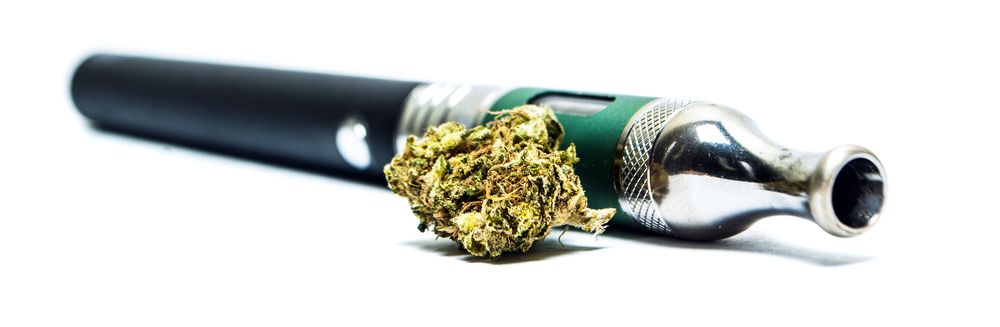
COIN303

KOIN303

COIN303

COIN303

COIN303

COIN303

COIN303

judi bola online

coin303

coin303

coin303

coin303

coin303

coin303

coin303

Situs KOIN303

agen slot coin303

Koin303

Slot COIN303

situs slot

slot online

LINK KOIN303

Bandar Togel

coin303

coin303

agen casino online

judi bola online

slot resmi

coin303

coin303

coin303

coin303

PG Soft

situs casino

situs judi bola

judi bola

login coin303

coin303

coin303

situs slot mahjong

link koin303

kaitan dengan mahjong ways

fakta mahjong ways yang luar biasa

begini peran mahjong ways

koin303

jadi sorotan detail mahjong ways

coin303

coin303

coin303

mix parlay

https://www.bastiansecurity.co.id/monitoring/

Situs APK Slot

Tren Baru Hiburan Digital Game Online Mahjong Ways 2 yang Kian Populer

Dari Hobi Bermain Mahjong Ways Jadi Peluang Menguntungkan Menarik di Era Digital

Mengapa Game Viral Mahjong Ways 2 Semakin Diminati? Ini Faktor Pendorongnya

Evolusi Viralnya Mahjong Ways: Memberikan Inovasi Fitur dan Tantangan yang Makin Seru

Dampak Positif Perkembangan Game Viral Mahjong Ways terhadap Industri Hiburan Online

Strategi Developer dalam Mengembangkan Game Viral Mahjong Ways yang Digemari Pengguna

Game Viral Mahjong Ways 2026: Prediksi Tren dan Teknologi yang Akan Mendominasi

Dari Media Sosial ke Aplikasi, Begini Perjalanan Game Viral Mahjong Ways 2

Peran Komunitas Digital dalam Mendorong Popularitas Game Viral Mahjong Ways 2

Game Viral Mahjong Ways 2 dan Generasi Muda: Tren, Peluang, dan Tantangan Baru

agen bola

agen slot

coin303

coin303

coin303

COIN303

coin303

coin303

coin303