
Is Hearing Test Covered by OHIP?

Mature woman getting a hearing test at audiology center. Audiometry, hearing checkup

When Ontarians think of healthcare costs they expect basic medical services to be funded by the Ontario Health Insurance Plan (OHIP). It is easy to assume that all diagnostic procedures are covered. This guide will analyze how OHIP handles hearing tests, outline exceptions, and explain how you can access hearing assessments at Lockwood Clinic.

Hearing tests help identify hearing loss, pinpoint the type of impairment, and guide treatment. Knowing who pays for these tests can reduce unexpected expenses and speed up your journey to better hearing.

Related Article: Understanding Hearing Loss: Causes, Symptoms, and Treatments

What Is Covered by OHIP?

OHIP covers many physician-ordered services, including visits to family doctors, hospital care, and some specialist assessments. For diagnostic hearing assessments to qualify for OHIP coverage they must meet two main criteria:

  1. A referral from a physician, such as a family doctor or an ear, nose, and throat (ENT) specialist.
  2. The test must take place in a hospital setting or ENT clinic where physicians bill OHIP directly.

When those conditions are met, OHIP will cover the cost of the diagnostic hearing test. Patients will not receive an OHIP bill for the assessment itself.

Why Hearing Tests Were Delisted from OHIP

In August 2001, Ontario removed routine hearing tests from the list of OHIP services. The change aimed to control provincial healthcare spending by reducing coverage for services increasingly provided by private clinics.

Since that date, OHIP no longer pays for hearing assessments at most audiology practices. Only tests carried out during a physician’s consultation or in a hospital environment remain eligible for OHIP billing.

Who Needs a Referral?

Patients who suspect hearing loss should first see a family doctor. If the doctor determines that an in-depth diagnostic evaluation is required the physician will either:

  • Refer you to an ENT specialist for comprehensive auditory testing in a hospital or clinic setting, or
  • Arrange for the test to occur under medical supervision where OHIP billing applies.

Without this referral any test at a private audiology clinic is typically billed privately.

Private Audiology Clinics and Out-of-Pocket Costs

Most audiology services offered by private clinics require payment at the time of service. Fees vary by clinic and the type of assessment. Standard charges may include:

  • Pure-tone audiometry to measure hearing thresholds at different frequencies.
  • Speech audiometry to evaluate speech recognition and clarity.
  • Tympanometry to assess middle ear function.

Lockwood Clinic offers audiology services on a walk-in basis. If you visit our clinic without a physician’s referral your hearing test will be billed privately. We strive to keep costs transparent and competitive.

Related Article: Benefits of Toronto’s Walk-In Clinics: Fast, Flexible, and OHIP-Covered Care

Audiological exam. Audiologist doing hearing check-up to a senior citizen woman in soundproof audiometric booth. Hearing loss treatment, side view

Special Cases and Exceptions

Although general diagnostic hearing tests are not OHIP-covered at private clinics there are limited exceptions:

  • ENT Consultations: If you see an ENT specialist and the hearing test occurs during that visit OHIP may cover the assessment.
  • Hospital In-Patient Assessments: Patients already admitted to hospital for other reasons who require audiology testing will receive coverage under OHIP.
  • Children and Youth: OHIP covers paediatric hearing assessments when ordered by a physician or conducted in a hospital.

Patients should always confirm coverage details with both their physician and the clinic before scheduling a test.

Alternatives for Funding Audiology Services

If you need a hearing test but lack OHIP coverage consider these funding sources:

  1. Private Insurance: Many supplemental health plans cover audiology assessments. Check your policy for hearing test benefits.
  2. Veterans Affairs Canada: Eligible veterans may receive funding for hearing services.
  3. Workplace Safety and Insurance Board (WSIB): Workers with on-the-job hearing damage might qualify for WSIB coverage.
  4. Nonprofit Programs: Charitable organizations sometimes provide grants for hearing assessments.

Lockwood Clinic can assist you in determining which options apply.

The Assistive Devices Program for Hearing Aids

While OHIP itself does not cover hearing devices, the Assistive Devices Program (ADP) offers financial support for hearing aids. To qualify for ADP funding you must:

  • Be an Ontario resident with a valid health card.
  • Have documented hearing loss that requires a hearing aid for six months or longer.

ADP provides up to 75 percent coverage, to a maximum of $500 per ear every five years. Although ADP does not fund hearing tests, your audiologist will supply the necessary forms for hearing aid applications.

Related Article: Is It Time for a Hearing Test? Signs You Shouldn’t Ignore

Why Choose Lockwood Clinic for Your Hearing Needs

Lockwood Clinic offers a comprehensive audiology service as part of our walk-in clinic in downtown Toronto. We combine convenience with expert care. Our services include:

  • Immediate access: No appointment needed for most audiology tests.
  • Transparent fees: Clear pricing for private tests and ADP paperwork support.
  • Integrated care: Results can be shared with your family doctor or ENT specialist through our electronic health system.
  • On-site pharmacy: Fill any prescriptions for ear health products in one visit.

Our clinic’s friendly team will guide you through each step and help you navigate OHIP and ADP requirements.

Adult man getting a hearing test at audiology center. Audiometry, hearing check up

Preparing for Your Hearing Test at Lockwood Clinic

To make the most of your visit, follow these steps:

  1. Bring your Ontario health card and any private insurance information.
  2. If you have a physician referral, bring the referral form.
  3. List any hearing concerns, medications, or hearing aid experiences.
  4. Arrive 10 minutes early to complete intake forms.

Our staff will review your information and explain whether OHIP will cover your test or if private payment applies.

What to Expect During the Test

A typical audiology assessment lasts 45 to 60 minutes and includes:

  • A medical history review.
  • Air conduction testing via headphones.
  • Bone conduction testing with a small vibrator behind the ear.
  • Speech recognition measurements.
  • Middle ear evaluation if needed.

After testing, you will receive a full report and recommendations. If hearing loss is detected, we will explain your options, including ADP funding for hearing aids.

Taking Charge of Your Hearing Health

OHIP does not generally cover hearing tests at private audiology clinics. Coverage only applies when a physician orders the test in a hospital or ENT setting. Private audiology services require out-of-pocket payment or alternative funding.

If you suspect hearing loss or simply want to check your hearing health, schedule your test at Lockwood Clinic today. Our team will clarify coverage, explain costs, and ensure you receive expert care.

5 Common Dental Issues and How to Prevent Them

Pain, tooth ache and toothache from poor dental care, gum disease or bad personal hygiene routine in home bathroom. Stressed woman with cavity suffering and brushing teeth, cleaning mouth

A strong set of teeth underpins clear speech, confident laughter, and comfortable eating. Yet Statistics Canada still reports that one in three adults has untreated dental decay, and gum disease affects almost half of those over thirty. Many problems arise not from sudden accidents but from everyday routines that wear enamel, feed bacteria, and inflame gums.

Below you will find the five issues dentists treat most often, followed by realistic steps you can take at home, plus guidance on when to see a professional. Build these habits now, and you will save money, avoid pain, and keep your natural teeth for decades.

Related Article: Why Regular Dental Checkups Are Important for Overall Health

1. Tooth Decay (Cavities)

Tooth decay starts silently. Bacteria in dental plaque metabolize sugars and release acids that dissolve enamel, opening the way for deeper infection.

Spot the warning signs

Early decay appears as chalky white patches on the chewing surface or between teeth. Sensitivity to sweets or cold water often follows. A dark spot or hole means the cavity is already through the enamel and heading into dentin.

Everyday prevention

Before breakfast and at bedtime, brush for two full minutes with a fluoride toothpaste. The mineral rebuilds weakened enamel and makes new decay less likely. Floss or use interdental brushes each evening to sweep away plaque trapped where bristles cannot reach.

Limit “grazing” on sugary snacks; each nibble resets the acidity clock for another thirty minutes. Instead, pair dessert with a main meal when saliva flow is high.

Professional back-up

Ask your dentist about protective sealants on newly erupted molars — clear resin that acts like a raincoat in hard-to-clean grooves. Adults prone to decay can request a prescription-strength fluoride rinse or varnish.

Schedule a check-up twice yearly so microscopic lesions are caught before they need a filling.

2. Gum Disease (Gingivitis and Periodontitis)

Healthy gums fit snugly around each tooth and never bleed when brushed. Gingivitis, the first stage of gum disease, develops when plaque sits at the gumline. Left unchecked, it worsens into periodontitis, where bone and connective tissue erode.

Red flags to watch

Bleeding while brushing, persistent bad taste, and gums that appear puffy or dark red signal trouble. As the disease progresses, you may notice longer-looking teeth, loose spacing, or shifting bite alignment.

Daily defences

Angle your toothbrush at forty-five degrees toward the gumline and use short strokes to sweep plaque off. Replace cigarettes with nicotine-replacement therapy; smoking restricts blood flow and masks early bleeding signs.

Rinse with an alcohol-free antimicrobial mouthwash if recommended by your dentist. People with diabetes should monitor glucose levels closely; stable blood sugar improves gum healing.

Dental interventions

A professional cleaning removes calcified tartar that household tools cannot budge. In moderate cases, your hygienist may perform root planing and smoothing to allow the gums to reattach.

Advanced periodontitis sometimes needs minor surgery or local antibiotic gels. Early treatment almost always succeeds if you maintain excellent home care afterward.

Related Article: Dental Care Beyond Brushing: Exploring Preventive Dentistry and Dental Treatments

Close-up medical dentist procedure of teeth cleaning

3. Tooth Sensitivity

That sharp jolt when you sip iced water or breathe cold air usually means dentin is exposed. Enamel erosion or gum recession uncovers microscopic tubules leading straight to nerve endings.

Common triggers

Hard-bristle brushes and vigorous scrubbing, acidic beverages such as citrus soda, overnight grinding, and age-related gum shrinkage remove protective layers bit by bit.

Smart habits to adopt

Choose a soft-bristle brush and glide rather than scrub. Swap whitening pastes (often abrasive) for a desensitizing formula containing potassium nitrate or stannous fluoride.

After citrus or wine, rinse with plain water and wait thirty minutes before brushing; this pause lets saliva neutralize acids so you do not scrub softened enamel away. If stress makes you clench, invest in a custom night guard and practise jaw-relaxation exercises.

When to seek help

Persistent pain may indicate a cracked tooth or hidden decay. Your dentist can paint on a bonding agent, apply a protective varnish, or recommend gum-grafting surgery for severe recession. Early action preserves tooth structure and comfort.

4. Bad Breath (Halitosis)

Morning breath is normal, but an odour that lingers through the day can undermine confidence and warn of deeper issues.

Where odour begins

Anaerobic bacteria on the tongue’s rough back surface break down proteins, releasing sulphur compounds. Gum pockets, decaying teeth, dry mouth from medications, and high-protein “keto” diets intensify the smell.

Fresh-breath routine

Scrape your tongue gently from back to front after each brushing session. Keep a reusable scraper at work for midday refreshment. Stay hydrated; eight glasses of water dispersed throughout the day wash away food particles and keep saliva flowing.

Snack on crunchy apples or carrots – they act like natural toothbrushes. If you wear dentures, clean them nightly with a non-abrasive cleaner.

Professional support

Persistent halitosis despite spotless home care warrants a dental exam. Treating gum disease or filling hidden cavities often eliminates the smell. If your mouth is healthy, your dentist may refer you to a physician to check for sinus infections, digestive reflux, or other systemic causes.

5. Enamel Erosion

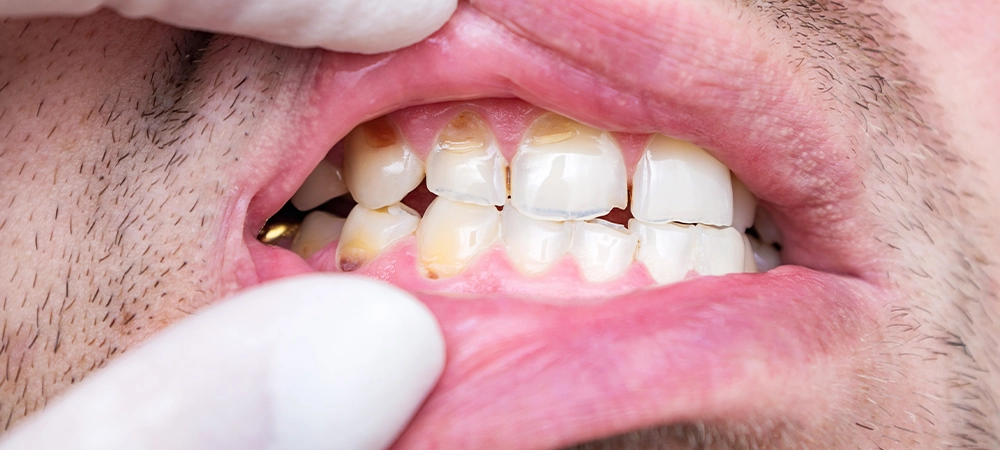
Unlike localized cavities, erosion thins the entire enamel surface. Teeth take on a yellow hue as underlying dentin shows through, and edges may appear translucent.

Typical causes

Frequent sipping of carbonated water flavoured with lemon or lime, habitually sucking on vitamin-C tablets, chronic gastric reflux, and swimming in over-chlorinated pools dissolve enamel. Eating disorders involving repeated vomiting pose an especially high risk.

Protective measures

Confine acidic drinks to mealtimes and finish them within fifteen minutes rather than sipping all afternoon. Use a straw placed toward the back of the mouth to bypass front teeth. Chew xylitol gum to stimulate remineralizing saliva.

Rinse nightly with a 0.05 percent fluoride mouthwash and ask about high-fluoride toothpaste if your risk is elevated. If heartburn is frequent, consult a physician; controlling reflux safeguards both oesophagus and teeth.

Restorative options

Early erosion can sometimes be stabilized with topical fluoride and dietary changes. When edges chip or surfaces flatten, your dentist may recommend bonding, veneers, or crowns to rebuild lost structure. Treating early is cheaper and preserves more natural tissue.

Related Article: Services You Can Expect at a Walk-In Clinic in Toronto

Chipped and cracked tooth enamel, enamel hypoplasia, malocclusion. Bad teeth of a middle-aged man. Negligent attitude towards your health, concept.

Forward-Looking Care

Daily discipline beats emergency treatment:

  • Brush, floss, and scrape your tongue twice a day.
  • Favour crunchy produce and dairy while limiting sugary or acidic drinks.
  • Stay hydrated and smoke-free: saliva and oxygen-rich blood keep gums robust.
  • Book professional cleanings every six months and keep a written record of advice.

If you notice bleeding, pain, sensitivity, or stubborn odour, act quickly. Early intervention saves enamel, gums, and money. Lockwood Clinic’s dental team provides everything from routine exams, digital X-rays, and gentle cleanings to fillings, gum therapy, and same-day crowns, covering nearly any concern in one stop.

Need prompt attention? Lockwood Clinic’s walk-in clinic in downtown Toronto welcomes patients seven days a week.

Call us or drop in for same-day assessments, preventive treatments, or urgent relief, and leave with a clear plan to keep your smile strong for life.

Protecting Your Eyes from Digital Strain: Tips for Screen Users

Boy using tablet pc at night. Boy with tablet computer in a dark room.

A growing number of us spend hours each day in front of screens. Whether for work, study or leisure, prolonged use can lead to discomfort, headaches and even blurred vision.

Have you tried going to an optometric centre and getting an eye check-up? If you haven’t thought about it, you can heed the tips to care for your eyes and later seek professional help for a better understanding of your situation.

Read further to understand why digital eye strain happens and share clear, easy-to-apply tips to keep your eyes feeling fresh and healthy.

Related Article: The Role of Optometry in Maintaining Healthy Vision: Eye Exams and Vision Care

Understanding Digital Eye Strain

Digital eye strain occurs when your eyes work harder than usual to focus on screens. Text and graphics often lack the sharp contrast of printed material, forcing your eye muscles to tense. Glare, small text and poor lighting add to the effort. Over time, this extra work can cause soreness, watery eyes and fatigue.

Symptoms of digital eye strain include:

  • Irritated or dry eyes
  • Headaches around the temples or brow
  • Blurred or double vision
  • Neck and shoulder tension
  • Sensitivity to light

Optimizing Screen Settings

Adjusting display parameters can reduce the effort your eyes make. A few simple tweaks go a long way.

Start by tuning these settings:

  1. Brightness: Match screen brightness to ambient lighting. Avoid a glaring white page in a dark room or a dim display in bright light.
  2. Contrast: Increase contrast so text stands out clearly against the background. Higher contrast reduces muscle strain.
  3. Text size and font: Choose a clean, sans-serif font at a comfortable size—ideally at least 12 points for desktop work.
  4. Colour temperature: Many devices offer a ‘warm’ mode that shifts blue light toward yellow. This change can ease evening use.

Experiment with combinations until reading feels relaxed. Most modern operating systems include built-in tools or free apps for easy adjustment.

Related Article: How to Choose the Right Optometrist for Your Child in Toronto

Scheduling Breaks and Eye Exercises

Even with perfect settings, continuous focus causes fatigue. Giving your eyes a chance to rest prevents strain from building up.

Try the 20-20-20 rule: every 20 minutes, look at an object 20 feet away for at least 20 seconds. This pause lets your ciliary muscles relax. For added benefit, perform these simple exercises during each break:

  • Blink consciously: Blink fully 10 times to refresh the tear film and prevent drying.
  • Palming: Rub your palms together, cup them over your closed eyes for 10 seconds and inhale deeply.
  • Eye rolls: Slowly circle your eyes clockwise five times, then counter-clockwise five times.

Set a timer or install a reminder app to prompt you. Over time, eye breaks become second nature.

Ocular gymnastics, Eye Exercises to improve Vision. Tired freelancer woman massaging eyes feeling strain fatigue headache relieving pain

Improving Lighting and Workspace

Your surroundings play a key role in eye comfort. Poor lighting and glare force your eyes to over-adapt.

Follow these guidelines:

  • Use diffuse lighting: Position a lamp behind your monitor to wash the workspace in gentle, even light.
  • Control natural light: Angle your screen perpendicular to windows to cut direct glare. Use blinds or sheer curtains to soften sunlight.
  • Anti-glare filters: Apply a matte filter on your screen to reduce reflections without dimming the display too much.
  • Ergonomic setup: Keep your screen about arm’s length away and slightly below eye level to minimize upward gaze and neck strain.

Small changes in light direction and intensity often result in immediate relief.

Related Article: 5 Most Common Eye Conditions

Adopting Healthy Daily Habits

Good on-screen habits extend beyond settings and breaks. Lifestyle factors influence eye health, too.

Incorporate these practices:

  • Hydrate: Drink water throughout the day. Proper hydration supports healthy tear production.
  • Balanced diet: Include leafy greens, omega-3 fats and vitamin A–rich foods to nourish eye tissues.
  • Blink more often: At a screen, people blink 60 per cent less. Remind yourself to blink fully and regularly.
  • Limit continuous use: If possible, split screen time with off-screen tasks such as phone calls or note-taking.
  • Schedule eye exams: Annual check-ups detect issues early. An optometrist can prescribe computer glasses if needed.

By weaving these habits into your routine, you protect your eyes on and off the screen.

Choosing Tools and Products

Several devices and accessories offer extra support for prolonged screen use.

Consider these aids:

  • Computer glasses: Special lenses reduce glare and correct minor focus issues at your typical screen distance.
  • Blue-light filters: Clip-on or case-integrated filters cut harsh blue wavelengths while preserving colour balance.
  • Screen-time apps: Software like f.lux or built-in modes automatically adjust display warmth by time of day.
  • Adjustable monitor stands: Simple stands help you position your screen at the ideal height without straining your neck.
  • Humidifiers: In dry environments, a small humidifier near your desk can keep air moist and prevent dry eyes.

Review product specs and user reviews to choose quality items that fit your work style and budget.

Related Article: How Often Should You Get an Eye Exam?

Happy young indian latin business man or student wearing glasses working, learning online late at night, reading news, watching education webinar at home in dark office using laptop computer at work.

Keep Your Vision Clear

Protecting your eyes from digital strain requires small, consistent changes. Adjust your display, schedule breaks and improve your workspace. Combine these steps with healthy daily habits and the right tools. Your vision is crucial; invest a few minutes each day to keep it sharp and comfortable.

If you’re experiencing persistent discomfort or simply want expert guidance, visit Lockwood Clinic, your walk-in eye clinic in Toronto. Our eye care team welcomes you to assess your vision, recommend computer glasses or other solutions, and help you stay comfortable at your screen; no appointment needed.

Ready to see clearly and feel your best? Reach out to Lockwood Clinic today and give your eyes the care they deserve.

Understanding Hearing Loss: Causes, Symptoms, and Treatments

Consultation with experienced female audiologist to mature woman patient at medical clinic. Treatment of hearing loss in senior people

Hearing loss is rarely “all or nothing.” It usually begins with subtle signs (e.g. missing consonants, struggling in cafés, or mistaking song lyrics) before progressing to full conversations lost.

Because the change is gradual, the brain adapts, tricking us into thinking nothing is wrong. Early assessment interrupts that cycle, letting clinicians address reversible causes and slow permanent damage. Today’s advances, from digitally programmed hearing aids to implantable devices, mean restoration is both realistic and discreet.

This article breaks down the mechanics of hearing, outlines the most common causes of damage, flags early warning signs, and surveys proven as well as emerging treatments. By the end, you’ll know when and how to act so you or someone you care about can listen with confidence again.

Related Article: Is It Time for a Hearing Test? Signs You Shouldn’t Ignore

What Is Hearing Loss?

Not all hearing loss feels the same. In simple terms, it is a reduced ability to detect or understand sound, measured during a hearing test in decibels (dB). Clinicians classify loss by type and severity, helping tailor care.

  • Conductive loss occurs when sound cannot reach the inner ear, often due to wax, fluid, or middle-ear bone issues.
  • Sensorineural loss results from damage to the inner-ear hair cells or the auditory nerve. Ageing and noise exposure top the list of causes.
  • Mixed loss combines both elements, complicating treatment.
  • Auditory processing disorder (APD) affects how the brain interprets signals, even when hearing volumes seem “normal.”

Early distinction guides the right intervention.

Common Causes of Hearing Loss

Healthy ears rely on a delicate chain of structures, any of which can fail. Understanding triggers helps you minimize risk.

  1. Ageing (presbycusis) – Gradual inner-ear cell wear typically starts after age 60.
  2. Noise exposure – Workplace machinery, concerts, and earbuds at full volume can permanently damage hair cells.
  3. Ear infections and fluid buildup – Especially common in children, infections can create temporary or recurring conductive loss.
  4. Genetics – Some people inherit genes that speed up cell damage or malformation of ear structures.
  5. Ototoxic medications – Certain antibiotics, chemotherapy drugs, and high-dose aspirin can injure the inner ear.
  6. Head injury or sudden trauma – A blow to the skull may rupture the eardrum or harm the cochlea.
  7. Chronic illnesses – Diabetes, cardiovascular disease, and thyroid disorders reduce blood flow to the inner ear, accelerating decline.

Recognizing the Symptoms

Hearing loss rarely happens overnight. Watch for these clues and act quickly:

  • You turn up the TV louder than friends or family prefer.
  • Phone conversations feel muffled or require repetition.
  • You struggle to follow speech in restaurants, malls, or group meetings.
  • Children’s or women’s voices, usually higher-pitched, become harder to pick out.
  • You experience ringing, buzzing, or roaring (tinnitus).
  • Listening leaves you drained; concentrating on speech becomes tiring.

Children may appear inattentive, speak louder than their peers, or fall behind in school when undiagnosed.

Asian senior man with hearing loss

How Hearing Loss Affects Daily Life

Beyond missed words, persistent loss can:

  • Strain relationships. Frustration rises on both sides when conversations falter.
  • Lower work performance. Misheard instructions or meeting details affect productivity.
  • Elevate safety risks. Sirens, alarms, and approaching traffic may go unnoticed.
  • Affect mental health. Untreated loss doubles the risk of social isolation, depression, and faster cognitive decline.

These impacts underline why prompt testing matters.

Diagnosis: Getting Your Hearing Tested

An audiologist performs a comprehensive assessment:

  1. Medical history and otoscopic exam – Checks for wax, infection, or injury.
  2. Pure-tone audiometry – You press a button when you hear tones at different frequencies. Results chart a hearing profile called an audiogram.
  3. Speech tests – Gauge how clearly you understand words at comfortable volumes.
  4. Immittance measures (tympanometry) – Evaluate eardrum movement and middle-ear function.
  5. Specialized tests – Otoacoustic emissions or auditory brainstem responses check inner-ear and nerve integrity, useful for newborns and infants.

The full appointment is painless and takes about 30 minutes. You leave with clear data and advice.

Treatment Options and Emerging Innovations

Matching therapy to cause and lifestyle is key.

Non-surgical Solutions

Hearing aids remain the cornerstone for mild-to-severe sensorineural loss. Today’s devices are discreet, rechargeable, and Bluetooth-enabled, streaming calls or TV directly to your ears. Over-the-counter models suit uncomplicated loss, while prescription sets offer precise, computerized tuning.

Assistive listening devices like TV streamers, captioning apps, and vibrating alarm clocks further boost clarity in specific situations. Aural rehabilitation sessions teach lip-reading strategies and listening exercises that retrain the brain.

Medical and Surgical Routes

  • Wax removal or medication resolves many conductive issues on the spot.
  • Pressure-equalizing tubes treat chronic middle-ear fluid, common in children.
  • Stapedectomy replaces a stiff stapes bone in otosclerosis, restoring mobility.
  • Cochlear implants bypass damaged hair cells, delivering sound straight to the auditory nerve for those with profound loss.
  • Bone-anchored hearing systems transfer vibrations through bone for people with single-sided deafness or outer-ear malformation.

Next-Generation Therapies

Researchers are testing gene editing for inherited loss, hair-cell regeneration drugs that prompt the cochlea to regrow sensory cells, and optogenetic implants aiming at finer sound resolution. While still experimental, these advances hint at a future where many forms of deafness may become reversible.

Related Article: Services You Can Expect at a Walk-In Clinic in Toronto

Prevention and Ear-Health Tips

Protecting your hearing is simpler than treating damage later.

  • Monitor volume. Keep personal audio devices below 60 percent and limit sessions to 60 minutes at a time.
  • Wear protection. Foam or custom moulded earplugs cut industrial noise by up to 30 dB without muffling speech.
  • Treat infections promptly. See a doctor if ear pain, fluid, or fever persists.
  • Manage chronic disease. Controlling blood sugar and blood pressure supports inner-ear circulation.
  • Schedule regular tests. Adults over 50 or anyone with risk factors should book a baseline assessment every two years.

A simple lifestyle shift today can preserve decades of good hearing.

Audiologist woman examining female patient ear with otoscope. Otoscopy and hearing check-up for hearing impaired people at audiology or hearing clinic

When to Seek Help: Red Flags

If you notice any of these signs, arrange an audiology appointment within weeks, not months:

  • Sudden hearing decline in one or both ears.
  • Persistent tinnitus lasting longer than a day.
  • Ear pain, fullness, or discharge.
  • Trouble following speech even in quiet rooms.
  • Family members express concern about your hearing or safety.

Most insurance plans, including OHIP, cover diagnostic tests when ordered by a physician.

Related Article: Benefits of Toronto’s Walk-In Clinics: Fast, Flexible, and OHIP-Covered Care

Why Choose Lockwood Clinic for Audiology Care

Located in downtown Toronto, Bay College Medical & Lockwood Diagnostic Clinic offers walk-in audiology assessments, modern hearing-aid fittings, and on-site calibration labs.

Our interdisciplinary team (family doctors, ear-nose-throat specialists, and pharmacists) works under one roof, streamlining your path from test to treatment. Evening and Saturday hours mean you never wait long to hear clearly again.

Taking Charge of Your Hearing Future

Sound connects you to laughter, learning, and life’s quiet moments. Whether you want to tune out the office hum or catch every whispered bedtime story, proactive care makes the difference.

Ready to listen with confidence?

Book a comprehensive hearing evaluation at Lockwood Clinic today, your friendly neighbourhood walk-in clinic in Ontario, and step back into a world of richer, safer sound.

How to Choose the Right Optometrist for Your Child in Toronto

Happy young boy wearing glasses with blurred eye chart in background.

Healthy sight fuels reading, sport, and social confidence. Vision drives language growth, hand‑eye co‑ordination, and classroom behaviour, so small gaps in acuity can ripple across a child’s day.

Toronto paediatricians recommend the first optometry visit by six months, another at age three, and yearly checks once school begins. Early screening spots amblyopia, strabismus, and refractive errors while the visual system is still plastic, allowing timely action before blurred print or poor depth perception holds learning back.

Prompt correction lifts marks, eases headaches, and keeps kids eager to join gym class and art projects. With a clear baseline in place, the next step is to understand how regular eye exams keep that sharp vision on track.

Related Article: The Benefits of Early Vision Screening for Children: Ensuring a Bright Future with Clear Vision

How Regular Eye Exams Shape Bright Futures

Briefly, routine eye checks:

  • Detect silent issues: Near-sightedness, colour vision limits, and focusing delays seldom cause pain, so children rarely complain.
  • Support classroom success: Clear sight aids print decoding and board work, lifting grades.
  • Protect eye health: Screening for allergies, UV damage, and diabetic changes guards long-term vision.

Yearly testing aligns with Ontario Health Insurance Plan (OHIP) coverage for residents aged 19 and under, making prevention both wise and affordable.

Credentials That Build Confidence

Parents trust letters on a wall only when they understand them. Look for:

  1. OD licence plus paediatric focus – All Ontario optometrists finish a Doctor of Optometry, yet extra internships or certifications in children’s eye care indicate deeper skill.
  2. College of Optometrists of Ontario standing – A quick public register search confirms active status and absence of disciplinary findings.
  3. Therapeutic endorsement – This qualification allows the practitioner to prescribe medicated drops, convenient when pink-eye sweeps through daycare.
  4. Continuing education – Ask how many hours they completed last year on paediatric topics; engaged clinicians keep pace with research on myopia control lenses and blue-light filtering.

Related Article: The Role of Optometry in Maintaining Health Vision: Eye Exams and Vision Care

Clinic Environment: Turning Fear into Curiosity

A bright space and friendly staff lighten appointment anxiety. During your tour, note:

  • Waiting-area touches – Clean toys, storybooks, and low seating signal that kids are welcome.
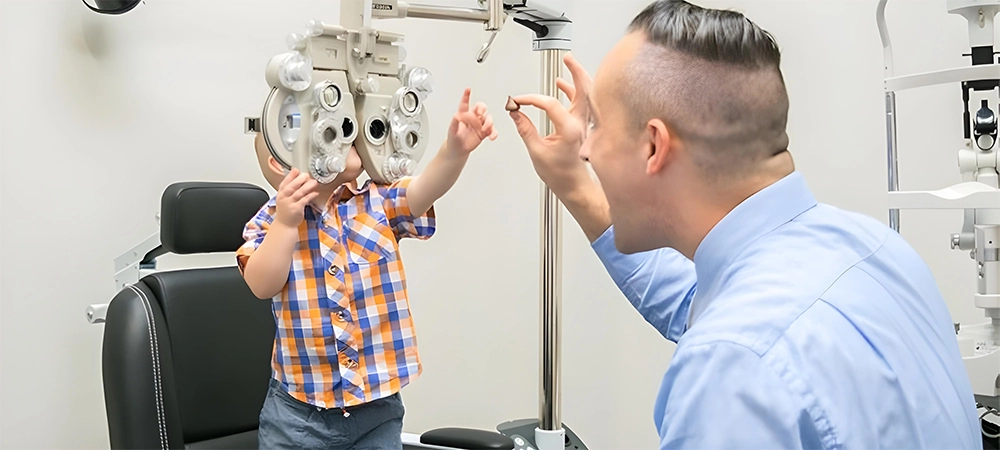
  • Exam-room layout – Adjustable chairs and hand-held devices help optometrists work with toddlers who cannot reach a standard phoropter.
  • Communication style – Does the doctor explain tests in plain language, perhaps letting your child “drive the spaceship” when looking into the autorefractor? Playful cues reduce squirming.
  • Scheduling flow – Short wait times and online forms save frazzled caregivers from extra stress.

Children playing in a kid-friendly waiting area of a pediatric eye care clinic.

Technology: Modern Tools Mean Precise Results

Cutting-edge equipment is not show-boating; it sharpens diagnosis. Parents should expect:

  • Retinal imaging without dilation – Wide-field photography captures the back of the eye in seconds, handy for children sensitive to drops.
  • Computerized visual-field screening – Early glaucoma is rare in kids but not unheard of; quick mapping provides baseline data for later years.
  • Digital lens-edging lab – On-site lens finishing can deliver new glasses the same day, sparing extra school absence.

Ask how often devices are calibrated. A well-maintained autorefractor reduces prescription errors and remake costs.

Financial Clarity: OHIP, Insurance, and Value

Ontario families enjoy OHIP-funded comprehensive exams once every 12 months for anyone 19 or younger. Beyond that, private insurance may cover additional visits, specialty contact-lens fittings, or sports goggles.

Before booking, request:

  • A written fee guide for any services outside the OHIP basket, such as retinal photography.
  • Frame package options that bundle lenses, anti-scratch coatings, and warranty for a predictable price.
  • Direct billing for major insurers: less paperwork means quicker reimbursement.

Transparent pricing prevents surprise bills and builds trust.

Convenience Counts: Location, Hours, and One-Stop Care

Toronto traffic and TTC delays test any parent. Choose a clinic that minimizes journeys:

  • Central access – Sites near subway stations or with validated parking spare time.
  • Extended hours – Evening or Saturday slots reduce missed classes or work.
  • Integrated services – Facilities like Lockwood Clinic house family medicine, diagnostic imaging, and an on-site pharmacy under one roof, streamlining follow-up if your child needs allergy drops or a specialist referral.

Smart Questions for the First Visit

Prepare a short list to gauge fit:

  1. How do you handle children with special needs or high anxiety?
  2. What is your approach to rising childhood myopia?
  3. Can you show sample sports frames and safety certifications?
  4. How do you manage emergency concerns after hours?
  5. What home habits promote healthy vision between visits?

Clear, confident answers signal a practice that values partnership.

Related Article: Services You Can Expect at a Walk-In Clinic in Toronto

Young child undergoing eye test with optometrist using phoropter in clinic.

Red Flags: When to Seek a New Provider

Even respected clinics may not meet your family’s needs forever. Watch for:

  • Persistent rushed exams where questions go unanswered.
  • Frequent prescription remakes with no clear explanation.
  • Outdated equipment older than a decade without evidence of calibration.
  • Inflexible payment terms that ignore government coverage rules.

Your child should feel safe and heard; anything less justifies change.

A Confident Path Forward

Choosing the right optometrist blends professional skill, child-centred care, and practical logistics. Begin by confirming credentials, tour the clinic for comfort cues, and weigh the merits of up-to-date technology.

Factor in OHIP benefits, insurance gaps, and the value of integrated healthcare services. Finally, trust your observations; if the doctor listens, answers with clarity, and turns tests into games, your child is on the way to years of clear, confident sight.

Ready for a friendly eye exam in downtown Toronto? Book your child’s appointment at a trusted and reliable optometric walk-in clinic today. Reach out to us for your child’s eye care needs to secure a convenient time.

Allergy Testing: What to Expect and How It Helps

doctor doing skin allergy test at light table, top view

Seasonal sniffles, unexplained rashes, and late-night coughing fits share one root cause more often than you may think: allergies. An accurate test unpacks those symptoms, matches them to specific triggers, and lays the groundwork for a care plan you can trust.

At downtown Toronto’s Lockwood Clinic, allergy testing fits smoothly into a single visit, giving you fast answers and a clear path forward.

Related Article: Services You Can Expect at a Walk-In Clinic in Toronto

What Is an Allergy?

An allergy is an exaggerated immune response to a harmless substance such as pollen, dust mites, or certain foods. When your body mistakes that substance for a threat, it releases histamine and other chemicals that create itch, swelling, sneezing, or wheezing. Pinpointing the exact trigger allows you to limit exposure and choose treatments that calm the immune system instead of masking flare-ups.

Why Consider Allergy Testing?

Most people reach for over-the-counter pills when symptoms strike, yet guessing the trigger can keep you in a cycle of flare and relief. Testing provides:

  • Clarity: Know whether the culprit is ragweed, cat dander, or last night’s shrimp.
  • Targeted care: Select antihistamines, nasal sprays, or immunotherapy that match the trigger.
  • Lifestyle tips: Adjust cleaning routines, air filters, or meal plans based on solid evidence.
  • Peace of mind: Rule out serious conditions that can mimic allergy signs, such as asthma or eczema.

Types of Allergy Tests Offered at Lockwood Clinic

Before any samples are taken, your clinician will help you match the test to your symptoms, medical history, and medication list. Having the right method from the start avoids repeat appointments and gives the most reliable answers.

  • Skin Prick Test: A nurse places tiny drops of diluted allergens (e.g. as ragweed, mould, or pet dander) on your forearm or upper back, then makes a shallow scratch through each drop. If you are sensitive, a small, mosquito-bite-sized welt appears within 15 minutes. This test covers up to 40 allergens at once and is usually painless, aside from mild itching.
  • Intradermal Test: When a skin-prick result is borderline or when drug allergies are suspected, a trace amount of the allergen is injected just under the first skin layer. Because it reaches slightly deeper tissue, this method picks up reactions the prick test can miss.
  • Patch Test: Ideal for contact dermatitis, the test uses adhesive patches containing common culprits (e.g. nickel, latex, fragrances) that stay on your back for 48 hours. After removal, the nurse checks for redness or blistering that signals sensitivity to products that touch your skin.
  • Specific IgE Blood Test: A single blood draw measures the level of allergy antibodies circulating in your system. It is perfect for patients who cannot stop antihistamines, have eczema that makes skin tests hard to read, or want results for dozens of allergens without multiple needle pricks.

young asian allergist is conducting a prick scratch test to diagnose any allergic reaction on a young male's forearm during a health check visit to a medical clinic

How to Prepare for Your Appointment

A smooth session starts with a little planning.

  • Pause antihistamines: Stop oral and topical antihistamines five days before testing so they do not blunt the skin response.
  • Gather a symptom diary: Note when flare-ups happen, what you ate, and where you were. The diary guides test selection.
  • Wear short sleeves or loose clothing: Easy access speeds the skin test process.
  • Eat a light meal: A steady blood sugar level makes blood draws easier and keeps you comfortable.

What Happens on Test Day?

Each step is quick, gentle, and explained in plain language.

  1. Check-in and medical history review: A nurse confirms medications, recent illnesses, and past reactions.
  2. Skin preparation: The test area is cleaned with alcohol to prevent infection.
  3. Allergen application: Drops or injections go on marked spots. You may feel mild pressure but no real pain.
  4. Observation period: You relax in the clinic lounge while staff monitor for bumps or redness.
  5. Measurement and recording: Raised areas are measured in millimetres to grade reaction strength.
  6. Blood draw (if needed): A phlebotomist collects a small sample for laboratory analysis.
  7. Results discussion: A clinician explains findings, answers questions, and outlines next steps. You leave with printed results and a care plan.

The entire visit usually runs 60 to 90 minutes, and you can resume normal activities right after.

Understanding Your Results

Numbers and millimetre readings only matter when they translate into day-to-day choices. Your clinician will pair the data with your symptom diary to build a practical action plan.

  • Positive Result: A raised bump on skin testing or an elevated IgE level confirms that your immune system flags that substance as a threat. Expect advice on targeted medications, avoidance tactics, and possible immunotherapy.
  • Negative Result: No measurable reaction means that the allergen is unlikely to be driving your symptoms. Your clinician may investigate other triggers, such as irritants or chronic sinus issues.
  • Borderline Result: A mild skin welt or mid-range antibody count can go either way. Follow-up options include a repeat test in several months, an elimination diet, or a monitored exposure challenge to settle the question.

How Allergy Testing Improves Daily Living

Knowing the trigger is only the first step; acting on it brings the real payoff.

  • Medication match: Choose the right antihistamine or inhaler strength and avoid drug side effects from guesswork.
  • Home adjustments: Install high-efficiency filters, wash bedding in hot water weekly, or keep pets out of bedrooms.
  • Diet upgrades: Swap allergenic foods for safe, nutritious options and remove the fear of accidental reactions.
  • Immunotherapy pathway: Candidates with severe or multiple allergies can start shots or tablets that retrain the immune system over time.
  • Travel confidence: Pack wisely for trips, avoiding unknown foods or hotel rooms with down bedding.

close-up of hands putting stack of fresh white bath towels on the bed sheet

Common Myths About Allergy Testing

Misconceptions stop many people from seeking the relief they deserve. Let’s clear up the biggest ones.

  • “Testing is painful.” Skin pricks feel like light scratches, and blood draws use a fine-gauge needle. Most patients describe mild, momentary discomfort.
  • “It takes forever to get answers.” Skin-test reactions appear in 15 minutes, and blood-work results usually come back within a week.
  • “Children are too young to be tested.” Infants as young as six months can be assessed safely, allowing parents to adjust diets or home environments early on.
  • “Drugstore tablets are all I need.” Antihistamines mask symptoms but do not tell you what to avoid or whether immunotherapy could cut your medication use long-term.

Related Article: Understanding the Benefits of Family Practice: Comprehensive Healthcare for All Ages

Why Choose Lockwood Clinic for Allergy Testing?

Identifying a trigger is only half the battle; you also want a walk-in clinic that makes the whole experience seamless. Lockwood Clinic combines nearly a century of medical expertise with modern walk-in convenience, letting you move from testing to treatment without extra stops.

  • One-Stop Care: Family physicians, diagnostic nurses, and an on-site pharmacy share one roof, so you can consult, test, and fill prescriptions in a single visit.
  • Same-Day Access: Walk-in and extended-hour appointments mean you avoid weeks-long waits common at many specialty centres.
  • Downtown Location: Situated close to multiple transit lines and with parking nearby, the clinic is easy to reach whether you live in the core or commute in for work.
  • Experienced Team: Decades of collective experience ensure precise testing techniques and clear explanations. No medical jargon, just actionable advice.
  • Flexible Follow-Up: Prefer virtual check-ins? Need an after-work slot? The clinic offers phone, video, and late-day appointments to keep your care on track without disrupting your schedule.

Related Article: Benefits of Toronto’s Walk-In Clinics: Fast, Flexible, and OHIP-Covered Care

Book Your Allergy Assessment

Clear breathing, restful sleep, and rash-free skin start with solid information. Schedule an allergy test at Lockwood Clinic, bring your symptom diary, and leave with a concrete plan to feel better. Call, walk in, or book online today; relief is closer than you think.

Why Regular Dental Checkups Are Important for Overall Health

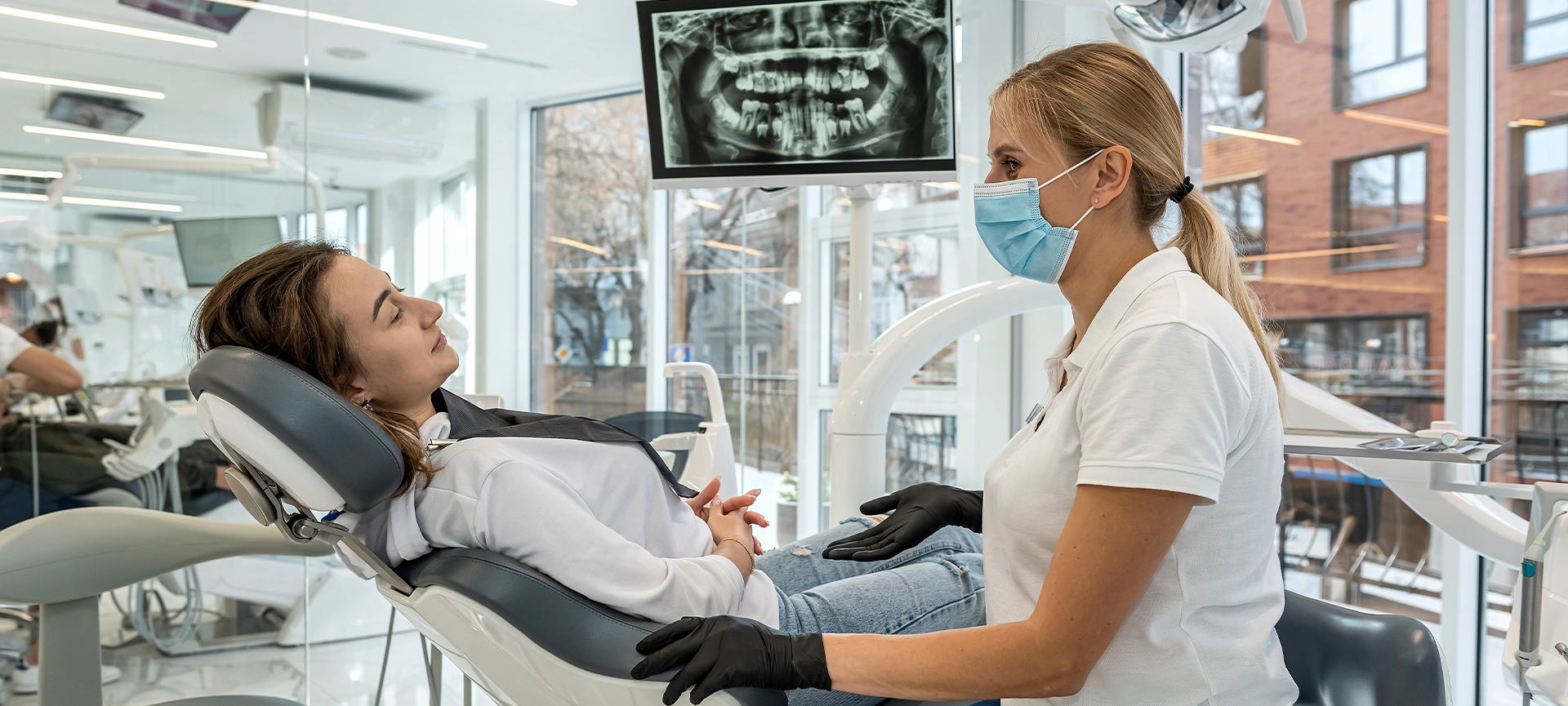
dentist and patient choose treatment during consultation with medical equipment in dentistry

Many people think of dental check-ups as something you do to avoid cavities or keep your smile clean. While that’s true, it’s only part of the picture.

Regular dental visits are about more than your teeth. They’re a key part of protecting your overall health. From detecting early signs of disease to reducing your risk of serious conditions like heart disease and diabetes, the dentist’s chair is more connected to your well-being than most realize.

At Lockwood Clinic, we treat dental care as an important part of our integrated approach to health. Here’s why keeping up with your dental appointments is a smart move for your whole body.

Related Article: The Link Between Oral Health and Heart Disease: What You Should Know

The Link Between Oral Health and General Health

Your mouth isn’t separate from the rest of your body. It’s a gateway to it.

Bacteria that build up in the mouth can travel into the bloodstream, contributing to inflammation and triggering or worsening other health issues. In fact, several studies have linked poor oral health to conditions like:

  • Heart disease
  • Stroke
  • Diabetes
  • Respiratory infections
  • Pregnancy complications

Inflammation in the gums (gingivitis or periodontitis) doesn’t just stay local. It can raise systemic inflammation markers and increase risks in other areas.

What Happens During a Routine Dental Check-Up?

A check-up is more than a quick glance at your teeth.

A standard visit at Lockwood Clinic’s dental department usually includes:

  • Medical and dental history review
  • Oral exam to check for decay, gum issues, lesions, and abnormalities
  • Professional cleaning (removal of tartar and plaque buildup)
  • X-rays, if needed, to spot deeper issues
  • Assessment of jaw, bite, and oral cancer screening

Each of these steps plays a role in identifying issues early, often before they cause pain, cost, or complications.

Related Article: Dental Care Beyond Brushing: Exploring Preventive Dentistry and Dental Treatments

Catching Problems Early = Less Pain, Lower Cost

Dental issues tend to build silently. Cavities, for instance, don’t usually hurt until they’ve grown. Gum disease might not cause noticeable symptoms until it’s advanced. By that point, you might be facing root canals, extractions, or more complex care.

Regular check-ups:

  • Spot decay before it spreads
  • Catch gum disease before it leads to tooth loss
  • Detect oral infections early
  • Prevent abscesses or costly emergency visits

Put simply, the earlier it’s caught, the easier (and cheaper) it is to fix.

dental oral checkup for gum disease

Gum Disease and Systemic Health Risks

Periodontal disease is a chronic gum infection that affects nearly half of adults over 30. Left untreated, it can destroy bone and lead to tooth loss — but the effects don’t stop there.

Research shows links between periodontal disease and:

  • Increased risk of heart attack
  • Worsening diabetes control
  • Higher risk of dementia
  • Low birth weight in babies

Regular dental visits are the first line of defence against gum disease. Cleanings remove tartar that toothbrushes can’t, and early gum issues are often reversible with the right care.

Oral Cancer: Early Detection Saves Lives

Every check-up includes an oral cancer screening. And that’s more important than many people realize.

Oral cancers can develop on the tongue, cheeks, roof of the mouth, and throat. They often go unnoticed in early stages, especially if you don’t smoke or drink. But they still happen.

The 5-year survival rate for oral cancer jumps from 50% to over 80% when it’s caught early.

Your dentist isn’t just cleaning your teeth. They’re potentially saving your life.

Related Article: The Importance of Regular Dental Checkups: Preventing Cavities and Other Oral Health Problems

Dental Health and Chronic Conditions

Your dentist can also help manage or alert you to broader health issues.

Diabetes

Gum disease can make blood sugar harder to control, and people with diabetes are more prone to oral infections. Regular dental care helps spot and manage this two-way relationship.

Heart Disease

Ongoing oral inflammation may contribute to heart problems. Treating periodontal disease can reduce inflammation throughout the body, easing the burden on your cardiovascular system.

Osteoporosis

Loose teeth or receding gums may be an early sign of bone loss. Dental X-rays can sometimes catch what other scans miss.

Mental Health, Confidence, and Quality of Life

Beyond the medical links, regular dental care supports your mental health and self-esteem.

  • Clean teeth reduce bad breath and social anxiety
  • A healthy smile boosts confidence in both personal and professional settings
  • Dealing with dental pain or missing teeth can cause emotional distress, preventable with routine care

For many patients, keeping their oral health in check means staying confident, comfortable, and connected.

Why Dental Visits Should Be Part of Your Health Routine

You wouldn’t skip your annual physical. Your teeth deserve the same level of attention.

We recommend a check-up every six months, though your dentist may adjust that based on your needs. Certain conditions, such as diabetes, pregnancy, or gum disease, may require more frequent monitoring.

At Lockwood Clinic, your dental visit is part of a larger care network. Because all services (medical, diagnostic, and dental) are under one roof, we can coordinate care more efficiently, with better follow-up and communication.

doctor dentist with an assistant work in a dental clinic

What If You Haven’t Been in a While?

Many people delay dental visits due to anxiety, cost, or simply being busy. The truth is it’s never too late to come in.

Our team is trained to treat all patients with respect without judgment and lectures. We focus on what we can do now to improve your oral health moving forward. Whether it’s been 6 months or 6 years, we’ll help you get back on track.

The Lockwood Clinic Advantage

Lockwood Clinic is a well-established walk-in medical facility located in downtown Toronto. It offers a broad range of services, including:

  • Family medicine
  • Walk-in care
  • Physiotherapy
  • Optometry
  • Dental services
  • Audiology
  • X-rays and diagnostic imaging
  • Onsite pharmacy

We focus on accessible, patient-centred care, without requiring appointments for most services. We’re known for compassionate service, convenience, and multidisciplinary collaboration.

Book Your Dental Check-Up Today

Oral health is whole-body health. And keeping your mouth in shape helps protect everything from your heart to your confidence.

Don’t wait until something hurts. Regular dental check-ups are a small investment with a big return for your smile and your health.

Visit us in downtown Toronto today, or call to book your dental check-up. Let us help you stay healthy, from teeth to toes.

Is It Time for a Hearing Test? Signs You Shouldn’t Ignore

audiologist doing hearing check-up to senior man in soundproof audiometric booth

You hear with more than just your ears; you hear with your confidence, your focus, and your connection to the world around you. But what happens when that connection starts to fade? When should you get a hearing test?

Hearing loss rarely arrives all at once. It sneaks in gradually — a missed word here, a louder TV there, a sense that people around you are mumbling more than they used to. These small signs are easy to brush off, but they could be telling you something important: it’s time for a hearing test.

Knowing what to look for can help you catch hearing changes early, when they’re easiest to manage. Below are key signs that shouldn’t be ignored and why getting tested at a clinic sooner rather than later can make all the difference.

Related Article: How Often Should You Get an Eye Exam?

You Frequently Ask People to Repeat Themselves

If you often find yourself saying “What?” or “Can you say that again?”, it could be a sign your hearing isn’t as sharp as it used to be. This is one of the most common and noticeable early signs of hearing loss.

Difficulty Following Conversations in Noisy Places

Struggling to understand what someone is saying in a restaurant, office, or busy family gathering is another common sign. Background noise becomes harder to filter out when hearing declines.

Turning Up the Volume Higher Than Others Prefer

If family members complain the TV or music is too loud, or you rely on subtitles more than before, it might be time for a hearing check. Increasing volume to hear clearly is a red flag.

Ringing, Buzzing, or Hissing Sounds (Tinnitus)

Experiencing persistent noises in your ears when no sound is present could be tinnitus. While not always linked to hearing loss, it often accompanies it and should be assessed.

Withdrawing from Social Situations

If you avoid phone calls, parties, or group conversations because it’s hard to follow what people are saying, hearing loss might be the reason. Avoidance can lead to social isolation over time.

Trouble Hearing High-Pitched Sounds

Missing out on the voices of children, birds chirping, or the beep of your microwave timer can indicate high-frequency hearing loss, which often develops first.

Ear Pain, Fullness, or Fluid

Ongoing discomfort, pressure, or drainage from the ears can affect hearing and may point to a physical issue such as infection or blockage, both of which should be evaluated.

Sudden or Unexplained Hearing Loss

A rapid loss of hearing, even in one ear, requires immediate attention. The sooner you get tested, the better the chances of successful treatment or recovery.

women hearing loss problem

Family History or Health Risk Factors

If you have a family history of hearing issues, or health conditions like diabetes or high blood pressure, you’re at a higher risk. Regular hearing checks can help catch changes early.

Persistent Tinnitus That Interferes with Daily Life

Tinnitus that lasts more than a few days and disrupts sleep or concentration should not be ignored. A hearing test can help determine its cause and explore management options.

Related Article: Finding a Walk-In Clinic in Toronto: A Guide to Convenient and Affordable Healthcare

Why Early Testing Matters

Hearing loss doesn’t just affect your ears, it affects how you think, feel, and function day to day. When left untreated, even mild hearing loss can lead to mental fatigue, irritability, and difficulty concentrating. Many people unconsciously strain to hear and interpret conversations, which takes a toll on energy and focus over time.

Socially, untreated hearing loss often leads to withdrawal and isolation, especially in group settings where following conversation becomes exhausting. This disconnection can increase the risk of depression and anxiety, and studies have linked unaddressed hearing loss to a higher risk of cognitive decline, including dementia.

The good news? Early testing opens the door to simple, effective solutions — from discreet hearing aids to practical communication strategies and assistive devices. In many cases, a test might reveal a temporary issue such as wax buildup, ear infection, or medication side effects.

The sooner you know what you’re dealing with, the sooner you can take control. Hearing tests aren’t just about detecting problems, they’re about protecting your quality of life.

What to Expect from a Hearing Test

A hearing test is simple, painless, and informative. Here’s what it usually involves:

  • Health and hearing history: You’ll be asked about symptoms, noise exposure, and health conditions.
  • Physical ear check: A professional will examine your ears to check for wax buildup or physical issues.
  • Audiometric testing: You’ll listen to tones and speech through headphones to assess your hearing levels across frequencies.
  • Middle ear testing: Sometimes, a test is performed to see how well your eardrum and middle ear are functioning.
  • Results and plan: Your audiologist will explain the results and recommend next steps, if needed.

How Often Should You Get Tested?

If you’re over 50 or have noticed any of the above signs, an annual hearing check is a good rule of thumb. However, anyone experiencing symptoms should book a test right away, regardless of age.

otolaryngologist doctor checking senior woman ear using otoscope

Take Action on Your Hearing

Hearing loss doesn’t always happen overnight, and it’s easy to ignore small changes until they add up. But acting early can make a huge difference in communication, confidence, and everyday quality of life.

Related Article: Who Can Visit a Walk-In Clinic in Toronto

Shedule Hearing Tests at Lockwood Clinic

If you’re ready to take control of your hearing health, you don’t have to wait. The Lockwood Clinic in downtown Toronto offers audiology services. Whether it’s your first test or a follow-up, our professional staff will guide you through every step with care and clarity.

Stop guessing, stop struggling. Contact us at 1-888-437-9886 and schedule your hearing test in Toronto today!

Recovering from Injury: How Physiotherapy Aids in Healing

young male patient visiting female doctor traumatologist

Injuries happen, whether it’s a fall, a car accident, a sports strain, or a workplace incident. And while rest is part of healing, it’s not the full answer. Physiotherapy plays a key role in recovery by helping people regain strength, mobility, and independence without relying solely on medication or passive treatment.

At Lockwood Clinic in downtown Toronto, physiotherapy is part of a patient-focused model that combines convenience with expert care. Whether you’ve just walked in after an acute injury or are following up post-surgery, our team works with you to build a plan that actually gets you moving again, safely and steadily.
What Is Physiotherapy?

Physiotherapy is a hands-on, science-based healthcare discipline that focuses on improving physical function. Physiotherapists use a range of tools — from guided exercises to manual therapy, electrotherapy, and education — to help people recover after an injury or surgery, manage chronic pain, and avoid further damage.

But physiotherapy isn’t just about fixing what’s broken. It’s about restoring function, helping people move, live, and work without pain holding them back.

Related Article: 5 Benefits of Physiotherapy for Chronic Pain Management

Why Injuries Need More Than Rest

Let’s say you sprain your ankle. The natural instinct might be to stay off it entirely until the pain fades. While that might feel right, it can actually cause more harm long-term. Prolonged rest leads to stiffness, muscle loss, and delayed healing. Worse, you may start compensating with other parts of your body, creating new problems down the line.

This is where physiotherapy steps in. A physiotherapist will guide you through active recovery, striking the right balance between movement and protection. They help you avoid overuse but also prevent underuse, which is just as risky.

How Physiotherapy Supports Healing

At Lockwood Clinic, our physiotherapists tailor each recovery plan to the individual. There’s no one-size-fits-all. Your treatment will depend on your injury, health history, mobility level, and goals.

Here’s how physiotherapy makes a difference:

1. Speeds Up Recovery Time

Therapists use evidence-based techniques to activate the body’s natural healing processes. They improve circulation, reduce swelling, and get you moving sooner, which all contribute to a faster, more complete recovery.

2. Reduces Pain Without Overreliance on Medications

Through manual therapy, targeted exercises, and modalities like TENS or ultrasound, physiotherapy addresses pain at its source rather than just masking it with pills.

3. Prevents Long-Term Complications

Untreated injuries can lead to scar tissue, chronic pain, loss of mobility, or re-injury. Physiotherapists identify issues early and help correct poor movement patterns before they turn into lasting problems.

4. Improves Strength, Balance, and Flexibility

Many injuries cause muscle imbalances or reduced stability. Physiotherapists work to restore strength in key muscle groups, improve flexibility, and retrain balance to help prevent future injuries.

5. Supports Mental and Emotional Health

Being injured can affect your mental health, especially if it limits your independence or stops you from working. Physiotherapy gives you back a sense of progress and control, which is key for motivation and recovery.

woman doctor helps a little kid child patient girl walk with crutches at the clinic after her leg injury

Common Injuries Treated with Physiotherapy

You don’t have to be an athlete to benefit from physiotherapy. Common cases we see at Lockwood Clinic include:

  • Sprains and strains (ankle, wrist, shoulder)
  • Knee injuries (including post-ACL surgery)
  • Back and neck pain
  • Fractures and dislocations
  • Tendonitis and bursitis
  • Workplace and repetitive strain injuries
  • Motor vehicle accident injuries (e.g. whiplash)

Physiotherapy is also helpful post-surgery to rebuild mobility and strength, especially after joint replacements or spinal procedures.

What to Expect at Your Appointment

Our physiotherapists at Lockwood Clinic take the time to get to know your injury and your body. Here’s what happens when you come in:

1. Assessment and Diagnosis

The first visit includes a thorough physical assessment. The therapist will evaluate your range of motion, strength, posture, and pain levels. They’ll also ask about your lifestyle, activity level, and what goals you want to reach.

2. Treatment Plan

Based on the assessment, your physiotherapist creates a custom recovery plan. This may include:

  • Guided therapeutic exercises
  • Manual therapy (joint mobilization, soft tissue release)
  • Modalities (heat, cold, TENS, ultrasound)
  • Education about posture, activity modifications, or workplace ergonomics

3. Ongoing Progress Monitoring

As your condition improves, your plan will adapt. You’ll gradually build strength and reduce your dependence on therapy. The goal is to return to full function, not just feel better temporarily.

4. Self-Management Strategies

You’ll also learn home exercises and strategies to manage your symptoms independently. This helps maintain your progress and reduces the risk of re-injury.

Related Article: Lockwood Clinic Explores the Advantages of Physiotherapy as Rehabilitation and Plan Management Techniques

Why Choose Lockwood Clinic for Physiotherapy?

Physiotherapy is only as good as the team behind it. And at Lockwood Clinic, you’re in capable hands. Our therapists are trained, experienced, and work alongside a full medical team under one roof.

Here’s what sets us apart:

  • Walk-in access: No need to wait for weeks to get started. Most patients can be seen quickly, even without a referral.
  • Onsite diagnostic services: Need an X-ray or ultrasound to confirm the injury? We’ve got it in-house. No extra trips required.
  • Integrated care: Our physiotherapists work closely with family doctors, pharmacists, and specialists to make sure your treatment is fully aligned with your overall health plan.
  • Downtown Toronto location: Convenient for residents and workers alike, with easy access to public transit.
  • Compassionate, personalized approach: We treat people, not just injuries. Your plan is built around your body, your pace, and your recovery goals.

From Injury to Independence

Let’s say you slipped on ice and fractured your wrist. After the cast comes off, your wrist is stiff, weak, and painful. You can’t grip properly, and even simple tasks like brushing your teeth or typing are difficult.

Instead of waiting it out and hoping it gets better, you visit Lockwood Clinic’s physiotherapy department. Your therapist starts with range-of-motion exercises, gradually introducing resistance work and grip-strength tools. After a few weeks, you’ve regained most of your function. And more importantly, you’ve avoided long-term stiffness and loss of motion.

That’s the power of early, focused physiotherapy.

Related Article: Services You Can Expect at a Walk-In Clinic in Toronto

physiotherapist working with elderly patient in clinic

You Don’t Need to Wait to Heal

Some people think physiotherapy is only for severe injuries or athletes, but it’s for anyone who wants to heal properly, stay active, and avoid long-term pain. And with Lockwood Clinic’s accessible, patient-first model, getting the help you need is easier than ever.

Whether you’ve just had a minor sprain or a major surgery, our team is here to get you back on your feet, literally.

Moving Forward, One Step at a Time

Healing takes time, but it doesn’t have to happen alone, and it doesn’t have to happen slowly. With physiotherapy at Lockwood Clinic, recovery becomes a guided process. You’ll move with purpose, build strength with support, and gain the confidence to return to your normal routine pain-free.

Book your physiotherapy consultation today. No referral required. Walk in, get assessed, and start your recovery with a team that puts your health first.

The Link Between Oral Health and Heart Disease: What You Should Know

link between oral health and heart disease

We often think of brushing and flossing as habits that protect our teeth and gums, but their impact goes deeper than a bright smile. Mounting research shows a powerful connection between oral health and heart health. Ignoring your mouth could increase your risk of serious cardiovascular issues, including heart disease, stroke, and clogged arteries.

At Lockwood Clinic, we believe in whole-body care. Here’s what you need to know about how your dental habits affect your heart—and how regular checkups might be doing more than you think.

Related Article: Dental Care Beyond Brushing: Exploring Preventive Dentistry and Dental Treatments

How Oral Health and Heart Disease Are Connected

Your mouth isn’t just the starting point of your digestive system. It’s a window into your overall health. Research shows that gum disease and other oral infections can contribute to inflammation in the body, including in the arteries. Understanding this link is key to protecting both your smile and your heart.

The Inflammation Link

When you have gum disease (periodontitis), your gums become inflamed and infected. That inflammation doesn’t just stay in your mouth. It can enter the bloodstream and trigger inflammation elsewhere in the body, including in your arteries.

Chronic inflammation is a major risk factor for atherosclerosis, a condition where plaque builds up inside the arteries and restricts blood flow. This can lead to heart attacks and strokes.

Bacteria Entering the Bloodstream

When you have poor oral hygiene, harmful bacteria from your mouth can enter your bloodstream through inflamed gum tissue. These bacteria can travel to your heart and contribute to the formation of arterial plaque or even infect the inner lining of the heart (a condition called endocarditis).

Shared Risk Factors

Some of the same risk factors that lead to heart disease also contribute to poor oral health. These include:

  • Smoking
  • Diabetes
  • Poor diet
  • Chronic stress

This overlap makes it even more important to maintain good oral care, especially if you’re already at risk for heart issues.

Related Article: The Importance of Regular Dental Checkups: Preventing Cavities and Other Oral Health Problems

Warning Signs in Your Mouth That Shouldn’t Be Ignored

Your mouth often gives early clues about your overall health, especially when it comes to your heart. Ignoring small symptoms now can lead to serious complications later.

Here are some oral red flags that deserve immediate attention:

  • Bleeding Gums When Brushing or Flossing: Occasional bleeding might seem harmless, but regular gum bleeding is usually a sign of inflammation, most commonly gingivitis or early-stage periodontal disease. Left untreated, this inflammation can spread, allowing harmful bacteria to enter your bloodstream and potentially contribute to artery damage.
  • Chronic Bad Breath: If you’re constantly reaching for mints or gum, your body might be trying to tell you something. Persistent bad breath can stem from bacterial buildup beneath the gum line, which not only affects oral hygiene but is also linked to systemic inflammation.
  • Gums Pulling Away from Your Teeth: Gum recession exposes the roots of your teeth, making them more sensitive and more vulnerable to decay. It’s also a hallmark of progressing periodontal disease — a condition tied to increased heart disease risk.
  • Loose or Shifting Teeth: Teeth that start to move or feel unstable indicate a breakdown in the support structures of your mouth. This often happens in advanced gum disease, which damages the bone and connective tissues. And by extension, may elevate inflammatory markers associated with cardiovascular issues.
  • Persistent Mouth Infections: Ongoing infections in your gums or around your teeth shouldn’t be brushed off. They can serve as entry points for bacteria to spread throughout the body, potentially contributing to conditions like endocarditis (an infection of the heart’s inner lining).

If you notice any of these symptoms, don’t wait. These signs are more than just dental concerns. They may be early warnings of broader health issues.

woman feeling pain while brushing her teeth

Who’s at Higher Risk?

While everyone should prioritize oral health, certain individuals need to be extra cautious:

  • People with existing heart conditions
  • Those with diabetes or autoimmune diseases
  • Smokers and heavy drinkers
  • Individuals with a family history of cardiovascular disease
  • Anyone with persistent gum issues

Talk to your doctor or dentist if you fall into any of these groups. A collaborative care approach may help catch issues early.

What You Can Do to Protect Both Mouth and Heart

Caring for your oral health isn’t just about avoiding cavities. It could also lower your risk of heart disease. Fortunately, small daily habits can make a big difference.

Here’s what you can start doing right now to support both your dental and cardiovascular health.

1. Brush and Floss Consistently

Brush twice a day with fluoride toothpaste and floss daily. Don’t skip nighttime brushing, when bacteria are most active.

2. Schedule Regular Dental Visits

Visit your dentist at least twice a year; more often if you have ongoing issues. Professional cleanings help remove tartar that brushing alone can’t.

3. Eat a Heart-Healthy, Mouth-Friendly Diet

Cut back on sugar and processed foods. Choose:

  • Leafy greens
  • Nuts and seeds
  • Lean proteins
  • Fruits (especially berries)
  • Whole grains

These foods support strong teeth and reduce inflammation throughout the body.

4. Don’t Ignore Bleeding or Swollen Gums

If you notice bleeding, sensitivity, or swelling, don’t wait for your next checkup. These could signal early gum disease.

5. Manage Stress

Stress can impact both oral health (clenching, grinding) and heart health (blood pressure, inflammation). Try:

  • Deep breathing
  • Yoga
  • Regular exercise
  • Better sleep habits

6. Communicate With Your Healthcare Team

Let your dentist know if you have heart disease, and inform your doctor about any oral health issues. In some cases, your physician may prescribe antibiotics before certain dental procedures to reduce infection risk.

Related Article: Finding a Walk-In Clinic in Toronto: A Guide to Convenient and Affordable Healthcare

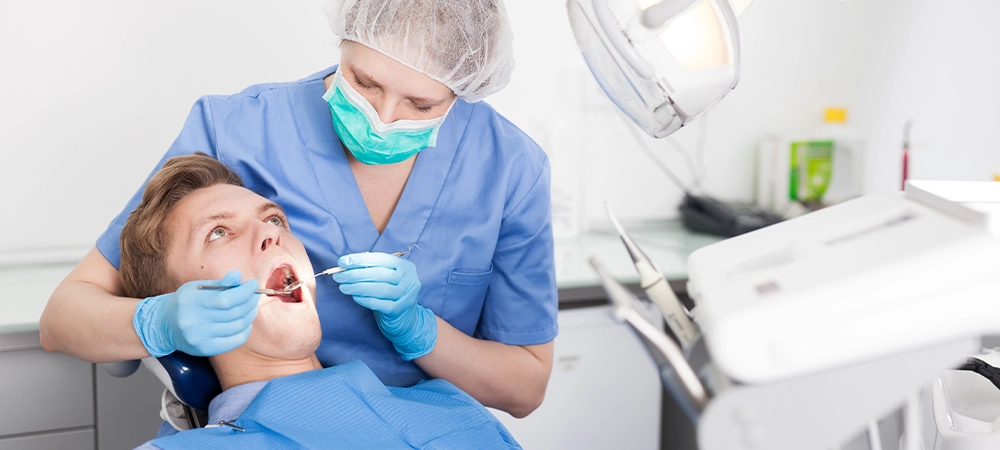
young attractive man visiting dentist, sitting in dental chair at modern light clinic

Your Mouth Tells a Bigger Story

Your oral health is more than cosmetic. It’s a window into your body’s overall wellness. The gums, teeth, and tissues in your mouth can offer early clues about what’s happening elsewhere, including your heart.

Taking good care of your teeth isn’t just about preventing cavities. It’s a vital step in protecting your cardiovascular health, especially as you age.

Concerned about your oral or heart health? Schedule a visit with Lockwood Clinic today. Our integrated approach ensures you get the full picture: from gums to heart.

COIN303

KOIN303

COIN303

COIN303

COIN303

COIN303

COIN303

judi bola online

coin303

coin303

coin303

coin303

coin303

coin303

coin303

Situs KOIN303

agen slot coin303

Koin303

Slot COIN303

situs slot

slot online

LINK KOIN303

Bandar Togel

coin303

coin303

agen casino online

judi bola online

slot resmi

coin303

coin303

coin303

coin303

PG Soft

situs casino

situs judi bola

judi bola

login coin303

coin303

coin303

situs slot mahjong

link koin303

kaitan dengan mahjong ways

fakta mahjong ways yang luar biasa

begini peran mahjong ways

koin303

jadi sorotan detail mahjong ways

coin303

coin303

coin303

mix parlay

https://www.bastiansecurity.co.id/monitoring/

Situs APK Slot

Tren Baru Hiburan Digital Game Online Mahjong Ways 2 yang Kian Populer

Dari Hobi Bermain Mahjong Ways Jadi Peluang Menguntungkan Menarik di Era Digital

Mengapa Game Viral Mahjong Ways 2 Semakin Diminati? Ini Faktor Pendorongnya

Evolusi Viralnya Mahjong Ways: Memberikan Inovasi Fitur dan Tantangan yang Makin Seru

Dampak Positif Perkembangan Game Viral Mahjong Ways terhadap Industri Hiburan Online

Strategi Developer dalam Mengembangkan Game Viral Mahjong Ways yang Digemari Pengguna

Game Viral Mahjong Ways 2026: Prediksi Tren dan Teknologi yang Akan Mendominasi

Dari Media Sosial ke Aplikasi, Begini Perjalanan Game Viral Mahjong Ways 2

Peran Komunitas Digital dalam Mendorong Popularitas Game Viral Mahjong Ways 2

Game Viral Mahjong Ways 2 dan Generasi Muda: Tren, Peluang, dan Tantangan Baru

agen bola

agen slot

coin303

coin303

coin303

COIN303

coin303

coin303

coin303