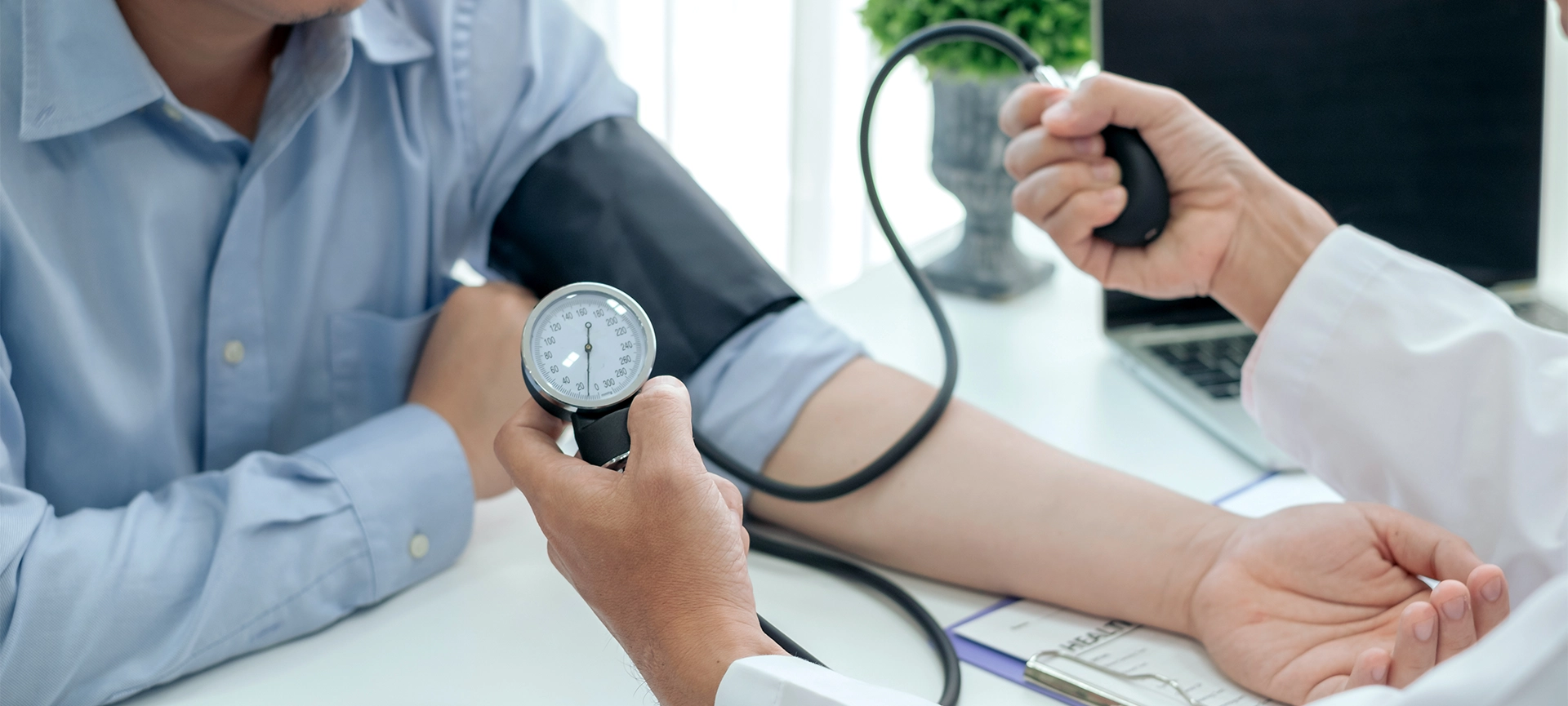
Blood pressure is one of the most commonly measured health markers, yet it is also one of the most misunderstood. Many people are told their numbers are “borderline” or “a bit high” without a clear explanation of what that means for their health today or five years from now. Because high blood pressure often causes no symptoms, it is easy to ignore until damage has already begun.
Understanding your blood pressure levels gives you control. It helps you recognize early warning signs, make informed lifestyle choices, and know when medical support is needed rather than relying on guesswork or online myths.
Related Article: Identifying Cardiac Risks: A Comprehensive Guide to Heart Disease Risk Factors
What Blood Pressure Actually Measures
Blood pressure reflects how hard your heart must work to move blood through your arteries. It is recorded as two values because circulation changes with each heartbeat.
- Systolic pressure is the force against the artery walls when the heart contracts. Higher systolic readings place stress on the heart, brain, and major blood vessels.
- Diastolic pressure measures pressure when the heart relaxes between beats. Persistently high diastolic pressure limits how well the heart rests and refills.
Both numbers influence risk. A normal top number does not cancel out a high bottom number, and vice versa. Long-term strain on either side increases the chance of heart disease, stroke, vision problems, and kidney damage.
Blood Pressure Ranges and What They Mean for Your Body
Blood pressure categories are based on evidence linking specific ranges to health outcomes. They are not labels; they are decision tools.
Normal Blood Pressure: Below 120 / 80
This range reflects healthy circulation with minimal strain on blood vessels. Arteries remain flexible, blood flow is efficient, and organs receive a steady oxygen supply. Even with normal readings, routine monitoring is important because blood pressure tends to rise with age and lifestyle changes.
Elevated Blood Pressure: 120–129 / Below 80
Elevated blood pressure is an early warning stage. At this level, arteries are already experiencing increased pressure, even though damage may not yet be detectable. Without changes, many people in this range progress to hypertension within a few years. This is the ideal stage to act because lifestyle adjustments are often enough to bring numbers down.
Hypertension Stage 1: 130–139 / 80–89
Stage 1 hypertension increases the risk of cardiovascular disease, especially when combined with factors such as diabetes, high cholesterol, smoking, or family history. Some people may feel headaches or fatigue, but many feel nothing at all.
Medical guidance helps determine whether lifestyle changes alone are sufficient or whether medication is appropriate.
Hypertension Stage 2: 140 / 90 or Higher
At this stage, blood vessels are under constant stress. The heart works harder, arteries stiffen, and the risk of stroke, heart attack, and kidney disease rises significantly. Most people at this level require medical treatment alongside lifestyle changes to reduce long-term harm.
Hypertensive Crisis: 180 / 120 or Higher
This level requires urgent assessment. Symptoms may include chest pain, shortness of breath, confusion, severe headache, or vision changes. Even without symptoms, readings this high should never be ignored.
Related Article: How to Manage Holiday Stress: Tips for Protecting Your Mental and Physical Health
Why Blood Pressure Is About Patterns, Not Single Numbers
Blood pressure changes throughout the day. Stress, poor sleep, caffeine, pain, illness, and physical activity all influence readings. A single high measurement does not always mean chronic hypertension.
Clinicians look for patterns by:
- Taking repeated readings on different days
- Comparing home and clinic measurements
- Reviewing readings taken at rest
- Assessing trends over weeks or months
Consistently elevated readings are what increase risk. Tracking patterns provides clarity and prevents unnecessary treatment or missed diagnosis.
Factors That Commonly Drive High Blood Pressure
High blood pressure usually develops from a combination of influences rather than one cause.
- Genetics and family history
- High sodium intake from processed foods
- Low physical activity
- Chronic stress or poor sleep quality
- Excess body weight
- Alcohol use
- Certain medications
- Kidney, thyroid, or hormonal conditions
Identifying these factors allows care to focus on root causes rather than short-term fixes.
When Lifestyle Changes Can Lower Blood Pressure
For many people with elevated or stage 1 hypertension, daily habits have a strong impact on blood pressure control.
Helpful changes include:
- Preparing more meals at home to reduce sodium
- Walking or moving most days of the week
- Maintaining consistent sleep routines
- Limiting alcohol intake
- Managing stress through structure and recovery time
- Monitoring blood pressure at home to stay informed
These steps improve vascular health and reduce progression to more severe hypertension.
Related Article: The Importance of Regular Checkups: Your first Step to Lasting Health
When Medical Assessment Is Important
Medical review is recommended when:
- Blood pressure stays high despite lifestyle efforts
- Readings reach stage 2 hypertension
- Symptoms such as headaches, dizziness, or chest discomfort appear
- There is a history of heart disease, stroke, or kidney problems
Assessment may include blood tests, urine tests, or imaging to identify contributing conditions and guide safe treatment.

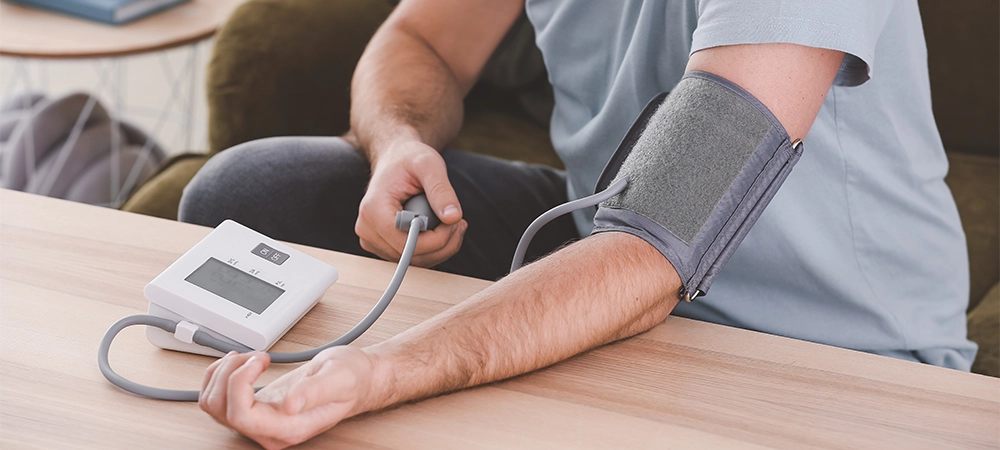
How to Monitor Blood Pressure Accurately at Home
Home monitoring supports better decisions when done correctly.
- Rest quietly for five minutes before measuring
- Sit with feet flat and back supported
- Keep the arm at heart level
- Avoid caffeine and exercise for 30 minutes beforehand
- Record readings with date and time
Sharing these records with a clinician improves accuracy and reduces uncertainty.
Taking the Right Action at the Right Time
Blood pressure is a long-term health signal, not a one-day result. Understanding what your numbers mean helps you act early, prevent complications, and protect your heart, brain, and kidneys.
If you want a professional review or consistent monitoring, visit Lockwood Diagnostic Clinic. Our walk-in clinic provides blood pressure checks, medical assessments, and follow-up care without long waits.
Take control of your blood pressure and book a visit today.
Frequently Asked Questions
Can anxiety or stress cause long-term high blood pressure?
Short-term stress can raise blood pressure temporarily, but chronic stress may contribute to sustained elevation by disrupting sleep, hormones, and coping habits. Medical review helps separate temporary spikes from true hypertension.
Why is blood pressure often higher at the doctor’s office?
Some people experience “white coat” blood pressure, where readings rise due to anxiety during medical visits. Home monitoring or repeat checks help confirm whether readings are consistently elevated.
Does blood pressure change with age even if lifestyle stays the same?
Yes. Blood vessels naturally stiffen over time, which can increase systolic pressure. Regular monitoring becomes more important with age, even without major lifestyle changes.
Is low blood pressure a problem if I feel fine?
Low readings are not always harmful, but dizziness, fainting, or fatigue may indicate reduced blood flow to vital organs. Persistent symptoms should be assessed by a clinician.
How often should blood pressure be checked if readings are normal?
For adults with normal readings, checking once a year is reasonable. More frequent checks are advised if risk factors such as family history or weight changes are present.
Can dehydration affect blood pressure readings?
Yes. Dehydration can lower blood pressure and cause dizziness, while fluid shifts can temporarily raise readings. Hydration status should be considered when interpreting results.