

Healthy sight fuels reading, sport, and social confidence. Vision drives language growth, hand‑eye co‑ordination, and classroom behaviour, so small gaps in acuity can ripple across a child’s day.
Toronto paediatricians recommend the first optometry visit by six months, another at age three, and yearly checks once school begins. Early screening spots amblyopia, strabismus, and refractive errors while the visual system is still plastic, allowing timely action before blurred print or poor depth perception holds learning back.
Prompt correction lifts marks, eases headaches, and keeps kids eager to join gym class and art projects. With a clear baseline in place, the next step is to understand how regular eye exams keep that sharp vision on track.
Related Article: The Benefits of Early Vision Screening for Children: Ensuring a Bright Future with Clear Vision
How Regular Eye Exams Shape Bright Futures
Briefly, routine eye checks:
- Detect silent issues: Near-sightedness, colour vision limits, and focusing delays seldom cause pain, so children rarely complain.
- Support classroom success: Clear sight aids print decoding and board work, lifting grades.
- Protect eye health: Screening for allergies, UV damage, and diabetic changes guards long-term vision.
Yearly testing aligns with Ontario Health Insurance Plan (OHIP) coverage for residents aged 19 and under, making prevention both wise and affordable.
Credentials That Build Confidence
Parents trust letters on a wall only when they understand them. Look for:
- OD licence plus paediatric focus – All Ontario optometrists finish a Doctor of Optometry, yet extra internships or certifications in children’s eye care indicate deeper skill.
- College of Optometrists of Ontario standing – A quick public register search confirms active status and absence of disciplinary findings.
- Therapeutic endorsement – This qualification allows the practitioner to prescribe medicated drops, convenient when pink-eye sweeps through daycare.
- Continuing education – Ask how many hours they completed last year on paediatric topics; engaged clinicians keep pace with research on myopia control lenses and blue-light filtering.
Related Article: The Role of Optometry in Maintaining Health Vision: Eye Exams and Vision Care
Clinic Environment: Turning Fear into Curiosity
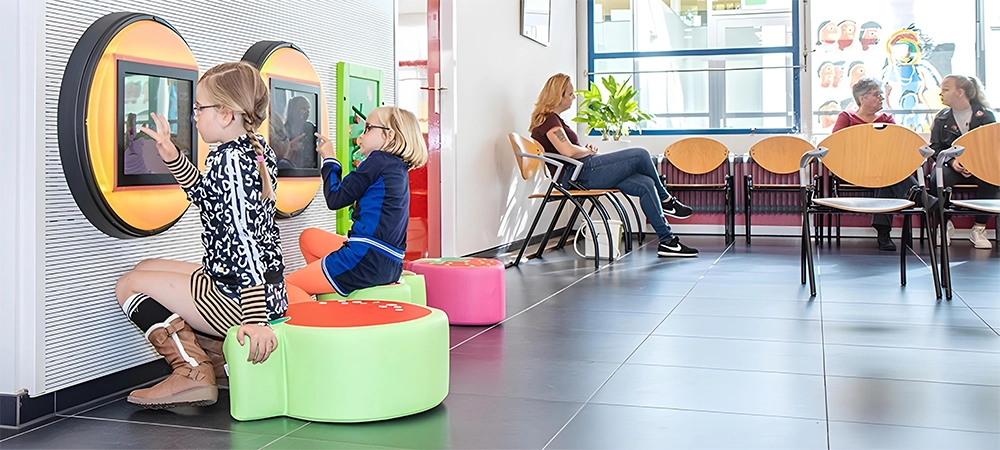
A bright space and friendly staff lighten appointment anxiety. During your tour, note:
- Waiting-area touches – Clean toys, storybooks, and low seating signal that kids are welcome.
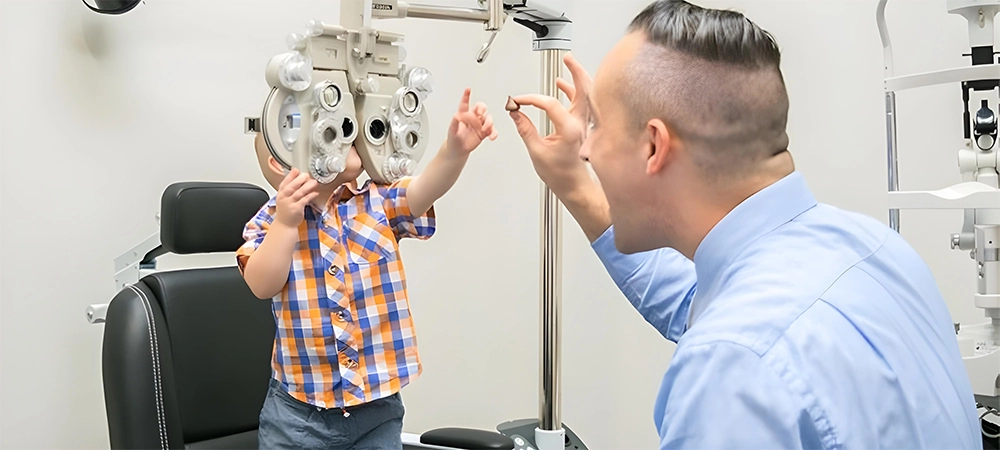
- Exam-room layout – Adjustable chairs and hand-held devices help optometrists work with toddlers who cannot reach a standard phoropter.
- Communication style – Does the doctor explain tests in plain language, perhaps letting your child “drive the spaceship” when looking into the autorefractor? Playful cues reduce squirming.
- Scheduling flow – Short wait times and online forms save frazzled caregivers from extra stress.
Technology: Modern Tools Mean Precise Results
Cutting-edge equipment is not show-boating; it sharpens diagnosis. Parents should expect:
- Retinal imaging without dilation – Wide-field photography captures the back of the eye in seconds, handy for children sensitive to drops.
- Computerized visual-field screening – Early glaucoma is rare in kids but not unheard of; quick mapping provides baseline data for later years.
- Digital lens-edging lab – On-site lens finishing can deliver new glasses the same day, sparing extra school absence.
Ask how often devices are calibrated. A well-maintained autorefractor reduces prescription errors and remake costs.
Financial Clarity: OHIP, Insurance, and Value
Ontario families enjoy OHIP-funded comprehensive exams once every 12 months for anyone 19 or younger. Beyond that, private insurance may cover additional visits, specialty contact-lens fittings, or sports goggles.
Before booking, request:
- A written fee guide for any services outside the OHIP basket, such as retinal photography.
- Frame package options that bundle lenses, anti-scratch coatings, and warranty for a predictable price.
- Direct billing for major insurers: less paperwork means quicker reimbursement.
Transparent pricing prevents surprise bills and builds trust.
Convenience Counts: Location, Hours, and One-Stop Care
Toronto traffic and TTC delays test any parent. Choose a clinic that minimizes journeys:
- Central access – Sites near subway stations or with validated parking spare time.
- Extended hours – Evening or Saturday slots reduce missed classes or work.
- Integrated services – Facilities like Lockwood Clinic house family medicine, diagnostic imaging, and an on-site pharmacy under one roof, streamlining follow-up if your child needs allergy drops or a specialist referral.
Smart Questions for the First Visit
Prepare a short list to gauge fit:
- How do you handle children with special needs or high anxiety?
- What is your approach to rising childhood myopia?
- Can you show sample sports frames and safety certifications?
- How do you manage emergency concerns after hours?
- What home habits promote healthy vision between visits?
Clear, confident answers signal a practice that values partnership.
Related Article: Services You Can Expect at a Walk-In Clinic in Toronto
Red Flags: When to Seek a New Provider
Even respected clinics may not meet your family’s needs forever. Watch for:
- Persistent rushed exams where questions go unanswered.
- Frequent prescription remakes with no clear explanation.
- Outdated equipment older than a decade without evidence of calibration.
- Inflexible payment terms that ignore government coverage rules.
Your child should feel safe and heard; anything less justifies change.
A Confident Path Forward
Choosing the right optometrist blends professional skill, child-centred care, and practical logistics. Begin by confirming credentials, tour the clinic for comfort cues, and weigh the merits of up-to-date technology.
Factor in OHIP benefits, insurance gaps, and the value of integrated healthcare services. Finally, trust your observations; if the doctor listens, answers with clarity, and turns tests into games, your child is on the way to years of clear, confident sight.
Ready for a friendly eye exam in downtown Toronto? Book your child’s appointment at a trusted and reliable optometric walk-in clinic today. Reach out to us for your child’s eye care needs to secure a convenient time.