
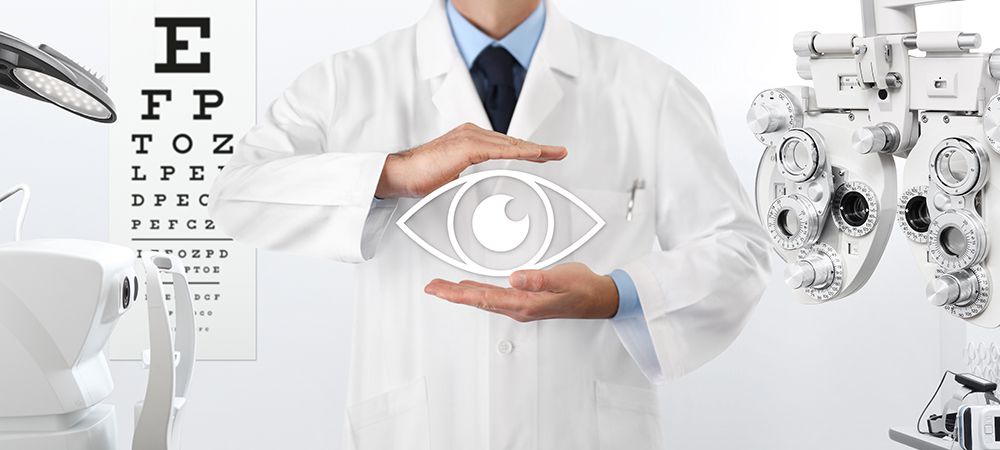
There are two main categories of eye doctors: opthamologists and optometrists. Opticians are also an important part of eye care but they are not medical doctors and are unable to give eye exams. Each of these professionals have different specialties and levels of training in certain areas. Often you will need more than one of these medical professionals to care for your ocular health. Here we will look at the difference between each type of eye doctor and when you should visit each.
Ophthalmologist: Advanced Eye Care and Surgery
An ophthalmologist is an eye care professional that treats and diagnoses eye diseases along with providing surgical options for certain conditions. Along with surgical solutions for eye trauma, vision correction, and cataracts, some also provide eye lifts for those with sagging eyelids or wrinkles around the eyes.
Type of Training: An ophthalmologist is a medical doctor who will have gone through upwards of 8 years of training including medical school, internship and a residency.
Specialities: An ophthalmologist can treat and diagnose eye diseases including glaucoma, cataracts, various eye trauma and eye conditions caused by other medical problems such as vision loss due to diabetes. An ophthalmologist will also likely have a research role in finding information and treatments for eye concerns. This can sometimes give them more current knowledge and be better able to treat less common eye issues.
When to Visit: An ophthalmologist can be consulted for a wide range of eye issues, but they are the best option for when you need surgical intervention including laser eye treatment. Similarly, if you have a severe eye condition, such as diabetic retinopathy, an ophthalmologist is a better option than an optometrist who may not be able to deliver full treatment or who may not be able to prescribe certain drugs or perform surgery.
Optometrist: Primary Eye Care
An optometrist has many of the same treatment and diagnostic capabilities as an ophthalmologist. They are also medical doctors and can give basic eye exams, provide prescriptions, and advise on treatment. They, however, do not perform surgery.
Type of Training: Similar to ophthalmologists, optometrists attend four years of medical school. Where they differ, is that an optometrist will only have one year of residency versus four for an ophthalmologist. This training gives an optometrist many of the same abilities as an ophthalmologist with the primary exception of surgery.
Specialities: Optometrists can perform eye exams, make diagnoses and prescribe most medications. However, in some areas. an optometrist may not be able to prescribe certain drugs, especially opioids.
When to Visit: An optometrist is a good choice if you need an eye exam or have any kind of new vision trouble. One area where optometrists are especially adept is in specialty lens fittings. They typically have more expertise in this. If surgical intervention is required, your optometrist will likely refer you to an ophthalmologist.
Optician: Lens and Contacts
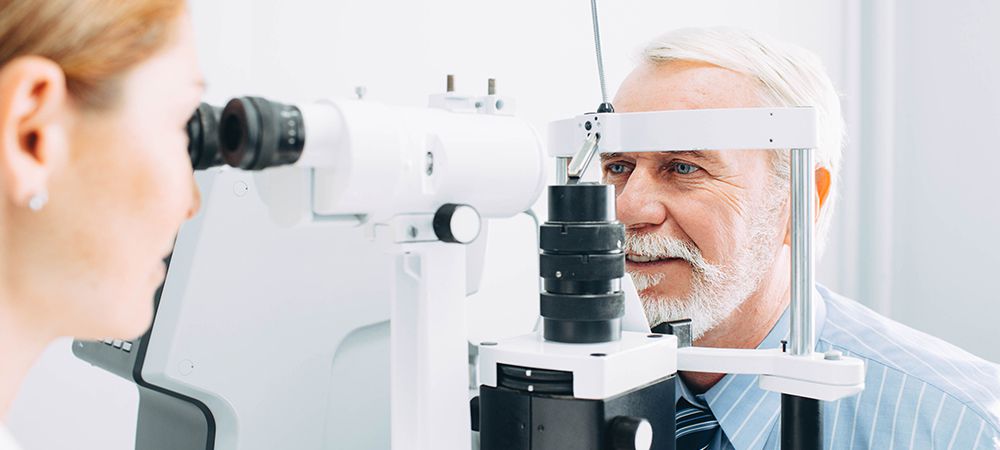
An optician, unlike an ophthalmologist or optometrist, is not a medical doctor. Instead, they typically receive a two year degree or sometimes a certificate. This education gives them the expertise to interpret recommendations and diagnoses from other eye care professionals and use this to recommend the right contacts or glasses for you.
Specialities: An optician is unable to give a diagnosis or an eye exam. However, they are experts in recommending contact lenses and glasses. They also expertly measure you to give you the ideal fit for your new glasses.
When to Visit: You will generally see an optician only once you have a glasses or contact prescription from another eye doctor. Anytime you need new glasses or if you find your current glasses or lense are causing you problems, an optician will be able to find you a solution.
Eye Specialists
Within the broad categories of ophthalmologists and optometrists, there are some eye doctors who specialize in particular problems including: pediatric ophthalmology, eye plastic surgery, neurology, retina specialist, glaucoma specialist, cornea specialists.
When to See an Eye Doctor
In many cases, both an optometrist and ophthalmologist can help with an eye problem. Their capabilities are very similar. With the exception of surgery and treatment of certain severe or complex eye problems, an optometrist is likely to be as beneficial as an ophthalmologist.
However, what if you are not sure if it is time to seek out professional eye care? Make an appointment with an optometrist or ophthalmologist if you are experiencing any of the following:
- If you have not seen an eye doctor in more than two years (up to three years for adults up to 39)
- Sudden blurry vision
- Severe and frequent pain (mild pain on occasion is likely not cause for concern)
- If your eye has experienced trauma from a foreign object such as dirt, grit or any kind of chemicals.
- Seeing spots or “floaters” especially if they are accompanied with flashes of light or there appears to be a kind of partial curtain or film over your eye.
- Sensitivity to light
- Double vision
- Poor night vision
- Frequent headaches and eye strain
- Signs of an infection including swollen, itchy eyelids and discoloration of the whites of your eyes.
- If you have been diagnosed with diabetes – diabetes can damage the blood vessels of the eye so regular exams are key to preventing and slowing this progression.
- Any sudden and unexplainable changes to your vision.
Choosing the Right Eye Doctor for You
In many cases, unless you already have a very specific diagnosis, you can choose from both opthamologists and optometrists. Two factors that tend to be important to patient satisfaction are: doctor ratings and doctor availability. Research your doctor and look for high ratings and recommendations from those you trust. However, if you are experiencing eye problems now, it does you little good to find the highest rated doctor if they do not have appointments available for several months.
At BCML, we aim to offer eye care that meets your scheduling needs. To learn more and book an appointment, contact us at (416) 929-1900.