
Is Hearing Test Covered by OHIP?

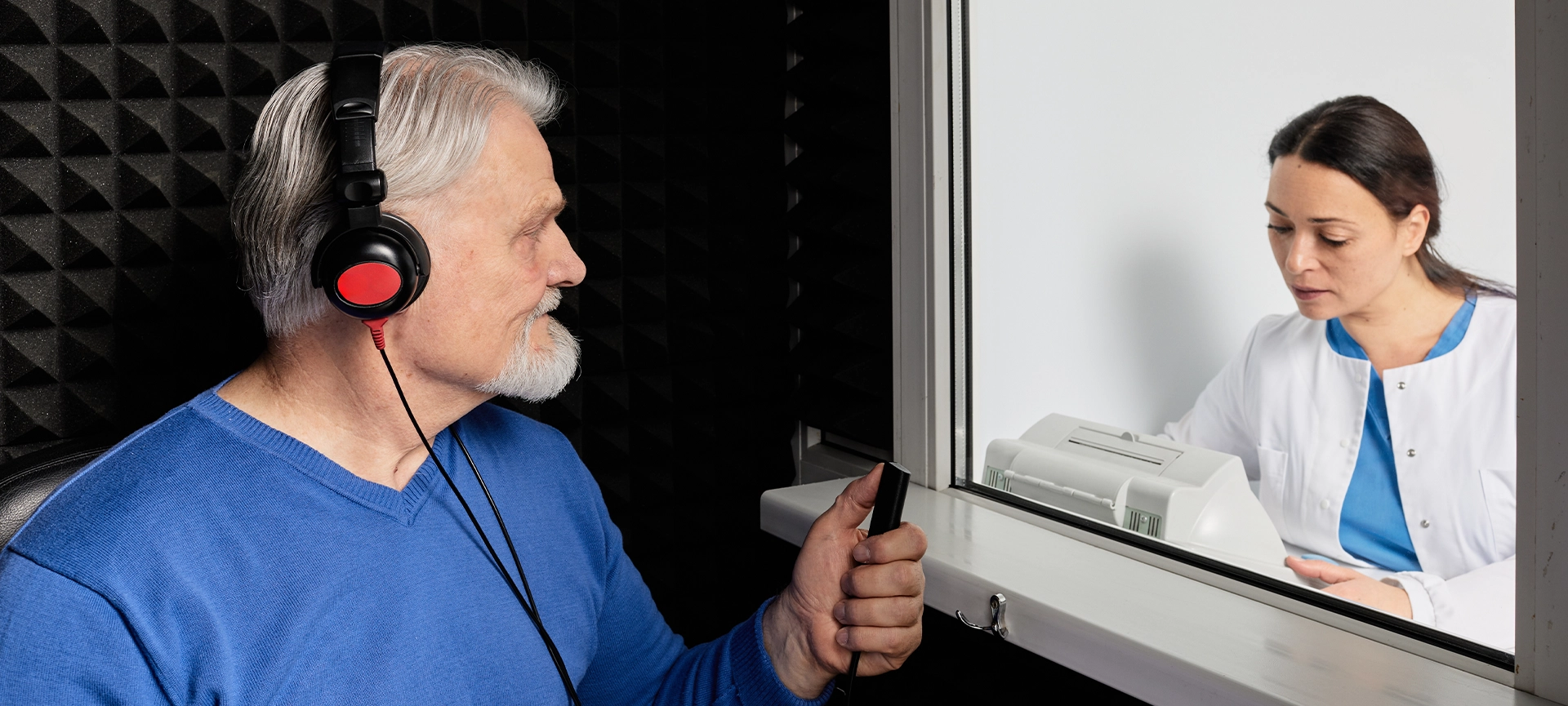
Mature woman getting a hearing test at audiology center. Audiometry, hearing checkup

When Ontarians think of healthcare costs they expect basic medical services to be funded by the Ontario Health Insurance Plan (OHIP). It is easy to assume that all diagnostic procedures are covered. This guide will analyze how OHIP handles hearing tests, outline exceptions, and explain how you can access hearing assessments at Lockwood Clinic.

Hearing tests help identify hearing loss, pinpoint the type of impairment, and guide treatment. Knowing who pays for these tests can reduce unexpected expenses and speed up your journey to better hearing.

Related Article: Understanding Hearing Loss: Causes, Symptoms, and Treatments

What Is Covered by OHIP?

OHIP covers many physician-ordered services, including visits to family doctors, hospital care, and some specialist assessments. For diagnostic hearing assessments to qualify for OHIP coverage they must meet two main criteria:

  1. A referral from a physician, such as a family doctor or an ear, nose, and throat (ENT) specialist.
  2. The test must take place in a hospital setting or ENT clinic where physicians bill OHIP directly.

When those conditions are met, OHIP will cover the cost of the diagnostic hearing test. Patients will not receive an OHIP bill for the assessment itself.

Why Hearing Tests Were Delisted from OHIP

In August 2001, Ontario removed routine hearing tests from the list of OHIP services. The change aimed to control provincial healthcare spending by reducing coverage for services increasingly provided by private clinics.

Since that date, OHIP no longer pays for hearing assessments at most audiology practices. Only tests carried out during a physician’s consultation or in a hospital environment remain eligible for OHIP billing.

Who Needs a Referral?

Patients who suspect hearing loss should first see a family doctor. If the doctor determines that an in-depth diagnostic evaluation is required the physician will either:

  • Refer you to an ENT specialist for comprehensive auditory testing in a hospital or clinic setting, or
  • Arrange for the test to occur under medical supervision where OHIP billing applies.

Without this referral any test at a private audiology clinic is typically billed privately.

Private Audiology Clinics and Out-of-Pocket Costs

Most audiology services offered by private clinics require payment at the time of service. Fees vary by clinic and the type of assessment. Standard charges may include:

  • Pure-tone audiometry to measure hearing thresholds at different frequencies.
  • Speech audiometry to evaluate speech recognition and clarity.
  • Tympanometry to assess middle ear function.

Lockwood Clinic offers audiology services on a walk-in basis. If you visit our clinic without a physician’s referral your hearing test will be billed privately. We strive to keep costs transparent and competitive.

Related Article: Benefits of Toronto’s Walk-In Clinics: Fast, Flexible, and OHIP-Covered Care
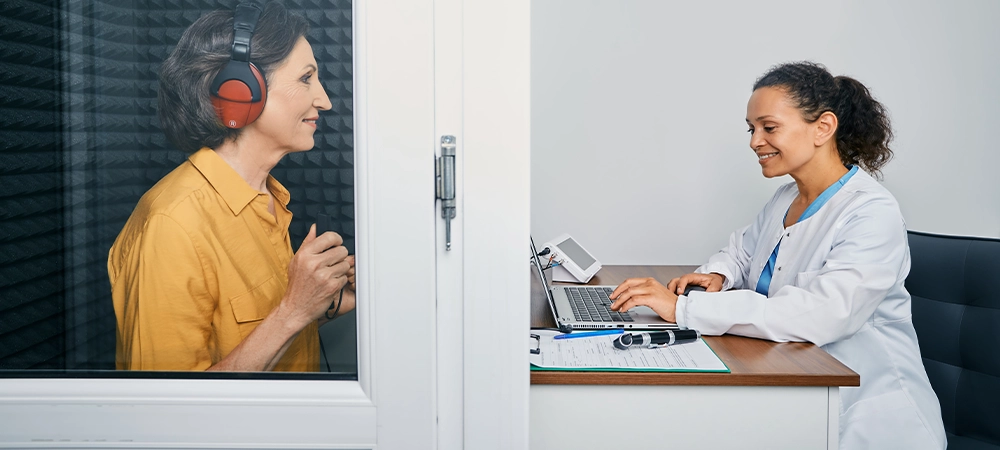
Audiological exam. Audiologist doing hearing check-up to a senior citizen woman in soundproof audiometric booth. Hearing loss treatment, side view

Special Cases and Exceptions

Although general diagnostic hearing tests are not OHIP-covered at private clinics there are limited exceptions:

  • ENT Consultations: If you see an ENT specialist and the hearing test occurs during that visit OHIP may cover the assessment.
  • Hospital In-Patient Assessments: Patients already admitted to hospital for other reasons who require audiology testing will receive coverage under OHIP.
  • Children and Youth: OHIP covers paediatric hearing assessments when ordered by a physician or conducted in a hospital.

Patients should always confirm coverage details with both their physician and the clinic before scheduling a test.

Alternatives for Funding Audiology Services

If you need a hearing test but lack OHIP coverage consider these funding sources:

  1. Private Insurance: Many supplemental health plans cover audiology assessments. Check your policy for hearing test benefits.
  2. Veterans Affairs Canada: Eligible veterans may receive funding for hearing services.
  3. Workplace Safety and Insurance Board (WSIB): Workers with on-the-job hearing damage might qualify for WSIB coverage.
  4. Nonprofit Programs: Charitable organizations sometimes provide grants for hearing assessments.

Lockwood Clinic can assist you in determining which options apply.

The Assistive Devices Program for Hearing Aids

While OHIP itself does not cover hearing devices, the Assistive Devices Program (ADP) offers financial support for hearing aids. To qualify for ADP funding you must:

  • Be an Ontario resident with a valid health card.
  • Have documented hearing loss that requires a hearing aid for six months or longer.

ADP provides up to 75 percent coverage, to a maximum of $500 per ear every five years. Although ADP does not fund hearing tests, your audiologist will supply the necessary forms for hearing aid applications.

Related Article: Is It Time for a Hearing Test? Signs You Shouldn’t Ignore

Why Choose Lockwood Clinic for Your Hearing Needs

Lockwood Clinic offers a comprehensive audiology service as part of our walk-in clinic in downtown Toronto. We combine convenience with expert care. Our services include:

  • Immediate access: No appointment needed for most audiology tests.
  • Transparent fees: Clear pricing for private tests and ADP paperwork support.
  • Integrated care: Results can be shared with your family doctor or ENT specialist through our electronic health system.
  • On-site pharmacy: Fill any prescriptions for ear health products in one visit.

Our clinic’s friendly team will guide you through each step and help you navigate OHIP and ADP requirements.
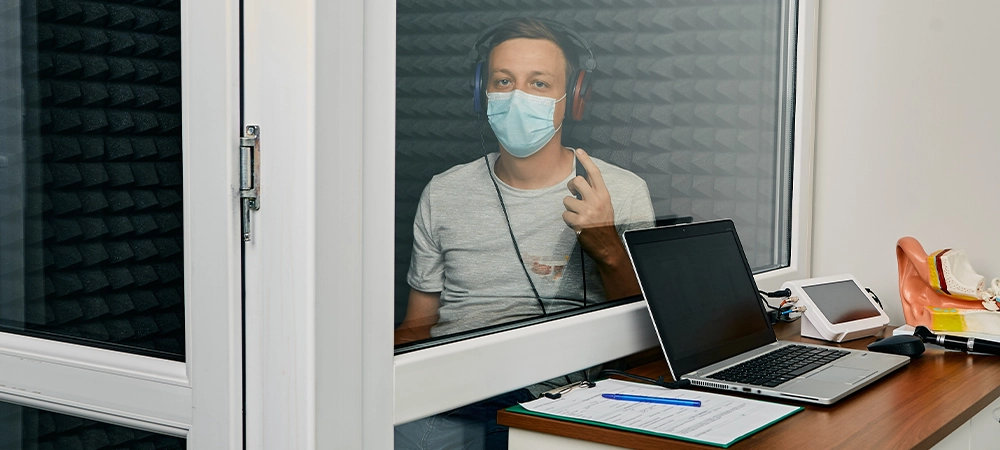
Adult man getting a hearing test at audiology center. Audiometry, hearing check up

Preparing for Your Hearing Test at Lockwood Clinic

To make the most of your visit, follow these steps:

  1. Bring your Ontario health card and any private insurance information.
  2. If you have a physician referral, bring the referral form.
  3. List any hearing concerns, medications, or hearing aid experiences.
  4. Arrive 10 minutes early to complete intake forms.

Our staff will review your information and explain whether OHIP will cover your test or if private payment applies.

What to Expect During the Test

A typical audiology assessment lasts 45 to 60 minutes and includes:

  • A medical history review.
  • Air conduction testing via headphones.
  • Bone conduction testing with a small vibrator behind the ear.
  • Speech recognition measurements.
  • Middle ear evaluation if needed.

After testing, you will receive a full report and recommendations. If hearing loss is detected, we will explain your options, including ADP funding for hearing aids.

Taking Charge of Your Hearing Health

OHIP does not generally cover hearing tests at private audiology clinics. Coverage only applies when a physician orders the test in a hospital or ENT setting. Private audiology services require out-of-pocket payment or alternative funding.

If you suspect hearing loss or simply want to check your hearing health, schedule your test at Lockwood Clinic today. Our team will clarify coverage, explain costs, and ensure you receive expert care.

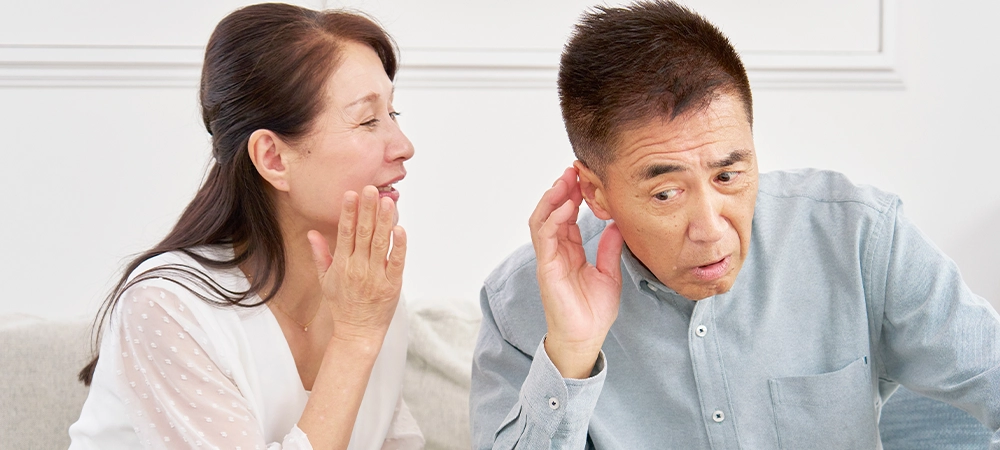
Understanding Hearing Loss: Causes, Symptoms, and Treatments

Consultation with experienced female audiologist to mature woman patient at medical clinic. Treatment of hearing loss in senior people

Hearing loss is rarely “all or nothing.” It usually begins with subtle signs (e.g. missing consonants, struggling in cafés, or mistaking song lyrics) before progressing to full conversations lost.

Because the change is gradual, the brain adapts, tricking us into thinking nothing is wrong. Early assessment interrupts that cycle, letting clinicians address reversible causes and slow permanent damage. Today’s advances, from digitally programmed hearing aids to implantable devices, mean restoration is both realistic and discreet.

This article breaks down the mechanics of hearing, outlines the most common causes of damage, flags early warning signs, and surveys proven as well as emerging treatments. By the end, you’ll know when and how to act so you or someone you care about can listen with confidence again.

Related Article: Is It Time for a Hearing Test? Signs You Shouldn’t Ignore

What Is Hearing Loss?

Not all hearing loss feels the same. In simple terms, it is a reduced ability to detect or understand sound, measured during a hearing test in decibels (dB). Clinicians classify loss by type and severity, helping tailor care.

  • Conductive loss occurs when sound cannot reach the inner ear, often due to wax, fluid, or middle-ear bone issues.
  • Sensorineural loss results from damage to the inner-ear hair cells or the auditory nerve. Ageing and noise exposure top the list of causes.
  • Mixed loss combines both elements, complicating treatment.
  • Auditory processing disorder (APD) affects how the brain interprets signals, even when hearing volumes seem “normal.”

Early distinction guides the right intervention.

Common Causes of Hearing Loss

Healthy ears rely on a delicate chain of structures, any of which can fail. Understanding triggers helps you minimize risk.

  1. Ageing (presbycusis) – Gradual inner-ear cell wear typically starts after age 60.
  2. Noise exposure – Workplace machinery, concerts, and earbuds at full volume can permanently damage hair cells.
  3. Ear infections and fluid buildup – Especially common in children, infections can create temporary or recurring conductive loss.
  4. Genetics – Some people inherit genes that speed up cell damage or malformation of ear structures.
  5. Ototoxic medications – Certain antibiotics, chemotherapy drugs, and high-dose aspirin can injure the inner ear.
  6. Head injury or sudden trauma – A blow to the skull may rupture the eardrum or harm the cochlea.
  7. Chronic illnesses – Diabetes, cardiovascular disease, and thyroid disorders reduce blood flow to the inner ear, accelerating decline.

Recognizing the Symptoms

Hearing loss rarely happens overnight. Watch for these clues and act quickly:

  • You turn up the TV louder than friends or family prefer.
  • Phone conversations feel muffled or require repetition.
  • You struggle to follow speech in restaurants, malls, or group meetings.
  • Children’s or women’s voices, usually higher-pitched, become harder to pick out.
  • You experience ringing, buzzing, or roaring (tinnitus).
  • Listening leaves you drained; concentrating on speech becomes tiring.

Children may appear inattentive, speak louder than their peers, or fall behind in school when undiagnosed.

Asian senior man with hearing loss

How Hearing Loss Affects Daily Life

Beyond missed words, persistent loss can:

  • Strain relationships. Frustration rises on both sides when conversations falter.
  • Lower work performance. Misheard instructions or meeting details affect productivity.
  • Elevate safety risks. Sirens, alarms, and approaching traffic may go unnoticed.
  • Affect mental health. Untreated loss doubles the risk of social isolation, depression, and faster cognitive decline.

These impacts underline why prompt testing matters.

Diagnosis: Getting Your Hearing Tested

An audiologist performs a comprehensive assessment:

  1. Medical history and otoscopic exam – Checks for wax, infection, or injury.
  2. Pure-tone audiometry – You press a button when you hear tones at different frequencies. Results chart a hearing profile called an audiogram.
  3. Speech tests – Gauge how clearly you understand words at comfortable volumes.
  4. Immittance measures (tympanometry) – Evaluate eardrum movement and middle-ear function.
  5. Specialized tests – Otoacoustic emissions or auditory brainstem responses check inner-ear and nerve integrity, useful for newborns and infants.

The full appointment is painless and takes about 30 minutes. You leave with clear data and advice.

Treatment Options and Emerging Innovations

Matching therapy to cause and lifestyle is key.

Non-surgical Solutions

Hearing aids remain the cornerstone for mild-to-severe sensorineural loss. Today’s devices are discreet, rechargeable, and Bluetooth-enabled, streaming calls or TV directly to your ears. Over-the-counter models suit uncomplicated loss, while prescription sets offer precise, computerized tuning.

Assistive listening devices like TV streamers, captioning apps, and vibrating alarm clocks further boost clarity in specific situations. Aural rehabilitation sessions teach lip-reading strategies and listening exercises that retrain the brain.

Medical and Surgical Routes

  • Wax removal or medication resolves many conductive issues on the spot.
  • Pressure-equalizing tubes treat chronic middle-ear fluid, common in children.
  • Stapedectomy replaces a stiff stapes bone in otosclerosis, restoring mobility.
  • Cochlear implants bypass damaged hair cells, delivering sound straight to the auditory nerve for those with profound loss.
  • Bone-anchored hearing systems transfer vibrations through bone for people with single-sided deafness or outer-ear malformation.

Next-Generation Therapies

Researchers are testing gene editing for inherited loss, hair-cell regeneration drugs that prompt the cochlea to regrow sensory cells, and optogenetic implants aiming at finer sound resolution. While still experimental, these advances hint at a future where many forms of deafness may become reversible.

Related Article: Services You Can Expect at a Walk-In Clinic in Toronto

Prevention and Ear-Health Tips

Protecting your hearing is simpler than treating damage later.

  • Monitor volume. Keep personal audio devices below 60 percent and limit sessions to 60 minutes at a time.
  • Wear protection. Foam or custom moulded earplugs cut industrial noise by up to 30 dB without muffling speech.
  • Treat infections promptly. See a doctor if ear pain, fluid, or fever persists.
  • Manage chronic disease. Controlling blood sugar and blood pressure supports inner-ear circulation.
  • Schedule regular tests. Adults over 50 or anyone with risk factors should book a baseline assessment every two years.

A simple lifestyle shift today can preserve decades of good hearing.

Audiologist woman examining female patient ear with otoscope. Otoscopy and hearing check-up for hearing impaired people at audiology or hearing clinic

When to Seek Help: Red Flags

If you notice any of these signs, arrange an audiology appointment within weeks, not months:

  • Sudden hearing decline in one or both ears.
  • Persistent tinnitus lasting longer than a day.
  • Ear pain, fullness, or discharge.
  • Trouble following speech even in quiet rooms.
  • Family members express concern about your hearing or safety.

Most insurance plans, including OHIP, cover diagnostic tests when ordered by a physician.

Related Article: Benefits of Toronto’s Walk-In Clinics: Fast, Flexible, and OHIP-Covered Care

Why Choose Lockwood Clinic for Audiology Care

Located in downtown Toronto, Bay College Medical & Lockwood Diagnostic Clinic offers walk-in audiology assessments, modern hearing-aid fittings, and on-site calibration labs.

Our interdisciplinary team (family doctors, ear-nose-throat specialists, and pharmacists) works under one roof, streamlining your path from test to treatment. Evening and Saturday hours mean you never wait long to hear clearly again.

Taking Charge of Your Hearing Future

Sound connects you to laughter, learning, and life’s quiet moments. Whether you want to tune out the office hum or catch every whispered bedtime story, proactive care makes the difference.

Ready to listen with confidence?

Book a comprehensive hearing evaluation at Lockwood Clinic today, your friendly neighbourhood walk-in clinic in Ontario, and step back into a world of richer, safer sound.

Is It Time for a Hearing Test? Signs You Shouldn’t Ignore

audiologist doing hearing check-up to senior man in soundproof audiometric booth

You hear with more than just your ears; you hear with your confidence, your focus, and your connection to the world around you. But what happens when that connection starts to fade? When should you get a hearing test?

Hearing loss rarely arrives all at once. It sneaks in gradually — a missed word here, a louder TV there, a sense that people around you are mumbling more than they used to. These small signs are easy to brush off, but they could be telling you something important: it’s time for a hearing test.

Knowing what to look for can help you catch hearing changes early, when they’re easiest to manage. Below are key signs that shouldn’t be ignored and why getting tested at a clinic sooner rather than later can make all the difference.

Related Article: How Often Should You Get an Eye Exam?

You Frequently Ask People to Repeat Themselves

If you often find yourself saying “What?” or “Can you say that again?”, it could be a sign your hearing isn’t as sharp as it used to be. This is one of the most common and noticeable early signs of hearing loss.

Difficulty Following Conversations in Noisy Places

Struggling to understand what someone is saying in a restaurant, office, or busy family gathering is another common sign. Background noise becomes harder to filter out when hearing declines.

Turning Up the Volume Higher Than Others Prefer

If family members complain the TV or music is too loud, or you rely on subtitles more than before, it might be time for a hearing check. Increasing volume to hear clearly is a red flag.

Ringing, Buzzing, or Hissing Sounds (Tinnitus)

Experiencing persistent noises in your ears when no sound is present could be tinnitus. While not always linked to hearing loss, it often accompanies it and should be assessed.

Withdrawing from Social Situations

If you avoid phone calls, parties, or group conversations because it’s hard to follow what people are saying, hearing loss might be the reason. Avoidance can lead to social isolation over time.

Trouble Hearing High-Pitched Sounds

Missing out on the voices of children, birds chirping, or the beep of your microwave timer can indicate high-frequency hearing loss, which often develops first.

Ear Pain, Fullness, or Fluid

Ongoing discomfort, pressure, or drainage from the ears can affect hearing and may point to a physical issue such as infection or blockage, both of which should be evaluated.

Sudden or Unexplained Hearing Loss

A rapid loss of hearing, even in one ear, requires immediate attention. The sooner you get tested, the better the chances of successful treatment or recovery.

women hearing loss problem

Family History or Health Risk Factors

If you have a family history of hearing issues, or health conditions like diabetes or high blood pressure, you’re at a higher risk. Regular hearing checks can help catch changes early.

Persistent Tinnitus That Interferes with Daily Life

Tinnitus that lasts more than a few days and disrupts sleep or concentration should not be ignored. A hearing test can help determine its cause and explore management options.

Related Article: Finding a Walk-In Clinic in Toronto: A Guide to Convenient and Affordable Healthcare

Why Early Testing Matters

Hearing loss doesn’t just affect your ears, it affects how you think, feel, and function day to day. When left untreated, even mild hearing loss can lead to mental fatigue, irritability, and difficulty concentrating. Many people unconsciously strain to hear and interpret conversations, which takes a toll on energy and focus over time.

Socially, untreated hearing loss often leads to withdrawal and isolation, especially in group settings where following conversation becomes exhausting. This disconnection can increase the risk of depression and anxiety, and studies have linked unaddressed hearing loss to a higher risk of cognitive decline, including dementia.

The good news? Early testing opens the door to simple, effective solutions — from discreet hearing aids to practical communication strategies and assistive devices. In many cases, a test might reveal a temporary issue such as wax buildup, ear infection, or medication side effects.

The sooner you know what you’re dealing with, the sooner you can take control. Hearing tests aren’t just about detecting problems, they’re about protecting your quality of life.

What to Expect from a Hearing Test

A hearing test is simple, painless, and informative. Here’s what it usually involves:

  • Health and hearing history: You’ll be asked about symptoms, noise exposure, and health conditions.
  • Physical ear check: A professional will examine your ears to check for wax buildup or physical issues.
  • Audiometric testing: You’ll listen to tones and speech through headphones to assess your hearing levels across frequencies.
  • Middle ear testing: Sometimes, a test is performed to see how well your eardrum and middle ear are functioning.
  • Results and plan: Your audiologist will explain the results and recommend next steps, if needed.

How Often Should You Get Tested?

If you’re over 50 or have noticed any of the above signs, an annual hearing check is a good rule of thumb. However, anyone experiencing symptoms should book a test right away, regardless of age.

otolaryngologist doctor checking senior woman ear using otoscope

Take Action on Your Hearing

Hearing loss doesn’t always happen overnight, and it’s easy to ignore small changes until they add up. But acting early can make a huge difference in communication, confidence, and everyday quality of life.

Related Article: Who Can Visit a Walk-In Clinic in Toronto

Shedule Hearing Tests at Lockwood Clinic

If you’re ready to take control of your hearing health, you don’t have to wait. The Lockwood Clinic in downtown Toronto offers audiology services. Whether it’s your first test or a follow-up, our professional staff will guide you through every step with care and clarity.

Stop guessing, stop struggling. Contact us at 1-888-437-9886 and schedule your hearing test in Toronto today!

Cost of Hearing Aids in Toronto

hearing aids

The factors that affect the cost of getting hearing aids are numerous. Like any other health problem, the severity of the hearing problem will influence the cost of the solution. For example, the hearing aid pricing for a patient whose ear has blockage will differ from that of someone who is partially deaf. So, when you visit a professional, you can expect to get different prices for hearing aids.

Another factor that affects hearing aid prices is its features. On a search for hearing aids, you’ll likely come across several options. Typically, these options are a function of the features and efficiency of the hearing aid. Thanks to the innovative world we now live in, hearing aids now have tech properties that can affect their prices.

For example, the same way you’ll find an automated hearing aid is the same way you’ll find a manual one. However, these features will have a direct effect on the prices. But, with the help of this technology, hearing aids help millions globally with hearing problems. This ranges from the person who just needs to hear clearly to the person who can’t hear.

So, when you notice a hearing challenge, you do not need to fret. All you need is to confirm the hearing issue and look for viable solutions. In this guide, we’ll discuss the average pricing range for hearing aids. For your benefits, we’ll also explain some factors that influence the cost of getting hearing aids.

What is the Cost of Getting Hearing Aids in Toronto?

Averagely, the cost of getting hearing aids in Toronto ranges between $1000 and $4000. This price heavily depends on the features and functions of the device. You may see some hearing aids with technologies like sound cancellation and wireless connections. This type of feature will increase the price.

A fairly recent CBC article discussed actual pricing for hearing aids. The report reveals that the actual manufacturing price of a hearing aid ranges between $150 and $200. The manufacturers then sell these aids to ear care professionals at a range of $450 and $700. However, most health care professionals then sell these at price ranges between  $1000 and $4000.

The question you may want to ask is why hearing aids are that expensive, even with the manufacturing costs. However, the ear care professionals go beyond just the device you see. The professional also performs some tests and services on the device. Some of these services include testing, adjustments, and fittings.

When you want to buy hearing aids, there are many factors you must consider. These features and specifications will influence the prices of the hearing aids. Some of these factors include:

The number of hearing aids needed

When you decide to get hearing aids, it’s always better to visit a professional. The first reason for this is to confirm you have a hearing problem.

Another important reason for this step is to confirm the affected ears. That way, you’ll be making more informed decisions. Some of the tests your doctor will walk you through include;

  • The physical observation
  • Phone application test
  • Screening tests
  • Professional audiometer test

An expert audiologist may reveal that both your ears have a hearing problem. In this situation, the professional will most likely advise you to purchase dual hearing aids. Of course, buying two hearing aids will increase the cost of getting hearing aids. But it’ll fulfil its purpose without stressing you in any way. In many cases, your ear care pro can use their influence to reduce these prices.

Type of hearing loss

After you confirm which ear the hearing problem affects, you need to understand that problem. There are different types of hearing loss — each with its respective causes.

And you can’t just go ahead to buy hearing aids without knowing what problem it’s solving. That’s why you need to visit your hearing expert. The types of hearing loss you may encounter include;

  • Conductive hearing loss: This type of hearing loss occurs when a substance or object blocks your hearing path. To solve this type of hearing issues, you need not bother about how much to install hearing aids. Mostly, you can solve these issues without hearing aids in most cases. The common causes of this heating defect are:
  • Ear wax
  • Regular objects
  • Ear infections
  • Inner ear scars
  • Ear bone issues.

To treat this you may not need any complex items or drugs. A mini surgery will suffice if there’s an object in the ear. And in the case of infections, good antibiotics will work perfectly.

  • Sensorineural hearing loss: In most cases, this type of hearing loss comes with inner ear problems. Sometimes, it may be as a result of a loss of sound transmission to the brain. In most cases, you’ll need to get hearing aids to fix this issue. Some causes of sensorineural hearing loss include:
  • Diabetes, stroke, obesity, and other health conditions.
  • Old age
  • Genetics
  • Accidents
  • Smoking
  • Infections

To solve these types of hearing problems, you may need complex treatment methods. As a result, the hearing aid prices will differ.

  • Mixed hearing problems: As the name rightly implies, a mixed hearing loss occurs when the hearing loss combines both sensory and conductive hearing losses. To discover this type of hearing loss, you will need the help of a professional.

The treatment methods also combine therapies used for both conductive and sensorineural losses. So, you’ll need hearing aids in addition to some other treatment methods.

Related Article: Ontario Health Insurance Plan: How Does it Work?

Types of Hearing aid

The cost of getting hearing aids has a linear relationship with the type of hearing aid. Based on aesthetics, there are different types and styles of hearing aids available. But you can categorize the types of hearing aids into two: behind-the-ear and in-the-ear hearing aids.

  • Behind-the-ear hearing aids: In most cases, many people who use hearing aids prefer these hearing aids. That’s because they are small and hardly noticeable on the ear. Subtypes include:
  • Behind-the-ear hearing aids with a receiver inside the ear canals.
  • Behind-the-ear hearing aids with hooks.
  • In the ear hearing aids: All the features and functions of this hearing aid come in a small size. However, there can also be a variation in size. Mostly, the size and style for you depend heavily on your ears and the type of hearing issue you have.

Sometimes, an ear care professional may have to go beyond just the usual service to find your perfect size. And of course, this will affect the overall cost of getting hearing aids.

Features

Here’s how the features you choose affect how much you have to pay for hearing aids. Some features that come with ear aids include:

  • Microphones
  • Noise removal
  • Wireless functions
  • Different hearing programs
  • Aesthetics and appearance
  • Speech recognition
  • Automated functions.

Usually, your audiology expert will determine if you need to add any of these features to your hearing aids. In the area of aesthetics, that’s a personal choice. Depending on your style, you can choose to go for a more stylish hearing aid. In our experience, the more of these features you have, the more you can expect to pay for hearing aids.

Location

Where you spend most of your time can also affect your cost of getting a hearing aid. If you stay in a noisy environment, you’ll be needing a hearing aid that cancels out the noise. In that case, you have reduced the number of options you have.

Also, depending on your location, you may get some cuts on the pricing for hearing aids. For example, in Ontario, you can get 75% less than the original price if you have the Ontario Health Insurance card. So you see, your location can either increase or decrease the cost of hearing aids.

Related Article: Hearing Loss and Coronavirus

Hearing Aids are Affordable

Before you estimate the cost of getting a hearing aid, there are many factors to consider. The primary determinants remain the type of hearing loss and the number of hearing aids you need. All in all, it’s possible for the cost of hearing aids to run into thousands of dollars.

We know it may seem super expensive. However, it’s almost impossible to put a price on your hearing. As such, instead of compromising on price, it’s best to proceed with flexible payment options. This way, the overall pricing will have less of an effect on your wallet.

Here at Lockwood Clinic, we offer payment options that can make it easier to cover the cost of hearing aids. Get in touch with our experts to discuss your options today!

COIN303

KOIN303

COIN303

COIN303

COIN303

COIN303

COIN303

judi bola online

coin303

coin303

coin303

coin303

coin303

coin303

coin303

Situs KOIN303

agen slot coin303

Koin303

Slot COIN303

situs slot

slot online

LINK KOIN303

Bandar Togel

coin303

coin303

agen casino online

judi bola online

slot resmi

coin303

coin303

coin303

coin303

PG Soft

situs casino

situs judi bola

judi bola

login coin303

coin303

coin303

situs slot mahjong

link koin303

kaitan dengan mahjong ways

fakta mahjong ways yang luar biasa

begini peran mahjong ways

koin303

jadi sorotan detail mahjong ways

coin303

coin303

coin303

mix parlay

https://www.bastiansecurity.co.id/monitoring/

Situs APK Slot

Tren Baru Hiburan Digital Game Online Mahjong Ways 2 yang Kian Populer

Dari Hobi Bermain Mahjong Ways Jadi Peluang Menguntungkan Menarik di Era Digital

Mengapa Game Viral Mahjong Ways 2 Semakin Diminati? Ini Faktor Pendorongnya

Evolusi Viralnya Mahjong Ways: Memberikan Inovasi Fitur dan Tantangan yang Makin Seru

Dampak Positif Perkembangan Game Viral Mahjong Ways terhadap Industri Hiburan Online

Strategi Developer dalam Mengembangkan Game Viral Mahjong Ways yang Digemari Pengguna

Game Viral Mahjong Ways 2026: Prediksi Tren dan Teknologi yang Akan Mendominasi

Dari Media Sosial ke Aplikasi, Begini Perjalanan Game Viral Mahjong Ways 2

Peran Komunitas Digital dalam Mendorong Popularitas Game Viral Mahjong Ways 2

Game Viral Mahjong Ways 2 dan Generasi Muda: Tren, Peluang, dan Tantangan Baru

agen bola

agen slot

coin303

coin303

coin303

COIN303

coin303

coin303

coin303