Emergency Dental Visit Cost in Toronto Clinics

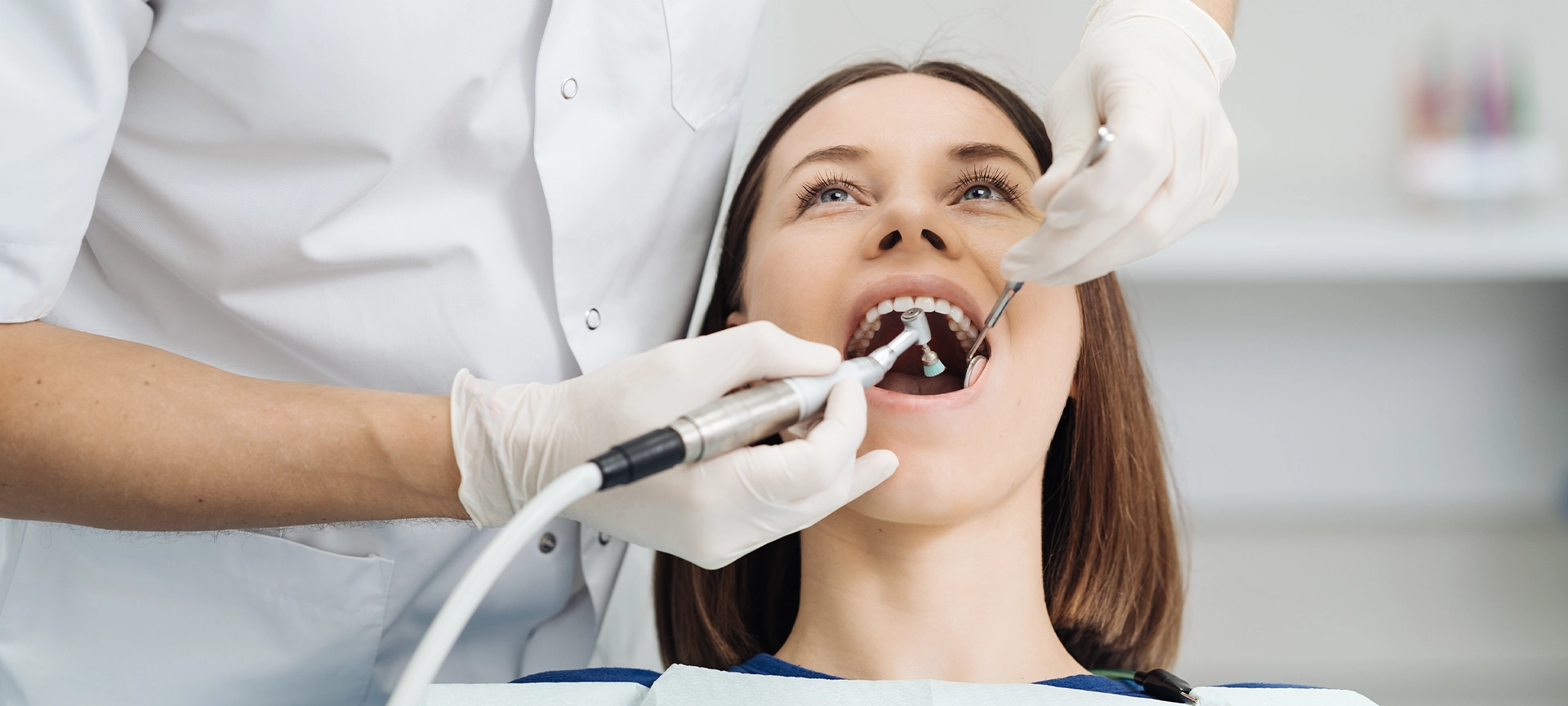
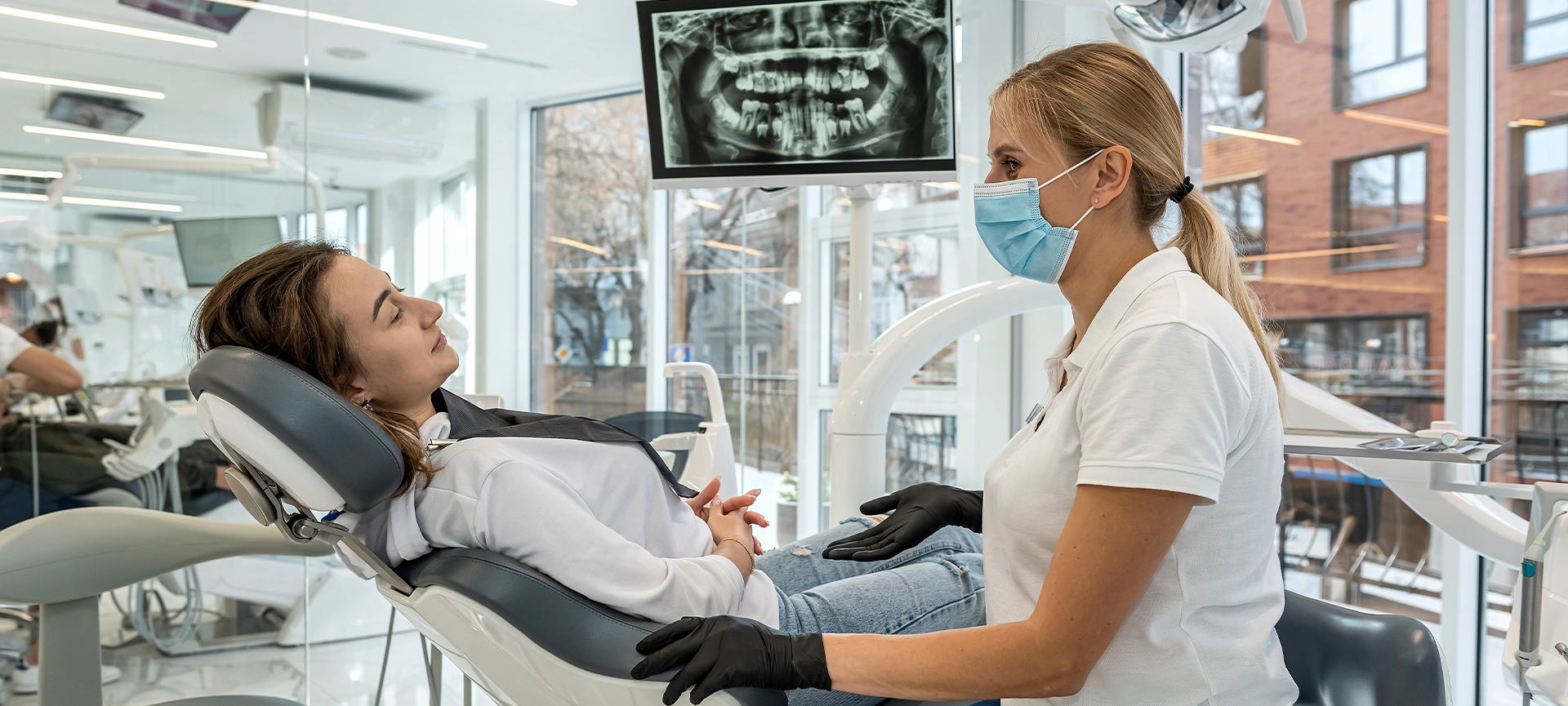
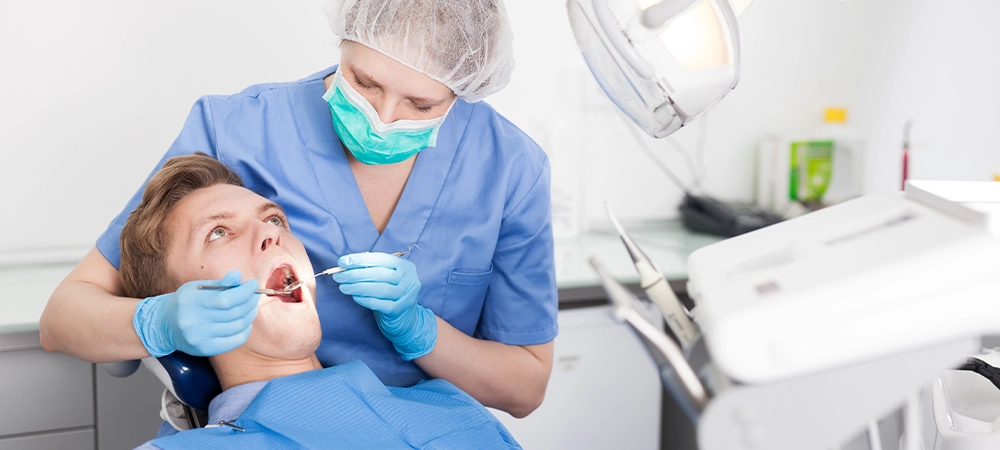
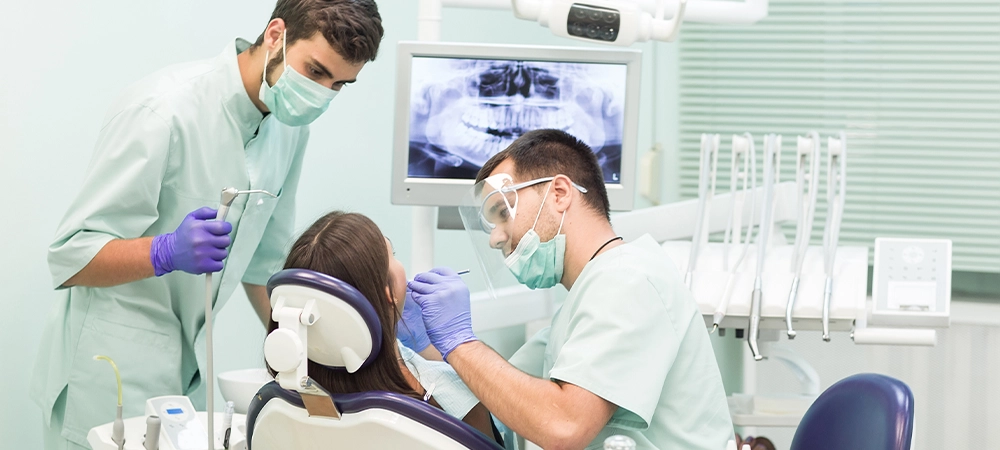
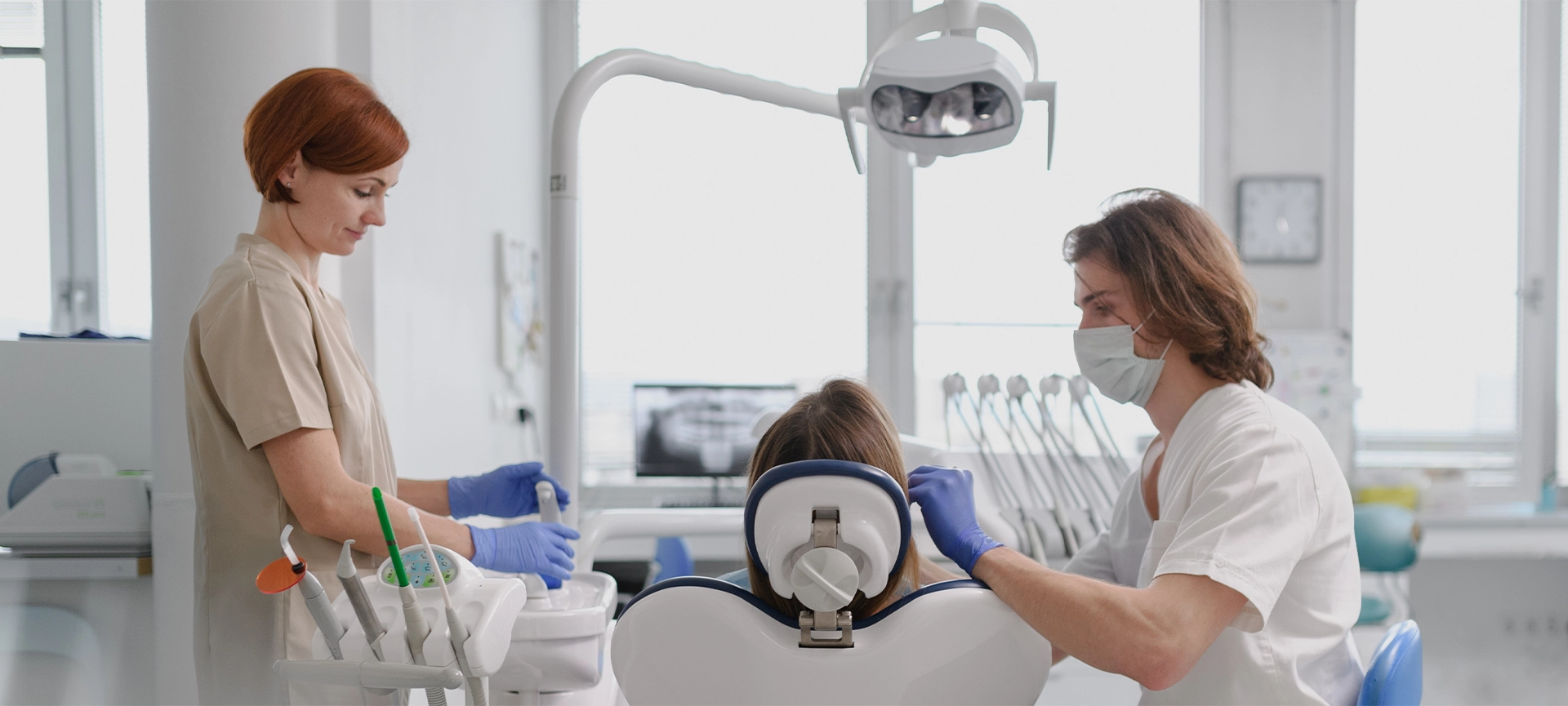
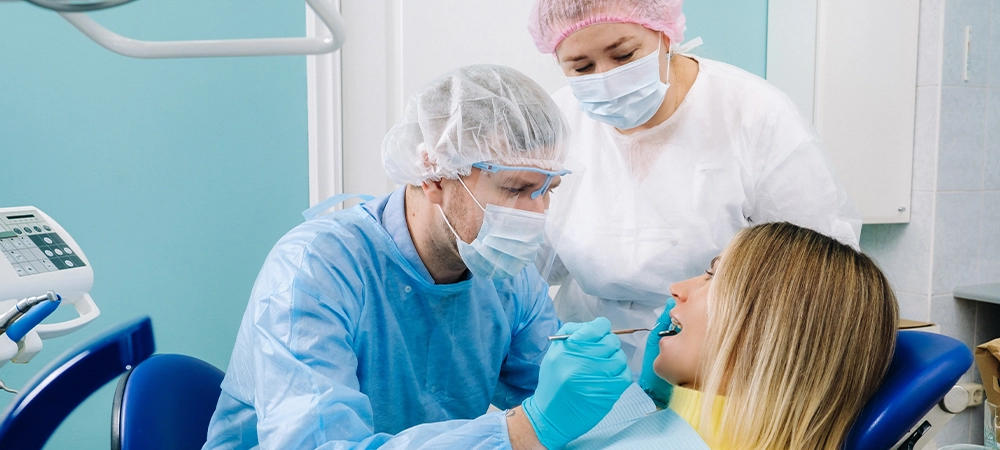
A woman has a check-up in dental clinic. Banner with copy space.

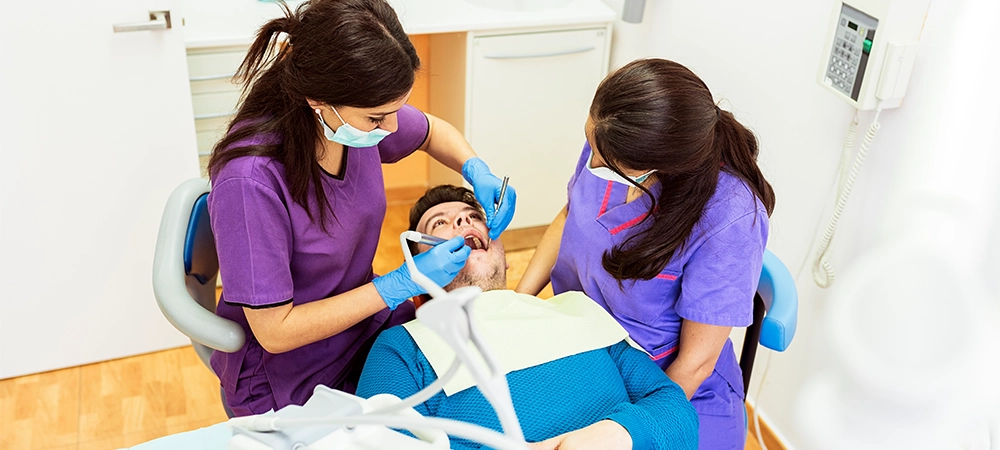
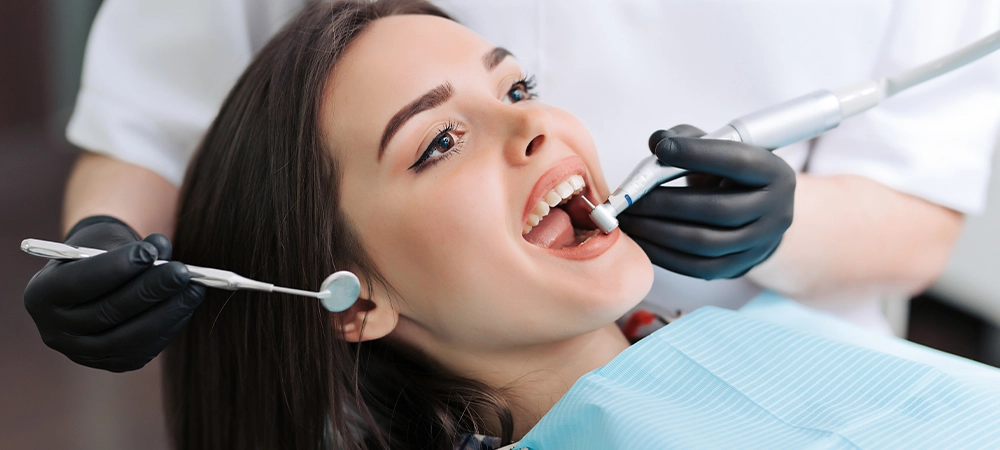
Dental emergencies can happen anytime. Whether it’s sudden pain, a chipped tooth, or a lost filling, getting urgent dental care fast is essential. In Toronto, emergency dental visit costs vary depending on the clinic, the treatment needed, and whether you have insurance coverage.

This guide explains typical fees, what influences pricing, and how Lockwood Clinic makes emergency dental services accessible for every patient.

What Counts as a Dental Emergency

A dental emergency involves any condition that requires immediate treatment to relieve pain, stop bleeding, or save a tooth. Common examples include:

  • Severe or persistent toothache
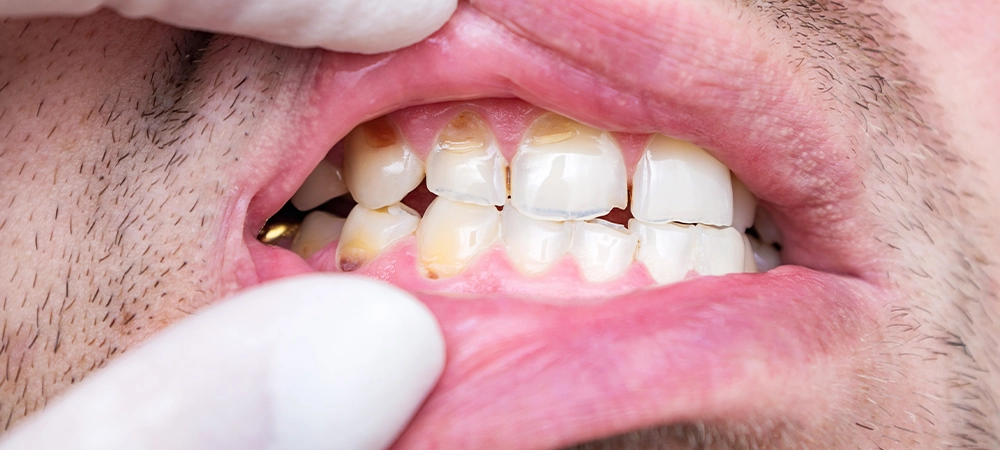
  • Broken or chipped teeth
  • Knocked-out tooth
  • Lost fillings or crowns
  • Abscesses or infections
  • Bleeding after dental work

Even if symptoms appear minor, delaying treatment can lead to serious complications. Early care prevents infection and helps avoid higher costs later.

Related Article: How Much Does Tooth Extraction Cost in Toronto

Average Cost of an Emergency Dental Visit in Toronto

Most emergency dental visits in Toronto range from $150 to $400 for the initial exam and consultation. This fee typically includes:

  • Clinical examination
  • X-rays or imaging
  • Diagnosis and treatment planning

If further treatment is required, the total cost increases based on the procedure. For example:

Procedure Average Cost (Toronto Clinics)
Tooth extraction $180–$350
Root canal (front tooth) $500–$800
Root canal (molar) $800–$1,200
Dental filling $200–$450
Emergency crown repair $300–$600
Antibiotic or pain relief prescription $20–$60

At Lockwood Clinic, patients benefit from clear pricing and guidance on next steps before treatment begins. The clinic’s on-site diagnostic imaging and pharmacy also help reduce time and additional costs.

Related Article: Dental Cleaning Cost in Downtown Toronto

Factors That Affect Emergency Dental Costs

Several elements influence how much you’ll pay for an emergency dental visit:

Type of Treatment Needed

Simple cases like minor fillings cost less than procedures such as root canals or surgical extractions. The dentist’s assessment determines the level of care required.

After-Hours Visits

Some clinics charge extra for evening, weekend, or holiday appointments. Lockwood Clinic’s extended walk-in hours help minimize these surcharges while ensuring quick access to care.

X-Rays and Diagnostic Imaging

X-rays add around $30–$100 to the total cost, depending on the number of images required. Lockwood Clinic provides in-house imaging, which keeps prices reasonable and speeds up treatment.

Materials and Medications

The use of specialized materials for crowns, fillings, or anesthetics affects the total bill. The clinic’s on-site pharmacy allows patients to fill prescriptions immediately and at competitive rates.

Insurance Coverage

Most private dental insurance plans cover part of emergency dental costs. Patients should check annual maximums and coverage categories to understand out-of-pocket expenses.
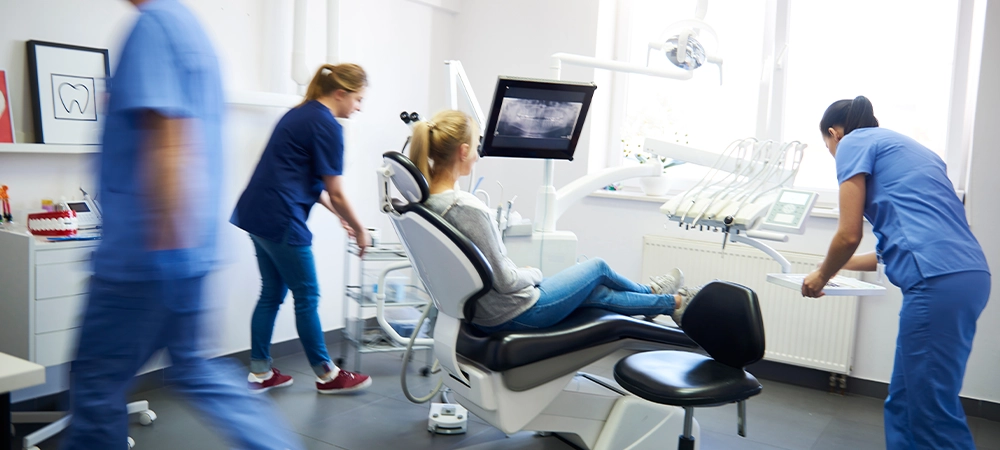
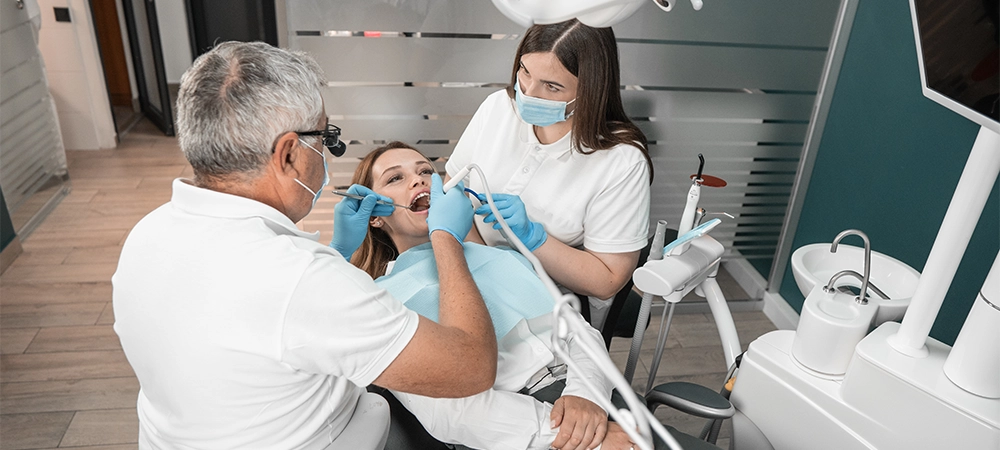
Blurred view of dentists and woman in dentist's Clinic

OHIP and Dental Emergencies

Ontario Health Insurance Plan (OHIP) generally does not cover dental procedures unless performed in a hospital due to a serious medical condition or trauma. However, patients may receive coverage through:

  • Employer-based dental benefits
  • Private dental insurance
  • Government-supported programs (for eligible low-income families, children, or seniors)

Lockwood Clinic assists patients by providing itemized receipts and treatment notes for insurance claims.

How Lockwood Clinic Keeps Emergency Dental Care Affordable

Lockwood Clinic’s dental service follows a patient-first model that prioritizes both accessibility and transparency. The clinic provides:

  • Upfront pricing: No hidden charges. Patients receive a clear estimate before treatment.
  • Walk-in access: No appointment required for urgent dental issues.
  • On-site imaging and pharmacy: Saves time and avoids multiple visits to different facilities.
  • Experienced dentists: Skilled professionals capable of handling everything from pain relief to complex procedures.
  • Flexible payment options: Assistance for patients without insurance coverage.

By combining comprehensive services under one roof, Lockwood Clinic reduces unnecessary costs and stress for patients during emergencies.

When to Seek Immediate Help

Certain dental conditions require urgent care within hours:

  • Knocked-out tooth (ideally within 30–60 minutes)
  • Severe swelling or abscess
  • Uncontrolled bleeding
  • Intense pain that prevents eating or sleeping

Lockwood Clinic’s walk-in dental services are open for same-day assessment and treatment. Patients experiencing swelling or bleeding should contact the clinic immediately for prompt attention.

Tips to Lower Your Emergency Dental Bill

Managing unexpected dental costs is easier with a few practical steps:

  1. Address minor issues early. Regular check-ups prevent small cavities from turning into emergencies.
  2. Use insurance benefits before year-end. Take advantage of unused coverage.
  3. Ask about alternative treatments. Sometimes a temporary fix can relieve pain until a permanent solution is scheduled.
  4. Keep records. Detailed receipts help claim reimbursements faster.
  5. Consider preventative plans. Lockwood Clinic offers ongoing dental maintenance programs to reduce future emergencies.

Related Article: When Should I Visit a Walk-In Clinic Instead of the ER?

Why Choose a Walk-In Clinic for Dental Emergencies

Walk-in clinics like Lockwood Clinic provide a balance of convenience, cost control, and multidisciplinary support. With medical, dental, and pharmacy services on-site, patients can get comprehensive care without waiting for a referral.

Unlike standalone dental offices, a walk-in clinic offers:

  • Same-day availability for sudden pain or injury
  • Integrated care with medical professionals if infection spreads
  • One-stop service including prescriptions and imaging
  • Continuity of care through centralized records

This structure allows patients to move from diagnosis to treatment quickly and safely.

Building Long-Term Oral Health After an Emergency

Emergency dental treatment solves the immediate problem, but follow-up care is just as important. Lockwood Clinic encourages patients to schedule post-emergency visits for:

  • Dental cleaning and polishing
  • Cavity checks and preventive sealants
  • Oral hygiene reviews
  • Bite alignment or crown adjustments

Consistent care prevents recurring issues and reduces long-term costs.

Related Article: How Often to Get a Dental Cleaning?
The patient smiles in the dentist's chair in a protective mask and instrument before treatment in the dental office.

Affordable, Immediate Dental Help in Toronto

Emergency dental problems should never be ignored. Prompt attention not only relieves pain but also prevents serious infection and tooth loss. At Lockwood Clinic in downtown Toronto, patients receive fast, affordable, and complete emergency dental care with all supporting services under one roof.

Book your emergency dental visit today or walk in for same-day care.

Frequently Asked Questions

  1. How much does an emergency dental visit cost in Toronto without insurance?

Expect to pay between $150 and $400 for the initial consultation and exam. Treatment costs, such as fillings or extractions, add to this amount depending on the procedure.

  1. Do walk-in clinics in Toronto handle dental emergencies?

Walk-in clinics like Lockwood offer emergency dental services without appointments. Patients can receive examinations, X-rays, and treatment on the same day.

  1. Can I claim emergency dental expenses through insurance?

Most private insurance plans cover emergency dental visits. Always confirm coverage limits, as reimbursement varies by plan and procedure.

  1. Are dental X-rays included in the emergency visit fee?

Usually, X-rays are billed separately (around $30–$100). Lockwood Clinic includes imaging on-site, allowing faster diagnosis and treatment.

  1. What if I cannot afford emergency dental care?

Lockwood Clinic provides flexible payment options and can help with insurance claims. They also offer treatment planning to spread costs over time.

  1. What should I do if I lose a tooth after hours?

Keep the tooth moist in milk or saliva and visit the clinic immediately. Quick treatment within one hour offers the best chance of saving it.

  1. Does OHIP cover dental emergencies?

OHIP does not cover routine dental emergencies, except in hospital-based cases involving major trauma or infection. Most patients rely on private insurance or pay out-of-pocket.
How Much Does Tooth Extraction Cost in Toronto

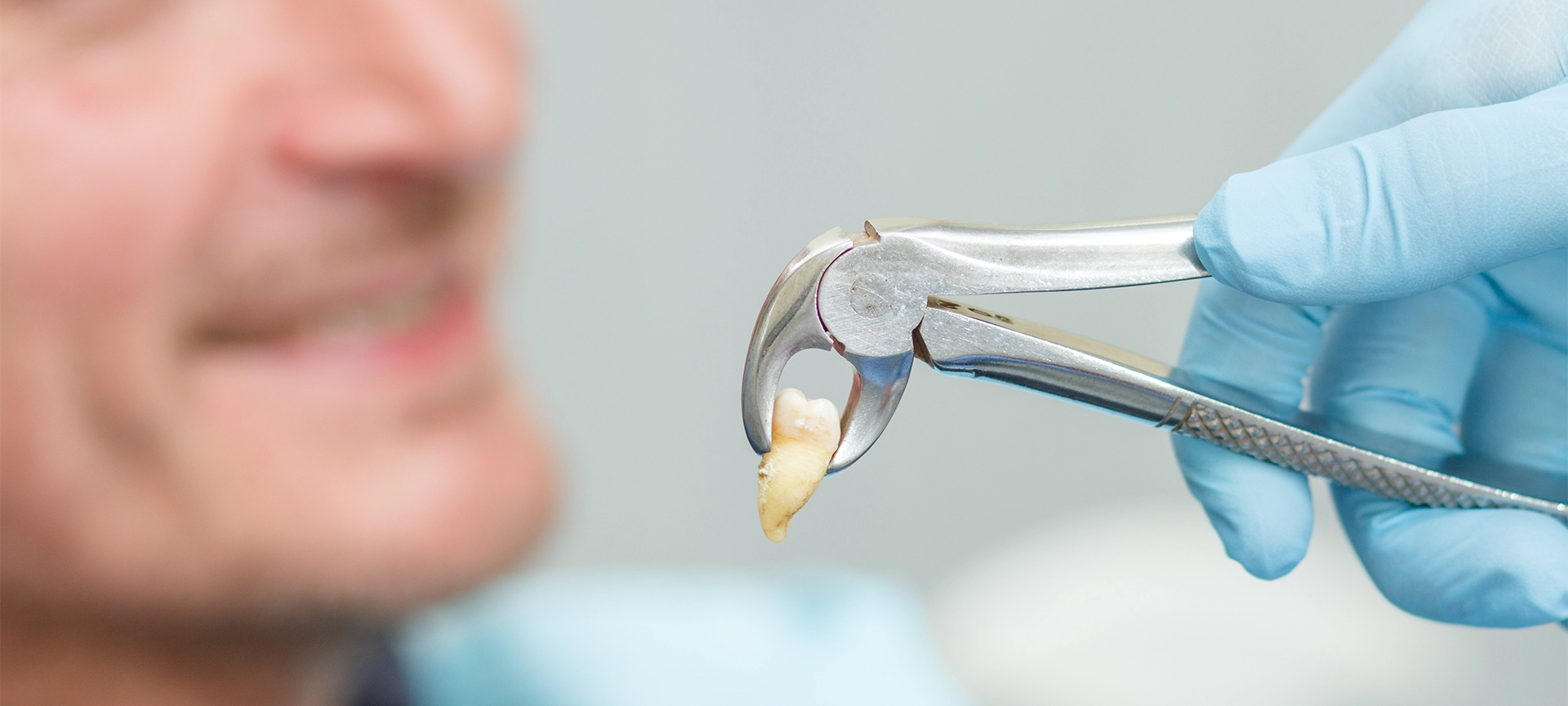
Dentist has extracted a sick tooth from patient in dental office. Focus on stainless steel dental tongs or pliers and extracted lower tooth in it. Dentistry

When persistent tooth pain, infection, or crowding begins to interfere with daily comfort, a dental extraction may be the most effective option. In Toronto, treatment fees can differ based on several factors, including the complexity of the case, the number and type of teeth involved, and whether you have dental insurance.

Knowing what affects these costs allows you to make informed decisions about your oral health and budget.

At Lockwood Clinic in downtown Toronto, patients receive complete dental care supported by advanced technology and a compassionate team approach. From assessment and imaging to safe extraction and aftercare, every step is handled in one convenient location, ensuring your comfort and recovery are always the top priority.

Related Article: Dental Cleaning Cost in Downtown Toronto

Understanding Tooth Extraction

Tooth extraction is a common procedure where a dentist removes a damaged, decayed, or impacted tooth to protect surrounding teeth and gums. It can be simple (above the gum line) or surgical (requiring an incision or bone removal).

Common reasons for extraction include:

  • Severe decay or infection
  • Advanced gum disease
  • Orthodontic crowding
  • Fractured or broken teeth beyond repair
  • Wisdom teeth complications

At Lockwood Clinic, extractions are performed in a clean, comfortable setting with on-site diagnostic imaging for precise assessment.

Average Cost of Tooth Extraction in Toronto

The average cost of a tooth extraction in Toronto typically ranges between $150 and $450 per tooth. For more complex or surgical procedures, such as wisdom tooth removal, the price may increase to $250–$600 per tooth.

Here’s a quick breakdown:

  • Simple extraction: $150–$250
  • Surgical extraction (non-wisdom): $250–$450
  • Wisdom tooth extraction: $250–$600
  • Multiple extractions: Often discounted per tooth when done in a single visit

These costs include the dentist’s fee but may exclude diagnostic imaging or sedation. Lockwood Clinic’s dental services offer competitive rates and clear cost discussions before treatment, ensuring patients understand every step.

Related Article: How Often to Get a Dental Cleaning?

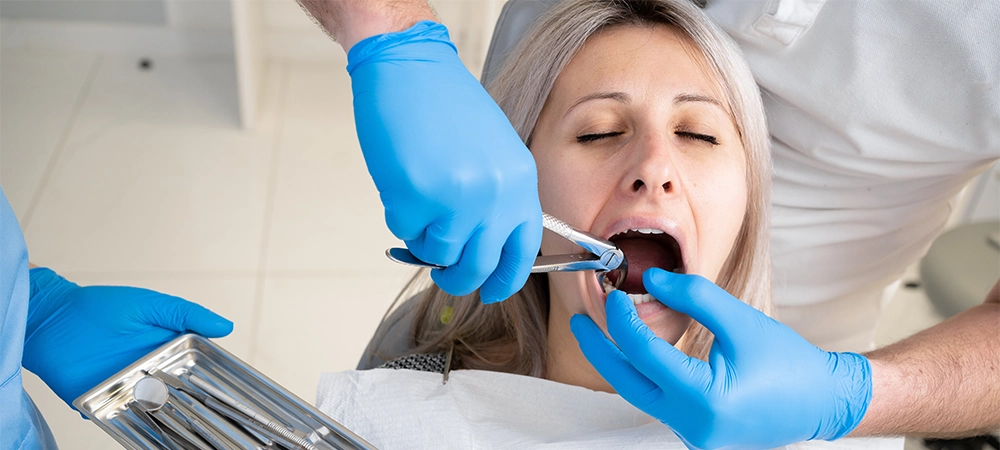
close-up of the poor girl's mouth in the bib of the patient in the dental clinic. A dentist in blue latex gloves removes her tooth with a buccal retractor and forceps.

Factors That Affect Tooth Extraction Cost

Several elements determine the total cost of a tooth extraction in Toronto. Understanding these helps you anticipate expenses and avoid unexpected charges.

Complexity of the Procedure

A simple extraction is generally less expensive because the tooth is visible and easy to remove. Surgical extractions, on the other hand, require additional time, skill, and sometimes incisions into the gum or bone to access the tooth. Impacted or broken teeth often fall into this category, which explains the higher price range.

Tooth Type and Location

Front teeth are usually easier and quicker to remove. Molars, especially wisdom teeth, have deeper roots and more limited access, making their extraction more complex. Upper teeth also tend to cost slightly less than lower ones due to bone density differences.

Diagnostic Imaging

Before extraction, your dentist may recommend X-rays or panoramic scans to evaluate root placement and surrounding bone. These images provide vital insight for a safe and precise procedure. Imaging usually adds $40–$100 to the total cost, depending on the technology used.

Sedation and Anesthesia

Local anesthesia is typically included in the base fee. However, if you choose oral sedation, nitrous oxide (laughing gas), or intravenous (IV) sedation for anxiety or complex surgery, expect a higher overall price. The sedation method depends on your comfort level and the dentist’s recommendation.

Aftercare and Medication

Post-extraction care may involve follow-up visits, pain medication, or antibiotics to support healing and prevent infection. While these add modest costs, Lockwood Clinic’s on-site pharmacy makes the process faster and more affordable. Patients can fill prescriptions immediately after their appointment, ensuring treatment continues smoothly without extra trips or delays.

Related Article: 5 Common Dental Issues and How to Prevent Them

Does OHIP Cover Tooth Extraction?

The Ontario Health Insurance Plan (OHIP) does not generally cover routine or elective dental procedures like extractions performed in private dental offices. However, coverage applies when extractions are required during hospital-based oral surgery or related to certain medical conditions.

Low-income residents may qualify for assistance through programs such as:

  • Ontario Works (OW) or Ontario Disability Support Program (ODSP)
  • Healthy Smiles Ontario (for children and youth under 18)

Our walk-in clinic can guide patients through available coverage programs and provide receipts for private insurance claims.

Private Dental Insurance and Out-of-Pocket Costs

If you have private dental insurance through work or a personal plan, your insurer may cover part or all of the cost for extractions, depending on your policy’s dental fee schedule.

Most plans cover:

  • A percentage of the dentist’s standard fee (often 70–90%)
  • Diagnostic X-rays
  • Anaesthetic costs

Patients without insurance can still access affordable care at Lockwood Clinic. Flexible payment options and transparent pricing help make treatment manageable.

What to Expect During the Procedure

At Lockwood Clinic, your comfort and safety come first. A typical extraction visit includes:

  1. Examination and X-rays: To confirm the tooth’s condition and surrounding bone health.
  2. Anesthesia: Local freezing ensures the procedure is pain-free.
  3. Extraction: The dentist gently loosens and removes the tooth. Surgical cases involve minor incisions if needed.
  4. Bleeding Control: Gauze is applied to help clot formation.
  5. Aftercare Instructions: You’ll receive detailed guidance on healing and pain control.

The procedure usually takes 20–40 minutes per tooth, and most patients can return home immediately after.

Elderly woman in blue polka-dot shirt listening to female doctor explaining dental X-ray, seated in dental office with equipment and tools. Concept of healthcare and pensioners, medicine.

Post-Extraction Care and Recovery

Healing after extraction depends on the type of procedure and your overall health. Most patients recover within 7 to 10 days.

Here are essential aftercare tips:

  • Bite gently on gauze for a few hours to stop bleeding.
  • Avoid smoking, spitting, or using straws for 24 hours.
  • Eat soft foods like soup, yogurt, and mashed potatoes.
  • Take prescribed pain relief as directed.
  • Keep the area clean with gentle saltwater rinses after 24 hours.

Lockwood Clinic provides follow-up care to monitor healing and address any concerns promptly.

Affordable Dental Care in Downtown Toronto

Lockwood Clinic is more than just a dental provider. It’s a comprehensive medical and diagnostic centre offering family practice, physiotherapy, audiology, and on-site pharmacy services. Patients benefit from integrated healthcare, meaning everything from consultation to imaging and prescription fulfillment happens under one roof.

The clinic’s downtown Toronto location ensures convenient access for residents, students, and professionals seeking efficient, same-day care.

Experience Trusted Dental Care at Lockwood Clinic

Whether you’re dealing with tooth pain, wisdom teeth, or a broken molar, early action prevents complications and extra costs. Lockwood Clinic’s dental team provides gentle, effective extractions and full aftercare support.

Restore your comfort and oral health today. Schedule your dental consultation with Lockwood Clinic.

Frequently Asked Questions

  1. How long does a tooth extraction take?

A simple extraction usually takes 20 to 30 minutes. Surgical or multiple extractions may take longer, depending on complexity.

  1. How painful is tooth extraction?

With local anesthesia, the procedure is painless. Mild discomfort afterward can be managed with over-the-counter or prescribed pain relief.

  1. Can I return to work after a tooth extraction?

For simple extractions, most patients return to normal activities the next day. Surgical cases may need 2–3 days of rest.

  1. Is wisdom tooth removal covered by insurance?

Most private dental insurance plans cover a portion of wisdom tooth extractions, especially if they’re medically necessary.

  1. How soon can I eat normally again?

Soft foods are recommended for 1–2 days. Gradually reintroduce solid food once the extraction site starts healing.

  1. Can infection occur after extraction?

It’s rare, but possible. Following aftercare instructions and keeping the area clean reduces risk.

  1. Are same-day appointments available at Lockwood Clinic?

Yes. Lockwood Clinic offers same-day or walk-in dental appointments for urgent extractions and consultations.

Dental Cleaning Cost in Downtown Toronto

Overview of dental caries prevention, Girl at the dentist chair during a dental scaling procedure, Healthy Smile.

Dental cleaning is one of the most important steps in maintaining oral health. It prevents plaque build-up, reduces the risk of gum disease, and keeps your smile fresh. While most people in Toronto understand the value of regular cleaning, the question often asked is about cost.

Dental fees can vary widely depending on the clinic, the type of cleaning needed, and whether you have insurance. Knowing what to expect makes it easier to plan ahead and avoid unexpected bills.

The average dental cleaning cost reflects both the procedure itself and the professional expertise of the dentist or hygienist. Understanding how fees are structured helps you make informed decisions about your oral care while balancing your budget.

Related Article: How Often to Get a Dental Cleaning?

Why Regular Dental Cleaning Matters

Skipping dental cleaning to save money can lead to higher costs later. Dental cleaning, as part of our dental services in downtown Toronto, removes plaque and tartar that daily brushing and flossing cannot.

Left untreated, build-up can cause cavities, gingivitis, and even tooth loss. Professional cleaning also gives dentists the chance to spot issues early, such as enamel wear or gum inflammation, before they become serious.

Cleanings are also linked to overall health. Research shows that untreated gum disease may contribute to conditions like heart disease and diabetes. By investing in preventative care, you protect your teeth and your general well-being.

Average Cost of Dental Cleaning in Downtown Toronto

The average cost of a standard dental cleaning in Toronto ranges from $150 to $300. However, this number can increase if additional treatments are required. Here is a breakdown:

  • Basic cleaning and polishing: $150–$200
  • Scaling and root planing (deep cleaning): $250–$500 per session, depending on severity
  • X-rays: $40–$100, often added to the cleaning visit
  • Fluoride treatment: $30–$60
  • Desensitizing or anti-bacterial treatments: $25–$50

Most dental clinics follow the fee guide set by the Ontario Dental Association (ODA). While fees may differ slightly, the guide provides a standard range that ensures consistency across clinics in the province.

Related Article: 5 Common Dental Issues and How to Prevent Them

Factors That Influence the Cost

Several elements affect how much you will pay for a dental cleaning:

  1. Type of Cleaning
    • Routine cleaning includes scaling, polishing, and flossing, suitable for patients with healthy gums.
    • Deep cleaning addresses gum disease and involves cleaning below the gum line, which requires more time and specialized tools.
  2. Time and Complexity
    The more plaque and tartar you have, the longer the cleaning takes. Patients who go years without professional cleaning may need multiple sessions, increasing the total cost.
  3. Clinic Location
    Downtown Toronto dental clinics often charge slightly higher rates than suburban practices due to overhead and operating expenses.
  4. Insurance Coverage
    Dental insurance can cover part or all of the cleaning costs. Without insurance, patients must pay out of pocket, though many clinics provide payment plans.
  5. Extra Treatments
    Additional services, such as fluoride applications or diagnostic X-rays, add to the final bill.

Close-up of doctor hands in nitrile gloves polishing female patient anterior teeth with nylon bristle brush

Insurance Coverage and Out-of-Pocket Costs

In Ontario, provincial health insurance (OHIP) does not cover routine dental cleanings for adults. Children and youth under specific government programs may receive coverage, but most adults rely on private insurance or personal payment.

If you have employer-sponsored or individual dental insurance, it often includes one or two cleanings per year. Always review your plan to confirm coverage amounts and frequency. Without insurance, expect to pay the full amount upfront, but some clinics offer direct billing or split payments to make costs more manageable.

Dental Cleaning at Lockwood Clinic

Lockwood Clinic, located in downtown Toronto, provides dental services as part of its wide range of healthcare offerings. This one-stop model allows patients to access family doctors, optometry, physiotherapy, and dental care all in one place. The clinic’s approach offers several advantages:

  • Convenience: Appointments can be coordinated alongside other health needs.
  • Integrated care: Dental professionals can collaborate with physicians to ensure patient well-being is fully addressed.
  • Accessibility: The clinic’s Downtown location makes it easy to book cleanings without long waits.
  • Insurance-friendly: Most insurance plans are accepted, and patients can receive cost estimates before treatment.

For those balancing busy work schedules, having dental and medical services in one downtown location saves both time and stress.

Budgeting for Dental Cleaning in Toronto

Managing the cost of regular cleaning is easier with a few strategies:

  • Schedule consistently: Bi-annual cleanings reduce the risk of expensive treatments later.
  • Use insurance benefits: Make sure to use all covered cleanings within a calendar year.
  • Ask for an estimate: Before booking, request a full breakdown of potential costs.
  • Explore payment options: Some clinics offer flexible payment plans.
  • Invest in prevention: Regular brushing, flossing, and fluoride rinses at home lower the need for advanced cleanings.

What to Expect During a Dental Cleaning

A typical cleaning session includes several steps:

  1. Assessment: The hygienist examines your teeth and gums for signs of disease.
  2. Scaling: Plaque and tartar are removed using manual or ultrasonic tools.
  3. Polishing: Teeth are polished to smooth the surface and remove surface stains.
  4. Fluoride application: A protective fluoride gel may be applied to strengthen enamel.
  5. Consultation: Your dentist reviews findings and discusses any concerns.

Appointments typically last 45 minutes to one hour. For deep cleaning, sessions may take longer or require a follow-up appointment.

Related Article: Why Regular Dental Checkups Are Important for Overall Health

The procedure for installing dental implants is performed with maximum comfort for the patient. A dentist uses modern techniques to treat and restore dental health with a dental assistant.

Preventing High Dental Costs with Regular Care

The best way to keep cleaning costs reasonable is through prevention. Daily oral hygiene, combined with routine visits, lowers the likelihood of gum disease and other costly conditions.

Skipping cleanings may seem like a short-term saving, but the long-term consequences often involve root canals, crowns, or tooth replacements, which are far more expensive.

A Practical Look at Downtown Toronto Prices

Downtown patients often balance convenience with affordability. While suburban clinics may offer slightly lower rates, many Torontonians choose downtown providers because of shorter commutes and access to full-service facilities.

With clinics like Lockwood offering integrated care, the added convenience offsets the small difference in price.

Moving Forward with Confidence

Understanding the average costs, insurance options, and benefits of regular cleanings helps you make informed choices. Downtown Toronto offers a wide selection of dental clinics, but choosing a provider that combines quality care with transparency ensures you get the most value for your investment.

A Healthy Smile Is Worth the Cost

Dental cleaning is an investment in both oral health and overall wellness. The average price of $150–$300 may seem like an expense, but it prevents costly procedures in the future.

Clinics like ours provide not just cleaning, but the added benefit of integrated medical services in one downtown location.

Choose Lockwood Clinic for your next dental cleaning and benefit from professional care delivered in a convenient downtown Toronto location. Reach out to us today.

Closeup of man dental clinic patient white healthy smile, unrecognizable bearded man with napkin on his chest showing his beautiful smile, showing result of treatment at modern dentistry

Frequently Asked Questions

  1. How often should adults in Toronto book dental cleanings?

Most adults should book every six months, but those with gum disease or higher plaque build-up may need visits every three to four months.

  1. What is included in the cost of a standard cleaning?

A standard fee usually covers scaling, polishing, and a check-up. X-rays and fluoride treatments are extra.

  1. Is deep cleaning the same as regular cleaning?

No. Deep cleaning targets bacteria and tartar below the gum line and is recommended for patients with gum disease, making it more time-consuming and costly.

  1. How can I lower my dental cleaning costs if I don’t have insurance?

You can ask your clinic about payment plans, search for community dental programs, or book consistent cleanings to avoid extensive procedures later.

  1. Why do downtown Toronto clinics cost more than suburban ones?

Overhead expenses like rent and staffing in the downtown core can raise fees slightly, but patients gain convenience and access to a wide range of healthcare services.

  1. Can I combine dental cleaning with other health appointments?

Yes. Clinics like Lockwood allow patients to book dental visits alongside medical, optometry, or physiotherapy appointments, saving time and travel.

  1. What long-term benefits come from regular cleanings?

Regular cleanings prevent gum disease, reduce the risk of tooth decay, improve breath, and contribute to overall health by lowering inflammation in the body.

How Often to Get a Dental Cleaning?

Beautiful Young Black Woman Looking At Mirror In Dentists Office, African American Female Patient Enjoying Her Beautiful Smile As Result Of Teeth Treatment In Stomatologic Clinic, Selective Focus

Regular dental cleanings are essential for maintaining strong teeth, healthy gums, and overall oral health. Many patients wonder how often they should schedule a cleaning, especially when their teeth appear fine or they brush and floss daily. The truth is that preventive dental care is the most effective way to avoid painful and costly issues later on.

At Lockwood Clinic in Toronto, our dental team recommends personalized cleaning schedules based on each patient’s oral health, lifestyle, and medical history. While the standard guideline is twice per year, some patients may require more frequent visits.

Why Dental Cleanings Are Important

Dental cleanings do more than just polish your teeth. Even with proper brushing and flossing, plaque and tartar build up over time. Professional cleaning removes these deposits, preventing cavities and gum disease. Cleanings also allow dentists to detect early signs of oral health issues, which can be treated before they worsen.

Skipping appointments may seem harmless, but it increases the risk of tooth decay, gum inflammation, and even systemic health issues like heart disease, which has been linked to poor oral hygiene.

Related Article: Why Regular Dental Checkups Are Important for Overall Health

The Standard Recommendation: Every Six Months

Most dental professionals agree that visiting the dentist every six months is the gold standard for preventive care. This schedule allows for effective removal of plaque and tartar while ensuring any early signs of decay, gum disease, or other oral issues are caught before they progress.

For patients with healthy gums and teeth, twice-yearly cleanings are usually sufficient to maintain oral health. These visits also provide an opportunity to refresh oral hygiene techniques, update X-rays if needed, and discuss changes in diet or lifestyle that may affect dental health.

Certain groups benefit even more from the six-month rule. Individuals who smoke, enjoy sugary foods and drinks, or take medications that reduce saliva production are more prone to plaque build-up, which can lead to cavities and gum disease. For these patients, sticking to the six-month interval is not just a suggestion but a protective measure.

Related Article: 5 Common Dental Issues and How to Prevent Them

When You Might Need More Frequent Cleanings

Although twice a year works for many, others require cleanings every three to four months. These shorter intervals help prevent recurring issues and manage high-risk conditions. You may fall into this category if you:

  • Have a history of gum disease or frequent cavities that require close monitoring
  • Wear braces, dentures, or retainers that trap food particles and bacteria
  • Have chronic health conditions such as diabetes, which affects gum and bone health
  • Smoke or use tobacco products, which increase the risk of gum disease and staining
  • Experience rapid plaque or tartar build-up despite good brushing and flossing

More frequent appointments can stabilize gum health, prevent infections, and protect crowns, implants, or other restorative work. For patients with ongoing dental problems, this proactive approach saves time, money, and discomfort in the long run.

Factors That Influence Cleaning Frequency

Dentists assess each patient’s unique circumstances before setting a cleaning schedule. These are the most common factors considered:

  • Oral hygiene habits: Regular brushing and flossing are critical, but they cannot fully eliminate plaque. Professional tools are needed to remove hardened tartar.
  • Diet: High sugar and starch intake accelerates plaque growth. Acidic foods and drinks can also wear down enamel, making teeth more vulnerable.
  • Medical conditions: Pregnancy, diabetes, heart disease, and weakened immune systems all increase the need for closer dental supervision.
  • Genetics: Some individuals are naturally more prone to gum disease or tooth decay due to inherited traits.

Because each mouth is different, a personalized dental care plan is always better than relying solely on a standard schedule.

Dentist interacting with female patient at dental clinic

What to Expect During a Dental Cleaning

At Lockwood Clinic, dental cleanings are thorough yet comfortable. A typical visit includes:

  1. Examination: The dentist or hygienist checks for cavities, gum inflammation, and other oral health concerns.
  2. Scaling: Special instruments are used to remove plaque and tartar above and below the gum line.
  3. Polishing: Teeth are polished with a gentle abrasive paste to remove surface stains and smooth enamel.
  4. Fluoride treatment: A fluoride application may be recommended to strengthen enamel and reduce the risk of cavities.
  5. Discussion: Your dentist reviews oral hygiene habits and recommends when to schedule the next cleaning.

Many patients leave with a noticeably fresher mouth, improved gum comfort, and a brighter smile.

Signs It’s Time to Schedule a Cleaning

Even if your last visit was recent, certain warning signs mean you should see your dentist sooner:

  • Gums that bleed during brushing or flossing
  • Bad breath that does not improve with mouthwash or brushing
  • Visible tartar or staining, especially near the gum line
  • Tooth sensitivity when eating hot, cold, or sweet foods
  • Loose teeth or gums pulling away from teeth

These symptoms could indicate gum disease, infection, or tooth decay that requires immediate treatment. Early intervention often prevents more serious complications.

Related Article: Can Walk-In Clinics Help Me Find a Family Doctor in Downtown Toronto?

How Regular Cleanings Save You Money

Routine cleanings are an investment that pay off significantly over time. By removing plaque and tartar before they cause damage, you can avoid costly treatments such as fillings, crowns, or root canals. Patients who skip cleanings often face higher dental bills later, as untreated issues progress into more complex problems.

Preventive care also supports overall health. Oral bacteria can travel through the bloodstream, increasing the risk of systemic conditions like heart disease and respiratory infections. Keeping up with cleanings lowers these risks, giving you both a healthier smile and a healthier body.

When compared with the expense of restorative procedures, dental cleanings are one of the most cost-effective steps you can take for long-term health.

Making Dental Care Convenient

If you have not scheduled a regular check-up, you can still book a dental cleaning at a walk-in clinic like Lockwood Clinic, which offers accessible care without long waits.

Our dental team provides flexible scheduling, extended hours, and a wide range of services under one roof, including family practice, diagnostic imaging, and on-site pharmacy support. This means you can address multiple health needs in one visit.

Your Ideal Dental Cleaning Timeline

For most patients, professional dental cleanings every six months are ideal. However, your unique health, habits, and history may call for more frequent visits. By keeping up with preventive care, you protect your smile, avoid pain, and reduce long-term dental costs.

At Lockwood Clinic, we customize care for every patient, ensuring the right cleaning schedule for your needs. Book your next cleaning today and keep your oral health on track.

Dentists during a dental intervention with a patient. Dentist Concept

Frequently Asked Questions

  1. How long does a dental cleaning take?

Most cleanings take 30 to 60 minutes, depending on plaque build-up and whether X-rays are needed.

  1. Are dental cleanings painful?

Cleanings are generally painless. Patients with sensitive gums may feel mild discomfort, but scaling is done carefully to minimize irritation.

  1. Does insurance cover dental cleanings?

Many insurance plans cover cleanings every six months. Check your plan for coverage details.

  1. Can dental cleanings whiten my teeth?

Cleanings remove surface stains, making teeth look brighter, but they are not the same as professional whitening.

  1. Is it safe to get a cleaning while pregnant?

Yes, dental cleanings are safe during pregnancy and recommended to prevent gum issues linked to pregnancy hormones.

  1. Do children need dental cleanings as often as adults?

Yes, children benefit from cleanings every six months to prevent cavities and monitor tooth development.

  1. What happens if I skip a cleaning?

Skipping cleanings increases the risk of cavities, gum disease, and costly dental work.

  1. Can dental cleanings prevent bad breath?

Yes, removing tartar and bacteria helps eliminate persistent bad breath.

  1. Will my dentist always recommend fluoride?

Not always. Fluoride is suggested if you are prone to cavities or have weakened enamel.

  1. How do I know if I need more frequent cleanings?

Your dentist will assess your oral health and advise if you need visits more often than every six months.

5 Common Dental Issues and How to Prevent Them

Pain, tooth ache and toothache from poor dental care, gum disease or bad personal hygiene routine in home bathroom. Stressed woman with cavity suffering and brushing teeth, cleaning mouth

A strong set of teeth underpins clear speech, confident laughter, and comfortable eating. Yet Statistics Canada still reports that one in three adults has untreated dental decay, and gum disease affects almost half of those over thirty. Many problems arise not from sudden accidents but from everyday routines that wear enamel, feed bacteria, and inflame gums.

Below you will find the five issues dentists treat most often, followed by realistic steps you can take at home, plus guidance on when to see a professional. Build these habits now, and you will save money, avoid pain, and keep your natural teeth for decades.

Related Article: Why Regular Dental Checkups Are Important for Overall Health

1. Tooth Decay (Cavities)

Tooth decay starts silently. Bacteria in dental plaque metabolize sugars and release acids that dissolve enamel, opening the way for deeper infection.

Spot the warning signs

Early decay appears as chalky white patches on the chewing surface or between teeth. Sensitivity to sweets or cold water often follows. A dark spot or hole means the cavity is already through the enamel and heading into dentin.

Everyday prevention

Before breakfast and at bedtime, brush for two full minutes with a fluoride toothpaste. The mineral rebuilds weakened enamel and makes new decay less likely. Floss or use interdental brushes each evening to sweep away plaque trapped where bristles cannot reach.

Limit “grazing” on sugary snacks; each nibble resets the acidity clock for another thirty minutes. Instead, pair dessert with a main meal when saliva flow is high.

Professional back-up

Ask your dentist about protective sealants on newly erupted molars — clear resin that acts like a raincoat in hard-to-clean grooves. Adults prone to decay can request a prescription-strength fluoride rinse or varnish.

Schedule a check-up twice yearly so microscopic lesions are caught before they need a filling.

2. Gum Disease (Gingivitis and Periodontitis)

Healthy gums fit snugly around each tooth and never bleed when brushed. Gingivitis, the first stage of gum disease, develops when plaque sits at the gumline. Left unchecked, it worsens into periodontitis, where bone and connective tissue erode.

Red flags to watch

Bleeding while brushing, persistent bad taste, and gums that appear puffy or dark red signal trouble. As the disease progresses, you may notice longer-looking teeth, loose spacing, or shifting bite alignment.

Daily defences

Angle your toothbrush at forty-five degrees toward the gumline and use short strokes to sweep plaque off. Replace cigarettes with nicotine-replacement therapy; smoking restricts blood flow and masks early bleeding signs.

Rinse with an alcohol-free antimicrobial mouthwash if recommended by your dentist. People with diabetes should monitor glucose levels closely; stable blood sugar improves gum healing.

Dental interventions

A professional cleaning removes calcified tartar that household tools cannot budge. In moderate cases, your hygienist may perform root planing and smoothing to allow the gums to reattach.

Advanced periodontitis sometimes needs minor surgery or local antibiotic gels. Early treatment almost always succeeds if you maintain excellent home care afterward.

Related Article: Dental Care Beyond Brushing: Exploring Preventive Dentistry and Dental Treatments

Close-up medical dentist procedure of teeth cleaning

3. Tooth Sensitivity

That sharp jolt when you sip iced water or breathe cold air usually means dentin is exposed. Enamel erosion or gum recession uncovers microscopic tubules leading straight to nerve endings.

Common triggers

Hard-bristle brushes and vigorous scrubbing, acidic beverages such as citrus soda, overnight grinding, and age-related gum shrinkage remove protective layers bit by bit.

Smart habits to adopt

Choose a soft-bristle brush and glide rather than scrub. Swap whitening pastes (often abrasive) for a desensitizing formula containing potassium nitrate or stannous fluoride.

After citrus or wine, rinse with plain water and wait thirty minutes before brushing; this pause lets saliva neutralize acids so you do not scrub softened enamel away. If stress makes you clench, invest in a custom night guard and practise jaw-relaxation exercises.

When to seek help

Persistent pain may indicate a cracked tooth or hidden decay. Your dentist can paint on a bonding agent, apply a protective varnish, or recommend gum-grafting surgery for severe recession. Early action preserves tooth structure and comfort.

4. Bad Breath (Halitosis)

Morning breath is normal, but an odour that lingers through the day can undermine confidence and warn of deeper issues.

Where odour begins

Anaerobic bacteria on the tongue’s rough back surface break down proteins, releasing sulphur compounds. Gum pockets, decaying teeth, dry mouth from medications, and high-protein “keto” diets intensify the smell.

Fresh-breath routine

Scrape your tongue gently from back to front after each brushing session. Keep a reusable scraper at work for midday refreshment. Stay hydrated; eight glasses of water dispersed throughout the day wash away food particles and keep saliva flowing.

Snack on crunchy apples or carrots – they act like natural toothbrushes. If you wear dentures, clean them nightly with a non-abrasive cleaner.

Professional support

Persistent halitosis despite spotless home care warrants a dental exam. Treating gum disease or filling hidden cavities often eliminates the smell. If your mouth is healthy, your dentist may refer you to a physician to check for sinus infections, digestive reflux, or other systemic causes.

5. Enamel Erosion

Unlike localized cavities, erosion thins the entire enamel surface. Teeth take on a yellow hue as underlying dentin shows through, and edges may appear translucent.

Typical causes

Frequent sipping of carbonated water flavoured with lemon or lime, habitually sucking on vitamin-C tablets, chronic gastric reflux, and swimming in over-chlorinated pools dissolve enamel. Eating disorders involving repeated vomiting pose an especially high risk.

Protective measures

Confine acidic drinks to mealtimes and finish them within fifteen minutes rather than sipping all afternoon. Use a straw placed toward the back of the mouth to bypass front teeth. Chew xylitol gum to stimulate remineralizing saliva.

Rinse nightly with a 0.05 percent fluoride mouthwash and ask about high-fluoride toothpaste if your risk is elevated. If heartburn is frequent, consult a physician; controlling reflux safeguards both oesophagus and teeth.

Restorative options

Early erosion can sometimes be stabilized with topical fluoride and dietary changes. When edges chip or surfaces flatten, your dentist may recommend bonding, veneers, or crowns to rebuild lost structure. Treating early is cheaper and preserves more natural tissue.

Related Article: Services You Can Expect at a Walk-In Clinic in Toronto

Chipped and cracked tooth enamel, enamel hypoplasia, malocclusion. Bad teeth of a middle-aged man. Negligent attitude towards your health, concept.

Forward-Looking Care

Daily discipline beats emergency treatment:

  • Brush, floss, and scrape your tongue twice a day.
  • Favour crunchy produce and dairy while limiting sugary or acidic drinks.
  • Stay hydrated and smoke-free: saliva and oxygen-rich blood keep gums robust.
  • Book professional cleanings every six months and keep a written record of advice.

If you notice bleeding, pain, sensitivity, or stubborn odour, act quickly. Early intervention saves enamel, gums, and money. Lockwood Clinic’s dental team provides everything from routine exams, digital X-rays, and gentle cleanings to fillings, gum therapy, and same-day crowns, covering nearly any concern in one stop.

Need prompt attention? Lockwood Clinic’s walk-in clinic in downtown Toronto welcomes patients seven days a week.

Call us or drop in for same-day assessments, preventive treatments, or urgent relief, and leave with a clear plan to keep your smile strong for life.

Why Regular Dental Checkups Are Important for Overall Health

dentist and patient choose treatment during consultation with medical equipment in dentistry

Many people think of dental check-ups as something you do to avoid cavities or keep your smile clean. While that’s true, it’s only part of the picture.

Regular dental visits are about more than your teeth. They’re a key part of protecting your overall health. From detecting early signs of disease to reducing your risk of serious conditions like heart disease and diabetes, the dentist’s chair is more connected to your well-being than most realize.

At Lockwood Clinic, we treat dental care as an important part of our integrated approach to health. Here’s why keeping up with your dental appointments is a smart move for your whole body.

Related Article: The Link Between Oral Health and Heart Disease: What You Should Know

The Link Between Oral Health and General Health

Your mouth isn’t separate from the rest of your body. It’s a gateway to it.

Bacteria that build up in the mouth can travel into the bloodstream, contributing to inflammation and triggering or worsening other health issues. In fact, several studies have linked poor oral health to conditions like:

  • Heart disease
  • Stroke
  • Diabetes
  • Respiratory infections
  • Pregnancy complications

Inflammation in the gums (gingivitis or periodontitis) doesn’t just stay local. It can raise systemic inflammation markers and increase risks in other areas.

What Happens During a Routine Dental Check-Up?

A check-up is more than a quick glance at your teeth.

A standard visit at Lockwood Clinic’s dental department usually includes:

  • Medical and dental history review
  • Oral exam to check for decay, gum issues, lesions, and abnormalities
  • Professional cleaning (removal of tartar and plaque buildup)
  • X-rays, if needed, to spot deeper issues
  • Assessment of jaw, bite, and oral cancer screening

Each of these steps plays a role in identifying issues early, often before they cause pain, cost, or complications.

Related Article: Dental Care Beyond Brushing: Exploring Preventive Dentistry and Dental Treatments

Catching Problems Early = Less Pain, Lower Cost

Dental issues tend to build silently. Cavities, for instance, don’t usually hurt until they’ve grown. Gum disease might not cause noticeable symptoms until it’s advanced. By that point, you might be facing root canals, extractions, or more complex care.

Regular check-ups:

  • Spot decay before it spreads
  • Catch gum disease before it leads to tooth loss
  • Detect oral infections early
  • Prevent abscesses or costly emergency visits

Put simply, the earlier it’s caught, the easier (and cheaper) it is to fix.

dental oral checkup for gum disease

Gum Disease and Systemic Health Risks

Periodontal disease is a chronic gum infection that affects nearly half of adults over 30. Left untreated, it can destroy bone and lead to tooth loss — but the effects don’t stop there.

Research shows links between periodontal disease and:

  • Increased risk of heart attack
  • Worsening diabetes control
  • Higher risk of dementia
  • Low birth weight in babies

Regular dental visits are the first line of defence against gum disease. Cleanings remove tartar that toothbrushes can’t, and early gum issues are often reversible with the right care.

Oral Cancer: Early Detection Saves Lives

Every check-up includes an oral cancer screening. And that’s more important than many people realize.

Oral cancers can develop on the tongue, cheeks, roof of the mouth, and throat. They often go unnoticed in early stages, especially if you don’t smoke or drink. But they still happen.

The 5-year survival rate for oral cancer jumps from 50% to over 80% when it’s caught early.

Your dentist isn’t just cleaning your teeth. They’re potentially saving your life.

Related Article: The Importance of Regular Dental Checkups: Preventing Cavities and Other Oral Health Problems

Dental Health and Chronic Conditions

Your dentist can also help manage or alert you to broader health issues.

Diabetes

Gum disease can make blood sugar harder to control, and people with diabetes are more prone to oral infections. Regular dental care helps spot and manage this two-way relationship.

Heart Disease

Ongoing oral inflammation may contribute to heart problems. Treating periodontal disease can reduce inflammation throughout the body, easing the burden on your cardiovascular system.

Osteoporosis

Loose teeth or receding gums may be an early sign of bone loss. Dental X-rays can sometimes catch what other scans miss.

Mental Health, Confidence, and Quality of Life

Beyond the medical links, regular dental care supports your mental health and self-esteem.

  • Clean teeth reduce bad breath and social anxiety
  • A healthy smile boosts confidence in both personal and professional settings
  • Dealing with dental pain or missing teeth can cause emotional distress, preventable with routine care

For many patients, keeping their oral health in check means staying confident, comfortable, and connected.

Why Dental Visits Should Be Part of Your Health Routine

You wouldn’t skip your annual physical. Your teeth deserve the same level of attention.

We recommend a check-up every six months, though your dentist may adjust that based on your needs. Certain conditions, such as diabetes, pregnancy, or gum disease, may require more frequent monitoring.

At Lockwood Clinic, your dental visit is part of a larger care network. Because all services (medical, diagnostic, and dental) are under one roof, we can coordinate care more efficiently, with better follow-up and communication.

doctor dentist with an assistant work in a dental clinic

What If You Haven’t Been in a While?

Many people delay dental visits due to anxiety, cost, or simply being busy. The truth is it’s never too late to come in.

Our team is trained to treat all patients with respect without judgment and lectures. We focus on what we can do now to improve your oral health moving forward. Whether it’s been 6 months or 6 years, we’ll help you get back on track.

The Lockwood Clinic Advantage

Lockwood Clinic is a well-established walk-in medical facility located in downtown Toronto. It offers a broad range of services, including:

  • Family medicine
  • Walk-in care
  • Physiotherapy
  • Optometry
  • Dental services
  • Audiology
  • X-rays and diagnostic imaging
  • Onsite pharmacy

We focus on accessible, patient-centred care, without requiring appointments for most services. We’re known for compassionate service, convenience, and multidisciplinary collaboration.

Book Your Dental Check-Up Today

Oral health is whole-body health. And keeping your mouth in shape helps protect everything from your heart to your confidence.

Don’t wait until something hurts. Regular dental check-ups are a small investment with a big return for your smile and your health.

Visit us in downtown Toronto today, or call to book your dental check-up. Let us help you stay healthy, from teeth to toes.

COIN303

KOIN303

COIN303

COIN303

COIN303

COIN303

COIN303

judi bola online

coin303

coin303

coin303

coin303

coin303

coin303

coin303

Situs KOIN303

agen slot coin303

Koin303

Slot COIN303

situs slot

slot online

LINK KOIN303

Bandar Togel

coin303

coin303

agen casino online

judi bola online

slot resmi

coin303

coin303

coin303

coin303

PG Soft

situs casino

situs judi bola

judi bola

login coin303

coin303

coin303

situs slot mahjong

link koin303

kaitan dengan mahjong ways

fakta mahjong ways yang luar biasa

begini peran mahjong ways

koin303

jadi sorotan detail mahjong ways

coin303

coin303

coin303

mix parlay

https://www.bastiansecurity.co.id/monitoring/

Situs APK Slot

Tren Baru Hiburan Digital Game Online Mahjong Ways 2 yang Kian Populer

Dari Hobi Bermain Mahjong Ways Jadi Peluang Menguntungkan Menarik di Era Digital

Mengapa Game Viral Mahjong Ways 2 Semakin Diminati? Ini Faktor Pendorongnya

Evolusi Viralnya Mahjong Ways: Memberikan Inovasi Fitur dan Tantangan yang Makin Seru

Dampak Positif Perkembangan Game Viral Mahjong Ways terhadap Industri Hiburan Online

Strategi Developer dalam Mengembangkan Game Viral Mahjong Ways yang Digemari Pengguna

Game Viral Mahjong Ways 2026: Prediksi Tren dan Teknologi yang Akan Mendominasi

Dari Media Sosial ke Aplikasi, Begini Perjalanan Game Viral Mahjong Ways 2

Peran Komunitas Digital dalam Mendorong Popularitas Game Viral Mahjong Ways 2

Game Viral Mahjong Ways 2 dan Generasi Muda: Tren, Peluang, dan Tantangan Baru

agen bola

agen slot

coin303

coin303

coin303

COIN303

coin303

coin303

coin303