
How to Find A Physiotherapist In Toronto

Find A Physiotherapist In Toronto

Physiotherapy can help you regain strength, improve flexibility, and add to your overall well-being. While taking the step to start physiotherapy is a positive one, certain factors can make your therapy more successful. Your choice of therapist, specialty, and their location are some of the biggest factors to consider.

Before deciding on a physiotherapist, consider their specialties, experience, clinic location, and reviews from past patients. Here, we’ll explore these factors and how you can use them to find the best physiotherapist.

Get Familiar with Physiotherapy Terminology

Nobody expects you to know everything there is to know about physiotherapy or any other medical service. However, knowledge of certain terms can help you make informed decisions.

First, be aware there are four main branches of physiotherapy: geriatric, pediatric, sports, and orthopedic. Within these broad categories, you’ll also find cardio-respiratory, women’s health, pelvic floor, neuro, hand therapy, and several others corresponding with different body parts and conditions. Once you know the type of specialist you need, you can easily narrow down your search.

Know What Certifications Mean

In the search for now to find a physiotherapist, you’ll come across doctors with a variety of acronyms attached to their names. These acronyms indicate certain certifications. While multiple certifications may seem more impressive, some hold more weight than others.

Similarly, some certifications may not be necessary for the type of treatment you require. Here are some certifications to know and their importance:

CCS (Cardiovascular & Pulmonary Certified Specialist)

As the name implies, this certification means your therapist has completed coursework and training to specialize in helping patients recover from respiratory and cardiac conditions.

GCS (Geriatric Certified Specialist)

As we age, certain diseases and conditions become more prevalent. A therapist with GCS certification specializes in these conditions and has specific knowledge for working with older adults.

OCS (Orthopedic Certified Specialist)

Conditions and injuries affecting the musculoskeletal system are among the most common issues patients will need physiotherapy for. These issues can include bone fractures, sprains, and repetitive strain injuries. An OCS therapist has completed additional work to ensure they have in-depth knowledge of these types of injuries.

WCS (Women’s Health Certified Specialist)

A physiotherapist with a WCS certification has special knowledge of how to treat women and women-specific conditions. This knowledge covers treating women during or after pregnancy along with female athletes and women at all stages of life.

SCS (Sports Certified Specialist)

Physical therapists specializing in sports-related injuries often work with athletes to recover from injuries and prevent them. Their work can include a variety of stretches, massage, and other therapies that help to keep muscles and joints flexible.

FCAMPT (Fellows of the Canadian Academy of Manipulative Physiotherapy)

FCAMPT certified therapists are specialists who have gone beyond graduate studies to gain advanced clinical reasoning skills. Their abilities are best suited to complex orthopedic conditions and injuries. While any patient would benefit from these extensive skills, most people don’t need their highly specialized knowledge to achieve physiotherapy benefits.
therapist quality

Consider Online Reviews and Referrals

While online reviews are not a guaranteed indicator of a therapist’s quality, they can be a good starting point. When considering reviews, make sure to read the actual reviews versus just looking at the scores.

Part of how to find a physiotherapist in Toronto is understanding which reviews should influence your decision. Some patients may rate a therapist very well or poorly based on factors that are not important to you. For example, someone may give a low score simply because a clinic is not open at hours that are convenient for them or they do not specialize in the type of therapy they require.

If possible, ask people you know for referrals. Often, a personalized recommendation from a trusted friend who understands your needs can be more valuable than online reviews and comments.

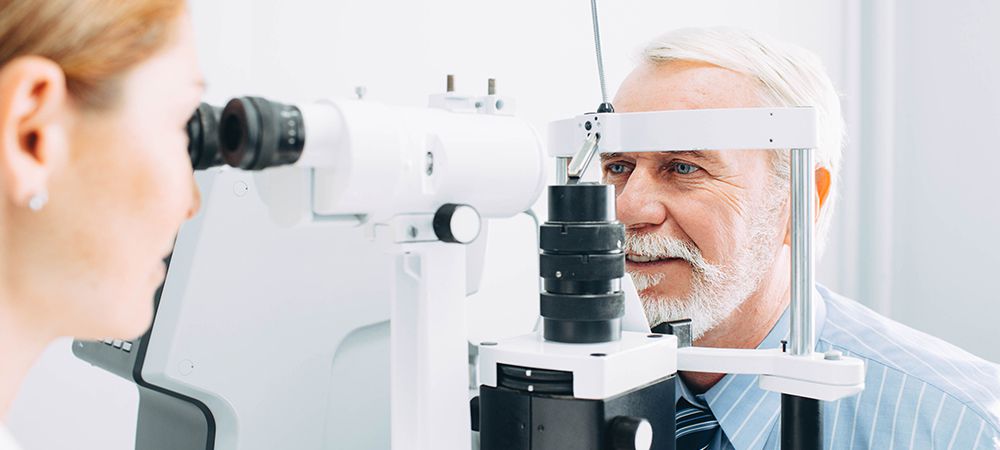
Related Article: Should I See An Ophthalmologist Or Optometrist?

Consider the Clinic Itself

Often, patients will put their focus on finding an individual therapist with good reviews without considering the clinic. While an inadequate therapist in a state-of-the-art clinic is hardly ideal, neither is a great therapist in a clinic without the equipment you need.

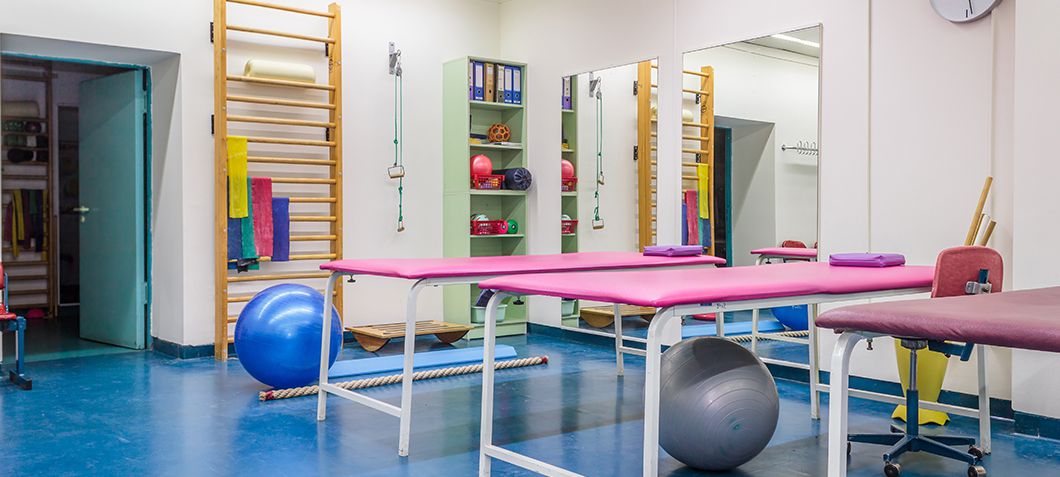
An important part of how to find a physiotherapist is ensuring the clinic is in the best possible condition. Look at the clinic’s website to get an idea of how the physical space looks. Do they have a gym? Are they investing in new equipment? Do they offer massages and water therapy? While you may not need these items or services, it can help you make a decision if a clinic specifically does not have what you need.

Another factor to consider is whether or not the clinic will bill your insurance directly or you’ll have to struggle with the paperwork. While it is far from uncommon for a clinic to not do direct billing, when they do, it is one less thing you must worry about. It’s a small but significant detail that should inform your choice of physiotherapist in Toronto.

Consider Location

Is the therapist or clinic you’re considering conveniently located? While some patients may have different ideas of what is a reasonable commute to a therapy appointment, people are generally more likely to stick with therapy when it’s convenient. This often means narrowing your search to within a certain radius from your home or work

For other patients, it may mean seeking in-home physiotherapy. At-home service is more convenient, however, but is likely to be significantly more expensive. Plus, your options may be more limited as there are more therapists available who work at clinics vs. making house calls.

When considering location, ask yourself what distance you’re realistically willing to travel. This is especially important during a Toronto winter when there are likely to be days that are too snowy or cold to be comfortable for a long commute.

Related Article: Choosing A Family Doctor In Toronto

Find a Physiotherapist in Toronto Today

When you’43 in need of physical therapy or any kind of medical attention, it can be difficult to focus on finding the perfect doctor for your needs. At BCML, we understand that when you are in pain you want to start treatment to feel better as soon as possible.

This is why we aim to provide not only physiotherapy but also x-ray, ultrasound, and pharmacy services at one convenient location. Call 416-847-1100 today to schedule an appointment.


What is the Cost of Physiotherapy in Toronto?

Cost Physiotherapy in Toronto

Physiotherapy can help you maintain and regain flexibility, reduce pain, and improve your overall health. Costs for this service can be significant, however; there are ways to reduce what you pay out of pocket. Additionally, for many patients, they may be able to return to work and improve their quality of life, making the cost an investment with great returns.

Generally, you can expect to pay around $75 to $100 for an initial consultation and then varying rates for each additional session after this. Here we will look at some of the factors that can affect your total cost, some ways to reduce your costs, and if physiotherapy is worth it for you.

Initial Costs of Physiotherapy

Your physiotherapy treatment will begin with a consultation where your therapist will assess your injury or condition and begin devising a personalized plan for your treatment. As mentioned above, you can expect this to cost between $75 and $100. The session should last around an hour and at the end of it, you will have a better understanding of what your course of treatment will be.

Factors that Will Affect the Cost of Physiotherapy in Toronto

Length of Initial Examination: Most initial exams will take an hour, however; if you have extensive injuries or multiple conditions, you may require a more in depth exam. This may also require x rays and other tests prior to beginning physiotherapy. Some of these other tests and pre-exam needs may be covered by your health plan or insurer.

How Many Sessions You Require: Typically, physiotherapy treatment consists of an initial consultation followed by a set number of sessions. Throughout the sessions, your progress is analyzed. If you have reached your goals, your doctor may only prescribe infrequent followup sessions such as monthly massage therapy and/or prescribe you at-home exercises to do. However, you may require additional time with the therapists if your pain, injuries, or flexibility have not improved sufficiently.

Type of Physical Therapy: There are several main types of physical therapy including sports therapy, orthopedic, and therapy specifically for older adults and children.  Generally, sports therapy and geriatric physiotherapy are the most costly while pediatric tends to be less and orthopedic falls in the middle.

Paying for Physiotherapy

Here are some general guidelines for cost:

  • Sports Therapy: With sports therapy, there is an emphasis on regaining strength after an injury, and/or improving health to help prevent injuries. Typically, sports therapy for a specific injury will cost around $800. This will include an initial consultation and several follow up sessions and possibly massage therapy.
  • Orthopedic: Orthopedic therapy is among the most likely and common for adults. This branch of physiotherapy deals with strains and pains associated with poor posture, back and neck injuries, post-surgery recovery and a variety of other common conditions and injuries.
  • Geriatric and Pediatric: These two types of therapy focus on injuries that are common in the elderly or in children. Costs will vary widely depending on exactly what is needed. Geriatric tends to be the most expensive because elderly people often need in-home treatment which is more costly:
  • Other Costs Guidelines:  For individual therapy sessions which will help you improve mobility, you will pay per session somewhere in the range of $200 to $500. Massage therapy may also be needed but is considerably less expensive, typically ranging from $30 to $60 depending on the length of the session.

Your Available Insurance and Tax Status: Certain deductions can be taken to reduce the costs of your physical therapy and some insurers may partially cover costs as well. We will cover this in more detail in the next section.

Where You Receive Therapy: Depending on specialty and location, therapists may charge higher or lower rates. While it may be tempting to search out the lowest cost per session provider, this may not always result in savings. A therapist who does not specialize in your type of injury or has less experience may charge less per session but you may need more sessions to achieve the same results as you would with less from a more qualified therapist.

Help with Paying for Physiotherapy

While physiotherapy is an important part of regaining and maintaining your health, it can get expensive. Fortunately, there are a few ways to save on the cost of physiotherapy.

Health Savings Account: If you own an incorporated business, you can count your therapy as a pre-tax expense meaning you will not be charged taxes on the money that is put towards therapy. Do this by using your Health Spending Account (HSA). This can also save you money on a variety of other services that are typically out of pocket costs. For example, dentistry, massage therapy, and eyecare.

Medical Expense Tax Credit (METC): For those who are unable to use an HSA, you can still benefit from the METC. This tax credit will be applied to any taxes that you owe. However, note that this tax credit cannot be refunded, meaning if you do not owe taxes, you will not receive additional money from the METC.

Insurance: In some cases, your physiotherapy may be covered by your insurance. This is not always the case and you should discuss this with your insurance provider prior to your first appointment.

Is Physiotherapy Worth it?

For many patients, physiotherapy is more than worth the cost since it can often improve your quality of life and possibly help you avoid more invasive measures. With the personalized stretching, massage, and exercises of physiotherapy, you may be able to regain flexibility and reduce pain without needing surgery.

Additionally, those who can regain function in a knee, shoulder, neck or other body part will often not only improve their quality of life, they may be able to return to work and/or save money on items like mobility aids. Overall, physiotherapy is a good choice compared to the alternative of not getting help.

Getting Started with Physiotherapy

Many therapists will work with you to develop a payment plan, discounted rate, or help you find ways to make the therapy more affordable. At BCML, our team of therapists is here to help you get the therapy you need at the best price possible. Contact us today at 416-929-1900 to schedule a consultation.

10 Reasons You Should Have a Family Doctor

Family Doctor Toronto

Who would you call if you had a medical concern? While major, life-threatening conditions mean an easy decision to go to the hospital, non-emergency situations can be more difficult when you do not have a regular doctor. Family doctors specializing in family medicine can serve as a primary source of care for each member of your household from children to senior citizens.

Having a family doctor in place ensures you have a reliable physician to call for regular physicals, management of chronic illnesses, minor injuries, fevers, rashes, and all the many medical concerns you and your family may face. While a family doctor may not be able to treat emergency medical situations, they can often help you avoid the factors that can lead to emergency issues.  This is just one of the many reasons you should have a family doctor.  Let’s look at what a family doctor does and why it is so important to form a relationship with one for your family.

What is a Family Doctor?

A family doctor is a doctor who has training in family medicine which enables them to treat patients of all ages. This differs from an internist who can also provide general care but only for adults.

A family doctor is able to:

  • Help you manage chronic conditions such as diabetes and heart disease.
  • Refer you to specialists when needed.
  • Treat acute conditions such as rashes, infections, minor injuries and much more.
  • Provide preventative care testing and analysis.
  • Conduct annual check-ups.
  • Treat patients of all ages.

10 Reasons having Family Doctor

10 Reasons You Should Have a Family Doctor

  1. Your Family Doctor Knows Your Whole History: While any doctor can read your chart, your dedicated family doctor will get to know you personally and be better able to provide personalized recommendations. This often makes the process of getting a proper diagnosis and treatment more efficient especially if there may be multiple family members suffering the same illness or condition.
  2. You Always Have Someone to Call: As mentioned above, it can sometimes be difficult to know who to call when you have a non-emergency medical condition. While you may be able to go to a hospital for certain conditions, a family doctor can often provide faster care with less stress.
  3. Helps You Stay on Top of Preventative Care: Though it may be easy to remember to get your eyes checked when your glasses stop performing as well, it can often be much too easy to ignore our body’s need for regular check-ups. A family doctor will help to remind you of necessary testing and let you know which tests are required based on your age and health.
  4. Easy Specialist Referrals: While finding a family doctor who is taking new patients can be difficult, it is often far more difficult to find a specialist. Not only can a family doctor tell you what specialist you may need, they will likely have connections with specialists in the area which can help with getting an appointment.
  5. A Family Doctor Treats Your Whole Family: For those with children in their family, a family doctor is often the ideal choice for primary medical care.  This makes ensuring your whole family stays on top of regular visits much more convenient.
  6. They Know What Treatments are Best for You: Do you like alternative treatments such as yoga or meditation before considering drugs? Do you struggle with taking your medication on time? A family doctor you have formed a relationship with over many years will often know the answer to these questions and can recommend treatment that will fit your lifestyle.
  7. Better for the Community: While there are numerous benefits to you as an individual for having a family doctor, you will also be contributing to a healthier system for all. Studies have shown that the preventative care a family doctor provides helps to reduce emergency room visits. Not only is it good for you to avoid a trip to the emergency room, it leaves more resources for others with other emergency conditions.
  8. Help You Manage Chronic Conditions: Regular check-ups are important for everyone but are especially critical for those with chronic conditions. Your family doctor can help you stay on track by adjusting your medications, testing, and treatment as needed.
  9. Family Doctors Treat the Whole Person: While specialists are an important part of the medical care system, a general practitioner like a family doctor is able to help with the diagnosis and treatment of a wide range of conditions and illnesses. Unlike specialists whose experience is focused on a particular part of the body or certain conditions, a family doctor is better able to take your whole medical history into consideration before prescribing treatment.
  10. Offers Treatment Flexibility: Due to a family doctor’s extensive training in a wide range of areas, they are often able to provide or recommend a variety of treatment options. Their own knowledge base plus their connections within the medical community give them the resources needed to present you with multiple treatment options when possible. For example, while a surgeon is best equipped to recommend surgical options, a family doctor may be better able to recommend nonsurgical options as well.
  11. BONUS Reason: Family Doctors are Free: If you are a member of OHIP, your family doctor visits are completely covered. Even more importantly, building a relationship with your family doctor can help you avoid physical, emotional, and financial costs in the long run as you work together to improve your health.

Find Your Family Doctor Today

Choosing a family doctor may seem like a daunting task or it may even seem unnecessary if you do not have chronic conditions. However, having a family doctor in place will give you and your family the peace of mind you deserve when illness or injury strike.

At BCML, we are here to help you manage your total health and find the care providers that are right for you. To connect with our primary care physicians and our team of medical care professionals, call (416) 929-1900.

Should I See An Ophthalmologist Or Optometrist?

should i see an ophthalmologist or optometrist

Both ophthalmologists and optometrists are trained medical professionals who are an important part of your eyecare health. However, what is the difference between the two and when should you see an ophthalmologist vs an optometrist? In short, an optometrist can provide many of the same services and diagnostic capabilities as an ophthalmologist with the notable exception of surgical solutions.

Here we will look at the differences between an ophthalmologist and optometrist and which is best for your eyecare needs.

What is the Difference Between an Ophthalmologist and Optometrist?

While both ophthalmologists and optometrists are doctors, an optometrist is a doctor of optometry and an ophthalmologist is a medical doctor.  An ophthalmologist will earn their surgical experience through four years of medical school followed by four years of residency at a medical facility.

An optometrist, instead of attending medical school, will attend optometry school for four years followed by one year of residency. During residency optometrists will participate in extensive clinical training.  With this experience, they can treat and diagnose a wide range of eye conditions, prescribe prescription lenses, and give eye exams.

However, they will not be able to perform eye surgery. In some provinces, an optometrist may be restricted from treating certain eye conditions, but they are generally able to diagnose and give you a referral to the correct medical professional even if they cannot provide the treatment itself.

What Can an Optometrist and Opthamologist Do?

Optometrists: Optometrists are often your first line of defense not only for your eye health but your total health. This is because a thorough eye exam can reveal signs of many other medical conditions including diabetes, high blood pressure, and even certain cancers. An optometrist’s exam will frequently reveal signs of these conditions before you start experiencing symptoms, making this exam critical to early detection and successful treatment.

Other optometrist services include:

other optometrist services include

Assist With Pre and Post Operative Care: While an ophthalmologist will be the one to perform an eye surgery, an optometrist is often a more convenient choice to provide pre and post op care. Optometrists are fully equipped to provide this care and getting an optometrist appointment is typically easier because they will not have days blocked out for surgery.

Write Eyewear Prescriptions: If you are a long time glasses wearer you likely go to an optician to get your glasses fitted. However only an optometrist or ophthalmologist is able to write the initial prescription.

Eye Exam: More than a simple vision test, an exam allows your optometrist to observe the structure of your eye. This will allow them to see any abnormalities or inflammation that could indicate certain conditions.

Treat Eye Trauma: Eye trauma that does not require surgery can be treated by an optometrist. This includes treating scratches and removing foreign objects from the eye.

Provide Proper Referrals: Though an optometrist is able to treat a wide range of conditions, there are certain medical needs they can not see to. For example, your optometrist may suspect you have a tumor and can refer you to an ophthalmologist, oncologist, or another specialist.

Eye Exam: As mentioned above, this exam focuses on the structure of the eye in order to give clues about your total health. Your doctor will visually look at your eyes and also administer tests to identify any issues. This is often a critical first step to diagnosing various conditions and also getting a baseline for your eye health.

Ophthalmologists: Ophthalmologists can perform all of the services and treatments that an optometrist can along with providing surgical solutions. This includes laser eye surgery, a popular option for those who do not want to or cannot wear glasses or contacts.

When to See an Opthamologist vs an Optometrist?

If you are experiencing any kind of vision issues such as blurriness, a “veil” over your vision, loss of peripheral vision or any other sudden changes, it is key to see an eye doctor. In these cases, an optometrist or an ophthalmologist are both good choices and the most important factor is getting an appointment quickly.

In some cases, an emergency room visit may be the best option. Specifically, if you are experiencing a major headache, numbness on one side of the body, difficulty speaking or any other signs of stroke you should get emergency medical attention immediately.

However, if your vision issues are not an emergency, here are some guidelines for how to choose between seeing an ophthalmologist vs an optometrist:

Optometrist: Generally, an optometrist visit is a good starting point for establishing the baseline health of your eyes. If you need a routine eye exam, new glasses prescription, or have been experiencing more mild eye issues such as eye fatigue from looking at a screen too long, an optometrist is typically your best option. Not only is an optometrist well qualified to perform an eye exam, they are often easier to get an appointment with compared to a specialist.

Ophthalmologist: An ophthalmologist is also able to perform eye exams, provide prescriptions, and perform all the services that an optometrist can. If you need a general check up or eye exam, an ophthalmologist is perfectly fine to make an appointment with. However, it is often the case that an ophthalmologist is the next step after visiting an optometrist who will be able to tell you if you need surgery or other advanced treatment that they cannot provide.

Conclusion

Generally, if you need an eye exam or other routine check up, both an ophthalmologist and optometrist can provide this service. Choosing between the two will often come down to who you can get an appointment with most quickly and other convenience factors. However, if you have more advanced eye health concerns and surgical needs, an ophthalmologist will be the right doctor for you.

Need help managing your eye health now? BCML offers fast, convenient, and compassionate care for your total health including eye exams. To find the best eye care options for you, contact us today at (416) 929-1900.

What is the Difference Between an Optometrist, Ophthalmologist, and an Optician?

is an optometrist a real doctor

While most people are familiar with an ophthalmologist being an eye doctor, some may not realize that an optometrist is also a doctor. If you have ever asked “is an optometrist a real doctor?” there is a good chance you may be thinking of an optician, who is also an eye care professional but not a doctor.

So, what is the difference between these three important members of your eye care team? What kind of training does an optometrist have and when should you see an optometrist? We will answer all these questions here.

What is an Optometrist and What Kind of Training Does an Optometrist Have?

An optometrist is an eye care professional who has received extensive schooling and training to earn a doctor of optometry (OD) degree. This training includes a 4-year Bachelor of Science degree, followed by four years of optometry school. They will have also completed clinical training and licensing. In short, yes, this qualifies an optometrist as a doctor. A doctor who, specifically, is trained to specialize in diagnosing and treating a wide range of eye conditions.

However, this is not the same as a medical doctor (MD) who will typically earn a Bachelor degree followed by four years of medical school and an additional three to seven years of residency. An OD should also not be confused by a DO (Doctor of Osteopathic Medicine). A DO also attends medical school like an MD but, instead of focusing on a particular part of the body or condition, a DO takes a whole body approach to treatment.

What Can an Optometrist Treat?

An optometrist can treat and diagnose a wide range of eye health concerns. They can also perform a complete eye exam which can reveal other health concerns such as diabetes, certain cancers, and high blood pressure. Often eye exams performed by an optometrist are critical measures in diagnosing these conditions early on. Various changes in the eyes can indicate the presence of these conditions before any other symptoms make themselves known.

Other services, treatments, and diagnostics that an optometrist provides include:

  • Eye Exam: an eye exam is more than a vision test which reveals your ability to see. Instead, an exam includes an assessment of your physical eye including the retina, blood vessels, and cornea. This can reveal problems such as cataracts, macular degeneration, and other health problems.
  • Prescribe Eyewear and Contacts: While an optician can fit you for glasses, an optometrist is needed to prescribe lenses. This includes determining if you need reading glasses, glasses for near or farsightedness or other vision issues.
  • Treat Mild to Moderate Eye Trauma: This includes removing foreign bodies and treating scratches to the eye. As long as you do not require surgery, an optometrist is often able to treat your eye trauma.
  • Provide Referrals: While there are many diseases and conditions that an optometrist can treat, you may need another kind of specialist or an ophthalmologist to continue your care. An optometrist can provide referrals to other doctors who can help.
  • Pre and Post Operative Care: If you require eye surgery from an opthamologist, an optometrist can help with follow-up care. This can often be more convenient as an optometrist can typically provide appointment times more quickly.
  • Advance Research: Optometrists are often at the forefront of research into optical care. They may work in the area of research and promotion of eye health.

what can an optometrist treat

What is the Difference Between an Optometrist, Ophthalmologist, and an Optician?

In short, an ophthalmologist can do everything an optometrist can with the addition of providing surgical eye care solutions. Your optometrist will typically refer you to an ophthalmologist if you need laser vision correction, cataract removal and other surgical procedures.

An optician is an eye care professional who will have completed a certificate program that qualifies them to provide eyeglasses and contact lenses. They are not doctors and cannot write prescriptions for lenses. However, they are the best professionals to help you find the eyewear that is best for you including the styles that will suit your lifestyle and preferences best.

When Should I See an Optometrist?

An optometrist is often the first line of defense in diagnosing and treating eye health concerns. While everyone should strive to get regular eye exams, there are several instances where you should make an appointment immediately.

When You Are Behind in Exams: Typically, those under the age of 40 should be fine with one eye exam every 10 years. Those over 40 should go every two years, while those over 64 should have a yearly eye exam.  While once every 10 years may not seem significant, keeping up with this schedule can help to catch various health conditions early on. This includes both eye health issues and other health issues such as diabetes and high blood pressure.

Eye Strain: With our increasing screen time, many of us are also likely to experience increased eye strain. While this can often be resolved by taking regular breaks from the screen, if this does not help or you are experiencing increased headaches, an optometrist visit is advised. A simple eyeglass prescription could alleviate your eye strain symptoms.

Vision Changes: Vision changes can mean many things. While many temporary vision issues are nothing to concern yourself over, some should be taken very seriously. Vision changes that are likely not a concern include occasional floaters, or spots that go away quickly. Temporary blurriness when you first wake up or if you have been staring at a screen too long is also likely not an issue.

However, if you experience double vision, loss of peripheral vision, clusters of spots that do not go away or flashes of light, this is something you should have checked immediately. Double vision can be an indication that you have a detached retina which will require surgery to prevent permanent damage. Other vision loss issues can indicate anything from macular degeneration to stroke or even brain tumors.

Make Your Optometrist Appointment Today

Are you overdue for an eye doctor appointment? If so, you are not alone. Often, those who do not have vision concerns will forgo an appointment for many years. However, regular appointments can help to prevent eye problems from worsening and provide relief if you have eye strain.

At BCML, we provide a full range of vision health diagnostics and treatment. Get started with better eye health today by scheduling an appointment at (416) 929-1900.

When Should You See an Opthamologist?

when should you see an opthamologist

Have you seen an eye care professional in the last year? Recent data shows that only about half of all Canadians between the ages of 40 and 64 have had their eyes checked professionally in the past year. Regular eye exams can help to find vision concerns before they become major problems and help you get the proper eyewear you need to see your best.

However, unlike an optometrist who provides primary eye care services like a routine exam, an ophthalmologist is trained in advanced eye care and surgical options. Here we will look at when you should see an ophthalmologist and why regular eye care is good for your total health.

Signs that You Should See an Opthamologist

Canadians’ eye care requirements change throughout life. Typically, if you do not have a vision problem, those under the age of 40 should aim for just one exam every 10 years. Those who are 41 to 55 should receive an exam every 5 years. From 56 to 65, once every three is recommended. Finally, those over 65 should get their eyes checked every two years.

These are general guidelines and they may change depending on your doctor’s recommendation. You may need more or less frequent examinations.  If you experience any of the following, you should make an ophthalmologist appointment as soon as possible:

  • Vision Loss: Complete or partial vision loss in one or both eyes is cause for immediate concern and an appointment.
  • Blurriness, Streaks or Spots: It is not uncommon to experience small black spots or wavy streaks in your vision on occasion and for brief moments. These can occur for several reasons and are rarely a concern unless they do not go away. However, if your vision gets blurry, you have double vision or streaks of light without explanation, this is cause for concern.  Be aware of a sudden increase of the presence in any of these elements as they can indicate a detached retina.
  • Compromised Central or Peripheral Vision: If you notice shadows or a curtain-like effect of darkness over you vision, this can indicate a serious medical concern including issues with your brain
  • Visible Changes to the Eye: Any kind of discharge, swelling or redness can be problematic as these can indicate an infection.
  • Sudden Crossed Vision or inability to focus your eyes is another concern that requires immediate medical examination
  • Changes in Colour Perception: If the way you see colours suddenly changes, this can indicate important changes in your eye health for example. This can mean a loss of all or most colour perception or possibly an inverse of colours.

When Not to See an Opthamologist

While opthamologists provide the broadest range of services, some situations are best handled by an optometrist or optician. An optometrist will typically be the best choice for a routine eye exam. They will be able to diagnose your condition and provide treatment options with the exception of surgical solutions.

However, if you simply need new glasses, an optician may be best. Opticians are trained to help you find eyewear that is comfortable and suits your taste. Optician offices are also usually combined with a retail area where you can choose your glasses.

Who is at Elevated Risk of Eye Problems?

risk of eye problems

Age, certain diseases, ethnicity, and other health conditions can all increase your risk of vision concerns. If any of the following apply to you, you may require more frequent exams.

  • Health Conditions: autoimmune diseases, diabetes, and thyroid disease all increase instances of eye problems.
  • Genetic Predisposition. Those who have family members with certain eye conditions such as glaucoma may be at an elevated risk as well.
  • Ethnicity: Those of African and Hispanic dissent experience higher instances of certain eye conditions.
  • Medications: Some medications may increase your risk of certain eye problems. Whenever starting a new medication, consult with your doctor regarding the risks and what you can do to prevent eye damage.

How Can Eye Exams Help Your Total Health?

Early Disease Detection: Early intervention for eye health concerns can help save your vision and potentially even find other diseases. Your eyes can reveal signs of diseases ranging from diabetes, high cholesterol and high blood pressure to some cancers and even multiple sclerosis. Most of these diseases will require additional testing, but the eyes can often reveal these problems even when you are not experiencing other symptoms.

Preventative Care Guidance: Your ophthalmologist can provide guidance on how to care for your eyes better. Changes in exercise, diet and lifestyle can prevent and slow the effects of certain eye diseases.

Detection of Rare and Immediate Health Risks: While “floaters” and spots in your vision may occur on occasion with little concern, an increase in their number combined with flashes of light and other vision impairment can indicate much more serious problems. Retinal detachment is a common cause of this type of vision change. The separation of the retina from the eye is an emergency situation that requires immediate action to prevent vision loss.  Additionally, double vision and certain other vision issues can indicate problems within the brain.

Are Eye Exams Free in Canada?

The Ontario Health Insurance Plan provides a free, yearly eye exam for citizens under 19 and over 65.  These routine exams are typically performed by an optometrist. Exams that are deemed medically necessary are covered for citizens of all ages.

These exams are conducted by an ophthalmologist who is trained to treat more serious eye concerns and provide surgical solutions. If you should receive a diagnosis requiring additional medical care, many services are covered by OHIP and may include help with paying for prescription glasses.

Scheduling an Appointment with an Opthamologist

If you are experiencing any of the above vision changes or conditions, a visit to an ophthalmologist can provide answers and peace of mind. While any changes to vision can feel extremely concerning, many issues have simple fixes and ways to prevent further damage.

Are you ready to maintain or improve your vision? BCML is here to help. Our eye care team provides a wide range of services to diagnose and treat both common and advanced eye conditions. To make an appointment, please contact us at (416) 929-1900.

How Many Types Of Eye Doctors Are There?

types of eye doctors

There are two main categories of eye doctors: opthamologists and optometrists. Opticians are also an important part of eye care but they are not medical doctors and are unable to give eye exams. Each of these professionals have different specialties and levels of training in certain areas. Often you will need more than one of these medical professionals to care for your ocular health.  Here we will look at the difference between each type of eye doctor and when you should visit each.

Ophthalmologist: Advanced Eye Care and Surgery

An ophthalmologist is an eye care professional that treats and diagnoses eye diseases along with providing surgical options for certain conditions. Along with surgical solutions for eye trauma, vision correction, and cataracts, some also provide eye lifts for those with sagging eyelids or wrinkles around the eyes.

Type of Training: An ophthalmologist is a medical doctor who will have gone through upwards of 8 years of training including medical school, internship and a residency.

Specialities: An ophthalmologist can treat and diagnose eye diseases including glaucoma, cataracts, various eye trauma and eye conditions caused by other medical problems such as vision loss due to diabetes. An ophthalmologist will also likely have a research role in finding information and treatments for eye concerns. This can sometimes give them more current knowledge and be better able to treat less common eye issues.

When to Visit: An ophthalmologist can be consulted for a wide range of eye issues, but they are the best option for when you need surgical intervention including laser eye treatment. Similarly, if you have a severe eye condition, such as diabetic retinopathy, an ophthalmologist is a better option than an optometrist who may not be able to deliver full treatment or who may not be able to prescribe certain drugs or perform surgery.

Optometrist: Primary Eye Care

An optometrist has many of the same treatment and diagnostic capabilities as an ophthalmologist. They are also medical doctors and can give basic eye exams, provide prescriptions, and advise on treatment. They, however, do not perform surgery.

Type of Training: Similar to ophthalmologists, optometrists  attend four years of medical school. Where they differ, is that an optometrist will only have one year of residency versus four for an ophthalmologist. This training gives an optometrist many of the same abilities as an ophthalmologist with the primary exception of surgery.

Specialities: Optometrists can perform eye exams, make diagnoses and prescribe most medications. However, in some areas. an optometrist may not be able to prescribe certain drugs, especially opioids.

When to Visit: An optometrist is a good choice if you need an eye exam or have any kind of new vision trouble. One area where optometrists are especially adept is in specialty lens fittings. They typically have more expertise in this. If surgical intervention is required, your optometrist will likely refer you to an ophthalmologist.

Optician: Lens and Contacts

lens and contacts

An optician, unlike an ophthalmologist or optometrist, is not a medical doctor. Instead, they typically receive a two year degree or sometimes a certificate. This education gives them the expertise to interpret recommendations and diagnoses from other eye care professionals and use this to recommend the right contacts or glasses for you.

Specialities: An optician is unable to give a diagnosis or an eye exam. However, they are experts in recommending contact lenses and glasses. They also expertly measure you to give you the ideal fit for your new glasses.

When to Visit: You will generally see an optician only once you have a glasses or contact prescription from another eye doctor. Anytime you need new glasses or if you find your current glasses or lense are causing you problems, an optician will be able to find you a solution.

Eye Specialists

Within the broad categories of ophthalmologists and optometrists, there are some eye doctors who specialize in particular problems including: pediatric ophthalmology, eye plastic surgery, neurology, retina specialist, glaucoma specialist, cornea specialists.

When to See an Eye Doctor

In many cases, both an optometrist and ophthalmologist can help with an eye problem. Their capabilities are very similar. With the exception of surgery and treatment of certain severe or complex eye problems, an optometrist is likely to be as beneficial as an ophthalmologist.

However, what if you are not sure if it is time to seek out professional eye care? Make an appointment with an optometrist or ophthalmologist if you are experiencing any of the following:

  • If you have not seen an eye doctor in more than two years (up to three years for adults up to 39)
  • Sudden blurry vision
  • Severe and frequent pain (mild pain on occasion is likely not cause for concern)
  • If your eye has experienced trauma from a foreign object such as dirt, grit or any kind of chemicals.
  • Seeing spots or “floaters” especially if they are accompanied with flashes of light or there appears to be a kind of partial curtain or film over your eye.
  • Sensitivity to light
  • Double vision
  • Poor night vision
  • Frequent headaches and eye strain
  • Signs of an infection including swollen, itchy eyelids and discoloration of the whites of your eyes.
  • If you have been diagnosed with diabetes – diabetes can damage the blood vessels of the eye so regular exams are key to preventing and slowing this progression.
  • Any sudden and unexplainable changes to your vision.

Choosing the Right Eye Doctor for You

In many cases, unless you already have a very specific diagnosis, you can choose from both opthamologists and optometrists. Two factors that tend to be important to patient satisfaction are: doctor ratings and doctor availability. Research your doctor and look for high ratings and recommendations from those you trust.  However, if you are experiencing eye problems now, it does you little good to find the highest rated doctor if they do not have appointments available for several months.

At BCML, we aim to  offer eye care that meets your scheduling needs. To learn more and book an appointment, contact us at (416) 929-1900.

What is the Difference Between Urgent Care and Walk-In Clinic?

difference between urgent care and walk-in clinic

Having the option to go to a medical facility for non-life-threatening illnesses or injuries is crucial in the province of Ontario, Canada. This is due to the fact that going to hospitals and waiting to be tended to by their staff and doctors may not be so convenient for issues that are not considered emergencies. Some people may be more comfortable going to hospitals where their regular doctors are working; however, there may be times where illnesses or injuries may happen at any given time and getting appointments with their regular physicians cannot wait. These are the scenarios where urgent care centers and walk-in clinics come into the picture. This article will show readers the importance and differences between these two types of medical facilities.

Important Things to Know About Walk-In Clinics

People may not realize it but walk-in clinics and urgent care centers have many similarities. One of the main things that make these types of medical facilities different from hospitals is due to the fact that they were created to handle patients without prior appointments. Also, they are meant to handle medical cases that do not threaten the lives of their patients. However, these types have their own differences that people should know so that they would not go through the hassle of going to a specific medical facility that may or may not be able to handle their illnesses or injuries. You may refer to the following list for some of the important things you should know about walk-in clinics, which includes the common reasons and medical issues that patients may have to get treated in walk-in clinics:

  • For those who are covered under the Ontario Health Insurance Plan (OHIP), their visits to walk-in clinics will be covered. However, people should also know that there are only certain medical services that are covered by the OHIP. Dental services are some of the treatments that OHIP usually does not cover. If you are given prescription medication, the OHIP will not be able to cover them in a walk-in clinic setting. OHIP covers prescription medicines only in hospital settings. You should always inquire with the walk-in clinic to check if your treatment will be covered by your OHIP.
  • A walk-in clinic has a first come, first served rule. This is very important for those patients who need immediate attention from the physicians and staff working in walk-in clinics. Walk-in clinics give these patients options especially if they are unable to set immediate appointments with their regular doctors. Convenience is the main reason why patients would rather go to walk-in clinics than going to hospitals.
  • Since walk-in clinics handle medical cases that are not life-threatening in nature, there is less chance for patients to catch contagious diseases. Having fewer patients waiting in line to be served as compared to hospitals, walk-in clinics will not risk patients to get affected by illnesses from other patients.
  • Walk-in clinics have the capability to give assessments, treatments, and advice to patients. As long as the illnesses or injuries are minor in nature, walk-in clinics can effectively handle these cases. The doctors working in walk-in clinics can also prescribe medicines to patients, which is very convenient. Some walk-in clinics are situated inside or near pharmacies. This makes it possible for patients to purchase their needed medication as soon as they receive their prescriptions.
  • Walk-in clinics offer family doctor services. This makes it convenient for people of all ages to get treatment and assessments. With doctors who specialize in family medicine, walk-in clinics are known to be all-in-one medical facilities. This is because these doctors have the skills and knowledge to diagnose and treat multiple types of medical issues. Patients may go to walk-in clinics to get checked for common colds, allergies, and other non-life-threatening ailments.
  • For patients who have issues in relation to their eyes, walk-in clinics offer the professional services of optometrists. Walk-in clinics provide patients with eye exams and health checks to diagnose their needs and requirements for getting prescription glasses. It is also known that an eye exam can also be a way to determine if a patient may have other diseases. Some diseases like heart problems, high blood pressure, sickle cell anemia, and diabetes show signs in a patient’s eye before these diseases manifest in other areas.
  • Dental services are also offered by walk-in clinics. Most of the time, dental issues are not considered to be too severe unless bacteria have affected deep into the patient’s mouth. Dental services in walk-in clinics may range from check-ups, deep cleaning, or teeth restoration treatments. By giving patients oral exams, a walk-in clinic may detect signs of oral cancer, heart disease, or diabetes.
  • Physiotherapy is one of the important services offered by walk-in clinics. People who have physical injuries or are recovering from them will be helped by the trained and certified physical therapists working in walk-in clinics. Patients are guided with their strengthening, rehabilitation, and recovery from joint and muscle pain. Orthopedic treatments are common in walk-in clinics. These treatments help patients suffering from conditions such as sprains, fractures, strains, and arthritis.
  • Walk-in clinics have audiologists available to treat patients that have hearing concerns. By offering hearing aid services and hearing tests, these doctors are able to effectively diagnose and treat patients with their hearing problems. Hearing aids may come in various types. In-the-canal hearing aids are given to patients who wish to be discreet with their problems.
  • Most walk-in clinics offer x-ray and ultrasound services. These are essential to diagnose internal injuries and illnesses of patients. The results coming from these devices are necessary for doctors to come up with effective treatments for patients. The results may be used by in-house doctors or patients may bring their results to their regular doctors whichever they prefer.
  • Another necessary service offered by walk-in clinics is nuclear cardiology. This is a non-invasive technique that is used to test the health of the heart of a patient. This involves assessing the current health of the patient’s heart, and it is also used to assess the blood flow within the system of the patient. By monitoring the patient’s heart, a walk-in clinic may catch signs of any heart disease that might affect the patient. Having the opportunity to know of this possibility can help prevent major heart issues in the future.

walk in clinic

What Makes Urgent Care Centers Different From Walk-In Clinics?

Seeing that a walk-in clinic is able to cover various types of illnesses or injuries, there may be a need for patients to go to a different type of medical facility if they have more severe problems. Without needing to go directly to hospitals and avoid the long waiting lines from the emergency rooms, patients can go to the nearest urgent care centers. It is highly advised that people should be familiar with the things that make urgent care centers different from walk-in clinics. The list below shows some of the common differences between these two types of medical facilities:

  • Since walk-in clinics are focused on giving physiological treatments to injuries that would help promote improvement in the movement of the patient’s limbs, they are not known to treat simple fractures. Walk-in clinics are equipped to treat mild physical injuries such as bruises and sprains. Urgent care centers, however, have qualified doctors or clinicians that apply splints or casts to patients who need them. Treating minor fractures are one of the common services that are handled in urgent care centers.
  • Urgent care centers are allowed to treat lacerations and injuries that may need patients to receive stitches. Invasive treatments are offered in urgent care centers as long as they do not pose high risk to the lives of the patients.
  • Treating asthma is one of the most common medical issues that urgent care centers are equipped to handle. This problem may be considered severe since patients with asthma find it hard to breathe and have greater risk of problems to their respiratory systems. However, these cases may still be considered not severe enough to threaten the lives of the patients.

Going To Walk-In Clinic Can Be Cost-Effective

If you are not able to set an appointment with your regular doctor, it is highly recommended that you find an alternative to treat any type of medical issues that you may have. By going to a walk-in clinic, you may be surprised that your issue might be diagnosed and treated at the earliest possible time. This option can save you time and may help cut the costs of your medical bills. Knowing the different types of medical issues a walk-in clinic near you is offering is very important. You have to consider the fact that walk-in clinics hire licensed and certified doctors, therapists, and staff that can effectively treat various types of illnesses and injuries.

Furthermore, these professionals will also direct you to a hospital when they determine that your case is severe enough and needs to be handled in an emergency room. It is best that you get a professional medical evaluation first if you are unsure of the sickness that you currently have. If you are looking for a reputable walk-in clinic within the province of Ontario, you may contact Bay-College Medical & Lockwood at 416-929-1900. Our staff will do its best to immediately treat your medical issues. They are also ready to answer any of your medical concerns.

What is a Walk-in Clinic Canada?

when should you definitely go to the ER

A walk-in clinic, as the name implies, provides care without an appointment. You can come in any time during a walk-in clinic’s business hours to receive treatment on a first come, first served basis. In some cases you may be able to make an appointment to reduce the potential for a wait time, but the clinic will also accept walk-ins. Walk-in clinics can include centers for urgent care, retail clinics located inside pharmacies and some community health clinics.

Here we will look at some of the services you can receive at a walk-in clinic, insurance coverage, and when it is appropriate to seek this kind of care versus going to an emergency room.

What services does a walk-in clinic offer?

The services a walk-in clinic provides will differ depending on which kind of walk-in clinic you go to. Let’s look at some common services available at each type of walk-in clinic.

Retail Walk-In Clinic: Retail clinics are often located within pharmacies. They often provide vaccine shots, flu shots and care for common illnesses like strep throat, rashes and sinus infections. They provide fast care typically with minimal wait times. However, they are not equipped for serious emergency situations like major wounds, trauma, head injuries or significant burns. A retail clinic will typically have a nurse practitioner or physician’s assistant on staff.

Urgent Care/Walk-In Clinic: A walk-in clinic located outside of a retail setting provides many of the same services that a retail location would along with additional diagnostic capabilities and care for more serious illness and injury. This type of clinic will offer blood tests, burn treatment, and care for simple bone breaks. Some walk-in clinics may also include dental, cardiology and optometry services.  An urgent care will typically have at least one doctor on site along with nurses and physician’s assistants.

Free Clinics/Community Health Centers: The services provided at these types of clinics may vary depending on where you live. Typically they will provide STD testing, blood work and other services similar to what you will find at a retail or urgent care walk-in clinic. If you are unsure of what your local free clinic or community health center provides, check their website or call ahead.

When should you go to a walk-in clinic?

Walk-in clinics are a quick way to receive treatment for many non life threatening conditions. While they do not have as many capabilities as an emergency room, they will often have much lower wait times and can still provide effective diagnostics and care for many patients.

Benefits of a Walk-In Clinic

benefits of walk-in clinic

Walk-in clinics make getting the care you need convenient and affordable. Since their original intent was to provide medical care for underserved communities, these facilities are often faster than going to a primary care physician or emergency room. In the case of retail clinics, you may have one located in your nearest drugstore. For urgent care, most large communities will have several while they may only have one nearby hospital.

Even if you are close to a hospital, you will likely have a shorter wait time at an urgent care than you will at an ER where they are often overloaded with patients with serious injuries. Similarly, you will save time compared to visiting your regular doctor who likely requires an appointment. This can be especially important when you have an injury that is not life-threatening but does require care quickly to ease discomfort. For example, you can receive an antibiotic prescription for strep throat or a sinus infection at an urgent care within minutes versus waiting for an appointment.

Does OHIP Cover the Cost of a Walk-In Clinic Visit?

If you are an Ontario resident and are covered under the Ontario Health Insurance Plan, your walk-in clinic visit will be covered. An exception to this may be if you are prescribed medications at the clinic. Prescription medications are only covered by OHIP when administered in a hospital setting. If you have concerns about prescription costs, discuss this with the medical professional providing care.

When should you go to the ER?

Though a walk-in clinic provides a wide range of services, they are not equipped for many emergency situations.  This includes trauma from a car accident, head injuries, complex bone fractures, heart attacks and severe burns.

If you experience any of these, you should either call 911 or head straight to the emergency room. If you are uncertain if the ER or walk-in is correct, consider whether or not you would go to your primary care physician with your injury or illness. If you would,  then a walk-in is the best choice.  Alternatively, you can call the walk-in clinic to ask what they recommend.  Do this instead of calling or going to the ER when you are unsure. Going to the ER when you have an injury that could be cared for at a walk-in clinic, will likely cost you and the ER staff more time than necessary.

Additionally, you may need to seek ER care if your injury or illness occurs late at night or in the early morning. Retail clinics and urgent care facilities typically close no later than 10 pm and many close much earlier especially on weekends.

Conclusion

Both retail walk-in clinics and urgent care facilities offer a wide range of medical care and diagnostic services. Knowing when to go to one of these clinics can save you from waiting for an appointment with your primary care physician or spending hours in the ER. If you are experiencing symptoms of an illness or injury that are not immediately life-threatening, consider a walk-in clinic for treatment.

Conveniently located in the heart of Toronto, BCML Walk-In Clinic provides urgent care along with dental, optometry and cardiovascular services to the community. To reach our caring physicians, contact us at 416-929-1900.

How Much Does It Cost To Go To A Walk-In Clinic In Ontario?

cost to go to walk-in clinic in ontario

How much does it cost to go to a walk-in clinic in Ontario? If you are a resident and covered under the Ontario Health Insurance Plan (OHIP), your visit will be free. One of the few exceptions to this is if you are prescribed medication. You will need to pay for your prescription out of pocket though there are programs to help with this cost as well. For persons not covered under OHIP, a walk-in clinic provides an affordable, convenient alternative to an emergency room or visit to a primary care physician.

Here we will look at potential costs associated with a walk-in clinic visit along with what services a walk-in clinic offers and when you should consider visiting one.

What is a Walk-In Clinic?

A walk-in clinic provides care without the need for an appointment. Retail walk-in clinics, urgent care facilities, free community health centres and emergency rooms are all considered “walk-in” care options. When referring to a walk-in clinic, this usually means a retail clinic located within a pharmacy.

Their location within local pharmacies often makes these clinics the most convenient medical care options.  Walk-in clinics also offer some of the shortest wait times compared to an emergency room or making an appointment with your physician.

When Should You Go to a Walk-In Clinic?

A walk-in clinic provides treatment and diagnosis for a wide range of common illnesses and health concerns. Staffed by a nurse or a physician’s assistant, these clinics provide professional care without the wait times associated with seeing your personal doctor.

You should go to a walk-in clinic if any of these situations apply to you:

  • You do not have a primary care physician but need help now
  • You have a non-emergency concern that cannot wait until you see your doctor
  • You have a non life threatening illness or injury including but not limited to: sinus infection, strep throat, urinary tract infection, minor rash, cut or scrape.

When Should you NOT Go to a Walk-In Clinic?

Walk-in clinics provide a multitude of essential services but they do have limits. A retail walk-in clinic like you would find in a pharmacy cannot handle serious injuries like a bone break, head injury or injuries sustained from a major accident. If you are experiencing severe and sudden pain especially in your chest or head, an ER is a better choice.

Benefits of a Walk-In Clinic

benefits of a walk-in clinic

A walk-in clinic has several benefits. First and foremost, they are convenient. Since they are located inside retail pharmacies, they are often close to where people live and work. Secondly, they provide on-demand care without an appointment and without the long wait times typically found in an ER. Finally, they are a good choice for residents covered by OHIP and also anyone not covered. Insured persons get most services free and uninsured persons will typically be charged a price lower than a doctor’s office or urgent care facility.

What Services are Offered at a Walk-In Clinic?

Along with diagnosis and treatment of common acute illnesses, rashes and cuts, a walk-in clinic may also provide the following: vaccines, health screening tests, allergy tests and basic physicals.

What walk-in clinics do NOT provide is x-rays, treatment for broken bones and treatment for any serious, emergency situations. More complex symptoms without an obvious cause and severe pain will likely not be able to be diagnosed or treated in a walk-in clinic. Severe intestinal issues including diarrhea and vomiting can also not be helped at a walk-in clinic.

In these cases, the clinic will suggest you go to the ER, your primary care physician or urgent care depending on the severity of your symptoms. Your regular doctor will be better equipped to diagnose more complex issues and both an ER and urgent care will have more resources available to address serious conditions.

Walk-In Clinic Costs for Those Not Covered By OHIP

If you are not covered by OHIP, you can expect your walk-in clinic visit to cost somewhere between $50 and $150 depending on several factors. Ontario residents who simply do not have a valid health card (i.e. your health card is expired), will pay on the lower end of this range while a resident of a foreign country will be on the higher end.

Other factors that may contribute to cost include whether or not you receive treatment on a holiday or weekend. These are considered peak times and may incur extra costs. Other services you may receive such as testing for strep throat will have its own cost in addition to the base cost of the consultation.

Though these prices are certainly more expensive compared to the free price tag that residents get, they are still considerably more affordable than a trip to the ER. They are also much faster than trying to schedule an appointment with a doctor in most cases.

not covered by ohip

Prescription Costs at a Walk-In Clinic

Prescription medications are one of the few medical items or services not covered under the Ontario Health Insurance Plan (OHIP). The exception to this is if you have a hospital stay. Medications administered during a hospital stay will be covered by OHIP.

The Ontario healthcare system offers several options for residents who need help with affording prescription drugs. For Ontarians over 65, there is the Ontario Drug Benefit Program (ODB).  This co-payment program assesses eligibility based on income. Those who are younger than 65 but live in a long-term care facility or are receiving other special care may also be eligible. Ontarians under 24 who are not covered under another private insurance may also qualify.

The Trillium Drug Program offers payment help to younger Ontarians who cannot afford their prescriptions or who are spending a significant portion of their income on prescriptions. Currently, if your prescriptions equal or exceed 4% of your household income you may be a qualified candidate.

How to Calculate Cost of a Walk-In Clinic Visit

If you are not covered by OHIP, prices for the services you receive will vary depending on the clinic you go to. Typically prices will be listed on a clinic’s website so you can easily calculate your cost and avoid any surprise expenses.

At BCML, we offer a wide range of services for both patients covered by OHIP and those without insurance. We will work with you to get the care you need at the best price. To learn more about our services and fees, call us at 416-929-1900.

COIN303

KOIN303

COIN303

COIN303

COIN303

COIN303

COIN303

judi bola online

coin303

coin303

coin303

coin303

coin303

coin303

coin303

Situs KOIN303

agen slot coin303

Koin303

Slot COIN303

situs slot

slot online

LINK KOIN303

Bandar Togel

coin303

coin303

agen casino online

judi bola online

slot resmi

coin303

coin303

coin303

coin303

PG Soft

situs casino

situs judi bola

judi bola

login coin303

coin303

coin303

situs slot mahjong

link koin303

kaitan dengan mahjong ways

fakta mahjong ways yang luar biasa

begini peran mahjong ways

koin303

jadi sorotan detail mahjong ways

coin303

coin303

coin303

mix parlay

https://www.bastiansecurity.co.id/monitoring/

Situs APK Slot

Tren Baru Hiburan Digital Game Online Mahjong Ways 2 yang Kian Populer

Dari Hobi Bermain Mahjong Ways Jadi Peluang Menguntungkan Menarik di Era Digital

Mengapa Game Viral Mahjong Ways 2 Semakin Diminati? Ini Faktor Pendorongnya

Evolusi Viralnya Mahjong Ways: Memberikan Inovasi Fitur dan Tantangan yang Makin Seru

Dampak Positif Perkembangan Game Viral Mahjong Ways terhadap Industri Hiburan Online

Strategi Developer dalam Mengembangkan Game Viral Mahjong Ways yang Digemari Pengguna

Game Viral Mahjong Ways 2026: Prediksi Tren dan Teknologi yang Akan Mendominasi

Dari Media Sosial ke Aplikasi, Begini Perjalanan Game Viral Mahjong Ways 2

Peran Komunitas Digital dalam Mendorong Popularitas Game Viral Mahjong Ways 2

Game Viral Mahjong Ways 2 dan Generasi Muda: Tren, Peluang, dan Tantangan Baru

agen bola

agen slot

coin303

coin303

coin303

COIN303

coin303

coin303

coin303