
5 Most Common Eye Conditions

adult male doctor examining patient

Your eyes are constantly at work, from reading and screens to navigating busy streets and reacting to light. But when something doesn’t feel quite right, it’s easy to dismiss the signs or delay getting help.

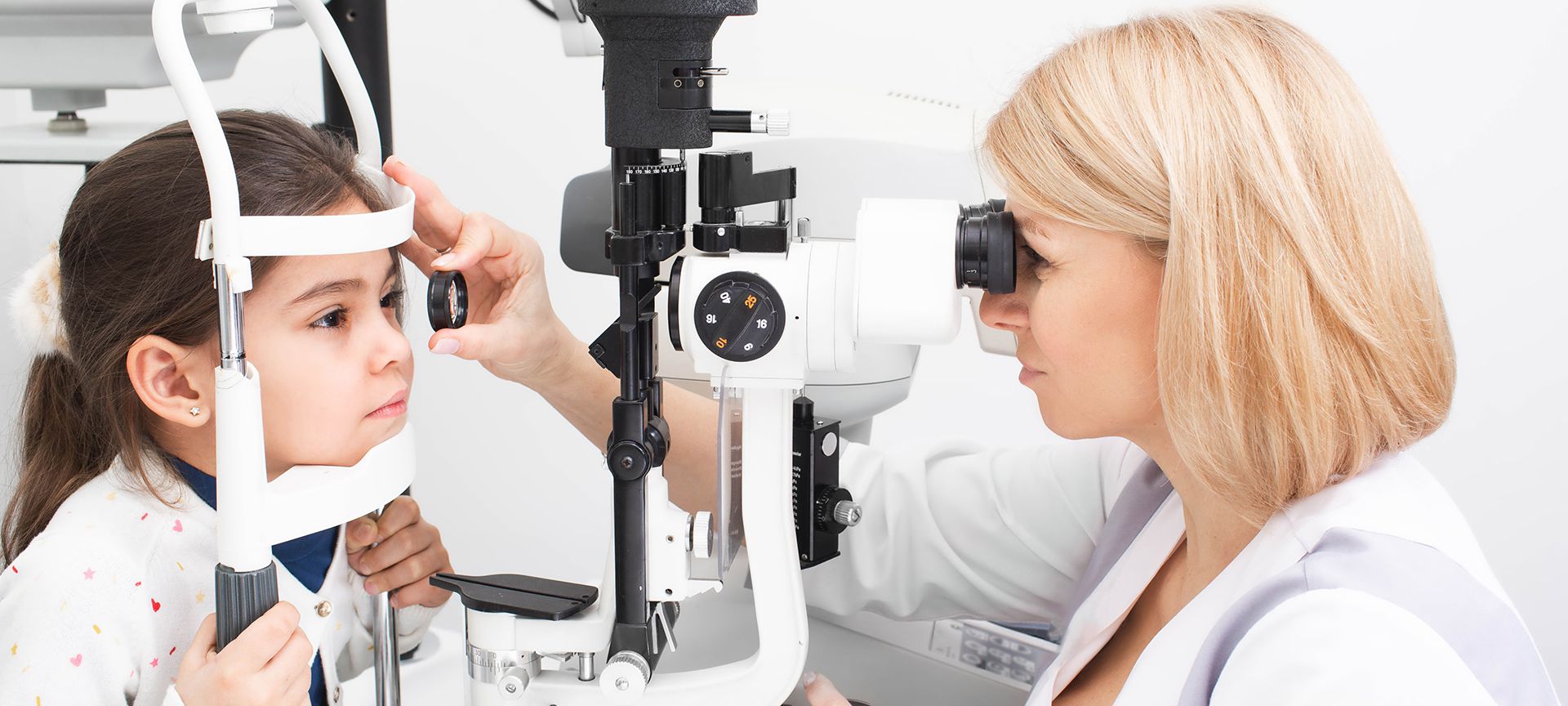
Our optometry centre here at Lockwood Clinic is a place to check a wide range of eye concerns every day. Some are simple to treat. Others need close monitoring. What they all have in common is this: early detection makes a big difference.

Here are the five most common eye conditions we diagnose, what causes them, and how you can protect your vision for the long haul.

Related Article: The Role of Optometry in Maintaining Healthy Vision: Eye Exams and Vision Care

1. Refractive Errors (Nearsightedness, Farsightedness, Astigmatism)

Refractive errors are the most common reason people need glasses or contact lenses. They happen when the shape of your eye prevents light from focusing directly on the retina.

  • Nearsightedness (myopia): You see well up close, but distance is blurry.
  • Farsightedness (hyperopia): Distant vision is clear, but reading or close-up tasks are harder.
  • Astigmatism: The cornea is shaped more like a football than a sphere, causing blurry or distorted vision at all distances.

Common signs:

  • Blurred vision
  • Headaches or eye strain
  • Difficulty focusing at certain distances
  • Squinting

How it’s treated:

  • Prescription glasses or contact lenses
  • In some cases, laser eye surgery may be an option

At Lockwood Clinic, routine eye exams can detect refractive errors early, even before noticeable symptoms appear, especially important for children and adults who use screens often.

eyes refractive errors

2. Dry Eye Syndrome

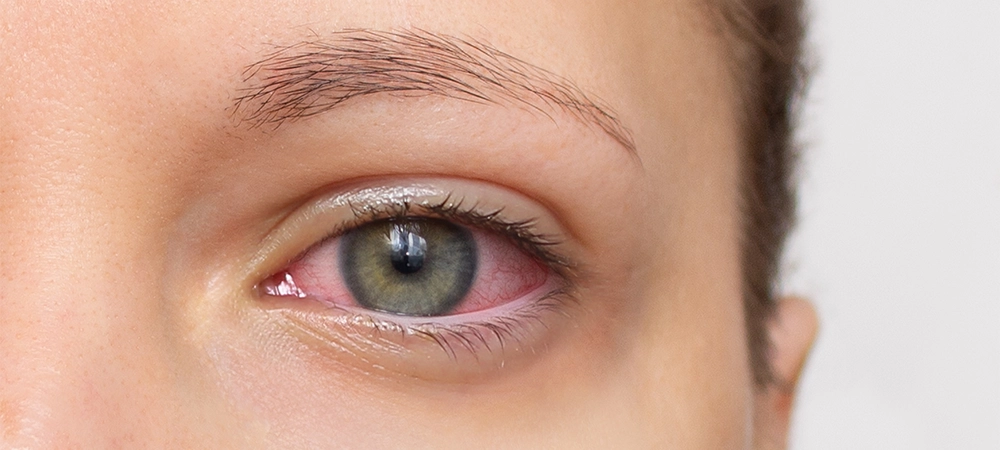
Dry eye occurs when your eyes don’t produce enough tears, or the tears evaporate too quickly. It’s becoming increasingly common, especially in people who spend long hours looking at screens.

Common signs:

  • Burning or stinging sensation
  • Redness or irritation
  • Feeling like something is in your eye
  • Blurry vision that improves with blinking
  • Excessive tearing (as a response to dryness)

What causes it:

  • Aging
  • Screen time and reduced blinking
  • Contact lens use
  • Certain medications
  • Environmental factors like wind or air conditioning

How it’s treated:

  • Artificial tears or prescription eye drops
  • Lifestyle adjustments (blinking more often, using a humidifier)
  • Omega-3 supplements (under a provider’s guidance)
  • In some cases, in-office treatments may be recommended

Dry eye isn’t just uncomfortable; it can affect your quality of life. A simple optometry visit can pinpoint the cause and offer effective relief.
eyes dry eye syndrome

3. Cataracts

Cataracts are a clouding of the eye’s natural lens, most often caused by aging. They develop slowly and can start as early as your 40s, though many people don’t notice symptoms until later in life.

Common signs:

  • Blurry or cloudy vision
  • Difficulty seeing at night
  • Glare or halos around lights
  • Faded or yellowed colours
  • Frequent prescription changes

Risk factors:

  • Age
  • Smoking
  • Diabetes
  • Prolonged UV exposure
  • Long-term use of certain medications (like steroids)

How it’s treated:

  • Early-stage cataracts may just require updated glasses
  • Advanced cataracts are treated with surgery, which is safe and highly effective

At Lockwood Clinic, cataracts are routinely monitored during annual eye exams. If surgery is needed, we’ll guide you through the referral process and aftercare support.
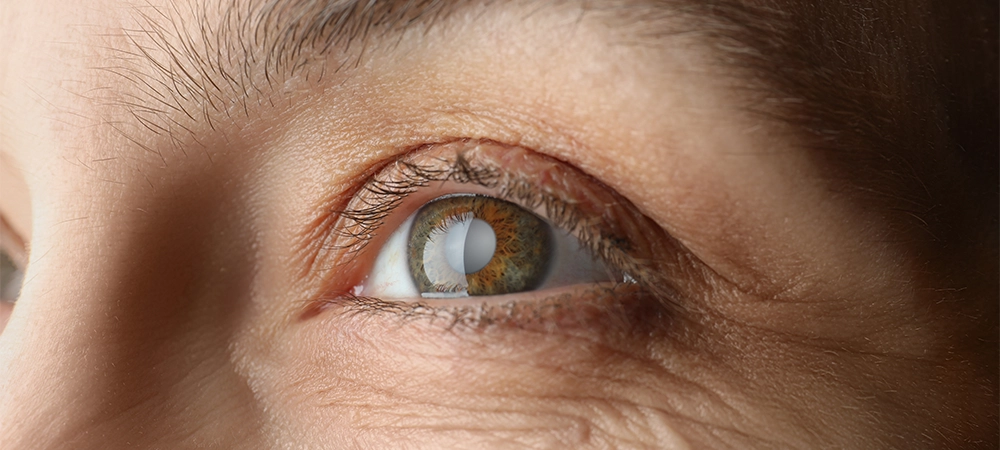
eyes cataracts

4. Glaucoma

Glaucoma is a group of eye conditions that damage the optic nerve, often due to increased pressure inside the eye. It’s a leading cause of permanent vision loss, but it develops slowly and often without early symptoms.

That’s why it’s sometimes called the silent thief of sight.

Common signs (in later stages):

  • Peripheral vision loss
  • Blurred vision
  • Eye pain (in rare acute cases)
  • Halos around lights

Risk factors:

  • Age 60+
  • Family history of glaucoma
  • High eye pressure
  • Diabetes
  • African, Asian, or Hispanic descent

How it’s detected and treated:

  • Routine eye pressure checks
  • Visual field tests
  • Optical coherence tomography (OCT)

Treatment includes:

  • Prescription eye drops
  • Oral medications
  • Laser procedures or surgery (for advanced cases)

Glaucoma damage can’t be reversed, but with early detection, it can be managed to prevent further vision loss. That’s why annual eye exams matter, especially if you’re over 40 or have risk factors.

Related Article: The Benefits of Early Vision Screening for Children: Ensuring a Bright Future with Clear Vision
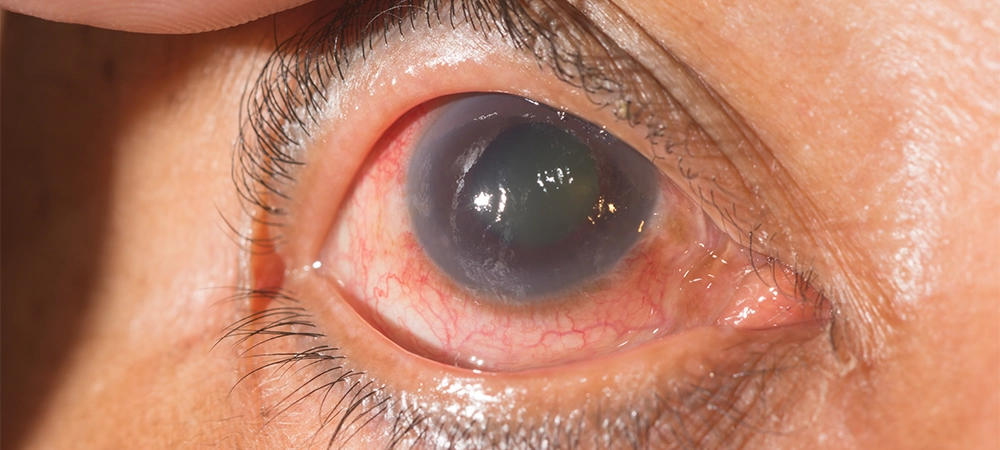
eyes glaucoma

5. Age-Related Macular Degeneration (AMD)

AMD affects the macula, the central part of your retina responsible for sharp, detailed vision. It’s the leading cause of vision loss in people over 60 in Canada.

There are two types:

  • Dry AMD: More common and progresses slowly
  • Wet AMD: Less common but more severe and fast-moving

Common signs:

  • Blurred central vision
  • Straight lines appear wavy
  • Trouble reading or recognizing faces
  • Dark or empty spots in your central field of vision

Risk factors:

  • Age
  • Smoking
  • Genetics
  • High blood pressure or cholesterol
  • Light eye colour

How it’s treated:

  • No cure, but early detection can slow progression
  • Nutritional supplements (AREDS2 formula)
  • Lifestyle changes (stop smoking, eat leafy greens)
  • Injections or laser therapy (for wet AMD)

At Lockwood Clinic, we use advanced imaging tools to detect even early signs of macular degeneration and help patients protect their remaining vision.

Related Article: Finding a Walk-In Clinic in Toronto: A Guide to Convenient and Affordable Healthcare
eyes age-related macular degeneration

When Should You Get an Eye Exam?

Many people wait until they notice a problem, but routine eye exams are the key to catching issues early, when treatment is most effective.

General recommendations:

  • Every 1–2 years for healthy adults under 65
  • Annually for adults over 65
  • Annually or as recommended if you have diabetes, high blood pressure, or a family history of eye disease
  • Annually for kids to support learning and development

At Lockwood Clinic, you can walk in or book an appointment for a comprehensive eye exam. Our optometrists work closely with other departments in the clinic to provide coordinated care when needed.

Don’t Wait for Symptoms

Most serious eye conditions develop slowly and painlessly. By the time symptoms appear, damage may already be done.

The best thing you can do for your eyes is simple: get them checked regularly. Whether you wear glasses, have no current concerns, or are managing a chronic condition, we’re here to help.

At Lockwood Clinic, we make eye care accessible, thorough, and personalized. With in-house optometry, diagnostics, and extended hours, we’re ready to support your vision today and long term. Book your visit today and take the first step toward clearer, healthier sight.

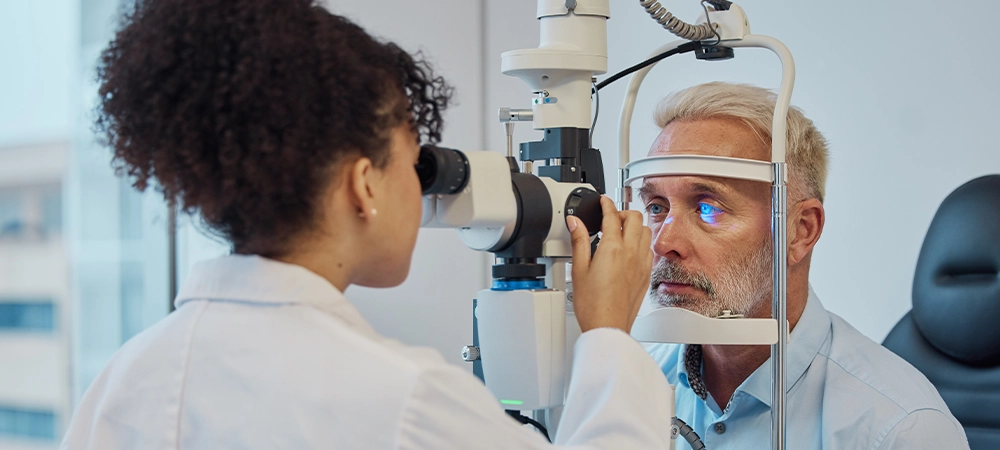
How Often Should You Get an Eye Exam?

woman doing eye test with optometrist in medical clinic

Eye exams are often overlooked until something goes wrong. But regular checkups aren’t just for people with blurry vision. They’re a critical part of preventive healthcare, helping catch problems early before they become serious.
At Lockwood Clinic in downtown Toronto, we see patients in our optometric centre every day who are surprised to learn how much a simple eye exam can reveal. From dry eyes to diabetes-related changes, your eyes can say a lot about your health.

Why Eye Exams Are Important

An eye exam goes far beyond just checking whether you need glasses. It’s a full assessment of your overall eye health. And in many cases, a window into your broader medical condition.
During a comprehensive exam, your optometrist checks for refractive errors, including nearsightedness, farsightedness, and astigmatism. These are common vision issues that can usually be corrected with glasses or contact lenses, but without regular testing, they can lead to eye strain, headaches, and difficulty with daily activities like reading or driving.
Your eyes are also examined for early signs of serious diseases such as glaucoma, cataracts, and macular degeneration. These conditions often progress slowly and without pain, so you may not realize there’s a problem until your vision is already affected.
Importantly, eye exams can reveal systemic health issues too. Conditions like diabetes, high blood pressure, and even certain types of cancer can be detected through changes in the retina or blood vessels at the back of the eye. For some patients, an eye exam is the first indication that something bigger is happening in their body.
Your optometrist will also evaluate how your eyes move and work together, identifying problems with eye alignment or muscle function that can lead to double vision, discomfort, or reading difficulties.
And if you already wear glasses or contacts, regular exams ensure your prescription stays up to date, so you’re always seeing clearly and comfortably.
Skipping regular eye exams can mean missing the early warning signs of conditions that are much easier to manage when caught early.
Related Article: The Benefits of Early Vision Screening for Children: Ensuring a Bright Future with Clear Vision

Eye Exam Frequency by Age Group

Children (Up to Age 19)

  • When: Once every year
  • Why: Children’s vision changes rapidly. Eye exams help detect issues that could affect learning and development. Some problems, like lazy eye or crossed eyes, are easier to treat when caught early.

Adults (Ages 20–39)

  • When: Every 2 to 3 years, unless you have symptoms or wear glasses or contacts
  • Why: Vision tends to be stable in this age group, but it’s still important to monitor eye health and update prescriptions if needed.

Adults (Ages 40–64)

  • When: Every 2 years, or as recommended by your eye care provider
  • Why: This is when early signs of age-related eye diseases can appear, like presbyopia (trouble seeing close up), dry eyes, and early-stage glaucoma. Regular exams help manage these changes.

Seniors (Age 65 and Over)

  • When: Once every year
  • Why: Age-related conditions such as cataracts, macular degeneration, and glaucoma become more common. Annual checkups help maintain your vision and independence.

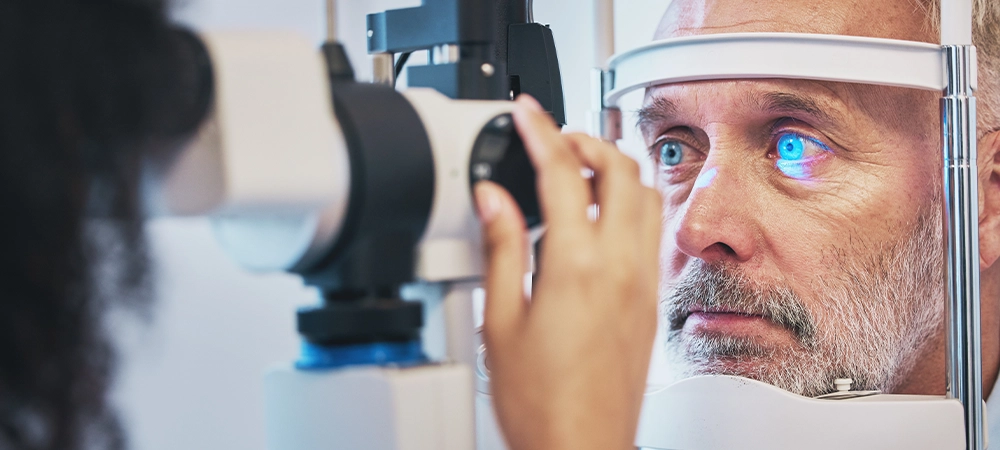
vision, eye exam and healthcare with a doctor woman or optometrist testing the eyes of a man patient in a clinic

High-Risk Groups May Need More Frequent Exams

While standard eye exam guidelines work for many people, certain individuals face increased risks and may need to be checked more often. If you fall into a higher-risk category, your optometrist might recommend annual or even semi-annual visits to stay ahead of potential issues.

  1. You’re considered higher-risk if you wear contact lenses, especially on a daily basis. Contacts can increase your risk for dry eyes, infections, or corneal damage; problems that might go unnoticed without regular checkups.
  2. People with diabetes should also have yearly eye exams without exception. Diabetes can lead to diabetic retinopathy, a serious condition where blood vessels in the retina become damaged. This can lead to vision loss if not caught early.
  3. If you have a family history of glaucoma, macular degeneration, or other hereditary eye diseases, your chances of developing these conditions are higher. Early screenings can help track any changes over time and allow for timely treatment if needed.
  4. Certain medications can also affect eye health. Drugs used for autoimmune diseases, psychiatric conditions, or high cholesterol, among others, can sometimes cause dry eye, light sensitivity, or optic nerve issues. If you’re taking medication with known visual side effects, regular exams are key.
  5. Previous eye surgeries or injuries can change the way your eye functions long-term. Even if your vision seems stable, follow-up care is crucial to monitor for post-surgical complications or progressive damage from an older injury.
  6. People with high blood pressure or other vascular conditions are at risk for retinal changes due to poor blood flow. These changes often show up in the eye before other symptoms arise.

If you belong to one or more of these groups, don’t wait for a problem to schedule an appointment. Regular checkups help your optometrist track changes early and take action before your vision is impacted.
Related Article: The Role of Optometry in Maintaining Healthy Vision: Eye Exams and Vision Care

What to Expect During an Eye Exam

A comprehensive eye exam typically includes:

  • Visual acuity testing (reading charts)
  • Refraction (to determine your prescription)
  • Eye muscle and movement tests
  • Pressure measurement (for glaucoma screening)
  • Dilated eye exam (to check the retina and optic nerve)
  • Slit-lamp examination (to look at the structures at the front of your eye)

The process usually takes about 30 to 60 minutes, depending on your needs.
At Lockwood Clinic, our optometrists use up-to-date technology and techniques to ensure a comfortable, thorough exam. If needed, we can also refer you to specialists or coordinate with your family doctor right in the same facility.

Signs You Should Book an Eye Exam Sooner

Even if you’re not due for a routine checkup, certain symptoms mean it’s time to see an optometrist:

  • Blurry vision or trouble focusing
  • Frequent headaches
  • Eye strain or fatigue
  • Light sensitivity
  • Floaters or flashes of light
  • Trouble seeing at night
  • Sudden vision changes

Don’t wait for these issues to go away on their own. Early attention often leads to easier treatment and better outcomes.

man feel blurry vision and frequent headache

OHIP Coverage for Eye Exams

In Ontario, OHIP covers annual eye exams for:

  • Children under 20
  • Adults 65 and older
  • Adults with specific medical conditions (e.g., diabetes, glaucoma, retinal disease)

If you’re between 20 and 64 and not part of a high-risk group, your eye exams may not be covered by OHIP, but many private insurance plans will reimburse the cost.
Our team at Lockwood Clinic can help you understand your coverage and provide receipts for any claims if needed.
Related Article: Finding a Walk-In Clinic in Toronto: A Guide to Convenient and Affordable Healthcare

Book Your Eye Exam Today

Your eyes do a lot for you. Take care of them with regular checkups, even if you don’t wear glasses or feel anything wrong. Prevention is powerful, and one simple eye exam could catch something early that changes everything.

At Lockwood Clinic, we make it easy to get quality care. Drop in or call ahead to book your next eye exam with one of our experienced optometrists. Your vision and your health are worth it.

5 Benefits of Physiotherapy for Chronic Pain Management

physiotherapy for chronic pain management

Chronic pain doesn’t just affect your body, it impacts how you sleep, work, move, and live. For many people dealing with persistent pain from conditions like arthritis, fibromyalgia, injury recovery, or repetitive strain, the search for relief can feel endless.

One treatment that consistently delivers real results is physiotherapy. More than just exercises and stretches, physiotherapy offers a targeted, evidence-based approach to managing and reducing chronic pain over time.

At Bay College Medical & Lockwood Diagnostic Clinic in downtown Toronto, physiotherapy is one of the many integrated healthcare services available to patients, all under one roof. If you’ve been living with long-term pain, here are five key benefits of physiotherapy that could help you feel and function better.

Related Article: Lockwood Clinic Explores the Advantages of Physiotherapy as Rehabilitation and Pain Management Techniques

1. Improves Physical Function Without Relying on Medication

Chronic pain often leads to limited mobility and stiffness, which in turn can make the pain worse. Physiotherapy helps break that cycle.

Through guided movement, joint mobilization, and soft tissue techniques, physiotherapists work to restore range of motion and build strength. These techniques aren’t just about easing pain in the short term; they’re about helping your body move better so the pain doesn’t keep coming back.

Unlike medication, physiotherapy doesn’t mask pain. It targets the root causes. For many patients, it becomes a long-term strategy that reduces the need for painkillers or anti-inflammatory drugs, which can have side effects over time.

2. Addresses the Source of the Pain, Not Just the Symptoms

A key advantage of physiotherapy is its focus on identifying and treating the underlying cause of pain. Chronic pain is rarely random. It’s often the result of muscle imbalances, joint issues, poor posture, scar tissue, or past injuries that never fully healed.

Physiotherapists take the time to assess how your body moves, where you’re compensating, and what areas are under stress. Once they understand the full picture, they design a treatment plan tailored to your specific condition.

At Lockwood Clinic, this means your physiotherapy is integrated with other diagnostic and medical services. If your pain is tied to something structural or inflammatory, physiotherapists can work closely with doctors and imaging specialists to ensure nothing is missed.

Related Article: Services You Can Expect at a Walk-In Clinic in Toronto

physio therapy for chronic pain management

3. Supports Long-Term Pain Management and Prevention

Managing chronic pain isn’t just about reacting when it flares up. It’s about preventing future flare-ups and learning how to take control of your own recovery.

One of the biggest strengths of physiotherapy is education. Physiotherapists don’t just treat but teach. You’ll learn proper movement patterns, ergonomic adjustments, and home exercises designed to support your daily life.

Over time, these tools help you avoid the habits or triggers that contribute to your pain. For example:

  • Learning to lift and carry without straining your back
  • Adjusting your workspace to avoid neck or shoulder pain
  • Strengthening stabilizing muscles to prevent reinjury

This kind of proactive care builds resilience and gives patients more confidence to move without fear.

4. Improves Mental Well-being by Reducing Stress and Fatigue

Chronic pain takes a toll on more than just your body. It can lead to anxiety, depression, fatigue, and sleep disruption. When pain becomes part of your daily life, it can feel like it’s taking over everything.

Physiotherapy offers more than physical relief. It contributes to emotional well-being. Regular sessions give patients an outlet, a plan, and progress they can see. The physical improvements often lead to better sleep, improved focus, and less emotional strain.

Even something as simple as being able to walk a little further or climb stairs without pain can have a huge mental impact. It’s not just about movement but about getting your independence back.

At Lockwood Clinic, your physiotherapy team understands the mental side of chronic pain. They work in collaboration with family doctors and mental health professionals when needed, so your treatment can support every part of your health and your pain.

5. Custom Treatment Plans That Evolve with You

No two people experience pain in the same way. That’s why physiotherapy is never one-size-fits-all.

Your treatment is shaped by your condition, your goals, and your response over time. As your body changes, your plan evolves. A good physiotherapist adapts your exercises, hands-on techniques, and therapy frequency based on what’s working.

This means your care stays relevant, efficient, and effective without wasting time on generic approaches. Whether you’re recovering from surgery, managing a chronic illness, or trying to avoid future injury, physiotherapy meets you where you are and moves with you.

At Lockwood Clinic, this personalized care is backed by the convenience of having multiple services in one place. If your condition needs imaging or further assessment, it can happen quickly right in the same building.

Related Article: Benefits of Toronto’s Walk-In Clinics: Fast, Flexible, and OHIP-Covered Care

custom treatment plans physiotherapy

Physiotherapy That Fits Into Your Life

When chronic pain is holding you back, even getting to an appointment can feel like a chore. That’s why accessibility matters. Lockwood Clinic’s central downtown Toronto location, walk-in flexibility, and integrated services make it easier to get the help you need without the long wait times or referral runaround.

You don’t need to live in constant discomfort. Physiotherapy isn’t a quick fix but a proven, practical way to manage pain, rebuild function, and take back control.

Whether you’re dealing with joint pain, back issues, muscle tension, or past injuries that never fully healed, the right treatment plan can change your everyday experience. You deserve care that sees the whole picture and builds a path forward you can walk with confidence.

Visit our downtown Toronto location or contact us today to start feeling better. No referral needed.

Who Can Visit a Walk-In Clinic in Toronto?

patients sitting in walk in clinic

Walk-in clinics are designed to offer fast, convenient care, and no appointment is necessary. In a busy city like Toronto, access to flexible medical services is not just helpful, it’s essential. But who exactly can visit a walk-in clinic? The short answer: almost anyone. The longer answer depends on your specific needs, eligibility, and what kind of healthcare you’re seeking.

Let’s break down who can use walk-in services, what you need to bring, and when it might be the right choice over visiting your family doctor or the ER.

Related Article: Benefits of Toronto’s Walk-In Clinics: Fast, Flexible, and OHIP-Covered Care

What Is a Walk-In Clinic?

A walk-in clinic is a healthcare facility that allows patients to see a medical professional without a scheduled appointment. These clinics typically handle non-life-threatening conditions that still require timely attention. Walk-in clinics serve as a bridge between family doctors and hospital emergency departments, offering accessible care to individuals who may not need emergency treatment but still require prompt attention.

Clinics in Toronto often offer extended hours, some even open on weekends and holidays, making them especially convenient for people with busy schedules or unexpected health issues. Many are equipped to handle everything from prescription renewals to diagnostic services like blood work and imaging.

Who Can Visit a Walk-In Clinic in Toronto?

One of the defining features of walk-in clinics is their accessibility. A wide range of individuals can seek care without prior registration or long-term medical records. Here are some of the most common visitors:

1. Ontario Residents with OHIP

If you have a valid Ontario Health Insurance Plan (OHIP) card, you can visit most walk-in clinics for covered services. This includes treatment for:

  • Minor illnesses and injuries
  • Prescription renewals
  • Infections and rashes
  • Flu symptoms
  • Minor musculoskeletal issues

2. Patients Without a Family Doctor

Toronto faces a shortage of family physicians, and many residents remain unattached to a primary care provider. Walk-in clinics are a vital resource for these individuals, offering care when needed without delay.

3. Students and Young Adults

Post-secondary students, whether local or international, frequently use walk-in clinics. Many campuses have student health centres, but walk-ins provide additional support, particularly after hours or during peak illness seasons like flu outbreaks.

4. Newcomers to Canada

Immigrants, refugees, and those awaiting permanent residency or provincial coverage can access walk-in clinics, though they may need to pay out of pocket. Some clinics offer fee transparency and multilingual staff to make visits easier.

5. Tourists and Visitors

If you’re in Toronto on vacation or a business trip and need medical attention, a walk-in clinic is usually the fastest, most affordable option. You may need to pay for services and then submit receipts to your travel insurance provider.

6. Working Professionals

Not everyone can take time off for a doctor’s visit. Walk-in clinics cater to working adults with extended hours and faster in-and-out service for issues like infections, prescription refills, or minor injuries.

Related Article: Services You Can Expect at a Walk-In Clinic in Toronto

doctor examine patient men in clinic

What Services Do Walk-In Clinics Provide?

The scope of services can vary by clinic, but generally includes:

  • Assessment and treatment of minor illnesses and injuries
  • Prescription refills and renewals
  • Vaccinations and flu shots
  • STI testing and pregnancy-related care
  • Blood tests and lab requisitions
  • Basic wound care and sutures
  • COVID-19

Some clinics are part of larger medical centres that also offer:

These integrated services allow for a more comprehensive care experience when multiple health concerns arise at once.

Related Article: Preparing for Your Ultrasound: What to Expect and How to Get the Most Accurate Results

When Should You Visit a Walk-In Clinic?

Walk-in clinics are best suited for health concerns that are urgent but not life-threatening. Common reasons for a visit include:

  • Colds, sore throat, or flu-like symptoms
  • Urinary tract infections
  • Minor cuts, sprains, or burns
  • Skin rashes or allergic reactions
  • Pink eye or ear infections
  • Mild asthma flare-ups

For emergencies such as chest pain, difficulty breathing, or serious head injuries, it is critical to go to the emergency department or call 911.

What Should You Bring to a Walk-In Clinic?

To help streamline your visit and ensure proper care, bring the following:

  • Government-issued ID and a valid health card (OHIP or equivalent)
  • List of current medications and dosages
  • Details of any allergies or past medical history
  • Insurance information (if applicable)
  • Payment method for any non-covered services

Being prepared helps the healthcare provider assess and treat you more efficiently.

Are Walk-In Clinics Covered by OHIP?

Yes, for Ontario residents with valid OHIP coverage, most walk-in clinic visits are free. That includes consultations, assessments, and medically necessary treatments. However, there are exceptions:

  • Sick notes for work or school
  • Cosmetic procedures
  • Travel vaccines
  • Certain forms of non-essential services

For patients without OHIP or those from out of province, clinics generally charge a flat consultation fee.

Do You Need an Appointment?

No appointment is required to visit a walk-in clinic. That’s what makes them especially helpful for unpredictable health needs. However, some clinics now offer online check-ins or virtual queues to reduce in-person wait times.

In busier areas of Toronto, it’s smart to check wait times online before heading in. Many clinics now post real-time updates on their websites or partner platforms.

doctor checking patient on online video call

What If You Need Ongoing Care?

Walk-in clinics are excellent for short-term treatment, but they aren’t designed for managing chronic conditions or long-term follow-ups. If you need ongoing care, the clinic can:

  • Refer you to a specialist
  • Help connect you with a family physician
  • Provide diagnostic requisitions

Some walk-in clinics are attached to family practices, which allows for more continuity of care and easier patient transitions.

Choosing the Right Walk-In Clinic in Toronto

With so many options across the city, finding the right walk-in clinic depends on your location, hours of operation, and the services offered. Look for clinics that:

  • Are close to your home, workplace, or transit line
  • Have positive patient reviews
  • Offer additional services like diagnostic imaging or pharmacy support

One example is Lockwood Clinic, which combines walk-in care with access to diagnostic tools and pharmacy services in one downtown Toronto location. While not every clinic offers this range, Lockwood demonstrates what a full-service walk-in model can look like.

Walk-In Clinics Serve a Wide Audience

From newcomers and students to working professionals and tourists, walk-in clinics serve a wide demographic with prompt, reliable care. They fill a critical gap in the healthcare system, helping those without a family doctor, needing quick care, or navigating the city’s complex schedules.

Whether you’re managing a minor illness or simply need quick access to care, Toronto’s walk-in clinics are here to help.

If you need timely, convenient healthcare, consider visiting a walk-in clinic near you today. Check our schedule for your convenience.

What to Bring to a Walk-In Clinic Visit?

patient visit in walk-in-clinic for checkup

Visiting a walk-in clinic like the Bay College Medical & Lockwood Diagnostic Clinic in downtown Toronto can save you time and help you get the care you need quickly. To make your visit as smooth and efficient as possible, it is important to come prepared. Having the right items on hand ensures your healthcare team can help you faster and more effectively.

Related Article: Services You Can Expect at a Walk-In Clinic in Toronto

Valid Identification

Before you see a doctor, the clinic will need to verify your identity.

Bring a government-issued photo ID, such as a driver’s licence, passport, or health card. If you have an Ontario Health Insurance Plan (OHIP) card or other provincial health coverage, make sure you have it with you. Without proper identification, you might face delays or additional costs.

Health Insurance Information

Proof of health coverage is essential to avoid unexpected fees.

Bring your health card and, if you have private insurance (through work or otherwise), bring those details too. Some services, like certain vaccinations or tests, might not be fully covered by provincial insurance and having your private coverage information handy can speed up processing.

List of Medications

Accurate information about your medications helps doctors treat you safely.

Bring a current list of all prescription medications you take, including dosage amounts and frequency. Also, list any over-the-counter medicines, vitamins, or supplements. If you do not have a list prepared, bring the actual bottles. This can prevent dangerous interactions and ensure proper treatment.

Medical History Information

Doctors can provide better care when they know your background.

Write down any relevant medical history, including past surgeries, chronic illnesses, allergies, and recent hospitalizations. If you have a complicated medical history, summarizing the most important facts on paper or your phone can save time and avoid confusion.

Reason for Your Visit

A clear explanation of your symptoms helps the clinic prioritize care.

Prepare a brief description of your main concern. Include when the symptoms started, how they have changed, and any home remedies you have tried. Be specific but concise. This helps the healthcare provider assess your situation quickly and accurately.

Contact Information

Accurate contact details are necessary for follow-up.

Make sure the clinic has your current address, phone number, and email. If follow-up tests or specialist referrals are needed, this information will allow the clinic to reach you without delay.

Related Article: Benefits of Toronto’s Walk-In Clinics: Fast, Flexible, and OHIP-Covered Care

call to patient from clinic

List of Questions or Concerns

A visit can feel rushed. Having a list can keep you focused.

Write down any questions you want to ask the doctor. It’s easy to forget something important when you’re feeling unwell or stressed. Having a list ensures you leave with the information you need.

Payment Method

Sometimes, you might need to pay for services not covered by insurance.

Bring a credit card, debit card, or cash just in case. Even with OHIP, not all services are fully covered. For example, some vaccinations, medical forms, or travel-related services might carry extra fees.

Comfort Items

Walk-in clinics can sometimes involve waiting.

Consider bringing a book, a magazine, headphones, or a fully charged phone. If you’re bringing a young child, bring snacks, toys, or activities to keep them comfortable and occupied during the wait.

Interpreter Services (If Needed)

Clear communication is critical for accurate treatment.

If you are not fluent in English, bring a trusted friend or family member to help interpret. Alternatively, call ahead to see if the clinic can arrange interpreter services for your visit.

Recent Test Results or Specialist Reports

Sharing existing medical documents helps the clinic provide better care.

If your walk-in visit relates to a previous condition, bring any recent blood work, imaging reports, or specialist letters. This saves time and avoids repeating tests unnecessarily.

Personal Health Devices

Sometimes, your own devices provide important data.

If you use devices like blood glucose monitors, blood pressure machines, or portable oxygen devices, bring them with you. Having recent readings can help the doctor understand your condition more quickly.

Emergency Contact Information

Healthcare providers need to know who to call if needed.

Write down the name and phone number of your emergency contact. This is especially important if you have a serious condition or if you come to the clinic alone.

Children or Dependent Adults

Visits for others require extra preparation.

If you are bringing a child or dependent adult, carry their identification, health card, list of medications, and relevant medical history. Also, bring any legal documents proving your authority to make medical decisions on their behalf if needed.

COVID-19 Precautions

Health and safety remain a priority.

Bring a mask in case the clinic requires it. Some walk-in clinics have protocols still in place for respiratory symptoms. It’s always a good idea to carry hand sanitizer and maintain good hygiene practices.

Related Article: Finding a Walk-In Clinic in Toronto: A Guide to Convenient and Affordable Healthcare

covid-19 precautions in clinic

How Lockwood Clinic Supports Your Walk-In Visit

The Bay College Medical & Lockwood Diagnostic Clinic makes walk-in visits as smooth as possible by offering multiple services under one roof. With an on-site pharmacy, diagnostic testing (like X-rays and ultrasounds), and a team of healthcare professionals ready to assist, you can expect timely, thorough care. By coming prepared, you help the clinic’s staff help you faster and more effectively.

Final Tips

Preparation helps reduce stress and speeds up your visit.

Double-check that you have:

  • Valid ID and health card
  • Insurance details
  • Medication list
  • Brief summary of symptoms
  • List of questions
  • Recent test results (if relevant)
  • Payment method
  • Personal comfort items
  • Emergency contact information

The better prepared you are, the better your walk-in experience will be. Lockwood Clinic’s team is committed to providing high-quality care, and your preparation supports that goal. Whether you are seeking treatment for a minor issue or something more complex, showing up ready ensures you get the help you need with minimal hassle.

Walk-in clinics are designed for convenience. Bringing the right items ensures you take full advantage of the accessible, expert care available at Lockwood Clinic.

Visit us today or book an appointment and experience fast, professional medical care when you need it most.

Benefits of Toronto’s Walk-In Clinics: Fast, Flexible, and OHIP-Covered Care

benefits of walk-in clinics

In a city as busy and diverse as Toronto, healthcare needs can arise when you least expect them, and not everyone has time to wait for a family doctor appointment or sit for hours in an emergency room. That’s where a walk-in clinic in Toronto comes in.

From handling minor illnesses to offering diagnostics and prescriptions, walk-in clinics are changing the way Toronto residents access care. At Lockwood Clinic, we believe that top-quality healthcare should be accessible, convenient, and stress-free—no matter your schedule.

Why More Torontonians Are Turning to Walk-In Clinics

Walk-in clinics were once considered a backup plan. Now? They’re often the first stop for non-urgent healthcare needs. With increasingly long waits to see a family physician in Ontario and overcrowded ERs, walk-in clinics are bridging a crucial gap in the healthcare system.

Walk-In Clinics Offer:

  • Same-day care without the need for appointments
  • Convenient downtown locations accessible by TTC or car
  • A wide range of OHIP-covered services
  • Shorter wait times compared to hospitals

According to the Canadian Institute for Health Information, ER visits for non-urgent issues have been increasing, leading to delays in care. Walk-in clinics help ease this burden and provide quicker access for patients.

Related Article: When to Go to the Emergency Room Vs Walk-in Clinic?

Key Benefits of Walk-In Clinics in Toronto

No Appointments Needed

One of the biggest advantages of a walk-in clinic is flexibility. Whether you woke up feeling under the weather or your child scraped a knee at the park, you can drop in and get help—no pre-booking or waiting days for an opening.

Convenient Urban Locations

Clinics like Lockwood are strategically located close to public transit and offer central Toronto access, making them ideal for students, commuters, seniors, and anyone who doesn’t want to trek to the suburbs for care.

OHIP-Covered Services

From consultations to diagnostics, many services at walk-in clinics are fully covered by OHIP, ensuring you get quality healthcare without surprise bills. While some services (like dental or optometry) may fall outside of OHIP, most basic care is covered.

Related Article: How much is a doctor visit without OHIP?

doctor checking patient in clinic

Services You Can Expect at Lockwood Clinic’s Walk-In Facility

Wondering what you can actually be treated for at a walk-in clinic in Toronto? Here’s a breakdown of core services available at Lockwood Clinic:

General Medical Consultations

From coughs, colds, and seasonal allergies to minor cuts, strains, and rashes, our physicians are ready to diagnose and treat a wide range of non-life-threatening concerns.

Prescription Refills & Renewals

Can’t get a hold of your regular doctor? Need to renew blood pressure or thyroid meds? Walk-in clinics like Lockwood offer quick prescription support for ongoing conditions.

On-Site Diagnostics and Lab Services

We’re more than just a walk-in—we offer X-rays and ultrasound, and lab testing all in one place.. That means faster answers and fewer stops on your path to recovery.

Women’s Health Services

From UTI treatment to pap smears, STI testing, and contraception consultations, our team provides discreet and supportive care without the long waits.

Immunizations and Vaccinations

Get OHIP-covered flu shots, COVID boosters, or travel vaccines all in one visit. We’ll even help you understand which vaccines you need for work or international travel.

Minor Injury Management

Cuts, burns, sprains, bug bites—we treat them all. If it’s not an emergency, but still uncomfortable or concerning, come see us.

Related Article: Finding a Walk-In Clinic in Toronto: A Guide to Convenient and Affordable Healthcare

Walk-In Clinics vs. ER vs. Family Doctor: What’s the Difference?

It’s not always clear where to go when you’re feeling unwell. Here’s a quick breakdown:

Condition Best Option
High fever, chest pain, or trauma Emergency Room
Chronic condition management Family Doctor
Sore throat, rash, minor injury Walk-In Clinic
Missed appointment, can’t wait Walk-In Clinic

Walk-in clinics are perfect for in-between situations—those that need medical attention, but don’t justify a trip to the ER or a 3-week wait to see your GP.

Who Benefits the Most from Walk-In Clinics?

Toronto’s walk-in clinics serve a broad audience, including:

  • Students who need quick care near campus
  • Professionals who can’t miss work for doctor appointments
  • Seniors in need of easy, nearby care
  • Parents with children who suddenly fall ill
  • Visitors and new residents who haven’t registered with a family physician yet

Whether it’s a quick checkup or something a little more complex, walk-in clinics are the go-to solution when time and accessibility matter.

patients in clinic and doctor checking child girl

Why Choose Lockwood Clinic?

Lockwood Clinic isn’t just any walk-in. We’ve served Toronto residents for decades, offering multi-disciplinary, integrated care that includes:

  • Family practice physicians
  • Specialists and imaging
  • On-site pharmacy
  • Echocardiograms & Cardiac Consultation

Our walk-in services are backed by a team of compassionate medical professionals, state-of-the-art facilities, and a patient-first approach to care.

Contact Lockwood Clinic

Whether you’re dealing with a cold, managing a chronic condition, or need a quick vaccine, our walk-in clinic in Toronto is your trusted care destination.

Contact us or drop by during clinic hours for same-day service. Your health is important. Let’s make it easy to care for it.

FAQs

  1. Do I need a health card to visit Lockwood Clinic’s walk-in?
    Yes, a valid OHIP card is required for covered services. We also offer private-pay options.
  2. Can I get lab work done at Lockwood Clinic?
    Absolutely. We have on-site diagnostics including blood work, X-rays, and ultrasounds.
  3. What are your walk-in hours?
    Walk-in clinic hours vary—check our website or call ahead for the most up-to-date info.
  4. Do you treat children at your walk-in clinic?
    Yes, we offer pediatric services for common concerns like fever, rashes, and injuries.
  5. What’s the average wait time?
    Wait times are usually shorter than ERs and vary depending on the day and time. Mornings are often faster.

Services You Can Expect at a Walk-In Clinic in Toronto

services in walk-in-clinic

Looking for quick, quality healthcare without the wait? A walk-in clinic in Toronto might be your best bet. Whether it’s a sore throat that just won’t quit, a minor injury, or the need for a prescription refill, walk-in clinics are the unsung heroes of day-to-day health concerns.

At Lockwood Clinic, we know life doesn’t stop when you’re not feeling your best. That’s why our walk-in services are designed to make getting medical attention fast, easy, and stress-free, without sacrificing personalized care.

What Is a Walk-In Clinic?

A walk-in clinic is exactly what it sounds like—a healthcare facility where you don’t need an appointment. You simply walk in, check in, and get seen by a qualified medical professional. These clinics are ideal for non-emergency situations that still require prompt attention.

How Do Walk-In Clinics Work?

Patients are seen on a first-come, first-served basis. Some clinics, including Lockwood, also offer online check-ins or virtual waitlists so you can save your spot before you arrive.

Who Benefits From Walk-In Services?

  • People without a family doctor
  • Individuals with minor illnesses or injuries
  • Those in need of quick prescription renewals
  • Busy professionals and families who need same-day service

Walk-in clinics fill the gap between family doctors and emergency rooms, offering convenience without compromise.

Core Services at a Walk-In Clinic in Toronto

Wondering what you can actually be treated for at a Toronto walk-in clinic? Here’s a snapshot of the key services we provide at Lockwood Clinic.

General Medical Consultations

From cold and flu symptoms to minor injuries like sprains and strains, we offer fast access to physiotherapy professionals who can assess and manage a wide variety of non-urgent health issues.

Prescription Renewals and Refills

Need your medication refilled, but can’t get into your family doctor? No problem. Walk-in clinics are ideal for straightforward prescription renewals for chronic conditions like asthma, high blood pressure, or thyroid disorders.

Lab Testing and Diagnostics

Many walk-in clinics offer on-site blood work and lab testing. Whether you need a urine sample analyzed or routine bloodwork done, we’ve got you covered.

Vaccinations and Immunizations

Walk-in clinics are a go-to spot for seasonal flu shots, travel vaccines, and COVID-19 tests and boosters. We provide OHIP-covered vaccines and private immunizations for those travelling or working in healthcare.

Women’s Health Services

Our physicians can assist with birth control, STI testing, pap smears, and urinary tract infection treatment—no appointment required.

Minor Injury Treatment

Think cuts, burns, rashes, and insect bites. If it’s not an emergency, but you don’t want to wait days for care, a walk-in clinic is the place to go.

Dental, Vision & Hearing Support

In-house dental care, optometry services for routine eye exams and vision prescriptions, and audiology for hearing assessments and hearing aid fittings—all in one place for your convenience.

Related Article: Can I Get a Prescription from a Walk-In Clinic?

minor injury treatment in clinic

When Should You Use a Walk-In Clinic?

Not sure if a walk-in is the right choice for your health concern? Here’s a quick breakdown to help you decide.

Ideal Times to Choose a Walk-In

  • Sore throat, fever, or flu symptoms
  • Minor injuries like sprains, cuts, or burns
  • Prescription refills or quick check-ups
  • Allergies or skin conditions
  • Non-urgent infections (UTIs, earaches, etc.)

When to See Your Family Doctor

If your issue is chronic, ongoing, or needs in-depth follow-up, it’s better to schedule with your family physician. Think: diabetes management, mental health treatment, or long-term medication adjustments.

When to Go to the ER

If you’re experiencing chest pain, severe shortness of breath, stroke symptoms, or serious trauma, skip the clinic and call 911 or head to the nearest emergency department immediately.

Related Article: When to Go to the Emergency Room Vsa Walk-in Clinic?

What Sets Lockwood Clinic Apart?

Not all clinics are created equal. Here’s why patients across Toronto trust Lockwood Clinic for walk-in care:

Trusted Reputation in Toronto Healthcare

As a multidisciplinary medical hub serving the city for decades, Lockwood Clinic offers continuity of care across specialists, labs, and diagnostic imaging—all under one roof.

Integrated Services

Need an X-ray, lab work, or follow-up with a specialist? You’re already in the right place. Our integrated model means less running around and faster results.

Central Location & Accessibility

Located in Midtown Toronto, we’re easily accessible by TTC, car, or foot. Open extended hours for your convenience.

What to Bring and Expect at Your Visit

Preparation can make your walk-in visit smoother and quicker. Here’s how to plan ahead.

Bring:

  • Your OHIP card
  • List of current medications
  • Any recent test results or medical notes (if applicable)

Expect:

  • A short wait, depending on volume
  • Professional assessment by a licensed physician
  • On-site lab services if necessary
  • Referral to specialists when required

And yes, most services at our walk-in clinic are covered by OHIP, though some specialty services may incur fees. We’ll always let you know upfront.

Related Article: How Much Does It Cost To Go To A Walk-In Clinic In Ontario?

on-site lab services

Contact Lockwood Clinic

At Lockwood Clinic, your health doesn’t have to wait. Our Toronto walk-in clinic provides quick, reliable medical care when you need it most—no appointment required. From minor illnesses to prescription refills and on-site testing, we’ve got your non-emergency needs covered with professionalism and compassion.

Visit or contact us today and get the care you deserve—fast.

FAQs

  1. Can I get a same-day appointment at Lockwood Clinic?
    Yes! Our walk-in clinic accepts patients without appointments—just check in during regular hours.
  2. Are your walk-in services covered by OHIP?
    Absolutely. Most services are covered if you have a valid OHIP card. We’ll inform you of any exceptions upfront.
  3. Do you offer virtual walk-in consultations?
    Currently, walk-in visits are in-person. However, our team can help you book a virtual appointment if needed.
  4. Can I get STI testing at Lockwood Clinic’s walk-in?
    Yes, we offer discreet and confidential STI testing and treatment—no referral required.
  5. How long is the typical wait time?
    It varies based on time of day and volume, but we aim to keep wait times as short as possible.

The Benefits of Early Vision Screening for Children: Ensuring a Bright Future with Clear Vision

vision screening for children

As parents, we cherish every milestone our children achieve in their early years, from their first steps to their words. However, some crucial aspects of their development, such as their visual health, might often go unnoticed.

Visual impairment in children can significantly impact their overall development, hindering their ability to learn and engage in everyday activities. Early vision screening is a powerful tool that can detect eye problems in children and pave the way for timely intervention and treatment.

This blog will delve into the numerous benefits of early vision screening for your children. We’ll also explore how it can improve a child’s visual development.

Why Your Children Need Vision Screening

Vision problems can significantly impact your child’s learning and quality of life. That’s why taking your child for regular vision screenings is essential. You can help your child thrive academically and socially by detecting and treating vision issues early.

Here are some benefits of early vision screening for your children.

Identifying Eye Problems Early

Early vision screening is pivotal in identifying potential eye issues during a child’s formative years. Many vision problems may not manifest obvious symptoms, making it challenging for parents and educators to recognize them without specialized screening.

By detecting visual impairments early, parents and healthcare professionals can take the necessary steps to address these issues promptly. Also, it can prevent these problems from worsening over time.

Preventing Learning and Behavioral Problems

Children with undiagnosed vision problems often face learning difficulties and behavioural challenges in their academic and social lives. Struggling to see the chalkboard, read books, or interact with their peers can lead to frustration and a lack of interest in learning.

Early vision screening can help address these challenges. It ensures that children receive the corrective measures they need to excel in their educational journey and build strong social connections.

Maximizing Visual Potential

A child’s visual system undergoes significant development during their early years. We can optimize their visual potential by detecting and addressing visual impairments early. Timely intervention, such as prescription glasses or vision therapy, can aid in proper visual development and prevent long-term vision issues.

Correcting Refractive Errors

Refractive errors, such as nearsightedness, farsightedness, and astigmatism, are common vision problems in children. These issues can be challenging to recognize, especially in young children who might not be able to articulate their visual difficulties.

Early vision screening can accurately identify refractive errors, allowing optometrists to prescribe corrective glasses or contact lenses as needed. Providing children with clear and comfortable vision ensures they can fully engage in academic and extracurricular activities.

correcting refractive errors

Addressing Amblyopia and Strabismus

Early vision screening can effectively detect conditions like amblyopia (lazy eye) and strabismus (crossed eyes). Treating these conditions at a young age is crucial when the brain is still highly adaptable.

If you don’t treat it early, amblyopia can lead to permanent vision impairment. Vision screenings can catch these conditions early, enabling timely treatment through techniques like patching or eye exercises. These eye exercises can help restore proper vision and prevent permanent visual loss.

Related Article: Your Eyes As A Window Into Your Whole-Body Health

Facilitating Early Intervention for Eye Diseases

Some eye diseases, such as congenital cataracts and glaucoma, can manifest in childhood. These conditions may lead to severe vision loss or other complications without early detection.

Regular vision screening allows eye care professionals to promptly spot signs of potential eye diseases. Early intervention and treatment can significantly improve the prognosis for these conditions, helping children maintain better visual function and quality of life.

Developing Strong Visual Skills

Visual skills are essential for daily activities, including reading, writing, and interacting with the environment. Early vision screening can help identify weaknesses in these skills, such as eye teaming, focusing, and tracking abilities.

When you detect them early, optometrists can prescribe vision therapy to strengthen these visual skills. Early vision screening for your children ensures they have a solid foundation for their academic and personal growth.

Reducing the Risk of Academic Struggles

Undiagnosed vision problems can lead to academic struggles and a lack of enthusiasm for learning. Children may not understand that their vision is compromised, so they might feel discouraged, assuming they can’t keep up with their peers.

By identifying and addressing vision issues through early screening, we empower children to perform academically and develop a positive attitude toward education.

Promoting Healthy Screen Use

In today’s digital age, children spend significant amounts of time on screens, from smartphones and tablets to computers and TVs. Prolonged screen use can strain the eyes and lead to digital eye strain or computer vision syndrome.

Early vision screening can help parents and caregivers better understand their child’s visual needs. It provides parents with recommendations for appropriate screen use and breaks to protect their eyes from unnecessary strain.

Supporting Overall Development

Clear vision is essential for a child’s overall development and growth. We enable children to explore and learn from their surroundings by ensuring that they can see the world.

Likewise, good vision is crucial for developing social skills, enabling children to observe and understand facial expressions. It also helps them to read body language and nonverbal cues during interactions with others.

Related Article: How Safe Is It To Rinse Your Eyes With Tap Water?

supporting overall development

Secure a Clear Vision for Your Child

Early vision screening is an invaluable investment in a child’s future. Some benefits of early vision screening for your children involve promptly identifying and addressing visual impairments. It also prevents potential learning and behavioural problems.

Knowing how early vision screening can improve your child’s vision enables you to take proactive steps toward safeguarding their visual health. Remember that a clear vision can enhance your child’s quality of life.

At Lockwood Clinic, we are committed to providing children with comprehensive and advanced vision screenings. Our experienced optometrists use state-of-the-art technology to detect any potential issues early on. Contact us at 416-921-2121 to schedule a visit.

Lockwood Clinic Explores the Advantages of Physiotherapy as Rehabilitation and Pain Management Techniques

physiotherapy as rehabilitation

As modern individuals lead increasingly sedentary lifestyles and face physical challenges, effective rehabilitation and pain management techniques have never been more vital.

Physical therapy (physiotherapy) offers a holistic approach to healing and recovery that provides transformative benefits. This blog post highlights Lockwood Clinic in downtown Toronto and our approach to physiotherapy.

Here, we’ll explore how our highly trained professionals use the latest physiotherapy techniques to deliver exceptional care and pain recovery.

Understanding Physiotherapy

Physiotherapy is a field of healthcare that seeks to maximize physical function and enhance the overall quality of life for its patients.

At Lockwood Clinic, expert physiotherapists apply their experience and knowledge to evaluate your condition and create customized treatment plans tailored specifically to your physical therapy needs.

By targeting pain or injury at its source, our approach to physiotherapy seeks to increase mobility, alleviate discomfort and promote overall wellness.

Related Article: Finding a Walk-In Clinic in Toronto: A Guide to Convenient and Affordable Healthcare

Rehabilitation Techniques at Lockwood Clinic

Lockwood Clinic’s primary objective in physical therapy is rehabilitation. For sports injuries, surgical procedures, chronic conditions or chronic issues, our physiotherapists use evidence-based techniques to assist recovery.

Our approach to physiotherapy includes physical strengthening, flexibility and balance exercises designed to restore functionality after injury or impairment. Our physiotherapists will gradually increase intensity and complexity as needed until you can confidently take part in daily activities.

Manual Therapy for Pain Reliever

Manual therapy, or “hands-on physiotherapy,” is another powerful approach used in physiotherapy to relieve pain. At Lockwood Clinic, skilled physiotherapists employ various manual therapy techniques such as joint mobilization, soft tissue massage and manipulation to

  • Relieve discomfort by decreasing pain
  • Increase joint mobility and tissue flexibility
  • Decrease joint mobility issues.

Manual therapy has proven particularly useful in managing arthritis pain, muscle strains and post-surgery rehabilitation. Its hands-on nature allows physiotherapists to assess and treat specific areas of discomfort while supporting natural healing processes within our bodies.

manual therapy for pain reliever

Electrical Modalities for Pain Management

Lockwood Clinic employs advanced electrical modalities, including transcutaneous electrical nerve stimulation (TENS), ultrasound and electrical muscle stimulation (EMS), to effectively manage pain.

These non-invasive techniques work by stimulating nerves and muscles to alleviate discomfort while decreasing inflammation levels — providing an alternative or complementary method of pain control without potential side effects from medications. Electrical modalities are especially helpful in relieving chronic discomfort related to nerve conditions or muscular imbalance.

Mobility Exercises

Mobility Exercises play a critical role in physical therapy, helping restore range of motion and functionality. Lockwood Clinic’s skilled physiotherapists guide their patients through targeted exercises designed to strengthen weak muscles, increase flexibility and enhance coordination.

Our mobility exercise programs are custom-tailored to your specific needs and limitations for safe rehabilitation processes. By including mobility exercises in treatment plans at Lockwood Clinic, our physiotherapists help you regain independence, enhance your quality of life and prevent future injuries.

Holistic Wellness Promotion

Lockwood Clinic’s physiotherapy goes beyond rehabilitation and pain management; it promotes holistic wellness. Our aim is not just to alleviate symptoms but also to address physical, emotional, and social aspects of your health.

Our physiotherapists take an integrated approach by educating patients about healthy lifestyle choices, ergonomics, posture correction and self-management strategies. This way, we ensure you actively participate in your healing and long-term well-being.

By including such holistic elements into their practice at Lockwood Clinic, our physiotherapists support patients in reaching optimal physical health — with long-term benefits!

Related Article: How Can a Student Get Health Insurance in Canada

holistic wellness promotion

Final Thoughts

Physiotherapy is invaluable in rehabilitation and pain management, providing a holistic approach to healing and recovery. At Lockwood Clinic in downtown Toronto, our skilled physiotherapists use various techniques and therapies — from exercises, manual therapy, and electrical modalities — to restore mobility, decrease pain levels, and promote overall wellness.

With this understanding of the transformative power of physical rehabilitation, you can also begin the journey toward optimal physical health and well-being by directly engaging with Lockwood Clinic physiotherapy services.

Experience these remarkable benefits yourself today and take that first step toward living pain-free, active life filled with activities and joy! Contact Lockwood Clinic at 416-929-1900 to set up your first appointment.

Dental Care Beyond Brushing: Exploring Preventive Dentistry and Dental Treatments

dental care beyond brushing

Maintaining optimal oral health involves more than brushing alone. Although brushing remains integral to oral hygiene, preventive dentistry and dental treatments are crucial to reaching and maintaining a perfect smile.

In this blog post, we’ll delve into the significance of preventive dentistry as a component of optimal dental health.

More importantly, we’ll explore dental treatments beyond regular brushing, such as check-ups, professional cleanings, fluoride treatments and dental sealants.

By understanding all these aspects and personalizing your approach to dental care, you can proactively safeguard your oral health and avoid common dental issues altogether!

Preventive Dentistry Is Essential: Why You Need it

Preventive dentistry is essential to creating and maintaining a healthy smile, emphasizing practices and treatments designed to avoid dental problems before they develop.

A cornerstone of preventive care is regular dental check-ups; these appointments allow your dentist to conduct a comprehensive exam of your teeth, gums and overall oral health.

Your dentist can check for early signs of tooth decay, gum disease or other oral issues. They can make treatment recommendations and potentially avoid more extensive procedures down the road.

Preventive dentistry includes professional dental cleanings as an essential element. Unfortunately, despite our best efforts at home, plaque and tartar build-up over time leads to cavities and gum disease. Professional cleaning ensures these deposits are removed for a deep clean that would be difficult to achieve alone.

Furthermore, these sessions allow your dentist to identify areas of concern so they can offer personalized advice or targeted treatments accordingly.

Related Article: The Importance of Regular Dental Checkups: Preventing Cavities and Other Oral Health Problems

Preventive Treatments to Include in Your Dental Care Routine

In addition to daily brushing and regular dental visits, your dental routine should incorporate any of the following:

Fluoride Treatments to Strengthen Teeth

Fluoride, a naturally occurring mineral, plays a key role in maintaining strong tooth enamel and protecting against decay. Fluoride treatments are beneficial for people of all ages.

A concentrated fluoride solution applied directly to your teeth during a fluoride treatment helps promote remineralization and resistance against cavities, helping strengthen their resistance.

These preventive measures are especially vital if you have experienced cavities or poor oral hygiene habits. Regular fluoride treatments can fortify your defences further and add an extra layer of protection.

fluoride treatments

Sealants Provide Extra Protection Against Cavities

Dental sealants are an incredible weapon against cavities in hard-to-reach places, such as your back teeth. These thin protective coatings are typically applied to chewing surfaces where deep grooves and pits trap food debris and bacteria.

Dental sealants create an impenetrable barrier against decay. This preventive treatment offers additional protection to maintain healthy smiles over time — particularly useful for children and teenagers who may find maintaining consistent oral hygiene difficult.

Early Diagnosis and Treatment Advantages

Early detection and treatment are invaluable for maintaining optimal dental health. Regular dental check-ups allow your dentist to detect potential issues at their earliest stages.

For instance, a small cavity detected early can often be treated using simple filling rather than more extensive and costly procedures like root canals.

By attending to dental issues immediately, you not only save yourself pain and discomfort but may even avoid more extensive treatments that might cost more in the future.

Early diagnosis of oral health issues can provide a window into your overall well-being. Dentists can often identify signs of systemic diseases, such as diabetes, osteoporosis and certain cancers, by inspecting your teeth and gums.

By early detecting such conditions, you can seek appropriate medical help, improve overall health outcomes and potentially avoid further complications.

Maintaining optimal oral health

As part of maintaining optimal oral health, consistent oral hygiene practices are indispensable.

  • Brush your teeth at least twice daily using fluoride toothpaste to cover all surfaces; brushing also removes bacteria and freshens your breath!
  • Daily flossing removes plaque, food debris and plaque-causing bacteria between your teeth and along your gum line.
  • Complement your regimen with an antibacterial or fluoride rinse for optimal oral hygiene results!
  • Maintaining a balanced diet restricting sugary or acidic food and beverages further supports oral health efforts.

Related Article: What is it Called when a Tooth Needs a Root Canal Treatment?

maintaining optimal oral health

Final Thoughts

Reaching optimal oral health takes more than simply brushing your teeth. By prioritizing preventive dentistry and personalized dental treatment; you can set yourself on the path toward lifelong healthy smiles.

Regular dental check-ups, professional cleanings, fluoride treatments and dental sealants offer invaluable protection and early intervention for your teeth and gums — especially when coupled with Lockwood Clinic’s cutting-edge preventive dentistry services and services in Toronto.

Take the first step to a lifetime of beautiful smiles. Call Lockwood Clinic now and embark on an extraordinary dental journey today!

COIN303

KOIN303

COIN303

COIN303

COIN303

COIN303

COIN303

judi bola online

coin303

coin303

coin303

coin303

coin303

coin303

coin303

Situs KOIN303

agen slot coin303

Koin303

Slot COIN303

situs slot

slot online

LINK KOIN303

Bandar Togel

coin303

coin303

agen casino online

judi bola online

slot resmi

coin303

coin303

coin303

coin303

PG Soft

situs casino

situs judi bola

judi bola

login coin303

coin303

coin303

situs slot mahjong

link koin303

kaitan dengan mahjong ways

fakta mahjong ways yang luar biasa

begini peran mahjong ways

koin303

jadi sorotan detail mahjong ways

coin303

coin303

coin303

mix parlay

https://www.bastiansecurity.co.id/monitoring/

Situs APK Slot

Tren Baru Hiburan Digital Game Online Mahjong Ways 2 yang Kian Populer

Dari Hobi Bermain Mahjong Ways Jadi Peluang Menguntungkan Menarik di Era Digital

Mengapa Game Viral Mahjong Ways 2 Semakin Diminati? Ini Faktor Pendorongnya

Evolusi Viralnya Mahjong Ways: Memberikan Inovasi Fitur dan Tantangan yang Makin Seru

Dampak Positif Perkembangan Game Viral Mahjong Ways terhadap Industri Hiburan Online

Strategi Developer dalam Mengembangkan Game Viral Mahjong Ways yang Digemari Pengguna

Game Viral Mahjong Ways 2026: Prediksi Tren dan Teknologi yang Akan Mendominasi

Dari Media Sosial ke Aplikasi, Begini Perjalanan Game Viral Mahjong Ways 2

Peran Komunitas Digital dalam Mendorong Popularitas Game Viral Mahjong Ways 2

Game Viral Mahjong Ways 2 dan Generasi Muda: Tren, Peluang, dan Tantangan Baru

agen bola

agen slot

coin303

coin303

coin303

COIN303

coin303

coin303

coin303