
How Much Does Tooth Extraction Cost in Toronto

Dentist has extracted a sick tooth from patient in dental office. Focus on stainless steel dental tongs or pliers and extracted lower tooth in it. Dentistry

When persistent tooth pain, infection, or crowding begins to interfere with daily comfort, a dental extraction may be the most effective option. In Toronto, treatment fees can differ based on several factors, including the complexity of the case, the number and type of teeth involved, and whether you have dental insurance.

Knowing what affects these costs allows you to make informed decisions about your oral health and budget.

At Lockwood Clinic in downtown Toronto, patients receive complete dental care supported by advanced technology and a compassionate team approach. From assessment and imaging to safe extraction and aftercare, every step is handled in one convenient location, ensuring your comfort and recovery are always the top priority.

Related Article: Dental Cleaning Cost in Downtown Toronto

Understanding Tooth Extraction

Tooth extraction is a common procedure where a dentist removes a damaged, decayed, or impacted tooth to protect surrounding teeth and gums. It can be simple (above the gum line) or surgical (requiring an incision or bone removal).

Common reasons for extraction include:

  • Severe decay or infection
  • Advanced gum disease
  • Orthodontic crowding
  • Fractured or broken teeth beyond repair
  • Wisdom teeth complications

At Lockwood Clinic, extractions are performed in a clean, comfortable setting with on-site diagnostic imaging for precise assessment.

Average Cost of Tooth Extraction in Toronto

The average cost of a tooth extraction in Toronto typically ranges between $150 and $450 per tooth. For more complex or surgical procedures, such as wisdom tooth removal, the price may increase to $250–$600 per tooth.

Here’s a quick breakdown:

  • Simple extraction: $150–$250
  • Surgical extraction (non-wisdom): $250–$450
  • Wisdom tooth extraction: $250–$600
  • Multiple extractions: Often discounted per tooth when done in a single visit

These costs include the dentist’s fee but may exclude diagnostic imaging or sedation. Lockwood Clinic’s dental services offer competitive rates and clear cost discussions before treatment, ensuring patients understand every step.

Related Article: How Often to Get a Dental Cleaning?

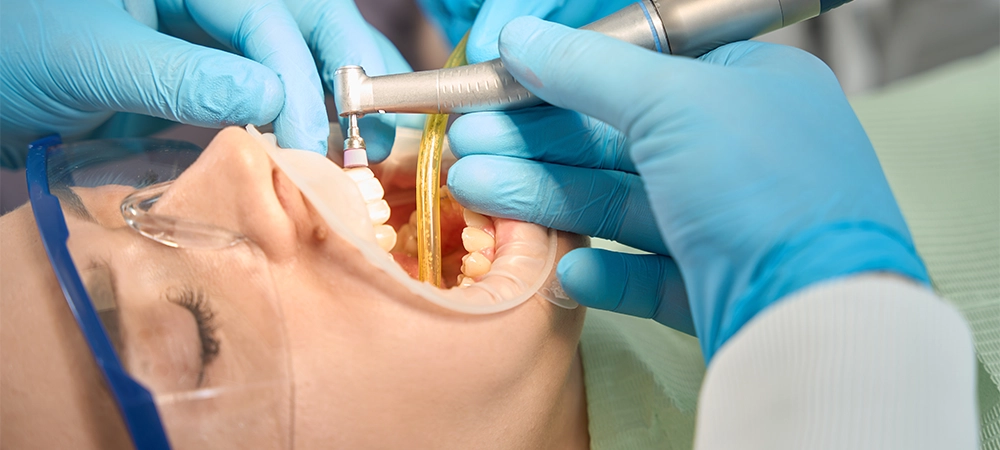
close-up of the poor girl's mouth in the bib of the patient in the dental clinic. A dentist in blue latex gloves removes her tooth with a buccal retractor and forceps.

Factors That Affect Tooth Extraction Cost

Several elements determine the total cost of a tooth extraction in Toronto. Understanding these helps you anticipate expenses and avoid unexpected charges.

Complexity of the Procedure

A simple extraction is generally less expensive because the tooth is visible and easy to remove. Surgical extractions, on the other hand, require additional time, skill, and sometimes incisions into the gum or bone to access the tooth. Impacted or broken teeth often fall into this category, which explains the higher price range.

Tooth Type and Location

Front teeth are usually easier and quicker to remove. Molars, especially wisdom teeth, have deeper roots and more limited access, making their extraction more complex. Upper teeth also tend to cost slightly less than lower ones due to bone density differences.

Diagnostic Imaging

Before extraction, your dentist may recommend X-rays or panoramic scans to evaluate root placement and surrounding bone. These images provide vital insight for a safe and precise procedure. Imaging usually adds $40–$100 to the total cost, depending on the technology used.

Sedation and Anesthesia

Local anesthesia is typically included in the base fee. However, if you choose oral sedation, nitrous oxide (laughing gas), or intravenous (IV) sedation for anxiety or complex surgery, expect a higher overall price. The sedation method depends on your comfort level and the dentist’s recommendation.

Aftercare and Medication

Post-extraction care may involve follow-up visits, pain medication, or antibiotics to support healing and prevent infection. While these add modest costs, Lockwood Clinic’s on-site pharmacy makes the process faster and more affordable. Patients can fill prescriptions immediately after their appointment, ensuring treatment continues smoothly without extra trips or delays.

Related Article: 5 Common Dental Issues and How to Prevent Them

Does OHIP Cover Tooth Extraction?

The Ontario Health Insurance Plan (OHIP) does not generally cover routine or elective dental procedures like extractions performed in private dental offices. However, coverage applies when extractions are required during hospital-based oral surgery or related to certain medical conditions.

Low-income residents may qualify for assistance through programs such as:

  • Ontario Works (OW) or Ontario Disability Support Program (ODSP)
  • Healthy Smiles Ontario (for children and youth under 18)

Our walk-in clinic can guide patients through available coverage programs and provide receipts for private insurance claims.

Private Dental Insurance and Out-of-Pocket Costs

If you have private dental insurance through work or a personal plan, your insurer may cover part or all of the cost for extractions, depending on your policy’s dental fee schedule.

Most plans cover:

  • A percentage of the dentist’s standard fee (often 70–90%)
  • Diagnostic X-rays
  • Anaesthetic costs

Patients without insurance can still access affordable care at Lockwood Clinic. Flexible payment options and transparent pricing help make treatment manageable.

What to Expect During the Procedure

At Lockwood Clinic, your comfort and safety come first. A typical extraction visit includes:

  1. Examination and X-rays: To confirm the tooth’s condition and surrounding bone health.
  2. Anesthesia: Local freezing ensures the procedure is pain-free.
  3. Extraction: The dentist gently loosens and removes the tooth. Surgical cases involve minor incisions if needed.
  4. Bleeding Control: Gauze is applied to help clot formation.
  5. Aftercare Instructions: You’ll receive detailed guidance on healing and pain control.

The procedure usually takes 20–40 minutes per tooth, and most patients can return home immediately after.

Elderly woman in blue polka-dot shirt listening to female doctor explaining dental X-ray, seated in dental office with equipment and tools. Concept of healthcare and pensioners, medicine.

Post-Extraction Care and Recovery

Healing after extraction depends on the type of procedure and your overall health. Most patients recover within 7 to 10 days.

Here are essential aftercare tips:

  • Bite gently on gauze for a few hours to stop bleeding.
  • Avoid smoking, spitting, or using straws for 24 hours.
  • Eat soft foods like soup, yogurt, and mashed potatoes.
  • Take prescribed pain relief as directed.
  • Keep the area clean with gentle saltwater rinses after 24 hours.

Lockwood Clinic provides follow-up care to monitor healing and address any concerns promptly.

Affordable Dental Care in Downtown Toronto

Lockwood Clinic is more than just a dental provider. It’s a comprehensive medical and diagnostic centre offering family practice, physiotherapy, audiology, and on-site pharmacy services. Patients benefit from integrated healthcare, meaning everything from consultation to imaging and prescription fulfillment happens under one roof.

The clinic’s downtown Toronto location ensures convenient access for residents, students, and professionals seeking efficient, same-day care.

Experience Trusted Dental Care at Lockwood Clinic

Whether you’re dealing with tooth pain, wisdom teeth, or a broken molar, early action prevents complications and extra costs. Lockwood Clinic’s dental team provides gentle, effective extractions and full aftercare support.

Restore your comfort and oral health today. Schedule your dental consultation with Lockwood Clinic.

Frequently Asked Questions

  1. How long does a tooth extraction take?

A simple extraction usually takes 20 to 30 minutes. Surgical or multiple extractions may take longer, depending on complexity.

  1. How painful is tooth extraction?

With local anesthesia, the procedure is painless. Mild discomfort afterward can be managed with over-the-counter or prescribed pain relief.

  1. Can I return to work after a tooth extraction?

For simple extractions, most patients return to normal activities the next day. Surgical cases may need 2–3 days of rest.

  1. Is wisdom tooth removal covered by insurance?

Most private dental insurance plans cover a portion of wisdom tooth extractions, especially if they’re medically necessary.

  1. How soon can I eat normally again?

Soft foods are recommended for 1–2 days. Gradually reintroduce solid food once the extraction site starts healing.

  1. Can infection occur after extraction?

It’s rare, but possible. Following aftercare instructions and keeping the area clean reduces risk.

  1. Are same-day appointments available at Lockwood Clinic?

Yes. Lockwood Clinic offers same-day or walk-in dental appointments for urgent extractions and consultations.


How to Know When a Family Doctor Is Accepting New Patients in Toronto

Senior doctor talking to little girl's family about the surgery

Finding a family doctor in Toronto can be challenging, especially as more residents seek consistent, long-term healthcare. Many people rely on walk-in clinics for routine care simply because they cannot find a primary physician who takes new patients.

Understanding how the system works and where to look can save you time and help you access the care you need faster.

Why It’s Hard to Find a Family Doctor in Toronto

Toronto’s growing population has increased demand for family physicians. Some doctors retire or move into specialized roles, while others limit their patient lists to maintain quality of care. This makes open spots rare, but not impossible to find.

Several factors contribute to limited availability:

  • High demand and population growth: More patients compete for fewer doctors.
  • Clinic size and patient capacity: Many physicians cap their patient numbers.
  • Retirements and relocations: When doctors leave, it takes time for new practitioners to fill the gap.
  • Health system strain: After the pandemic, more people sought regular care for delayed health concerns.

Related Article: Looking for a Family Doctor in Toronto? Here’s How to Find One and What You Need to Know

How to Check If a Family Doctor Is Accepting New Patients

There are several ways to confirm whether a family doctor in Toronto is taking new patients. The process involves checking both public directories and private clinics directly.

1. Use the Health Care Connect Program

The Health Care Connect program, run by the Ontario Ministry of Health, helps residents without a family doctor or nurse practitioner find one nearby. You can register online or by phone. After registering, a care connector will contact you when a suitable doctor becomes available in your area.

Tip: Be prepared with your Ontario Health Insurance Plan (OHIP) card and any recent medical history for a smoother match.

2. Check the College of Physicians and Surgeons of Ontario Directory

The College of Physicians and Surgeons of Ontario (CPSO) “Doctor Search” tool allows you to look up physicians by name, specialty, and location. Each listing shows whether a doctor is accepting new patients, their practice address, and the languages spoken.

This is one of the most accurate and up-to-date resources for finding available doctors in Toronto.

3. Contact Local Clinics Directly

Many clinics, such as Bay College Medical & Lockwood Diagnostic Clinic, regularly update their patient intake status. You can call the clinic reception or check their website to confirm availability.

Clinics that combine family practice and walk-in services often expand their patient base when new doctors join. Visiting in person can also help you learn about waitlist procedures and expected response times.

4. Use Online Listings and Community Boards

Websites like Ontario 211, RateMDs, or Medimap provide information on clinics that may be accepting patients. Local Facebook community groups or neighbourhood apps sometimes share openings from nearby clinics as well.

5. Ask for Referrals

If you recently moved or your previous doctor retired, ask other healthcare providers (e.g., pharmacists, physiotherapists, or walk-in physicians) if they can refer you to a family doctor within their network.

Related Article: Can Walk-In Clinics Help Me Find a Family Doctor in Downtown Toronto?

The hospital pre op room, nurses station and patient prep areas. Nurses hurry about, getting the patients ready for surgical procedures, to keep the doctors on their surgery schedule. A family member checks on the status of her relative.

What to Expect Once You Find an Available Doctor

When you find a doctor accepting new patients, the process usually includes:

  1. Initial Intake Appointment: You’ll complete health questionnaires and discuss your medical history.
  2. Verification of OHIP Coverage: The clinic confirms your health card and eligibility.
  3. Record Transfer: If you had a previous doctor, request that your medical records be sent over.
  4. Regular Scheduling: After the initial visit, you’ll be added to the clinic’s roster and can begin scheduling follow-up appointments.

A family doctor’s office provides continuity of care, meaning your health records, test results, and treatment history remain consistent.

Signs That a Clinic May Soon Accept New Patients

Even if a clinic currently has no openings, some indicators suggest they may reopen intake soon:

  • “Now hiring physicians” or “new doctor joining” notices on clinic websites.
  • Renovations or expansions that add more exam rooms.
  • Staff updates mentioning new services such as optometry or physiotherapy, which may indicate growth.
  • Walk-in doctors who hint that they’re transitioning to family practice roles.

It’s worth calling monthly to check if the patient list has reopened.

Why Choose a Clinic That Offers Both Walk-In and Family Practice

Walk-in clinics like Lockwood Clinic provide both family practice and walk-in medical services, giving patients flexibility. If you’re waiting to be accepted as a new patient, you can still receive care from the same facility through its walk-in service.

These hybrid clinics offer several advantages:

  • Faster access to care while waiting for permanent registration.
  • Centralized medical records for better continuity.
  • Additional services on-site, such as diagnostic imaging, dental care, optometry, and a pharmacy for instant prescription fills.
  • Collaborative care where family doctors, physiotherapists, and audiologists share insights for more complete treatment plans.

This model ensures you receive consistent attention even before officially joining a family doctor’s roster.

Common Mistakes People Make During the Search

  1. Waiting too long to register: Many assume they can wait until they’re sick to find a doctor, but spots fill quickly.
  2. Ignoring walk-in clinic options: Walk-in care keeps your health on track while searching for a GP.
  3. Not updating contact details: If you’re on the Health Care Connect list, you may miss notifications if your phone or email changes.
  4. Skipping the first appointment: Missing your initial intake can result in removal from the patient list.

Avoiding these mistakes increases your chances of securing long-term care sooner.

Related Article: What Documents Do I Need to Register with a New Family Doctor in Toronto?

Questions to Ask Before Registering with a Family Doctor

Before committing, ask these key questions:

  • What are your regular office hours?
  • Do you offer same-day appointments for urgent concerns?
  • Are lab tests or imaging done on-site?
  • Do you provide virtual consultations?
  • What’s the process for medication renewals or specialist referrals?

A short conversation helps you confirm that the clinic’s approach aligns with your expectations.

When You Should Visit a Walk-In Clinic Instead

While a family doctor manages your ongoing health, walk-in clinics are best for short-term issues such as:

  • Cold and flu symptoms
  • Minor infections or injuries
  • Prescription renewals
  • Routine vaccinations
  • Diagnostic tests like X-rays or ultrasounds

At Lockwood Clinic, these services are available without appointments, ensuring patients get fast, professional care when needed most.

Smart Steps to Take While You Wait

If you’re still on a waitlist, there are proactive steps you can take to stay covered:

  • Maintain copies of your medical history and prescriptions.
  • Keep your OHIP card valid and updated.
  • Continue using walk-in clinics for ongoing monitoring.
  • Ask to be placed on multiple clinic waitlists.
  • Track your calls and emails for follow-up reminders.

Patience pays off; most residents eventually secure a permanent doctor within a few months.

healthcare, medicine and people concept - male doctor with clipboard calling on desk phone at hospital

Finding the Right Care Starts with the Right Clinic

Whether you’re new to Toronto or switching providers, finding a family doctor requires persistence and informed choices. Lockwood Clinic offers reliable care through both family and walk-in services, making it ideal for patients waiting to be fully registered.

For comprehensive medical support—from preventive checkups to diagnostic imaging—reach out to Lockwood Clinic today to learn about current availability for new patients.

Frequently Asked Questions

How can I quickly find a family doctor accepting new patients in Toronto?

Start by checking the CPSO Doctor Search tool or registering with Health Care Connect. You can also contact clinics directly, such as Lockwood Clinic, to ask about current availability.

How long does it take to get matched through Health Care Connect?

Wait times vary depending on your area and the doctor’s availability. Some patients are matched within weeks, while others may wait several months. Staying responsive to calls and emails from your Care Connector helps speed up the process.

Can I visit a walk-in clinic while waiting to be accepted by a family doctor?

Yes. Walk-in clinics allow you to see a physician without an appointment. This ensures you receive timely care while waiting to register with a permanent doctor.

What should I bring to my first family doctor appointment?

Bring your OHIP card, a list of medications, any recent test results, and your previous doctor’s contact details for record transfers. Having this information ready helps your new doctor understand your medical background.

Are walk-in clinic visits covered by OHIP?

Yes. Most medically necessary visits are covered under the OHIP. However, some services like medical notes or certain physicals may involve small fees.

What if I move to another part of Toronto after registering with a doctor?

You can stay with your doctor if travel remains manageable. If not, you may need to re-register through Health Care Connect to find a new physician closer to your new address.

How do I know if Lockwood Clinic is accepting new patients right now?

Visit lockwoodclinic.com or call the clinic directly to confirm availability. Our clinic updates its intake status regularly and can add you to a waiting list if spaces are currently full.

Dental Cleaning Cost in Downtown Toronto

Overview of dental caries prevention, Girl at the dentist chair during a dental scaling procedure, Healthy Smile.

Dental cleaning is one of the most important steps in maintaining oral health. It prevents plaque build-up, reduces the risk of gum disease, and keeps your smile fresh. While most people in Toronto understand the value of regular cleaning, the question often asked is about cost.

Dental fees can vary widely depending on the clinic, the type of cleaning needed, and whether you have insurance. Knowing what to expect makes it easier to plan ahead and avoid unexpected bills.

The average dental cleaning cost reflects both the procedure itself and the professional expertise of the dentist or hygienist. Understanding how fees are structured helps you make informed decisions about your oral care while balancing your budget.

Related Article: How Often to Get a Dental Cleaning?

Why Regular Dental Cleaning Matters

Skipping dental cleaning to save money can lead to higher costs later. Dental cleaning, as part of our dental services in downtown Toronto, removes plaque and tartar that daily brushing and flossing cannot.

Left untreated, build-up can cause cavities, gingivitis, and even tooth loss. Professional cleaning also gives dentists the chance to spot issues early, such as enamel wear or gum inflammation, before they become serious.

Cleanings are also linked to overall health. Research shows that untreated gum disease may contribute to conditions like heart disease and diabetes. By investing in preventative care, you protect your teeth and your general well-being.

Average Cost of Dental Cleaning in Downtown Toronto

The average cost of a standard dental cleaning in Toronto ranges from $150 to $300. However, this number can increase if additional treatments are required. Here is a breakdown:

  • Basic cleaning and polishing: $150–$200
  • Scaling and root planing (deep cleaning): $250–$500 per session, depending on severity
  • X-rays: $40–$100, often added to the cleaning visit
  • Fluoride treatment: $30–$60
  • Desensitizing or anti-bacterial treatments: $25–$50

Most dental clinics follow the fee guide set by the Ontario Dental Association (ODA). While fees may differ slightly, the guide provides a standard range that ensures consistency across clinics in the province.

Related Article: 5 Common Dental Issues and How to Prevent Them

Factors That Influence the Cost

Several elements affect how much you will pay for a dental cleaning:

  1. Type of Cleaning
    • Routine cleaning includes scaling, polishing, and flossing, suitable for patients with healthy gums.
    • Deep cleaning addresses gum disease and involves cleaning below the gum line, which requires more time and specialized tools.
  2. Time and Complexity
    The more plaque and tartar you have, the longer the cleaning takes. Patients who go years without professional cleaning may need multiple sessions, increasing the total cost.
  3. Clinic Location
    Downtown Toronto dental clinics often charge slightly higher rates than suburban practices due to overhead and operating expenses.
  4. Insurance Coverage
    Dental insurance can cover part or all of the cleaning costs. Without insurance, patients must pay out of pocket, though many clinics provide payment plans.
  5. Extra Treatments
    Additional services, such as fluoride applications or diagnostic X-rays, add to the final bill.

Close-up of doctor hands in nitrile gloves polishing female patient anterior teeth with nylon bristle brush

Insurance Coverage and Out-of-Pocket Costs

In Ontario, provincial health insurance (OHIP) does not cover routine dental cleanings for adults. Children and youth under specific government programs may receive coverage, but most adults rely on private insurance or personal payment.

If you have employer-sponsored or individual dental insurance, it often includes one or two cleanings per year. Always review your plan to confirm coverage amounts and frequency. Without insurance, expect to pay the full amount upfront, but some clinics offer direct billing or split payments to make costs more manageable.

Dental Cleaning at Lockwood Clinic

Lockwood Clinic, located in downtown Toronto, provides dental services as part of its wide range of healthcare offerings. This one-stop model allows patients to access family doctors, optometry, physiotherapy, and dental care all in one place. The clinic’s approach offers several advantages:

  • Convenience: Appointments can be coordinated alongside other health needs.
  • Integrated care: Dental professionals can collaborate with physicians to ensure patient well-being is fully addressed.
  • Accessibility: The clinic’s Downtown location makes it easy to book cleanings without long waits.
  • Insurance-friendly: Most insurance plans are accepted, and patients can receive cost estimates before treatment.

For those balancing busy work schedules, having dental and medical services in one downtown location saves both time and stress.

Budgeting for Dental Cleaning in Toronto

Managing the cost of regular cleaning is easier with a few strategies:

  • Schedule consistently: Bi-annual cleanings reduce the risk of expensive treatments later.
  • Use insurance benefits: Make sure to use all covered cleanings within a calendar year.
  • Ask for an estimate: Before booking, request a full breakdown of potential costs.
  • Explore payment options: Some clinics offer flexible payment plans.
  • Invest in prevention: Regular brushing, flossing, and fluoride rinses at home lower the need for advanced cleanings.

What to Expect During a Dental Cleaning

A typical cleaning session includes several steps:

  1. Assessment: The hygienist examines your teeth and gums for signs of disease.
  2. Scaling: Plaque and tartar are removed using manual or ultrasonic tools.
  3. Polishing: Teeth are polished to smooth the surface and remove surface stains.
  4. Fluoride application: A protective fluoride gel may be applied to strengthen enamel.
  5. Consultation: Your dentist reviews findings and discusses any concerns.

Appointments typically last 45 minutes to one hour. For deep cleaning, sessions may take longer or require a follow-up appointment.

Related Article: Why Regular Dental Checkups Are Important for Overall Health

The procedure for installing dental implants is performed with maximum comfort for the patient. A dentist uses modern techniques to treat and restore dental health with a dental assistant.

Preventing High Dental Costs with Regular Care

The best way to keep cleaning costs reasonable is through prevention. Daily oral hygiene, combined with routine visits, lowers the likelihood of gum disease and other costly conditions.

Skipping cleanings may seem like a short-term saving, but the long-term consequences often involve root canals, crowns, or tooth replacements, which are far more expensive.

A Practical Look at Downtown Toronto Prices

Downtown patients often balance convenience with affordability. While suburban clinics may offer slightly lower rates, many Torontonians choose downtown providers because of shorter commutes and access to full-service facilities.

With clinics like Lockwood offering integrated care, the added convenience offsets the small difference in price.

Moving Forward with Confidence

Understanding the average costs, insurance options, and benefits of regular cleanings helps you make informed choices. Downtown Toronto offers a wide selection of dental clinics, but choosing a provider that combines quality care with transparency ensures you get the most value for your investment.

A Healthy Smile Is Worth the Cost

Dental cleaning is an investment in both oral health and overall wellness. The average price of $150–$300 may seem like an expense, but it prevents costly procedures in the future.

Clinics like ours provide not just cleaning, but the added benefit of integrated medical services in one downtown location.

Choose Lockwood Clinic for your next dental cleaning and benefit from professional care delivered in a convenient downtown Toronto location. Reach out to us today.

Closeup of man dental clinic patient white healthy smile, unrecognizable bearded man with napkin on his chest showing his beautiful smile, showing result of treatment at modern dentistry

Frequently Asked Questions

  1. How often should adults in Toronto book dental cleanings?

Most adults should book every six months, but those with gum disease or higher plaque build-up may need visits every three to four months.

  1. What is included in the cost of a standard cleaning?

A standard fee usually covers scaling, polishing, and a check-up. X-rays and fluoride treatments are extra.

  1. Is deep cleaning the same as regular cleaning?

No. Deep cleaning targets bacteria and tartar below the gum line and is recommended for patients with gum disease, making it more time-consuming and costly.

  1. How can I lower my dental cleaning costs if I don’t have insurance?

You can ask your clinic about payment plans, search for community dental programs, or book consistent cleanings to avoid extensive procedures later.

  1. Why do downtown Toronto clinics cost more than suburban ones?

Overhead expenses like rent and staffing in the downtown core can raise fees slightly, but patients gain convenience and access to a wide range of healthcare services.

  1. Can I combine dental cleaning with other health appointments?

Yes. Clinics like Lockwood allow patients to book dental visits alongside medical, optometry, or physiotherapy appointments, saving time and travel.

  1. What long-term benefits come from regular cleanings?

Regular cleanings prevent gum disease, reduce the risk of tooth decay, improve breath, and contribute to overall health by lowering inflammation in the body.

Looking for a Family Doctor in Toronto? Here’s How to Find One and What You Need to Know

Family Doctor in Toronto

When you’re feeling unwell or need medical advice, knowing who to call is crucial. If you don’t yet have a family doctor, also known as a general practitioner (GP), finding one in a busy city like Toronto can be challenging. A family doctor is a primary health care professional who provides comprehensive care, diagnoses and treats a wide range of illnesses, injuries, and chronic conditions for people of all ages. They are your first point of contact for most health concerns that are not immediately life-threatening.

In this detailed guide, we will walk you through how to find a family doctor in Toronto, what to consider when choosing one, the services they provide, and why having a family doctor is essential for your health and well-being.

Why Is Finding a Family Doctor in Toronto Important?

Having a family doctor in Toronto means you have a trusted health care professional who understands your medical history and can provide personalized care. They help manage your health proactively through regular check-ups, screenings, and treatment plans tailored to your needs. Family doctors also coordinate referrals to specialists, ensuring you receive comprehensive care when needed.

With over 2.3 million Ontarians currently without a family doctor and a shortage of physicians in some areas, especially in large cities like Toronto, it can take time and effort to find one who is accepting new patients. However, securing a family doctor is a vital step toward maintaining your health and accessing timely medical care.

Related Article: Can Walk-In Clinics Help Me Find a Family Doctor in Downtown  Toronto?

How to Find a Family Doctor in Toronto

Finding a family doctor who is accepting new patients involves several strategies. Here are the most effective methods:

1. Use Online Search Tools and Registries

Begin by searching online for family doctors in your area. The College of Physicians and Surgeons of Ontario (CPSO) offers a physician registry where you can filter by location and specialty. While the registry does not specify which doctors are accepting new patients, it provides contact information so you can call and inquire.

You can also use advanced search options on health care websites to find clinics and family health teams offering comprehensive primary care.

2. Register with Health Care Connect

Health Care Connect is a provincial program designed to help Ontarians without a family doctor find one in their community. By registering online or by phone (dial 811), you will be placed on a waitlist. A care connector will then work to match you with a family doctor or nurse practitioner accepting new patients.

Keep in mind that wait times can vary depending on your location and demand. While waiting, it’s beneficial to explore other options as well.

3. Ask for Recommendations

Reach out to friends, family, coworkers, or community groups for recommendations. Personal referrals can provide insights into the quality of care, bedside manner, and clinic environment.

4. Contact Local Hospitals and Community Health Centres

Hospitals often know which family doctors affiliated with their institution are accepting new patients. Community Health Centres (CHCs) provide primary health care and prevention programs and may accept new patients within their catchment area.

5. Explore Family Health Teams and Nurse Practitioner-Led Clinics

Family health teams bring together physicians, nurse practitioners, social workers, pharmacists, and other health care professionals to provide comprehensive care. Nurse practitioner-led clinics are another excellent resource for primary care services, often accepting new patients and providing care that includes diagnosis, treatment, and health advice.

6. Consider Medical Residency Clinics

Local universities with medical programs have residency clinics where family medicine residents provide care under supervision. These clinics can be an option for quality care while residents complete their training.

7. Use Online Reviews and Ratings

Online platforms provide patient reviews and ratings for doctors and clinics. While these can be helpful, read reviews carefully to understand the context, as some comments may reflect personal preferences rather than clinical quality.

Choose a Family Doctor

What to Consider When Choosing a Family Doctor

Choosing the right family doctor involves more than just availability. Here are some important factors to consider:

Location and Accessibility

Select a doctor whose clinic is conveniently located. Proximity is important, especially if you require frequent visits or have mobility challenges. Consider transportation options and parking availability.

Clinic Hours and Availability

Check the clinic’s hours of operation and their policy for urgent or after-hours care. Some clinics offer extended hours or weekend appointments, which can be helpful.

Services Offered

Look for clinics that provide additional services such as diagnostic testing, physical therapy, and specialist consultations. This can make managing your health more convenient.

Language and Cultural Competency

If you prefer to communicate in a language other than English, inquire whether the clinic has health care professionals who speak your language. Cultural competency can enhance your comfort and quality of care.

Team Approach and Support Services

Clinics with multidisciplinary teams, including nurse practitioners, social workers, and pharmacists, can provide holistic care and support for managing chronic conditions and mental health.

Online and Virtual Care Options

Many clinics now offer virtual appointments, prescription renewals, and online access to test results. This can improve access and convenience.

Related Article: How Long Does It Take to Get a First Appointment with a New Family Doctor in Toronto?

What Services Does a Family Doctor Provide?

Family doctors offer a broad range of healthcare services, including but not limited to:

  • Routine check-ups and physical exams
  • Preventive health screenings (e.g., blood pressure, cholesterol, cancer screenings)
  • Diagnosis and treatment of common illnesses and injuries such as colds, flu, infections, and minor sprains
  • Management of chronic conditions like diabetes, hypertension, asthma, and arthritis
  • Prescribing and renewing medications
  • Referrals to specialists for complex or specialized care
  • Prenatal, postnatal, and pediatric care
  • Immunizations and vaccinations
  • Health education and lifestyle advice
  • Mental health support and referrals

What Family Doctors Typically Do NOT Handle

While family doctors provide comprehensive care, they generally do not manage:

  • Severe or life-threatening emergencies (go to an emergency room or call 911)
  • Complex diagnoses requiring specialist evaluation (they will refer you)
  • Surgical procedures (performed by specialists)

For urgent health issues outside regular office hours, walk-in clinics and urgent care centers are alternatives.

Related Article: When Should I Visit a Walk-in Clinic Instead of the ER?

Why Having a Family Doctor in Toronto Matters

Publicly Funded Care

In Ontario, visits to family doctors are covered by the Ontario Health Insurance Plan (OHIP), meaning you do not pay out-of-pocket for medically necessary services.

Continuity and Quality of Care

An ongoing relationship with a family doctor ensures they understand your health history and preferences, leading to better, personalized care.

Coordinated Health Services

Family doctors coordinate your overall health care, including referrals, follow-ups, and preventive measures, helping you navigate the healthcare system efficiently.

Peace of Mind

Having a trusted doctor to turn to saves time and reduces stress when health concerns arise.

Lifelong Care

Family doctors provide care throughout all life stages, from childhood to older adulthood, including prenatal and geriatric care.

Happy kid and his parents sitting at doctor's office and communicating with senior pediatrician. Focus is on boy.

Additional Tips for Finding a Family Doctor in Toronto

  • Be persistent: Finding a doctor accepting new patients can take time, so keep trying multiple avenues.
  • Keep your information updated with Health Care Connect if registered.
  • Consider expanding your search to nearby neighbourhoods or suburbs if convenient.
  • Use community resources and local health networks for support.

Related Article: What Documents Do I Need to Register with a New Family Doctor in Toronto?

Bay College Lockwood Clinic: Your Partner in Health

At Bay College Lockwood Clinic, we understand the importance of having a reliable family doctor in Toronto. Our clinic offers comprehensive primary health care, including diagnostic services, chronic disease management, prenatal care, and more. Our multidisciplinary team includes physicians, nurse practitioners, social workers, and pharmacists dedicated to your well-being.

Contact us today at 416-847-1100 to learn how we can help you find a family doctor and access quality health services.

Frequently Asked Questions

How long does it typically take to find a family doctor in Toronto?
Wait times vary widely by area and demand. Registering with Health Care Connect and actively reaching out to clinics can improve your chances.

Can I receive care from a nurse practitioner if I don’t have a family doctor?
Yes, nurse practitioners provide many primary care services and are part of family health teams and nurse practitioner-led clinics.

What documents should I bring to my first appointment?
Bring your Ontario health card (OHIP), a list of current medications, your medical history, and any questions or concerns.

What if I need care outside of regular office hours?
For urgent but non-life-threatening issues, visit a walk-in clinic or urgent care center. For emergencies, go to the nearest emergency room.

Can my family doctor provide care for my children and elderly parents?
Yes, family doctors provide care for patients of all ages, including prenatal care, pediatrics, and geriatric services.

How Often to Get a Dental Cleaning?

Beautiful Young Black Woman Looking At Mirror In Dentists Office, African American Female Patient Enjoying Her Beautiful Smile As Result Of Teeth Treatment In Stomatologic Clinic, Selective Focus

Regular dental cleanings are essential for maintaining strong teeth, healthy gums, and overall oral health. Many patients wonder how often they should schedule a cleaning, especially when their teeth appear fine or they brush and floss daily. The truth is that preventive dental care is the most effective way to avoid painful and costly issues later on.

At Lockwood Clinic in Toronto, our dental team recommends personalized cleaning schedules based on each patient’s oral health, lifestyle, and medical history. While the standard guideline is twice per year, some patients may require more frequent visits.

Why Dental Cleanings Are Important

Dental cleanings do more than just polish your teeth. Even with proper brushing and flossing, plaque and tartar build up over time. Professional cleaning removes these deposits, preventing cavities and gum disease. Cleanings also allow dentists to detect early signs of oral health issues, which can be treated before they worsen.

Skipping appointments may seem harmless, but it increases the risk of tooth decay, gum inflammation, and even systemic health issues like heart disease, which has been linked to poor oral hygiene.

Related Article: Why Regular Dental Checkups Are Important for Overall Health

The Standard Recommendation: Every Six Months

Most dental professionals agree that visiting the dentist every six months is the gold standard for preventive care. This schedule allows for effective removal of plaque and tartar while ensuring any early signs of decay, gum disease, or other oral issues are caught before they progress.

For patients with healthy gums and teeth, twice-yearly cleanings are usually sufficient to maintain oral health. These visits also provide an opportunity to refresh oral hygiene techniques, update X-rays if needed, and discuss changes in diet or lifestyle that may affect dental health.

Certain groups benefit even more from the six-month rule. Individuals who smoke, enjoy sugary foods and drinks, or take medications that reduce saliva production are more prone to plaque build-up, which can lead to cavities and gum disease. For these patients, sticking to the six-month interval is not just a suggestion but a protective measure.

Related Article: 5 Common Dental Issues and How to Prevent Them

When You Might Need More Frequent Cleanings

Although twice a year works for many, others require cleanings every three to four months. These shorter intervals help prevent recurring issues and manage high-risk conditions. You may fall into this category if you:

  • Have a history of gum disease or frequent cavities that require close monitoring
  • Wear braces, dentures, or retainers that trap food particles and bacteria
  • Have chronic health conditions such as diabetes, which affects gum and bone health
  • Smoke or use tobacco products, which increase the risk of gum disease and staining
  • Experience rapid plaque or tartar build-up despite good brushing and flossing

More frequent appointments can stabilize gum health, prevent infections, and protect crowns, implants, or other restorative work. For patients with ongoing dental problems, this proactive approach saves time, money, and discomfort in the long run.

Factors That Influence Cleaning Frequency

Dentists assess each patient’s unique circumstances before setting a cleaning schedule. These are the most common factors considered:

  • Oral hygiene habits: Regular brushing and flossing are critical, but they cannot fully eliminate plaque. Professional tools are needed to remove hardened tartar.
  • Diet: High sugar and starch intake accelerates plaque growth. Acidic foods and drinks can also wear down enamel, making teeth more vulnerable.
  • Medical conditions: Pregnancy, diabetes, heart disease, and weakened immune systems all increase the need for closer dental supervision.
  • Genetics: Some individuals are naturally more prone to gum disease or tooth decay due to inherited traits.

Because each mouth is different, a personalized dental care plan is always better than relying solely on a standard schedule.

Dentist interacting with female patient at dental clinic

What to Expect During a Dental Cleaning

At Lockwood Clinic, dental cleanings are thorough yet comfortable. A typical visit includes:

  1. Examination: The dentist or hygienist checks for cavities, gum inflammation, and other oral health concerns.
  2. Scaling: Special instruments are used to remove plaque and tartar above and below the gum line.
  3. Polishing: Teeth are polished with a gentle abrasive paste to remove surface stains and smooth enamel.
  4. Fluoride treatment: A fluoride application may be recommended to strengthen enamel and reduce the risk of cavities.
  5. Discussion: Your dentist reviews oral hygiene habits and recommends when to schedule the next cleaning.

Many patients leave with a noticeably fresher mouth, improved gum comfort, and a brighter smile.

Signs It’s Time to Schedule a Cleaning

Even if your last visit was recent, certain warning signs mean you should see your dentist sooner:

  • Gums that bleed during brushing or flossing
  • Bad breath that does not improve with mouthwash or brushing
  • Visible tartar or staining, especially near the gum line
  • Tooth sensitivity when eating hot, cold, or sweet foods
  • Loose teeth or gums pulling away from teeth

These symptoms could indicate gum disease, infection, or tooth decay that requires immediate treatment. Early intervention often prevents more serious complications.

Related Article: Can Walk-In Clinics Help Me Find a Family Doctor in Downtown Toronto?

How Regular Cleanings Save You Money

Routine cleanings are an investment that pay off significantly over time. By removing plaque and tartar before they cause damage, you can avoid costly treatments such as fillings, crowns, or root canals. Patients who skip cleanings often face higher dental bills later, as untreated issues progress into more complex problems.

Preventive care also supports overall health. Oral bacteria can travel through the bloodstream, increasing the risk of systemic conditions like heart disease and respiratory infections. Keeping up with cleanings lowers these risks, giving you both a healthier smile and a healthier body.

When compared with the expense of restorative procedures, dental cleanings are one of the most cost-effective steps you can take for long-term health.

Making Dental Care Convenient

If you have not scheduled a regular check-up, you can still book a dental cleaning at a walk-in clinic like Lockwood Clinic, which offers accessible care without long waits.

Our dental team provides flexible scheduling, extended hours, and a wide range of services under one roof, including family practice, diagnostic imaging, and on-site pharmacy support. This means you can address multiple health needs in one visit.

Your Ideal Dental Cleaning Timeline

For most patients, professional dental cleanings every six months are ideal. However, your unique health, habits, and history may call for more frequent visits. By keeping up with preventive care, you protect your smile, avoid pain, and reduce long-term dental costs.

At Lockwood Clinic, we customize care for every patient, ensuring the right cleaning schedule for your needs. Book your next cleaning today and keep your oral health on track.

Dentists during a dental intervention with a patient. Dentist Concept

Frequently Asked Questions

  1. How long does a dental cleaning take?

Most cleanings take 30 to 60 minutes, depending on plaque build-up and whether X-rays are needed.

  1. Are dental cleanings painful?

Cleanings are generally painless. Patients with sensitive gums may feel mild discomfort, but scaling is done carefully to minimize irritation.

  1. Does insurance cover dental cleanings?

Many insurance plans cover cleanings every six months. Check your plan for coverage details.

  1. Can dental cleanings whiten my teeth?

Cleanings remove surface stains, making teeth look brighter, but they are not the same as professional whitening.

  1. Is it safe to get a cleaning while pregnant?

Yes, dental cleanings are safe during pregnancy and recommended to prevent gum issues linked to pregnancy hormones.

  1. Do children need dental cleanings as often as adults?

Yes, children benefit from cleanings every six months to prevent cavities and monitor tooth development.

  1. What happens if I skip a cleaning?

Skipping cleanings increases the risk of cavities, gum disease, and costly dental work.

  1. Can dental cleanings prevent bad breath?

Yes, removing tartar and bacteria helps eliminate persistent bad breath.

  1. Will my dentist always recommend fluoride?

Not always. Fluoride is suggested if you are prone to cavities or have weakened enamel.

  1. How do I know if I need more frequent cleanings?

Your dentist will assess your oral health and advise if you need visits more often than every six months.

When Should I Visit a Walk-in Clinic Instead of the ER?

Crowded hospital waiting area with people filling form for medical consultation, young man giving xray to nurse, making new appointment. Specialist doctor consulting senior man in examination room.

Choosing where to seek medical care can be confusing, especially in stressful moments. Many people wonder whether their condition requires an emergency room (ER) visit or if a walk-in clinic would be more appropriate. Understanding the differences helps you save time, avoid unnecessary stress, and get the right care when you need it most.

Walk-in clinics like the Bay College Medical & Lockwood Diagnostic Clinic in Toronto offer timely access for non-emergency needs. ERs, on the other hand, are designed to treat life-threatening conditions that demand immediate and advanced care.

Knowing the distinction between these options ensures you receive treatment that matches the urgency of your situation.

Related Article: Can Walk-In Clinics Help Me Find a Family Doctor in Downtown Toronto?

What Walk-in Clinics Can Treat

Walk-in clinics provide care for many common, non-life-threatening health issues. These clinics are especially useful when you cannot see your family doctor promptly. Examples of conditions treated at a walk-in clinic include:

  • Cold and flu symptoms
  • Minor cuts and burns
  • Ear infections and sore throats
  • Urinary tract infections
  • Sprains and strains
  • Minor skin rashes or allergic reactions
  • Routine vaccinations
  • Prescription renewals

Because these issues are not emergencies, a walk-in clinic can usually address them quickly without the long wait times often associated with ERs.

What the Emergency Room is For

Emergency rooms are built to handle critical, life-threatening conditions. If your health concern is severe, sudden, or potentially fatal, the ER is the right choice. You should go to the ER if you experience:

  • Chest pain or pressure
  • Difficulty breathing
  • Severe bleeding that won’t stop
  • Loss of consciousness
  • Stroke symptoms (sudden weakness, slurred speech, vision changes)
  • Major trauma or broken bones with visible deformity
  • Seizures
  • Severe allergic reactions with swelling or trouble breathing

In these situations, immediate access to advanced equipment, diagnostic imaging, and specialists is essential.

Young sick man patient with Oxygen Mask while female doctor listens his chest with stethoscope in hospital emergency room. In Smoking and respiratory diseases and anti tobacco advertising campaign.

Walk-in Clinics vs ER: Key Differences

Understanding the differences between a walk-in clinic and an emergency room helps you decide where to go when you’re unwell or injured. Both provide medical care, but they serve very different purposes.

Walk-in clinics focus on non-life-threatening concerns that require timely attention, while emergency rooms are equipped to handle serious or life-threatening conditions. Knowing these distinctions can save you time and ensure you get the right level of care.

Wait Times

Walk-in clinics generally offer faster care for minor conditions. ERs must prioritize patients with life-threatening emergencies, which often means long waits for those with less urgent issues.

Cost and Coverage

Most services at walk-in clinics are covered by the Ontario Health Insurance Plan (OHIP), just like ER care. However, patients may face additional charges in the ER for services that could have been managed in a clinic.

Services Available

Walk-in clinics provide treatment for minor injuries and illnesses, diagnostic imaging such as X-rays, blood tests, and access to pharmacy services. ERs offer these as well but are equipped for surgeries, resuscitation, and intensive monitoring.

Accessibility

Walk-in clinics are often located in convenient neighbourhoods and operate with extended hours. This accessibility makes them an attractive option for patients who cannot wait for a family doctor’s appointment but do not need hospital-level care.

When a Walk-in Clinic is the Smarter Choice

If you are unsure where to go, consider these factors:

  • Severity: Is your condition life-threatening? If not, a walk-in clinic is likely suitable.
  • Time: Would you prefer shorter wait times? Walk-in clinics are usually faster for non-emergencies.
  • Services Needed: Do you need a prescription renewal, vaccination, or minor treatment? These are perfect for walk-in care.

Choosing a walk-in clinic for these situations keeps ER resources available for true emergencies.

The Advantages of Walk-in Clinics in Toronto

At Lockwood Clinic, patients benefit from:

  • Immediate access to care without needing an appointment
  • On-site diagnostic imaging, such as X-rays and ultrasounds
  • Family practice and specialist support under one roof
  • On-site pharmacy for quick prescription fulfillment
  • Integrated electronic health records for continuity of care

This combination of convenience, comprehensive services, and accessibility makes walk-in clinics a practical choice for everyday health needs.

When in Doubt, Err on the Side of Safety

If you are uncertain whether your situation is an emergency, it is better to be cautious. For example, chest discomfort could be indigestion, but it might also signal a heart attack. When in doubt, call 911 or head to the ER.

Walk-in clinics are safe for most routine conditions, but never take chances with potentially life-threatening symptoms.

Common Misconceptions About Walk-in Clinics

“They only treat very minor issues.”

Walk-in clinics can handle a wide range of health concerns, from infections to injuries, often supported by on-site diagnostic tools.

“I’ll always wait longer at a clinic.”

For non-emergencies, clinics usually see patients faster than ERs, where urgent cases take priority.

“ER care is better.”

ERs are vital for emergencies, but walk-in clinics often provide more personalized attention for non-critical concerns, with quicker follow-up care.

Related Article: What Documents Do I Need to Register with a New Family Doctor in Toronto?\

Serious doctor showing electronic checkup results to patient, using tablet computer, talking to man, explaining medical report, diagnosis after examination in clinic office

How to Prepare for a Walk-in Clinic Visit

To make your visit smoother:

  • Bring your OHIP card.
  • Write down your symptoms and when they started.
  • Carry a list of current medications.
  • Bring any relevant medical history documents if available.

This preparation helps the physician assess your condition quickly and accurately.

The Role of Walk-in Clinics in Community Healthcare

Walk-in clinics reduce strain on hospitals by treating non-emergency patients in an efficient setting. This allows ERs to focus resources on critical cases while ensuring patients still receive timely medical attention.

In communities like Toronto, clinics serve as a bridge between family practice and hospital-level care, offering flexible access to healthcare when it is most needed.

Related Article: Who Can Visit a Walk-In Clinic in Toronto?

Key Takeaway for Patients

Choosing between a walk-in clinic and the ER comes down to urgency. If your condition is not life-threatening but requires timely attention, a walk-in clinic is almost always the better choice. For sudden, severe, or dangerous symptoms, head straight to the ER.

Moving Forward with Confidence in Care

Walk-in clinics play an essential role in Toronto’s healthcare system. They offer fast, accessible, and comprehensive care for non-emergency needs, allowing hospitals to focus on urgent cases. If you ever face uncertainty, remember the simple guideline: life-threatening emergencies belong in the ER; everything else can likely be addressed at a walk-in clinic.

Need timely medical care in Toronto? Call or visit Lockwood Clinic for fast, professional service without the long wait.

Frequently Asked Questions

Can walk-in clinics treat broken bones?

Yes, for minor fractures. However, serious breaks with visible deformity should be treated in the ER.

Do walk-in clinics handle vaccinations?

Many clinics offer routine vaccinations, flu shots, and travel immunizations.

Can walk-in clinics provide travel health advice?

Yes, many walk-in clinics offer pre-travel consultations, including recommended vaccinations and tips for staying healthy abroad.

Do I need an appointment?

No. Walk-in clinics operate on a first-come, first-served basis.

What if my condition turns out to be more serious than expected?

If your walk-in physician suspects a serious issue, they can refer you directly to the ER or a specialist, ensuring you get the right care quickly.

Can I bring my child to a walk-in clinic?

Yes, clinics provide care for patients of all ages, including children.

Do walk-in clinics share information with my family doctor?

Some clinics maintain electronic health records that can be shared for continuity of care.

Can I see a specialist at a walk-in clinic?

In some clinics, specialists are available or referrals can be provided.

How Long Does It Take to Get a First Appointment with a New Family Doctor in Toronto?

Doctor using laptop with digital calendar hologram marking appointment date representing healthcare scheduling hospital management patient booking system and modern medical technology

Finding a family doctor in Toronto can feel overwhelming, especially when you are unsure how long it may take before you are seen for your first appointment. With a growing population, varying clinic models, and different access points across the city, wait times can differ widely. Some patients are seen within days, while others may wait weeks or even months, depending on availability.

Let’s break down for you the factors that affect first appointment wait times, compare the options available to Toronto residents, and explain practical ways to shorten the wait. We will also highlight how walk-in facilities Lockwood Clinic help patients access care faster with walk-in services and on-site support.

Why First Appointments Matter

The first appointment with a new family doctor sets the foundation for long-term care. It is when your health history is recorded, medications reviewed, and future care plans established. A timely first visit helps identify existing issues early and ensures that preventive care, such as vaccinations or screenings, is not delayed.

Delays at this stage can lead to gaps in care. Patients with chronic conditions may be left without management, and those seeking referrals to specialists may experience extended wait times. This is why understanding appointment timelines is essential when choosing where and how to register with a new provider.

Related Article: Can Walk-In Clinics Help Me Find a Family Doctor in Downtown Toronto?

Typical Wait Times in Toronto

On average, securing a first appointment with a new family doctor in Toronto can take anywhere from one to eight weeks. The length often depends on the following:

  • Physician availability: Family doctors accepting new patients may have limited capacity, especially in high-demand neighbourhoods.
  • Clinic model: Solo practices often have longer waits, while multi-disciplinary clinics and walk-in hybrid models may accommodate sooner.
  • Registration process: Some clinics require a full intake assessment before assigning a doctor, which can add days or weeks.
  • Seasonal demand: Waits may increase during flu season or after holiday periods when more patients seek care at the same time.

Factors That Influence How Soon You Can Be Seen

Several elements affect how quickly you can secure that first visit:

1. Location in the City

Clinics in central Toronto often have higher demand compared to suburban areas. Patients in downtown neighbourhoods may find it harder to book quickly because of population density.

2. Physician Roster

Doctors who have recently opened their practices or joined a clinic may have shorter waits than those with full rosters. Checking local directories for physicians marked as “accepting new patients” is one way to speed things up.

3. Walk-In Options

Hybrid clinics allow patients to be seen without waiting weeks. Walk-in visits can address immediate needs while you are placed on the roster for ongoing family practice.

4. Type of Service Needed

Some clinics triage patients. If you are experiencing urgent but non-emergency symptoms, you may be offered a same-day or next-day slot. For routine check-ups, the wait could be longer.

The family doctor smiles at the patients in the clinic.

Role of Walk-In Clinics

Walk-in clinics have become a vital part of Toronto’s healthcare landscape. They help patients bridge the gap when wait times for new family doctors are long. At Lockwood Clinic, patients can access general medical care, diagnostic imaging, and even pharmacy services without booking weeks ahead.

Key advantages of walk-in models include:

  • Immediate access to care for non-emergency issues.
  • Extended hours for those unable to visit during standard workdays.
  • Reduced reliance on emergency departments for minor concerns.
  • Availability of services such as X-rays, ultrasounds, and prescriptions under one roof.

This model ensures patients are not left waiting without care while they wait for a permanent physician assignment.

On-Site Pharmacy and Integrated Services

Another way patients save time is through integrated facilities. At Lockwood Clinic, an on-site pharmacy allows prescriptions to be filled immediately after appointments. This eliminates the extra step of visiting an external pharmacy, reducing delays in starting treatment.

Patients also benefit from coordinated care across services such as physiotherapy, audiology, and dental care. This centralization minimizes administrative hurdles and ensures continuity of care, which is often missing when navigating multiple providers across the city.

Related Article: What Documents Do I Need to Register with a New Family Doctor in Toronto?

Practical Steps to Get an Appointment Faster

If you are searching for a new family doctor in Toronto, here are strategies to reduce wait times:

  1. Use Health Care Connect: Ontario’s program helps match patients with doctors accepting new patients. Registering early increases your chances.
  2. Call Multiple Clinics: Availability changes quickly. Contacting several clinics can uncover sooner openings.
  3. Ask About Hybrid Models: Clinics offering both walk-in and family practice can often schedule intake visits faster.
  4. Book During Off-Peak Seasons: Avoiding peak winter months may help secure earlier appointments.
  5. Use Virtual Options: Some clinics offer telemedicine intake appointments, which may shorten the timeline to becoming a regular patient.

What Patients Can Expect at Their First Appointment

Once you secure the first appointment, here is what typically happens:

  • Medical History Review: The physician collects details about past illnesses, surgeries, medications, and allergies.
  • Physical Examination: Depending on age and needs, a basic check-up may be performed.
  • Preventive Care Planning: Vaccinations, screenings, and lifestyle guidance are discussed.
  • Referral Management: If you require specialist care, referrals are initiated at this visit.
  • Introduction to Clinic Systems: Patients are shown how to book follow-up visits, refill prescriptions, or access online portals.

This first meeting builds the foundation for ongoing care, so attending promptly is key.

Related Article: What to Bring to a Walk-In Clinic Visit?

Comparing Wait Times: Family Doctor vs Walk-In

To give a clearer picture, here is a simple comparison:

Option Average Wait for First Visit Access to Ongoing Care Best For
New Family Doctor (Solo Practice) 4–8 weeks Continuous, long-term Preventive and chronic care
New Family Doctor (Clinic Team) 2–4 weeks Continuous, long-term Shared-care model, referrals
Walk-In Clinic Same day to 2 days Episodic, but often linked with family care Immediate needs and interim care

Why Timely Access Matters in Toronto

Toronto’s diverse population creates unique challenges for healthcare access. Families with young children need faster care to manage frequent illnesses, while seniors require regular monitoring of chronic conditions. Students, newcomers, and those without prior healthcare links may face additional delays without walk-in alternatives.

By combining family practice and walk-in services under one roof, clinics like Lockwood Clinic reduce gaps and support timely interventions. This flexibility ensures patients are not left waiting weeks without care.

Looking Ahead: Improving Wait Times

Ontario continues to invest in healthcare access. Initiatives such as digital booking, virtual consultations, and expanding multi-disciplinary clinics aim to reduce wait times for first appointments. The push for integrated services also helps streamline patient care.

For individuals, being proactive (registering early, using multiple access points, and leveraging walk-in services) remains the most effective way to avoid long delays.

Serious old mature professional male doctor using laptop computer in hospital office watching medical webinar training, writing in healthcare report, consulting patient online at telemedicine meeting.

Moving Forward with Confidence

Securing a new family doctor in Toronto does not always mean waiting months. While demand can stretch timelines, many patients are seen within weeks, and walk-in services ensure that care is available immediately when needed. Lockwood Clinic offers a balanced solution: walk-in access for urgent needs combined with family practice for long-term continuity.

If you are searching for timely and reliable care, reach out to us today. With comprehensive services, extended hours, and an on-site pharmacy, our walk-in clinic makes the first step toward lasting healthcare simpler and faster.

Call us today to book a consultation.

Frequently Asked Questions

  1. How do I find out which family doctors in Toronto are accepting new patients?

You can use Ontario’s Health Care Connect program, check the College of Physicians and Surgeons of Ontario website, or call local clinics directly.

  1. Can I see a doctor while waiting for my first family doctor appointment?

Yes. Walk-in clinics in Toronto, such as Bay College Medical & Lockwood Diagnostic Clinic, provide same-day access for non-emergency care until your appointment date.

  1. Are first appointments longer than regular visits?

Typically, yes. The first appointment often takes more time because the physician reviews your health history, medications, and preventive care needs.

  1. What should I bring to my first family doctor appointment?

Bring your Ontario Health Insurance Plan card, a list of medications, vaccination records, past medical documents, and any recent test results.

  1. Do family doctors in Toronto offer virtual first appointments?

Many clinics now provide initial consultations by phone or video. This can shorten the time to your first visit and speed up referrals if needed.

  1. How do walk-in and family practice services work together?

Some clinics use hybrid models. You may start with a walk-in appointment and then be placed on the family practice roster for ongoing care.

  1. Is it possible to request an earlier appointment if I have urgent needs?

Yes. Patients with pressing but non-emergency health issues can often be triaged for quicker appointments or directed to walk-in services.

  1. How long does it take to get specialist referrals after the first appointment?

Referrals are usually issued during your first visit if necessary. The actual wait to see the specialist depends on demand and the type of care required.

Can Walk-In Clinics Help Me Find a Family Doctor in Downtown Toronto?

clinic, profession, people, healthcare and medicine concept - medic or doctor walking along hospital corridor

Finding a family doctor in Toronto has become a challenge for many residents. While primary care is essential for long-term health, thousands of people are left on waitlists. For those who live or work downtown, the question arises: Can a walk-in clinic help bridge the gap and even connect you with a family physician?

This article explores how walk-in clinics operate, what services they provide, and how they may assist you in finding a family doctor in downtown Toronto.

Why Family Doctors Matter in Toronto

Having a family physician means more than just having someone to call when you’re sick. Family doctors provide preventive care, manage chronic conditions, and track your health over time. They build a medical history that can detect early warning signs and coordinate referrals to specialists.

In Toronto, demand for family doctors has outpaced supply. Many residents rely on walk-in clinics to manage routine and urgent needs while waiting to be formally rostered with a doctor.

Related Article: Who Can Visit a Walk-In Clinic in Toronto?

The Role of Walk-In Clinics

Walk-in clinics offer non-emergency medical services without the need for an appointment. They are ideal for colds, infections, minor injuries, and routine prescriptions. Unlike emergency departments, they typically have shorter wait times, making them an accessible choice for downtown residents who need immediate care.

Walk-in clinics such as the Bay College Medical & Lockwood Diagnostic Clinic in downtown Toronto provide a broad range of services under one roof. This includes walk-in care, family practice, dental care, optometry, physiotherapy, audiology, diagnostic imaging, and an on-site pharmacy.

Patients benefit from comprehensive care in one visit, which is especially useful for busy professionals and students living downtown.

Can a Walk-In Clinic Help You Find a Family Doctor?

The short answer is yes, in many cases. Several walk-in clinics in Toronto also operate family practices. If a physician within the clinic is accepting new patients, walk-in visitors may be offered the option to register.

At Lockwood Clinic, for example, patients who first attend for a walk-in concern can inquire about long-term family practice availability. If space is limited, the staff may place patients on a waitlist or provide information about nearby physicians accepting new patients.

This dual model benefits both patients and providers. Patients receive immediate care without being turned away, while clinics have the chance to connect them with ongoing primary care.

How Walk-In Clinics Support Continuity of Care

Continuity of care is a major concern when relying on walk-in services alone. If you see different doctors each time, your health records may not fully reflect your medical history. However, modern clinics use centralized electronic health records that make it easier to track visits.

When a walk-in clinic also offers family practice, your records can transition seamlessly if you become a registered patient. This ensures that your long-term medical needs are tracked and managed consistently.

Electronic medical record concept.

Steps to Take if You Want a Family Doctor Downtown

If you’re visiting a walk-in clinic in hopes of finding a permanent physician, consider these steps:

  1. Ask about availability: After your visit, ask the clinic staff if any doctors are accepting new patients.
  2. Join a waitlist: If none are available, request to be added to a roster waitlist.
  3. Provide your details: Some clinics prioritize patients who live or work in the downtown core.
  4. Return regularly: Continued use of the same clinic may increase your chances of being matched when openings arise.
  5. Check Health Care Connect: Ontario’s Health Care Connect program can also match residents with family doctors, and walk-in clinics often guide patients toward this service.

Benefits of Walk-In Clinics for Downtown Residents

Walk-in clinics serve as a critical safety net while patients search for long-term care. Key benefits include:

  • Immediate Access: No appointment is needed, which is helpful for sudden illnesses.
  • Convenience: Many are centrally located and offer extended hours.
  • Comprehensive Services: From vaccinations to diagnostic imaging, many clinics handle a wide range of needs.
  • On-Site Pharmacies: Prescriptions can be filled immediately, reducing delays in treatment.
  • Lower Costs: Services are generally covered by the Ontario Health Insurance Plan, avoiding expensive out-of-pocket fees.

For those without a family doctor downtown, walk-in clinics provide stability and access until a permanent physician becomes available.

Related Article: Benefits of Toronto’s Walk-In Clinics: Fast, Flexible, and OHIP-Covered Care

Addressing Common Concerns

Will I see the same doctor each time?

Not necessarily, unless you become a registered family practice patient, however, your health information is stored digitally for continuity.

Are walk-in clinics as thorough as family practices?

For acute issues, yes. For long-term management, it’s best to secure a family doctor. That’s why patients are encouraged to use walk-ins as a stepping stone to permanent care.

Can a walk-in doctor refer me to specialists?

Yes. Walk-in physicians can provide referrals, order tests, and send you to specialists if needed.

Family Practice Within a Walk-In Clinic

Some walk-in clinics operate with a hybrid structure: part walk-in, part family practice. This setup ensures patients can transition smoothly into ongoing care when space allows.

At Lockwood Clinic, patients who first arrive for urgent needs may later enrol with a family doctor located in the same facility. This keeps their entire medical history in one place and makes it easier to access allied services like physiotherapy or audiology without starting over elsewhere.

Why Downtown Toronto Needs More Options

Downtown Toronto is home to a large population of students, newcomers, and working professionals, many of whom are not yet connected to a family doctor. As more physicians retire, the gap continues to grow.

Walk-in clinics provide a stopgap, but they also act as an entry point for people seeking permanent care. Without them, many would have no choice but to crowd emergency rooms for non-urgent issues. Expanding walk-in clinics that integrate family practices is one way to improve access for downtown residents.

Related Article: What to Bring to a Walk-In Clinic Visit?

Happy woman patient giving gratitude handshake to doctor get good news about pregnancy on appointment at clinic office. Satisfied caucasian family couple visit physician for healthcare consultation

Making the Most of Your Walk-In Visit

If your goal is to eventually secure a family physician, here are a few tips for your next visit:

  • Bring Documentation: Have your health card and a list of any medications you’re taking.
  • Ask Directly: Don’t hesitate to ask if the clinic has doctors accepting new patients.
  • Follow Up: If placed on a waitlist, call occasionally to check your status.
  • Use Referrals Wisely: If referred to a specialist, keep copies of reports to help with continuity once you secure a family doctor.

A Practical Choice for Downtown Residents

For many Torontonians, especially downtown dwellers, walk-in clinics are more than just a place for urgent care. They are practical gateways to the broader healthcare system. By offering both immediate services and pathways to family practice, clinics help residents manage their health while they search for permanent solutions.

Related Article: Services You Can Expect at a Walk-In Clinic in Toronto

A Step Closer to Securing a Family Doctor

While walk-in clinics cannot guarantee instant access to a family doctor, they are one of the most effective ways to get connected. By starting with a walk-in appointment, you place yourself in a system where clinics can match you with available physicians, or at least keep you informed about your options.

If you’re searching for a family doctor in downtown Toronto, visiting a walk-in clinic like Lockwood Clinic is a practical and proactive step.

Moving Forward With Your Healthcare

Choosing a clinic that combines walk-in services with family practice is a smart strategy for anyone in Toronto’s core. You get immediate care for today’s concerns while keeping your long-term health in view.

For those ready to take the next step in finding a family doctor downtown, contact us and learn more about availability and services.

Recognizing the Early Signs of Vision Problems

selective focus asian female suffering blurred vision is rubbing her tired eyes while holding using her smartphone on the couch in the living room at home.

Good vision is essential for daily living, yet many people delay addressing changes in their eyesight until the symptoms become severe. The problem is that most vision issues develop gradually and without pain, making them easy to overlook.

By learning how to recognize the early signs of vision problems, you can take action before the damage becomes permanent.

Why Early Detection Matters

Vision changes don’t always happen overnight. Many eye conditions, such as glaucoma or macular degeneration, start silently and progress over time, causing irreversible harm if left untreated. Catching these conditions early allows for more treatment options, increases the chances of preserving eyesight, and helps you maintain independence in daily activities.

Children, adults, and seniors can all benefit from early detection. For younger people, addressing vision problems quickly can improve academic performance and coordination. For older adults, early intervention can prevent falls, reduce headaches, and preserve driving ability.

Related Article: How Often Should You Get an Eye Exam?

Blurred or Distorted Vision

Blurred or distorted vision is one of the most common and noticeable signs that your eyes need attention. It may start subtly, making it harder to read road signs at a distance or small print up close. Over time, this blurriness can interfere with work, hobbies, and safe mobility.

The cause might be as simple as a change in your prescription for glasses or contacts, or it could be linked to cataracts, macular degeneration, or other eye diseases.

Some forms of distortion, such as straight lines appearing wavy, can point to serious retinal problems that require prompt treatment. An optometrist can pinpoint the cause and recommend the best solution.

Frequent Headaches

Headaches that occur often, especially after visual activities, may be linked to uncorrected or changing vision. Eye strain puts extra pressure on the muscles around the eyes and forehead, leading to discomfort that can last for hours. This is common among people who spend long periods reading, driving, or using digital devices.

If your headaches tend to appear at the end of the day, worsen with screen use, or improve when you rest your eyes, your vision may be playing a role. An eye exam can determine if a prescription update or other treatment will help.

Related Article: Protecting Your Eyes from Digital Strain: Tips for Screen Users

Difficulty Seeing at Night

Night vision problems can creep up slowly, becoming noticeable when driving in dim conditions or in poorly lit areas. You might see halos around lights, experience glare from oncoming headlights, or struggle to distinguish objects in the dark. These changes can make night driving stressful and unsafe.

Possible causes include cataracts, vitamin A deficiency, or retinal disorders. Addressing night vision issues early can improve your comfort and enhance your safety when navigating after dark.

Eye Fatigue and Strain

Occasional eye fatigue is common, but if your eyes feel tired or sore after only a short period of reading or screen time, there may be a deeper problem.

Symptoms often include:

  • Watery or dry eyes
  • Difficulty focusing
  • A burning or itching sensation.

This discomfort can limit your ability to work effectively or enjoy leisure activities.

Eye strain may result from digital device use, incorrect prescriptions, or binocular vision issues where the eyes don’t work together smoothly. Adjusting screen habits, improving lighting, and using corrective lenses when needed can help reduce these symptoms.

Close up of female face with one red eye suffering from infection

Changes in Peripheral Vision

Peripheral vision loss is subtle at first, so many people don’t notice it until it starts affecting daily life. You might find yourself bumping into objects, having trouble judging distances, or feeling like your “side vision” is missing. This is particularly concerning when driving or crossing streets.

Such changes can signal:

  • Glaucoma
  • Retinal detachment
  • Other eye diseases require immediate treatment to prevent further loss.

Regular comprehensive exams can detect these problems long before you’re aware of them.

Double Vision

Double vision — seeing two images of a single object — should always be taken seriously. It can develop suddenly or come and go, and it may affect one or both eyes. This symptom can make reading, driving, and walking challenging, and it often causes dizziness or nausea.

Potential causes range from eye muscle problems to corneal irregularities or neurological conditions.

Because double vision can indicate serious health issues, it’s important to seek professional assessment without delay.

Sensitivity to Light

If bright light causes discomfort or pain, you may be experiencing photophobia. While mild light sensitivity can happen after spending time in very bright environments, persistent or severe sensitivity often signals a problem.

It can be linked to:

  • Corneal abrasions
  • Eye infections
  • Inflammation
  • Migraines

An eye care provider can identify the cause and recommend treatments or protective measures such as specialized sunglasses or prescription eye drops.

Frequent Changes in Prescription

Needing new glasses or contact lenses more often than usual is another warning sign. For adults, small prescription updates every few years are normal, but rapid or significant changes could mean something more serious.

Causes might include:

  • Progressive myopia
  • Uncontrolled diabetes affecting the lens
  • Or the development of cataracts.

Monitoring these changes closely helps detect the underlying issue before it causes greater harm.

Related Article: How to Choose the Right Optometrist for Your Child in Toronto

Vision Problems in Children

Children may not realize they have a vision problem, so it’s up to parents, caregivers, and teachers to watch for signs. These can include squinting, tilting the head, holding reading material too close, or avoiding activities like sports that require clear distance vision.

Early intervention can prevent learning difficulties, boost confidence, and avoid permanent vision loss. Regular vision screening from infancy through the school years is the best approach for catching problems early.

Youth and technology concept. Focused black schoolgirl using laptop computer, sitting at table too close to pc, side view. Little girl with poor eyesight having near vision problem

When to See an Eye Care Professional

You should schedule an eye exam if you notice sudden changes in vision, frequent headaches linked to visual activity, trouble focusing, flashes of light, or new floaters. These signs can indicate urgent conditions that need prompt evaluation.

You can visit a walk-in clinic for a same-day eye examination if you notice sudden changes in your vision or experience ongoing discomfort.

Routine eye exam schedules vary by age:

  1. Children should have their first exam at 6 months
  2. Again at age 3
  3. And then yearly during school years;
  4. Adults under 40 should be seen every 2 years
  5. Adults over 40 should aim for yearly exams, especially if there’s a family history of eye disease.

The Role of Comprehensive Eye Exams

A comprehensive eye exam goes beyond checking if you need glasses. It evaluates your overall eye health, looking for early signs of glaucoma, macular degeneration, retinal detachment, and even systemic diseases like hypertension or diabetes.

These exams may involve dilating the pupils, measuring eye pressure, and using imaging technology to view the inside of your eyes. The earlier a problem is found, the more effective treatment is likely to be.

An optometric centre offers specialized equipment and expertise to detect vision problems early and provide personalized treatment plans.

How Lockwood Clinic Can Help

Lockwood Clinic in downtown Toronto offers full optometry services to detect and treat vision problems early. Our experienced optometrists perform detailed eye exams, use on-site diagnostic imaging for more complex cases, and provide walk-in services for urgent, non-emergency concerns.

With the convenience of an on-site pharmacy, patients can get prescriptions filled immediately, ensuring faster treatment. The clinic’s integrated approach means your optometrist can coordinate with other specialists if your vision changes are linked to broader health issues.

Protecting Your Vision Every Day

Protecting your eyes involves both professional care and daily habits.

  1. Wear UV-blocking sunglasses outdoors.
  2. Follow the 20-20-20 rule when using screens.
  3. Eat a diet rich in leafy greens and omega-3s.
  4. Control chronic health conditions.
  5. Avoid smoking.

Even if you don’t notice symptoms, routine exams can catch hidden problems before they affect your daily life. Your vision is worth protecting; don’t wait until changes are irreversible to take action.

Book your comprehensive eye exam at Lockwood Clinic today and take the first step toward safeguarding your vision for years to come.

What Documents Do I Need to Register with a New Family Doctor in Toronto?

Smiling little girl shaking hand to positive man doctor pediatrician after successful checkup in medical clinic with parents sitting around. Medicare for kids and family doctor concept

When you decide to register with a new family doctor in Toronto, having the right paperwork on hand will save time and prevent delays. Gathering these documents before your first visit helps your physician’s office verify your eligibility, confirm your personal details and access your health history.

Whether you’re new to the city or simply changing providers, this guide explains exactly what you need. Read on to prepare for a smooth start with your new family doctor in Toronto.

Understanding the Importance of Proper Documentation

Providing accurate documents is the first step in establishing care with your new family doctor. Your clinic will use official identification to confirm your identity and residency.

Health coverage proof ensures you receive services under the Ontario Health Insurance Plan (OHIP). Medical records give your physician insight into your past conditions, treatments and medications.

By coming prepared, you make the administrative process efficient and free up more time for discussing your health concerns.

Related Article: What to Bring to a Walk-In-Clinic Visit?

Essential Identification Documents

Before your appointment, prepare one primary and one secondary form of identification. These verify who you are and complement your health coverage.

  • Primary Photo ID: A valid driver’s licence, Canadian passport or Canadian citizenship card.
  • Secondary ID: Birth certificate, Ontario Photo Card or permanent resident card.

Always check that your documents have not expired. If you’re a newcomer, an immigration document (such as a study permit or work permit) may serve as a secondary ID.

Proof of Ontario Health Insurance Coverage

Your new family doctor’s office needs to confirm your OHIP status. Under OHIP, most primary care services are free. Bring one of the following:

  • OHIP Card: The blue and white health card issued by the Ministry of Health (full version).
  • Temporary Certificate of Insurance: If you’ve just applied for OHIP and are awaiting your card.
  • Digital Health Card: The digital version of your OHIP card accessed through the Ontario Health app.

If you do not yet have OHIP coverage, you may be asked to pay out of pocket or complete a registration that begins once your coverage is active.

Proof of Residency in Toronto

Residency verification lets your clinic confirm you live within Ontario. It also ensures you see a doctor accepting patients in your area. Acceptable documents include:

  • Utility Bill: A recent statement for electricity, water or gas that shows your Toronto address.
  • Bank Statement: A statement dated within the last three months.
  • Lease Agreement: A current, signed rental contract.

If you’ve just moved, a letter from a landlord or an official piece of mail addressed to you at your new Toronto home will suffice.

Related Article: Who Can Visit a Walk-In Clinic in Toronto?

Smiling little girl shaking hand to positive man doctor pediatrician after successful checkup in medical clinic with parents sitting around. Medicare for kids and family doctor concept

Medical History and Health Records

Sharing your past medical history lets your new family doctor learn about chronic conditions, past surgeries and current medications. You can bring:

  • Summary from Previous Doctor: A one-page note covering major diagnoses and treatments.
  • Medication List: A typed or handwritten list of current prescriptions, dosages and pharmacy contact.
  • Specialist Reports: Any recent letters from cardiologists, endocrinologists or mental health professionals.

If you have digital access, ask your previous clinic to send records electronically. This speeds up data entry and ensures nothing is overlooked.

Referral Letters and Specialist Reports

In Ontario, some specialists require a referral from a family doctor. If you already see a specialist for a condition, bring their most recent report. This may include:

  • Referral Letter: The document your specialist sent to your previous family doctor.
  • Diagnostic Reports: Copies of imaging results (X-rays, MRIs, ultrasounds).
  • Test Results: Laboratory findings for blood work, biopsies or other investigations.

Your new doctor can review these materials to decide if you need further tests or adjustments to your treatment plan.

Immunization Records

Ensuring your vaccinations are up to date is an important part of primary care. Immunization records can come in paper form or digitally:

  • Yellow Card: The standard immunization record for childhood vaccines.
  • School Records: Documentation of immunizations submitted for the Toronto District School Board or Toronto Catholic District School Board.
  • Travel Clinic Report: Proof of any recent adult vaccines, such as hepatitis A, hepatitis B or travel-related immunizations.

Having this information on hand helps your doctor recommend boosters or catch-up shots as needed.

Filling Out Registration Forms

Most clinics ask new patients to complete registration forms before or at the visit. These forms collect personal, medical and consent information. Typical forms include:

  • Patient Registration Form: Captures your legal name, date of birth, address and emergency contact.
  • Privacy and Consent Forms: Acknowledges your rights under Ontario’s Personal Health Information Protection Act (PHIPA).
  • Medical History Questionnaire: Covers allergies, family history and lifestyle factors.

Many clinics let you download these documents from their website. Filling them out in advance reduces wait times on arrival.

Tips for a Smooth Registration Process

A few simple steps help ensure your visit goes smoothly:

  • Call ahead to confirm what documents the clinic requires.
  • Make photocopies or clear photos of all documents.
  • Organize items in a folder or envelope for easy access.
  • Verify your OHIP card is valid; renewal takes time.
  • Update your immunization record before your appointment.

By checking these off your list, you free your doctor to focus on your health rather than paperwork.

Caring loving adult son helping his old senior elderly father paying bills, counting money, doing paperwork at home together. Aid to elderly generation

What to Expect at Your First Appointment

Your first visit is about more than signing forms. Expect your doctor to:

  • Review and photocopy your documents.
  • Confirm your personal and insurance details.
  • Discuss your medical history and any concerns you have.
  • Perform a basic physical exam, including blood pressure and weight.
  • Outline next steps, such as preventive screenings or specialist referrals.

This introductory visit establishes a baseline for your ongoing care. Plan for at least 30 minutes to complete all steps.

Related Article: Benefits of Toronto’s Walk-In Clinics: Fast, Flexible, and OHIP-Covered Care

How Lockwood Clinic Can Help

If you need to register quickly, Lockwood Clinic offers family practice registration alongside walk-in services in downtown Toronto. Our location accepts new patients who bring the documents listed above. You can:

  • Download registration forms from our website.
  • Fax or email copies of your health records in advance.
  • Schedule an initial appointment to finalize the process.

Our goal is to make your transition to a new family doctor as efficient as possible.

Next Steps for Your Registration

Now that you know which documents to gather, take a moment to collect them and complete any downloadable forms. Keep everything in one folder so you’re ready on your first visit. Having your ID, OHIP card, proof of address and medical history on hand will let you focus on what matters most, your health.

If you’re ready to register, contact your chosen clinic today and take the first step toward comprehensive, continuous care.

COIN303

KOIN303

COIN303

COIN303

COIN303

COIN303

COIN303

judi bola online

coin303

coin303

coin303

coin303

coin303

coin303

coin303

Situs KOIN303

agen slot coin303

Koin303

Slot COIN303

situs slot

slot online

LINK KOIN303

Bandar Togel

coin303

coin303

agen casino online

judi bola online

slot resmi

coin303

coin303

coin303

coin303

PG Soft

situs casino

situs judi bola

judi bola

login coin303

coin303

coin303

situs slot mahjong

link koin303

kaitan dengan mahjong ways

fakta mahjong ways yang luar biasa

begini peran mahjong ways

koin303

jadi sorotan detail mahjong ways

coin303

coin303

coin303

mix parlay

https://www.bastiansecurity.co.id/monitoring/

Situs APK Slot

Tren Baru Hiburan Digital Game Online Mahjong Ways 2 yang Kian Populer

Dari Hobi Bermain Mahjong Ways Jadi Peluang Menguntungkan Menarik di Era Digital

Mengapa Game Viral Mahjong Ways 2 Semakin Diminati? Ini Faktor Pendorongnya

Evolusi Viralnya Mahjong Ways: Memberikan Inovasi Fitur dan Tantangan yang Makin Seru

Dampak Positif Perkembangan Game Viral Mahjong Ways terhadap Industri Hiburan Online

Strategi Developer dalam Mengembangkan Game Viral Mahjong Ways yang Digemari Pengguna

Game Viral Mahjong Ways 2026: Prediksi Tren dan Teknologi yang Akan Mendominasi

Dari Media Sosial ke Aplikasi, Begini Perjalanan Game Viral Mahjong Ways 2

Peran Komunitas Digital dalam Mendorong Popularitas Game Viral Mahjong Ways 2

Game Viral Mahjong Ways 2 dan Generasi Muda: Tren, Peluang, dan Tantangan Baru

agen bola

agen slot

coin303

coin303

coin303

COIN303

coin303

coin303

coin303