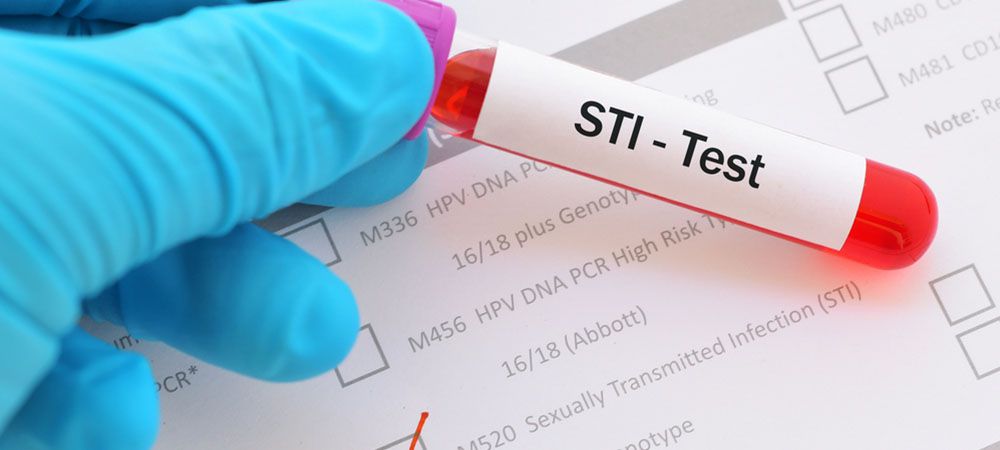
STIs and STDs: All You Need To Know

sti test

3 out of every 4 Canadians will contract one or more types of HPV (human papillomavirus) in their lifetime. HPV is the most common sexually transmitted infection and different strains can cause genital warts and various types of cancer.  While statistics such as these highlight the importance of safe sex practices and regular testing, HPV and most other STIs and STDs are curable or manageable when caught early. 

Here, we will look at what an  STD is and the difference between STIs and STDs. Having a good understanding about both can help you reduce your risk and destigmatize these often misrepresented conditions.  

What are STDs and What are STIs Exactly?

Here are the details you need to know:

STDs

STDs are sexually transmitted diseases, meaning diseases whose only or primary method of transmission is through sexual contact. Some STDs like HIV, the virus that causes AIDs, can also be transmitted through blood transfusions, birth, and shared needle use. However, the instances of HIV transmission through blood transfusion are now very low as screening methods have become more advanced. 

What causes STDs?

STDs can be caused by viruses, bacteria or parasites.

Viral STDs

STDs caused by viruses include Hepatitis, HPV, and Herpes. Each of these do not have a cure, however a vaccine can protect against some of the most dangerous strains of HPV. 

Hepatitis

There are three types of hepatitis and that primarily affect your liver. If you have any form of hepatitis, the best self-treatment measure you can take is to avoid alcohol and any other substances that put a strain on your liver. Hepatitis A and B both have vaccines along with measures you can take to help manage their effects. 

Hepatitis C does not have a vaccine but can be treated with antiviral medications. These medications can reduce and even eliminate the virus from your blood. However, this is not a guaranteed cure for all patients and the medications are prohibitively expensive in many cases. 

HPV

HPV can be contracted through oral, anal or vaginal sex. There are more than 150 known strains of HPV. For most, a person will not have any symptoms at all and the virus will go away on its own over the course of several months or years. 

If you do experience symptoms, they will be in the form of warts close to the point of infection. Some strains can also cause various types of cancer that may develop years after infection. Regular screening for cancer can help you get treatment early. 

Herpes

Herpes also causes warts and can affect any part of the body. Most commonly they will be found on the genitals, the anus, in or around the mouth and even in the eyes. Currently, there is no cure for herpes but medications can help reduce flare ups.

Note

Both HPV and HIV are also caused by incurable viruses; both of which are considered to be infections, rather than diseases. AIDS is the STD that forms when HIV is allowed to progress. While there is no cure, there are medications that can slow the progression and reduce your risk of passing the infection to a partner. This is another critical reason why it is important to get tested early and often. For HPV, the resulting disease would be considered any cancer that may form due to the infection.

Bacterial STDs
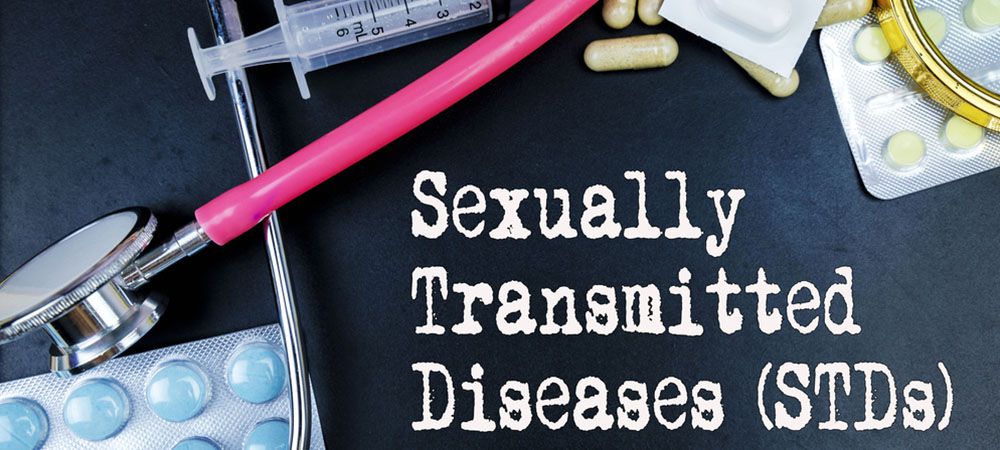
STDs caused by bacteria include gonorrhea, syphilis, and chlamydia. Fortunately, all of these can be treated with medications. However, it is critical that you do seek treatment as they will not go away on their own. When left untreated, a bacterial STD can travel to other areas of the body and cause fertility issues. Syphilis can even damage the heart, eyes and brain if left untreated. 

Parasitic STDs

There are three parasite-caused STDs which include Scabies, Trichomonas vaginalis (Trich) and Pubic lice (sometimes referred to as “crabs” in slang). Trich is easily treated with a single round of antibiotics, however, the symptoms are commonly confused with a UTI if you are not tested specifically for Trich. 

Scabies is diagnosed by visual examination from your doctor who will look for entry points where the parasites have burrowed into your skin.  They can be treated with oral or topical medication prescribed by your doctor.  It is also important that you thoroughly wash your clothing and bedding in hot water to avoid becoming reinfected. 

Finally, Pubic Lice are the most easily visible of the parasitic STDs. These lice are different from the lice that can live in the hair on your head and will, instead, make their home in pubic hair. Medicated body washes are used to kill these lice. Like scabies, these parasites can survive on clothing and bedding which makes it imperative that you wash all of these materials thoroughly. 

STIs
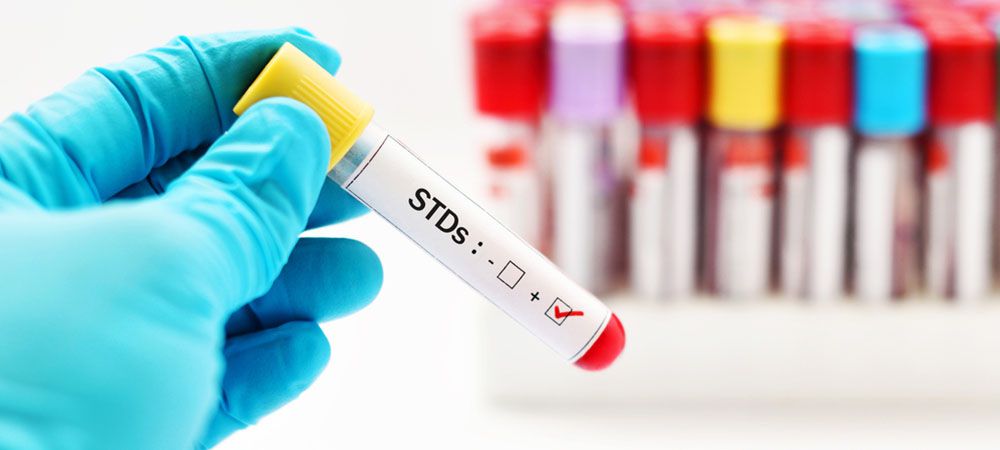
STIs are sexually transmitted infections. Most STDs begin as STIs. Typically, STIs have more treatment options and it is optimal to catch infections early before they can progress. However, it is becoming more common to use STI as the umbrella term for STIs and STDs. The primary reason for this is to help reduce the stigma surrounding STDs. Reducing stigma can help many patients to seek testing and treatment sooner which lowers risk to them and their partners. 

What Are you Legally Obligated to Disclose to a Partner?

While STIs and STDs are primarily a health concern, they can also be a legal one. In Canada, it is illegal to not inform a partner of an STD or STI before engaging in sexual contact. Most cases that have been brought to court pertain to HIV specifically. Other STIs should also be disclosed but prosecutions are rarely for any disease besides HIV. 

Where Can you Get Tested for STIs and STDs? 

The Canadian health system works to make testing convenient for all. Testing is free throughout Canada and can be administered at clinics, many community centres and doctors’ offices. 

For more information on the testing process visit, our How Do I Test for STIs and STDs? Page. If you’re ready to get tested, BCML offers a full spectrum of STD and STI testing including HIV testing. To make an appointment, please call 416-929-1900 today!
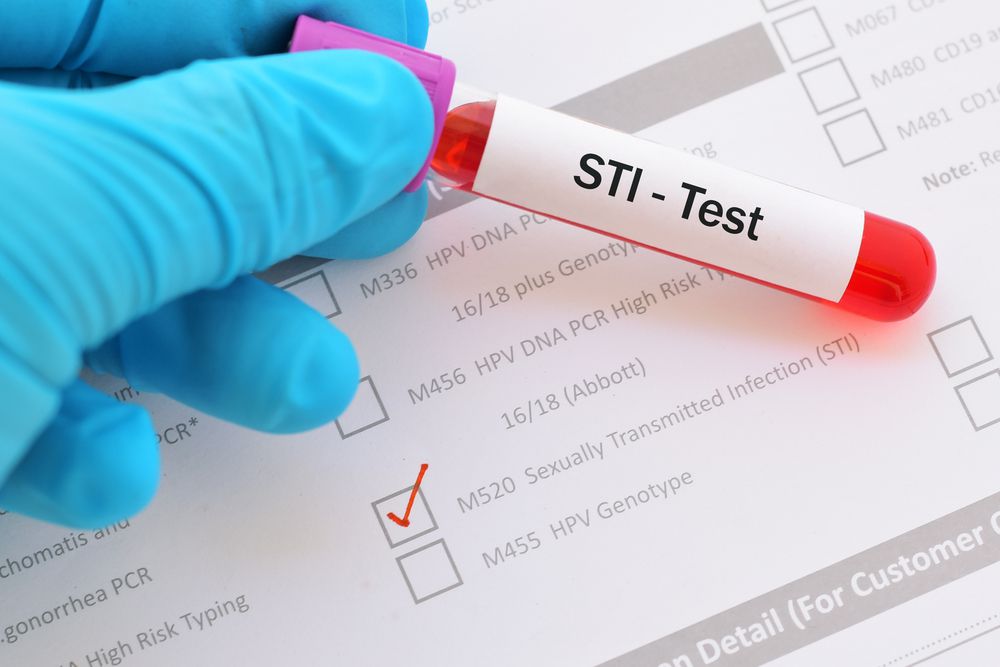

How Do I Test for STIs and STDs?

sti test report

Sexually transmitted infections and diseases (STIs and STDs) are a common occurrence among sexually active individuals. Fortunately, testing is widely available and affordable or even free across Canada. With early detection, many STIs can be treated more easily and will prevent the spread of diseases. 

Here we will look at common STIs and STDs and what to expect when getting tested. With proper education, it is easier to keep yourself safe and to seek help when needed.

How to test for STIs and STDs

If you have never had an STD test you are not alone in wondering how STD testing works.  Anxiety over testing is also extremely common but should not hold you back from getting the care you need. Diseases are common and many are preventable and treatable with proper knowledge. Let’s look at common questions about the STD testing procedure in Toronto.

Where to Get Tested

Testing is available and free at many locations throughout Canada. Free testing can be found at clinics dedicated to sexual health, walk-in clinics, family doctors’ facilities, community health centres, and other facilities for public health.

When Should You go for STD Testing

When and how to test for STIs and STDs will vary depending on your sexual activity. Ideally, you should start getting tested as soon as you are sexually active. You and your new partner should both get tested again at the start of any relationship. 

If you have multiple partners, you should get tested at a minimum of every 6 months. However, any time you experience any symptoms or you add a new partner whose history you are unsure of, you should also seek STD testing.

STD Incubation Period

Getting tested frequently is important. However, to keep yourself healthy and stop the spread of the disease, you do need to be mindful that diseases have incubation periods. 

For example, chlamydia and gonorrhea will be detectable in a matter of days but hepatitis C can take anywhere from 2 to 26 weeks to make itself known. Certain types of HPV and syphilis may even take years to fully produce symptoms. Again, because of this, you should aim to get tested at least every 6 months when you are sexually active even if you are not experiencing symptoms. 

What to Expect During STD Testing Procedure

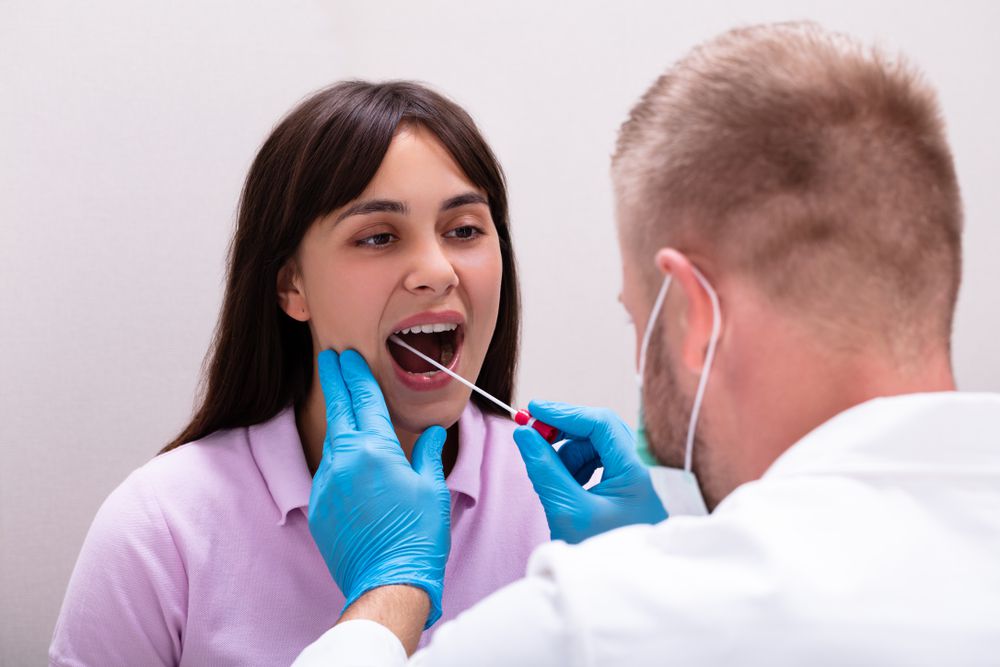
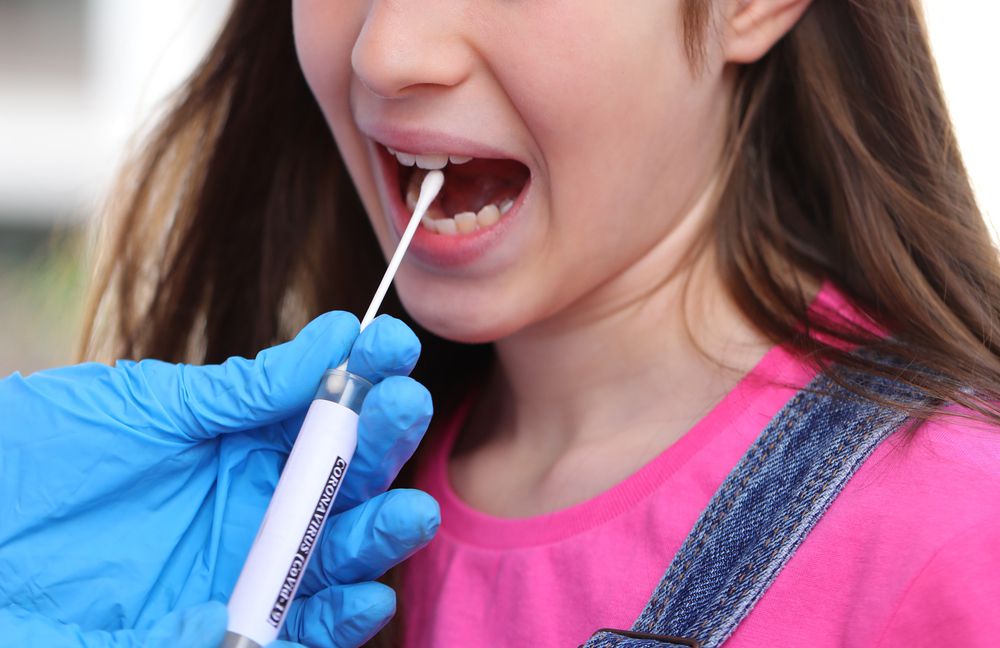
Toronto area patients can expect different testing depending on what they are being examined for. A swab test can be used to detect viruses like chlamydia and gonorrhea. 

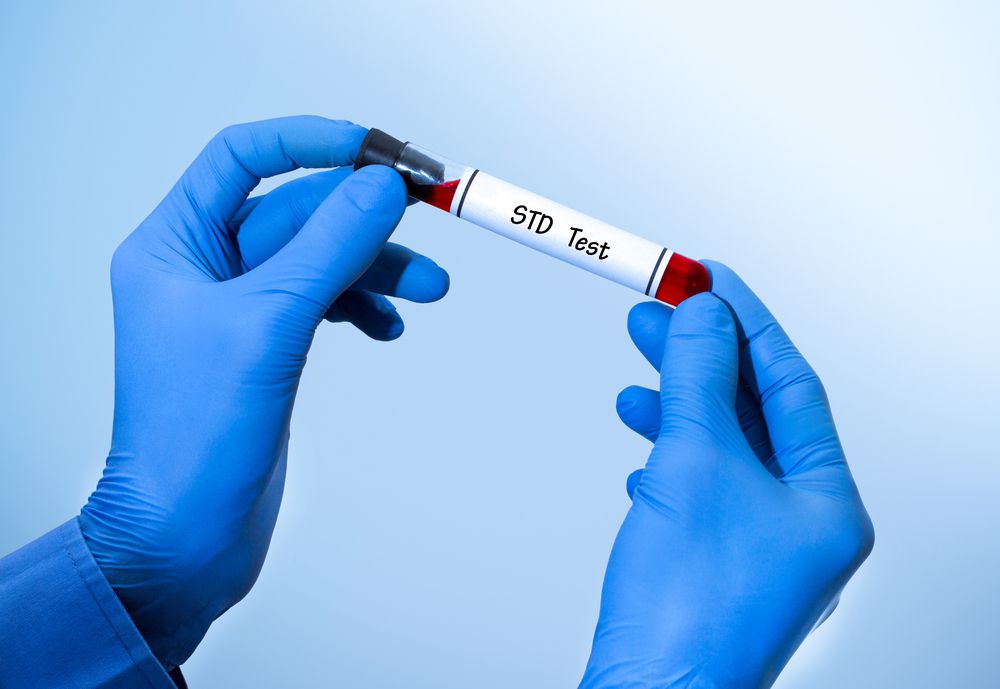
For these, a swab is taken from either the cervix or throat for women, or from the penis, throat, or rectum for men. Urine tests can also be used to detect these. For hepatitis, syphilis, and HIV a blood test is required. 

How long does it take to get results of STD testing? 

Time for STD testing results can vary. Generally, swab and urine tests will take around a week to return results, while blood tests can take around two weeks. 

Can I continue to be sexually active while waiting for test results? 

If you are experiencing any symptoms such as itching, swelling, warts, or discharge in the genital region, you should not continue having sex. If you do not have symptoms, this is up to your and your partner’s discretion. 

How to Test for STIs and STDs: Myth Busting

You Only Need to Get Tested When you Have Symptoms, Right? False. Many STDs and STIs do not produce symptoms for everyone.  For example, chlamydia which is the most common STI can easily be mistaken for a yeast infection or have no symptoms at all. 

When left untreated, the infection can spread throughout the reproductive organs and cause infertility. Instead, schedule your STD testing whenever you are unsure of your partner(s) status. 

If you use a condom, you don’t need to get tested: False

While condoms reduce the risk of pregnancy and many STDs and STIs, they are not 100%. In particular, they do not offer protection against genital warts or herpes. Both of these conditions are caused by viruses and can exist in areas of the genitals that will not be protected by a condom. 

You can avoid getting an STD by just having oral sex: False

While oral sex carries a lower risk of contracting certain diseases, this is far from a guaranteed solution. In particular, if you have a cold sore, which is a form of herpes, this can be passed to a partner and give them genital herpes. 

You can’t get the same STD twice: False

While some STDs like HIV and herpes are not curable, others can be cured and, subsequently, be contracted again. Gonorrhea and chlamydia are common STDs that people can get multiple times. 

If your partner tests negative for STDs, you don’t need to get tested: False

There are many factors that go into why you should both be tested. Consider the incubation periods we discussed above. You and your partner could have been exposed to different STDs with different incubation periods and they might not be showing, while you are. 

A monogamous couple can’t get STDs: False.

While a monogamous couple certainly lowers their chances of contracting infections and diseases there are still scenarios where this is not guaranteed. For example, if either of you had partners before getting together, you may be carrying an STD with no visible symptoms. HPV is a prime example of this and it also can have a years-long incubation period before causing serious problems.

Even if you and your partner have only had sex with each other, there is still a narrow chance that you may contract a disease. This would happen in two main scenarios: 

  • Either of you contracts a blood-borne STD in a non-sexual way. Blood transfusions and contaminated tattoo equipment, for example. 
  • As we discussed above, oral herpes can be passed to the genitals. Many people have oral herpes simply from kissing an infected person. Even children may contract this from a friendly kiss from a friend or relative. Though this would not be considered sexual contact, it does allow an STD to enter the equation. In this same way, even someone who has never had sex can technically have an STD. 

How to Test for STIs and STDs at BCML 

At BCML we are here to help you manage your total health including your sexual health. We offer a full range of effective and confidential STD and STI testing right at our Toronto clinic. To set an appointment, contact us today at 416-929-1900. Your privacy, safety, and comfort are always our top priorities. 

Ontario Health Insurance Plan: How Does it Work?

health insurance

Canada is known for having a national healthcare system, but individual provinces also have health insurance and even private insurance. Ontario Health Insurance Plan or OHIP covers most medical care including emergency and preventative care costs. Notable exceptions to its coverage include dental, vision, and chiropractic services. 

For those outside Canada, there is often the misconception that all healthcare is free. Even residents may not know what services OHIP covers or how it is funded. Here we will take a look at how OHIP works, what it covers, eligibility and other important questions many Ontarians have. 

Is the Ontario Health Insurance Plan Really Free?

OHIP is funded by three sources: The Canadian Government, payroll taxes from employees and taxes paid by Ontario-based businesses. While there is no direct “OHIP Tax,” citizens do essentially pay for healthcare to be available.

Though OHIP may not be as socialistic as some might assume, Ontarians still spend less per person on healthcare than in countries like the United States where there is no universal healthcare. 

Also, OHIP’s system allows for a more equitable distribution of healthcare access. This means a sudden job loss or other financial hardship will not prevent a person from getting medical attention the way it might in the U.S. 

Who is Eligible for the Ontario Health Insurance Plan?

Eligibility for OHIP and medical coverage in Ontario is fairly straightforward in most cases. Anyone who is considered a Canadian citizen, permanent resident or who has a valid work permit is eligible to be covered under OHIP.

What about new residents? 

When an individual first moves to Canada, there is typically a 3 month waiting period before their health care can be covered under OHIP. Supplemental insurance can be purchased to cover this gap.

Citizens who move from another province? 

When you move from another province to Ontario, there will also be a 3 month waiting period until you are eligible for OHIP. However, you will still be covered by your previous province’s insurance during this time.

What about travelling workers?

Typically, to be considered a permanent resident, you must live in Ontario for at least 153 days a year. However, if you have a job that requires you to travel more frequently than this you may need to provide proof you are travelling for your job in order to qualify. 

Are refugees covered?

Refugees and protected persons can often get coverage through the Interim Federal Health Program, a temporary kind of insurance. Coverage with IFHP is similar to provincial healthcare. OHIP coverage may become available if an individual goes through the process of becoming a permanent resident. 

What Services Does OHIP Cover? 

OHIP is designed to provide citizens with urgent and preventative care. This includes doctor visits, hospital stays, certain dental surgeries and costs associated with childbirth. Below you will find a partial Ohip coverage list with some of the most commonly covered and necessary services. 

It is important to note that some services may not be fully covered or will only be covered if they are deemed medically necessary and/or performed in a hospital.  

  • Hospital stays
  • Doctor visits
  • In-hospital dental surgeries
  • In-hospital surgical abortions
  • Diagnostics including x-rays and blood tests.
  • Eye exams
  • Ambulance transportation
  • Mental health services performed by a medical doctor
  • For a complete OHIP Coverage list, visit Ontario.ca.

What is Not Fully Covered by the Ontario Health Insurance Plan?

Dental, vision, prescription and physical therapy costs are some of the least covered by OHIP. However, this is not a blanket statement that applies to every service in these categories.

For example, vision tests are covered for anyone under the age of 19 or over the age of 65. Below are some of the services that may not be fully covered by OHIP. 

Dental and Vision

OHIP will cover certain dental surgeries that are performed in a hospital but will not cover basic services like regular cleanings. Plus, while eye exams are covered, eyewear is not. Many people will either get coverage through their employers or purchase supplemental insurance to cover these costs. 

Cosmetic and Chiropractic

Cosmetic surgery and most medically unnecessary surgeries are not covered. Chiropractic services and some physical therapy may also require complete or partial out-of-pocket payment. 

Mental Health

Canada is a country that recognizes the need for mental health services. Also, most of these mental health services are covered. However, the definition of eligible mental health services covered under OHIP is typically narrowed to only include services provided by medical professionals such as psychiatrists. Other alternative therapy forms may not be covered and you should check for costs before proceeding. 

Physiotherapy

Physical therapy is most widely covered for children/teens and elderly persons. It is also covered for persons recovering from specific injuries and illnesses. 

Eligible physiotherapy will be performed in-clinic and your physician will determine how many sessions you should receive. 

Prescriptions

Prescriptions are typically only covered for persons under the age of 25 and for patients during hospital stays. However, the Canadian government does work to keep the cost of prescriptions affordable by negotiating better rates with drug companies when possible. Private insurance can also be purchased to cover more expensive prescriptions. 

Should You Buy Supplemental Health Insurance? 

While citizens have access to many free and low-cost healthcare services, there are still some that are not covered or not fully covered. Similarly, people who are in their 3 month waiting period for coverage or who do not qualify as permanent residents may also need supplemental insurance.

In many cases, employers will offer insurance to cover things like dental, vision, physiotherapy, prescriptions and other services not fully covered by OHIP. You can also purchase supplemental insurance on your own. 

Supplemental insurance can be beneficial if you need regular access to specialists and therapists not covered under OHIP. Private insurance can help to reduce the costs of prescription eyewear, extensive dental work and prescription medications. 

Does Ontario Health Insurance Plan Cover Pandemic Care Costs?

As of now, OHIP does cover care related to COVID-19. The Pandemic has also caused some changes in OHIP eligibility. Most notably, anyone who has applied for the insurance but is still in their 3-month waiting period for coverage can still get their care for COVID-19 covered. 

However, if you have any doubts about your eligibility or coverage it is best to contact OHIP directly. This is especially true now as the Pandemic is continuing to cause changes to policies. 

Need to Find out if OHIP Covers What You Need? 

While OHIP fully or partially covers many types of care, procedures and treatments there are still some areas that may not be clear. 

If you have questions about your health and what OHIP covers for you, BCML physicians are here to help you navigate your coverage. Contact us to schedule a consultation and we will work with you to get you the best care with maximum coverage.  

Family Physician’s Guide to Coronavirus (COVID-19)

get worse

Although we have seen many communities making great strides in reducing risks and infection rates, Coronavirus continues to play a major role in our everyday lives. As the initial shock of the virus begins to wear off, many of us are looking for ways to further safeguard our health while also understanding more about the illness that has forced us to rethink our healthcare system and the way we work. 

Here we will offer a physician’s guide to Coronavirus to give the best and most up to date information about the virus and how it spreads. Though we continue to learn new information about COVID-19, the following is established general information about coronaviruses and the most current information on COVID-19. 

Basic Terminology: Is Coronavirus the same as COVID-19?

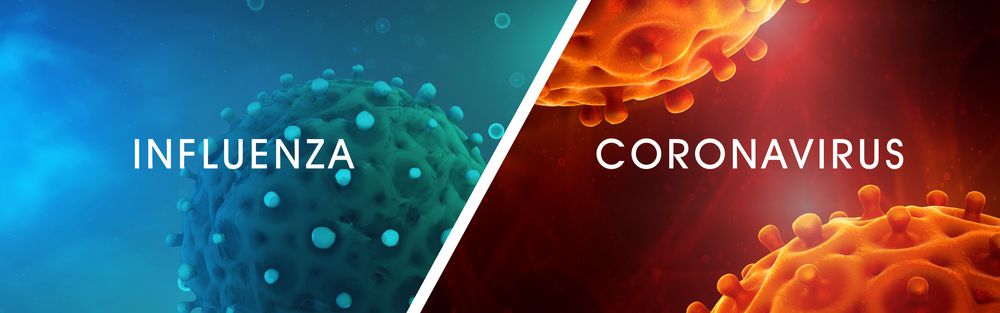
As we explore the guide to coronavirus, it is important to understand that coronavirus is a catchall term that refers to multiple viruses that have the same “crowned” feature. This group of viruses get their name from the spikes covering the virus cells which resemble a corona, the Latin word for “crown.” 

The name of the specific coronavirus that has caused the current pandemic is SARS-CoV-2. Think of it this way, if these viruses were a product, coronaviruses would be “tissues” while SARS-CoV-2 is the brand name Kleenex.  

COVID-19 is the actual disease caused by SARS-CoV-2. If we continue with our tissue analogy, COVID-19 would be like the raw, chapped nose and lips you might get from Kleenex when you have to blow your nose too often. 

Symptoms of Coronavirus: Asymptomatic Vs. Presymptomatic 

Some people who contract SARS-CoV-2 will not show symptoms of the disease but will be able to pass it to others. These people are “asymptomatic” meaning the virus is detected but symptoms will never form in that individual. 

This is not to be confused with people who are “presymptomatic.” Presymptomatic means a person has contracted a virus but has not developed symptoms yet. If you are asymptomatic, you may never know if you had the virus at all, while presymptomatic people will see the symptoms of the virus within a matter of days.  

Currently, evidence suggests that both Asymptomatic and Presymptomatic people can pass the virus.  This is why it is critical for every individual to take precautions such as wearing face masks and proper, frequent hand washing. Unless you have tested negative for the virus, there is no guarantee that you do not have it or that you are unable to pass it to others. Also, some tests for the virus may be reliable. Therefore, even this is not an absolute guarantee that you are not contagious.

Transmission: How is the Virus Passed? 

There are still some questions about how the virus is transmitted but there have been strides made in determining the risk level of certain activities like handling packages and pinpointing which bodily fluids are able to transmit the virus. 

Bodily Fluids that Contain the COVID-19 Virus

As COVID-19 is a respiratory illness, research has found there to be a concentration of the virus cells in respiratory droplets. In the plainest terms, this means mucus and saliva coming from the nose or mouth are the most likely way for the virus to spread.  

However, the virus has also been found in blood (plasma) and stool samples as well. Research is still limited and it is not guaranteed that the virus will not be transmitted through other non-respiratory fluids including semen, vomit or urine. 

How Other Coronaviruses Behave in Bodily Fluids

To further understand why we must be careful with all bodily fluids at this point, we look to how other coronaviruses are transmitted. For example, MERS-Cov is only transmitted through respiratory droplets. 

In contrast, SARS-Cov, which was the cause of the SARS outbreak in 2002-03, was found to be viable in urine, blood, and stool along with respiratory droplets. 

How Easily is COVID-19 Spread?

Current research suggests that the COVID-19 virus spreads more easily than previous viruses like SARS-Cov. The most likely reason for this is that the highest concentrations of the virus will be found directly after the first symptoms develop. This is an important distinction from SARS-Cov where sufferers had the highest concentrations of the virus later in their illness. 

Because COVID-19 patients have more of the virus early on, it is more likely that they will spread it during the period when they do not feel as if they are sick.  This is, again, why presymptomatic transmission is of great concern. 

Will Symptoms Get Worse?

The slow development of symptoms and the long incubation periods are also why you should monitor your health and symptoms closely. For many patients, symptoms can start out mild in the first week but then advance in the second week of illness. 

While the majority of patients will still not need hospitalization, worsening symptoms later in the illness is when you are most likely to need professional care. Trouble breathing is the biggest indicator that a patient requires medical intervention. Also, difficulty thinking and staying awake are indicators along with pain in the chest that persists.

Can the Virus be Spread by Touching Surfaces?

This seems to be the million-dollar question. While avoiding other people has been difficult, avoiding touching surfaces such as delivery boxes has proven even more daunting for many of us. 

Fortunately, according to the Mayo Clinic, the risk of contracting the virus from surfaces is low and there have been no reported cases of the virus spreading this way. The best defence against this small possibility is to wash your hands thoroughly and to disinfect surfaces that are touched by multiple people, such as doorknobs. 

Can it Spread Through Food?

Both food and water seem to be safe from spreading the disease. However, as an extra precaution, wash fruits and vegetables thoroughly and handle takeout containers with care. The Mayo Clinic recommends washing your hands after touching takeout containers then moving the contents to a clean plate and disposing of the container. Wash your hands once more before eating. 

These extra precautions are, again, not considered necessary. However, proper handwashing and safe food handling is a good idea even without COVID-19 as a concern.

Can You Get COVID-19 Twice? 

The answer to this is still not clear. Currently, there is not enough evidence to determine if it is possible to get COVID-19 twice. Immunity to the disease is not guaranteed nor is the duration of the immunity. Based on similar illnesses, there is a possibility that a person could be immune for a certain amount of time but will then become susceptible again.

Because of this, even people who have recovered from the illness should continue to practice safety measures. This includes social distancing and wearing personal protective equipment when appropriate. 

Managing and Diagnosing Symptoms of COVID-19

Do you suspect you may have COVID-19? BCML physicians are here to help you manage and diagnose symptoms of COVID-19 and your total health. While the current pandemic is at the top of most people’s concerns, it is important to take your total health into consideration. 

Managing chronic illnesses and performing preventative care can help keep you healthy if you do contract the virus. To help you, we offer telephone consultations during this difficult period. To schedule an appointment, contact us via 416-929-1900 today!

What is the COVID-19 Pandemic Disease?

COVID-19

Just under 5 months ago, in January of this year, the first case of COVID-19 was reported in Canada. While this may feel like a lifetime ago, there are still things we do not know about this disease that has changed the way people live and work across the globe. We are still learning about the disease and projections are still being made about vaccines and a possible spike in cases later in the year.

Here we will look at the most recent information about COVID-19, and answer the question: what is the COVID-19 Pandemic disease?

Where Does the Term COVID-19 Disease Come From? 

COVID-19 is an abbreviated form of coronavirus disease 2019. A coronavirus is one of a family of viruses that are named after the latin word “corona” which means crown. This is due to the way the cells of each virus looks as though it has a crown of protrusions covering it. 

All coronaviruses are associated with respiratory illnesses which includes SARS (Severe Acute Respiratory Syndrome). Most coronaviruses will produce relatively mild symptoms similar to the common cold but some, like the one that causes COVID-19, can cause much greater problems. 

This can start to get confusing as we will often hear people using coronavirus and COVID-19 interchangeably. However, coronavirus is a term used for many different viruses while COVID-19 disease is specific to the current pandemic and is “novel.” Novel, in this context, meaning that it is new and this is the first time it has been found in humans. 

To help clarify, let’s look at some key terms to know: 

Zoonotic Transmission

As we’ve discussed, coronaviruses are quite common and most only cause mild symptoms. However, when a coronavirus makes the jump from an infected animal to a human, we can get a much worse disease. Currently, it is not yet conclusive exactly how COVID-19 made the jump from animals to humans. 

SARS-CoV-2

This is the abbreviated form of “Severe Acute Respiratory Syndrome Coronavirus 2.” It is also the name of the virus that causes the COVID-19 disease. It is related to SARS-CoV which most of us are familiar with as simply SARS, a virus that also caused thousands of deaths between 2002 and 2004. The viruses have similarities but are not exactly the same. SARS has not had any known cases since 2004 and there is no treatment.  

Disease Vs Virus

It is not uncommon to name a disease differently than the virus that causes it. For example, HIV is the virus while AIDS is the disease. The World Health Organization had, in part, refrained from using SARS-CoV-2 to reference COVID in official communication because the connection to the earlier SARS would have caused more panic. Ultimately, in relation to a virus, a disease is the result of the virus. It’s the blanket term used to reference all the symptoms associated with contracting the disease.

Incubation

This refers to the time it takes to show symptoms after a person has been exposed to the virus. It is not yet clear when a person will become contagious – during incubation or only once symptoms appear. 

Asymptomatic

When someone carries a virus but does not show symptoms, they are asymptomatic. While an asymptomatic person may be able to spread the disease, it is not yet known how common this occurrence is. 

Pandemic Vs Epidemic

It can seem that these two terms are used interchangeably but there is a distinct difference. An epidemic is the spread of a disease within a certain country or community. It may be widespread but it is still within one region or group of people. A pandemic, however, is the spread of a disease to multiple countries. 

Why is COVID-19 Classified as a Pandemic?

COVID-19 has currently been found in 213 countries and on six continents. Only Antarctica has been spared from the disease thus far. By our definition of a pandemic, COVID-19 easily fits the requirements. 

Why is SARS-CoV-2 Worse than Other Coronaviruses?

One of the reasons SARS-CoV-2 is more problematic than other coronaviruses is because it has a longer incubation period. Those with the virus will not know they have it and may still be able to pass it on to others. For example, the flu’s incubation period is typically around 1 to 4 days, while COVID’s could be up to 14. This leaves more time for COVID-19 to spread to others. 

SARS-CoV-2 seems to also be easier to transmit than its predecessor, SARS-CoV. It is not certain why this is so, but a working theory is that those with the virus are able to transmit it to others earlier on. While SARS was more contagious as a person reached the peak of their symptoms, SARS-CoV-2 seems to spread when symptoms are mild or not even present.  

Another reason this virus has become more deadly is because it is likely more contagious than other coronaviruses. This is because the virus is novel or new to humans. It passed from one or more animals until it was passed along to us and we do not have any built up defenses against it. 

How is COVID-19 Different from the Flu? 

While some people would like to believe that COVID-19 or SARS-CoV-2 is similar to the flu, there are actually far more differences than similarities. First of all, they are caused by different viruses and the flu is not a coronavirus. 

More to the point, the flu is something that we have dealt with for decades and understand how to treat it and how it behaves. COVID-19 is a different story. The flu is seasonal and knowing this helps us prepare while COVID-19 could spike in the fall or it may not. We also have vaccines in place for multiple strains of flu and we have more built up resistance to it. 

Currently, COVID-19 has also proven to lead to more fatalities. If you have seen estimates of fatal complications in the 1% to 2% range, it can seem that anxiety over the virus is blown out of proportion. However, consider the fact that this rate would mean 1 to 2 people out of a hundred could die from the disease. Additionally, if we look at the flu, only 0.10% of cases end in death which further highlights how thinking the two are the same could lead to even greater complications. 

Symptoms of COVID-19 and When to Seek Medical Help

Like so many other factors related to COVID-19, symptoms are not 100% clear. Currently, the most common symptoms include fever, cough and difficulty breathing. Depending on the severity of your symptoms, you may be better off treating the illness at home unless you are having trouble breathing. 

If this occurs, you should contact your doctor before going into the office. Your doctor can advise you on the best and safest way to seek medical attention without risking yourself or spreading the disease further.  It is important as well to continue to monitor your health to ensure symptoms are not worsening. 

BCML is Here for You

If you are experiencing symptoms you believe could be related to COVID-19, we encourage you to call BCML at 416-929-1900 to speak with an expert. Our knowledgeable medical team will guide you to the best care and solutions. We are also offering telehealth appointments for other medical conditions to further ensure safe social distancing and avoiding unnecessary trips. 

Hearing Loss and Coronavirus

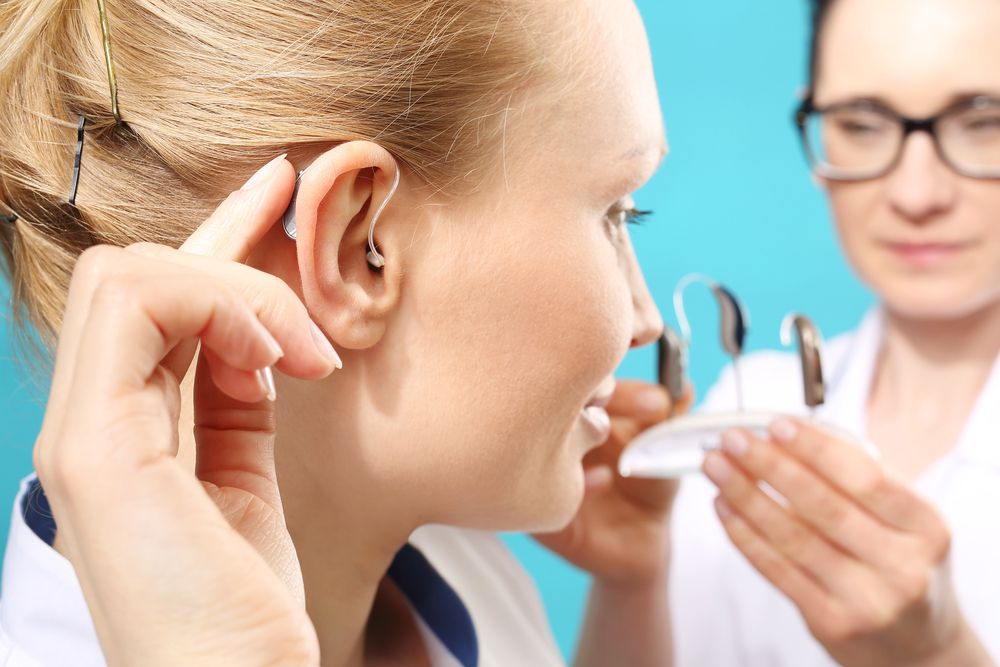
hearing device

Hearing Loss and Coronavirus: Hearing Aids

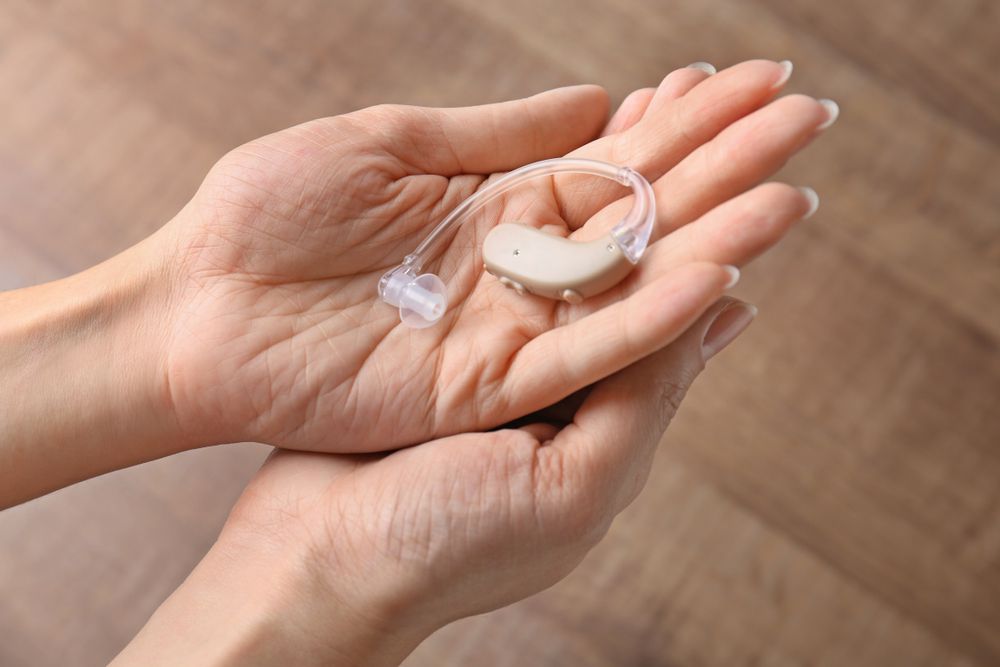
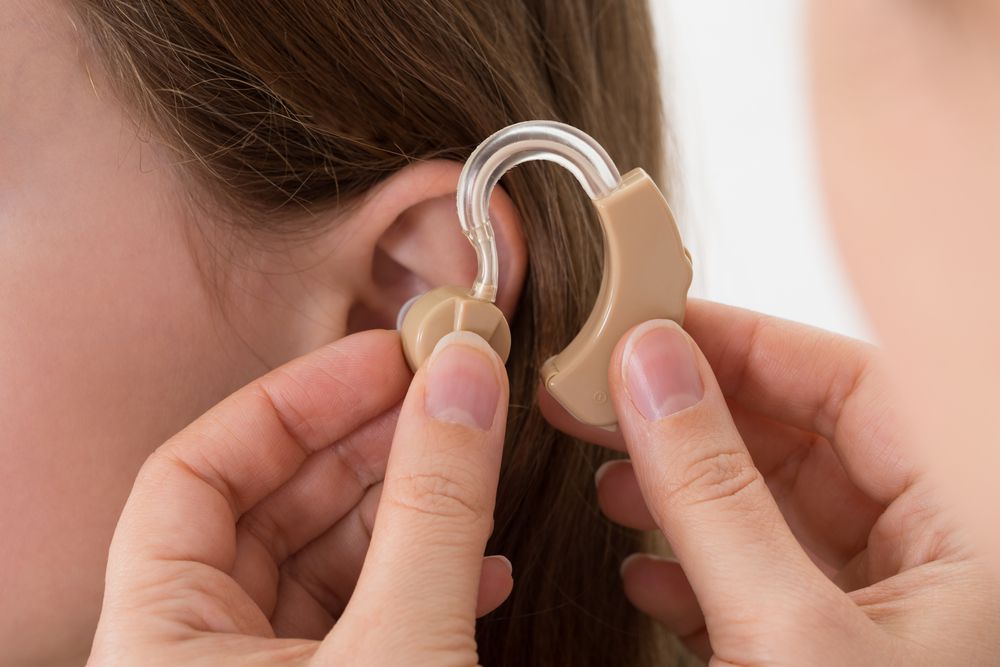
The COVID-19 pandemic may present additional challenges for those who wear hearing aids. While the virus has changed the world for us all, those with hearing impairment may be presented with extra barriers to wearing protective masks and seeking medical attention.

However, if you know the steps to follow, you can get hearing aids and use them effectively without any safety risks. In this blog, we will discuss how to safely wear your hearing aid during the pandemic and how to prepare for medical emergencies.

Safe Hearing Aid Removal and Insertion 

While touching your ears keeps your hands away from your nose, mouth and eyes where the virus is most likely to enter, there is still a level of risk. Therefore, proper hygiene must be practiced. 

Before removing or inserting your hearing aid, you should thoroughly wash your hands with soap and water. If soap and water are not available, hand sanitizer should be liberally applied to disinfect your hands. 

Keeping your hearing aid clean is critical. This means diligently following recommended cleaning methods for your hearing aid. Also, you should be mindful of storing your hearing aid in a clean container and not setting it on any surface that could be contaminated with the virus. 

Should I get Cochlear Implants During the Pandemic?

Cochlear implants are beneficial for many with severe hearing loss who cannot be helped effectively with a hearing aid. Though these devices are important and often necessary to improve quality of life, they are considered an elective surgery. Elective surgeries of any kind are not recommended at this time.  

Surgery, even in the best conditions, can increase the chances of infection and other complications. Getting this surgery now presents an unnecessary risk because waiting to get a cochlear implant will not have adverse effects. However, there are two exceptions to this rule.

First, for infants born with hearing loss and those with meningitis. Infants with hearing loss who are born into an environment where their family does not know sign language, have an increased chance of developmental delays because they are not able to get the proper stimulation. In this scenario the benefits of cochlear surgery are likely to outweigh the risks.

Similarly, meningitis presents a situation where timing is critical to cochlear implants. One of the side effects of this viral infection is potential damage to the ear canal including bony growths. Once these growths start to take over it can be difficult or impossible to perform cochlear implant surgery. 

How to Wear a Mask with Hearing Aids

Modern hearing aids are relatively small and discreet but they can still be difficult to wear with a mask that hooks over the ears. The best and easiest solution is to opt for a mask that loops around behind the head versus over your ears. If you are ordering masks and are having difficulty finding this style, look for cloth tie masks. Cloth ties will always be secured behind the head. 

However, if a mask that secures behind the head is not available, there are methods to convert ear loops. Try these tips instead:

Quick Solutions

Those with hair long enough to tie into a bun or ponytail can bring the ear loops back to wrap around the hair instead of around the ears.  A paperclip can also be used as a quick option. Hook the ear loops around the paper clip and bring the connected loops behind your head. 

Crafty Solutions

If you have the time and supplies, you can also craft an ear loop hook with a short piece of fabric and two buttons. A piece of cloth ribbon that is wide enough to sew the buttons to is often the best option. When the buttons are sewn to the ends of the short fabric, you can hook the ear loops on the buttons and bring this back behind your head.

Sewing buttons to a cloth headband is another way to secure the buttons. This option can be a bit more cumbersome as you need to ensure the headband will not slide and dislodge the ear loops.

Note: Any item you use to secure your mask should be cleaned thoroughly. If you are using a paperclip or any other fastening, wash it with soap and water first or disinfect it with hand sanitizer. 

How To Remove your Mask While Wearing Hearing Aids

To avoid accidentally pulling out a hearing aid while wearing a mask, it is important to get used to practicing this with extra caution. If you are only wearing  one hearing aid, it is usually best to remove the mask from that ear first. This will help ensure that you can remove the mask purposely and not have it pull away on its own. 

If you have just gotten a hearing aid, it may also help to remove it while looking in a mirror. This way you can see if the mask’s loops are in danger of pulling the earpiece out. 

Hearing Aid Clips

Another added safety measure is using a clip to secure your hearing aid to your clothing. There are several styles to these but most are simply a small clip attached to a thin cord. 

Communicating with Medical Staff

Seeking timely medical attention is important but there may be more barriers to getting the help you need during the pandemic. Whether you are seeking help for COVID-19 symptoms or other urgent medical matters, people with impaired hearing often have more challenges than most.

This is largely due to the fact that many hospitals and clinics will not have staff members who know sign language. The use of masks will also remove the option of lip reading and muffle voices further. To help overcome this language barrier, deaf patients can advocate for themselves with these steps: 

Bring a Writing Device

A personal, interactive whiteboard is a simple way to communicate with others. A smartphone can also be used but the smaller screen will mean having to be in closer contact with others which is something to avoid. 

Know Your Rights

The Canadian Association of the Deaf provides free resources in line with the rights deaf and hard of hearing persons are entitled to in medical situations. This can include access to a live interpreter or other translation devices. 

Bring a Friend

If possible, bring a friend with you to the hospital. Ideally, choose a person who is not in a high-risk category of being affected by the virus.  Ensure that you both follow safety precautions with masks, hand washing and social distancing.

When to Seek Medical Care 

It is important to note that we all need to use good judgement when choosing to seek medical care at this time. Like with elective surgery, unnecessary doctor visits can increase your chances of contracting and spreading the virus. 

For COVID-19 symptoms, you should seek medical care if you are having difficulty breathing, feel pressure in your chest and/or are feeling disoriented. Difficulty concentrating may be a sign that you are not getting enough oxygen to the brain. 

Unless you are experiencing an emergency, it is best to call your doctor instead of going into a clinic or hospital. In our continued efforts to provide quality medical care in a safe environment, BCML is offering convenient telehealth appointments for those with hearing related issues.

Our caring and knowledgeable staff will meet with you through a scheduled video chat to discuss any health concerns you may have – just as we would with an in-office visit. To get started, contact us at 416-929-1900 today!
COIN303

KOIN303

COIN303

COIN303

COIN303

COIN303

COIN303

judi bola online

coin303

coin303

coin303

coin303

coin303

coin303

coin303

Situs KOIN303

agen slot coin303

Koin303

Slot COIN303

situs slot

slot online

LINK KOIN303

Bandar Togel

coin303

coin303

agen casino online

judi bola online

slot resmi

coin303

coin303

coin303

coin303

PG Soft

situs casino

situs judi bola

judi bola

login coin303

coin303

coin303

situs slot mahjong

link koin303

kaitan dengan mahjong ways

fakta mahjong ways yang luar biasa

begini peran mahjong ways

koin303

jadi sorotan detail mahjong ways

coin303

coin303

coin303

mix parlay

https://www.bastiansecurity.co.id/monitoring/

Situs APK Slot

Tren Baru Hiburan Digital Game Online Mahjong Ways 2 yang Kian Populer

Dari Hobi Bermain Mahjong Ways Jadi Peluang Menguntungkan Menarik di Era Digital

Mengapa Game Viral Mahjong Ways 2 Semakin Diminati? Ini Faktor Pendorongnya

Evolusi Viralnya Mahjong Ways: Memberikan Inovasi Fitur dan Tantangan yang Makin Seru

Dampak Positif Perkembangan Game Viral Mahjong Ways terhadap Industri Hiburan Online

Strategi Developer dalam Mengembangkan Game Viral Mahjong Ways yang Digemari Pengguna

Game Viral Mahjong Ways 2026: Prediksi Tren dan Teknologi yang Akan Mendominasi

Dari Media Sosial ke Aplikasi, Begini Perjalanan Game Viral Mahjong Ways 2

Peran Komunitas Digital dalam Mendorong Popularitas Game Viral Mahjong Ways 2

Game Viral Mahjong Ways 2 dan Generasi Muda: Tren, Peluang, dan Tantangan Baru

agen bola

agen slot

coin303

coin303

coin303

COIN303

coin303

coin303

coin303